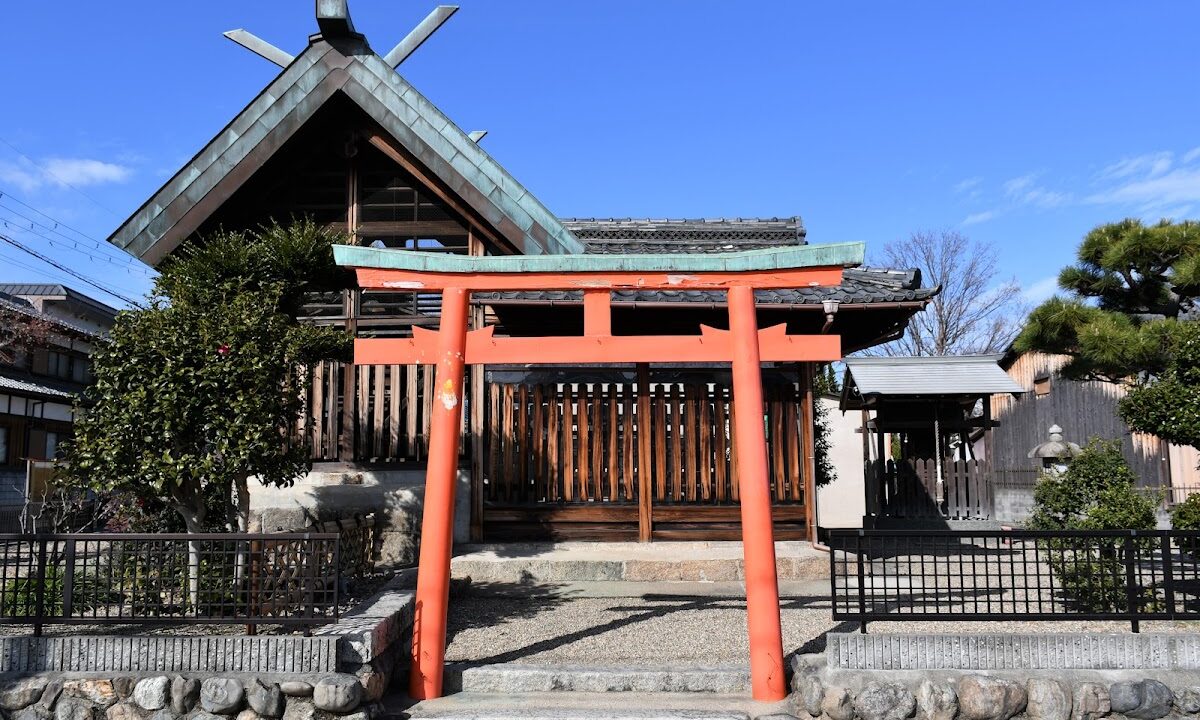
Complete Guide to Ishihara Matsuo Shrine (Kyoto Prefecture) | Detailed Explanation of History, Deities, Access, and Highlights
Ishihara Matsuo Shrine, located in the Ishihara district of Minami Ward, Kyoto City, is a historical shrine founded in the early Edo period. While belonging to the parish of Matsuo Taisha Shrine, this shrine has a special history, having been independently established for the convenience of local residents. This article provides a detailed introduction to this shrine.
History and Origins of Ishihara Matsuo Shrine
Circumstances of Founding
Ishihara Matsuo Shrine was founded in the early Edo period, and its origins are intertwined with unique local circumstances. The Ishihara district originally belonged to the parish of Matsuo Taisha Shrine, located in Arashiyama, Nishikyo Ward, Kyoto City. However, due to the long distance to Matsuo Taisha Shrine, it was inconvenient for local residents to visit and participate in festivals. Therefore, Sarutahiko-no-Okami was invited from Matsuo Taisha Shrine, and the shrine was established as a unique local shrine.
This form of enshrinement is rare in Kyoto’s Shinto faith and is a valuable example of a flexible form of worship adapted to the specific circumstances of the local community.
About the Sacred Object
A distinctive feature of Ishihara Matsuo Shrine lies in its sacred object. It is said that when the deity was invited from Matsuo Taisha Shrine, the “mask” of Sarutahiko-no-Okami was enshrined as the sacred object. This form of using a mask as the sacred object is a form of yorishiro (vessel) for a divine spirit in Shinto, representing the belief that divine power manifests through the mask.
Relationship with Matsuo Taisha Shrine
Matsuo Taisha Shrine, founded in 701 AD, is one of Kyoto’s oldest shrines and is nationally known as the god of sake brewing. Ishihara Matsuo Shrine, having received a divided spirit from this venerable Matsuo Taisha Shrine, maintains a deep connection to it. While belonging to the Matsuo Taisha Shrine’s parish area, its history of playing a unique role as a guardian deity of the region illustrates the diversity of Shinto faith in Kyoto.
Deity and Divine Virtues
Sarutahiko-no-Okami
The deity enshrined at Ishihara Matsuo Shrine is Sarutahiko-no-Okami. In Japanese mythology, Sarutahiko-no-Okami is known as the god who guided Ninigi-no-Mikoto, the grandson of Amaterasu-Omikami, during the descent of the heavenly grandchild.
Divine Virtues
The main divine virtues of Sarutahiko-no-Okami are as follows:
- God of Path Opening and Guidance: A god who guides you to the right path at crossroads in life or when starting a new business.
- Traffic Safety: As the god of roads, he protects safe travels and traffic safety.
- Protection from Directional Misfortune: Removes misfortunes related to direction during construction or relocation.
- Good Fortune and Prosperity: Brings good fortune at new beginnings and life milestones.
It is especially recommended to visit when starting something new or at a turning point in life.
Highlights of the Shrine Grounds
Main Hall and Worship Hall
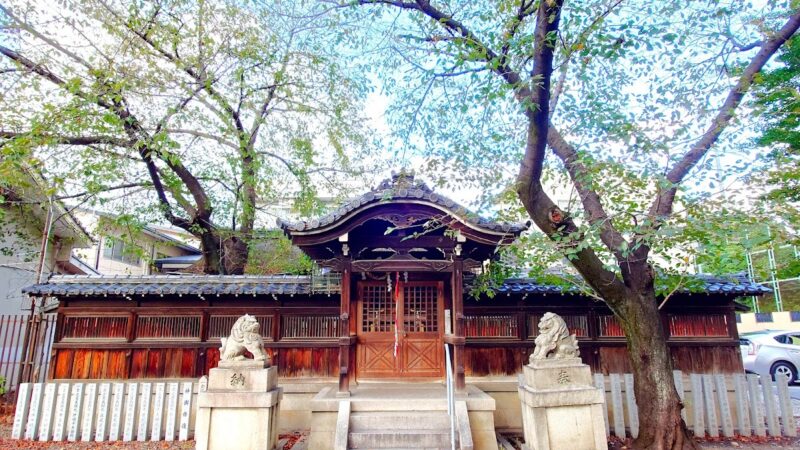
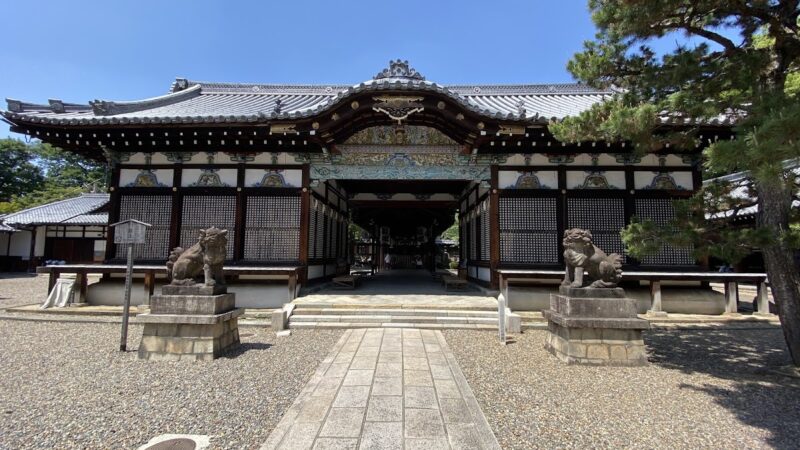
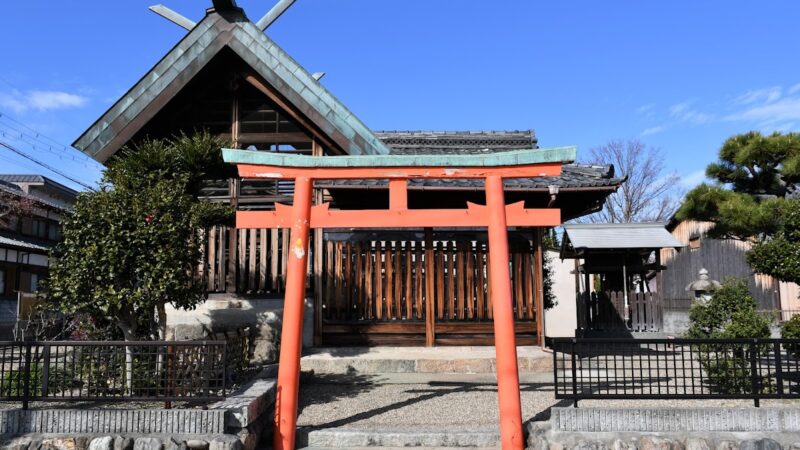
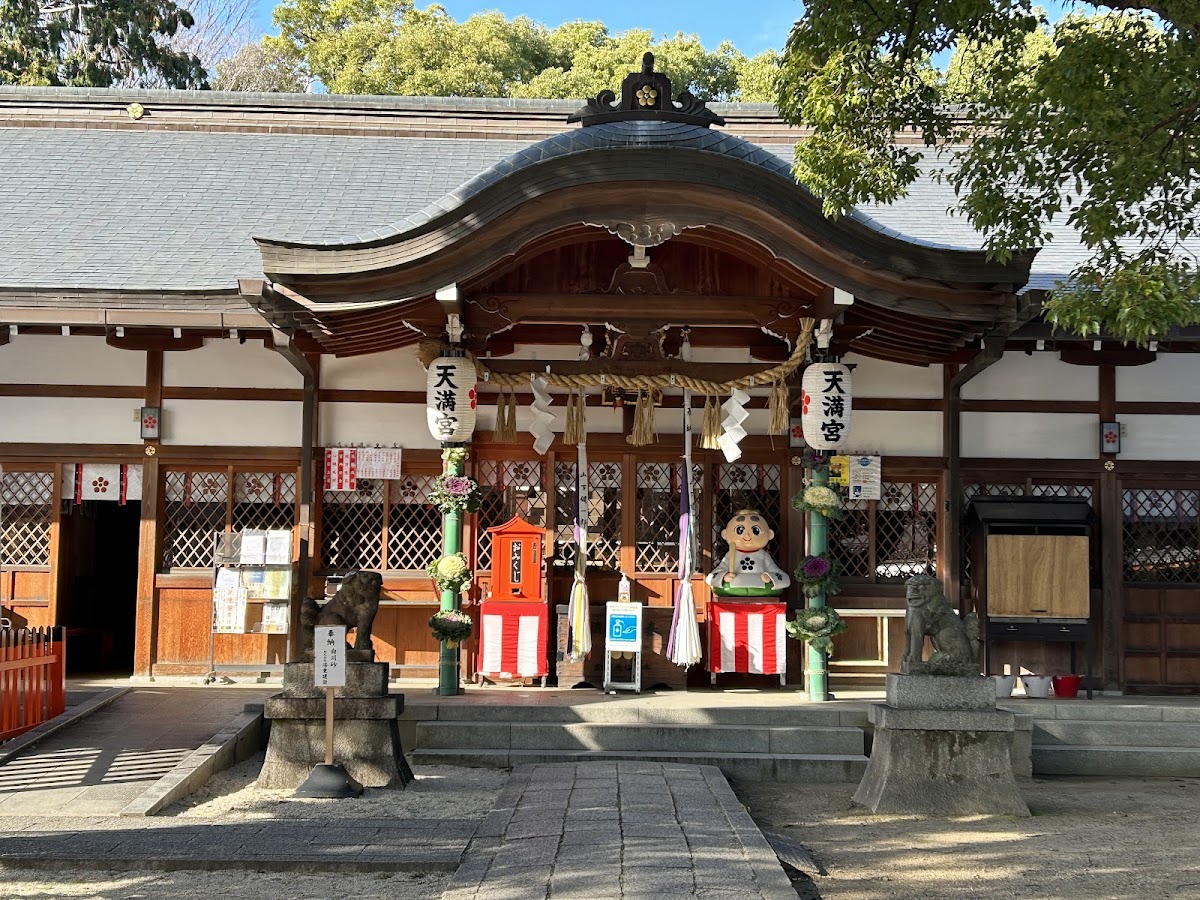
The main hall of Ishihara Matsuo Shrine is an architectural structure that preserves the style of its founding in the early Edo period. Although small in scale, it possesses a historical presence that reflects the faith of the local people. The worship hall is kept clean as a place for worshippers to offer their prayers.
Atmosphere of the Shrine Grounds
Located in a residential area of Minami Ward, Kyoto City, Ishihara Matsuo Shrine has a quiet and peaceful atmosphere. Unlike large tourist shrines, it exudes a tranquil atmosphere befitting a local guardian shrine. The grounds are carefully maintained by local residents, warmly welcoming visitors.
Seasonal Scenery
The shrine grounds feature trees that display different appearances with each season; the fresh greenery in spring and the autumn leaves delight visitors. Despite its small size, it is a space where one can experience the changing seasons of nature.
Detailed Information
Basic Information
Shrine Name: Ishihara Matsuo Shrine
Deity Enshrined: Sarutahiko-no-Okami
Location: Minami-ku, Kyoto City, Kyoto Prefecture
Founded: Early Edo period
Shrine Rank: Unranked shrine (local guardian deity)
Annual Festival Day: Follows local festival schedules
Access Methods
Access by Train
Nearest Station: JR Kyoto Line/Hankyu Kyoto Line “Katsuragawa Station”
- Accessible on foot from Katsuragawa Station
- From the station, head towards the Ishihara area in Minami-ku, Kyoto City
Other Accessible Stations:
- Accessible from Hankyu Kyoto Line “Rakusaiguchi Station”
- Accessible on foot or by bus from each station
Access by Bus
When using Kyoto City Buses, take a bus route towards Minami-ku and walk from the nearest bus stop. For detailed bus stop information, we recommend checking the latest information on the Kyoto City Transportation Bureau’s official website.
Access by Car
Parking: There is no dedicated large-scale parking lot, but nearby public parking lots are available. However, please be considerate of nearby residents when visiting the shrine.
Car Navigation Settings: Search for “Ishihara Matsuo Shrine, Minami-ku, Kyoto City”
Visiting Hours and Admission Fee
Visiting Hours: Grounds are freely accessible (24-hour visitation possible)
Admission Fee: Free
Shrine Office: May not always be staffed
About Goshuin (Shrine Seals)
As Ishihara Matsuo Shrine is a small local shrine, it may not always offer Goshuin. If you wish to receive a Goshuin, we recommend checking in advance. Also, due to its relationship with Matsuo Taisha, you may be able to obtain information at Matsuo Taisha.
Annual Events and Festivals
Local Festivals
Ishihara Matsuo Shrine, as the local guardian shrine, is deeply involved in the festivals of the Ishihara district. Local residents hold festivals and events throughout the year, playing a central role in the local community.
New Year’s Visit
At the start of the new year, local residents visit the shrine for their first shrine visit of the year, praying for safety and well-being for their families throughout the year. Unlike large-scale New Year’s visit spots, it is not crowded, allowing for a peaceful and quiet New Year’s prayer.
Nearby Attractions
Matsuo Taisha Shrine
When visiting Ishihara Matsuo Shrine, a visit to the main shrine, Matsuo Taisha, is also recommended. Matsuo Taisha Shrine is located in Arashiyama, Nishikyo-ku, Kyoto City, and has the following points of interest:
- Main Hall: A Muromachi period building and a nationally designated Important Cultural Property
- Matsukaze-en Garden: A beautiful garden designed by Shigemori Mirei
- Sake Barrels: Rows of sake barrels donated by sake breweries from all over Japan
- Reiki Waterfall: Believed to be the water of longevity and rebirth
Tourist Spots in Minami-ku, Kyoto City
Minami-ku, Kyoto City, where Ishihara Matsuo Shrine is located, also has the following points of interest:
- Toji Temple (Kyo-o-gokoku-ji Temple): A World Heritage Site, famous for its five-story pagoda
- Rashomon Gate Ruins: The site of the main gate of Heian-kyo
- AEON Mall Kyoto Katsuragawa: A place to enjoy shopping and dining
Manners and Points for Visiting Shrines
Basic Etiquette for Visiting Shrines
- Bow before passing through the torii gate: As a courtesy before entering the sacred area
- Purify yourself at the water basin: If there is a water basin, purify your hands and mouth.
- Two bows, two claps, one bow: Basic etiquette in front of the main hall.
- Worship quietly: As it is located in a residential area, please be considerate of the neighbors.
Regarding Photography
Photography is generally permitted on the shrine grounds, but please note the following:
- Do not enter areas where photography is prohibited, such as inside the main hall.
- Be considerate of other worshippers.
- Photography may be prohibited during special events such as festivals.
The Charm of Ishihara Matsuo Shrine
A Faith Rooted in the Community
The greatest charm of Ishihara Matsuo Shrine is that it is a place of faith deeply rooted in the community. Because it is a simple shrine that has not been commercialized for tourism, you can feel the original form of the shrine and the relationship between the community and the shrine.
Historical Value
Since its founding in the early Edo period, its history of watching over the community for over 400 years is a valuable example of the diversity of shrine faith in Kyoto. The circumstances surrounding its establishment from the Grand Shrine and its unique form, which uses a mask as the sacred object, are of great interest from the perspective of shrine research.
Quiet Worship Environment
A major attraction is the quiet and peaceful atmosphere, unlike the crowded, famous tourist shrines in Kyoto. Despite being in an urban area, it offers a sacred space away from the hustle and bustle, allowing for peaceful prayer.
About Matsuo Shrines in Kyoto Prefecture
There are several shrines named “Matsuo Shrine” in Kyoto Prefecture. To avoid confusion, the main Matsuo Shrines are summarized below:
Matsuo Taisha (Nishikyo-ku, Kyoto City)
One of Kyoto’s oldest shrines, nationally famous as the god of sake brewing. It is one of the 22 shrines listed in the Engishiki (ancient Japanese legal code). The main hall is a nationally important cultural property.
Ishihara Matsuo Shrine (Minami-ku, Kyoto City)
The shrine introduced in this article. A local tutelary shrine established by inviting the deity from Matsuo Taisha.
Matsuo Shrine (Kizugawa City)
Located in Tsubakii, Yamashiro-cho, Kizugawa City, Kyoto Prefecture. It enshrines Tsukuyomi-no-Mikoto and Oyamakui-no-Kami. The main hall and worship hall are Edo period buildings and are designated Important Cultural Properties. Formerly a village shrine.
Please note that these are different shrines, so it is important to confirm the location before visiting.
Best Time to Visit
Spring (March-May)
The fresh greenery is beautiful, and the weather is mild, making it an ideal season for visiting. It’s also a good time to visit the god of opening paths at the start of the new fiscal year.
Summer (June-August)
The greenery becomes lush, and the shrine grounds have a cool atmosphere. However, Kyoto summers are hot, so early morning or evening visits are recommended.
Autumn (September-November)
During the autumn foliage season, the trees on the shrine grounds change color, offering a beautiful landscape. The weather is pleasant, making it ideal for a visit combined with a stroll.
Winter (December to February)
The shrine is bustling with local residents during the New Year’s visit season. However, in the quiet winter months, it offers a solemn and peaceful atmosphere for worship.
Summary
Ishihara Matsuo Shrine is a historic shrine located in the Ishihara district of Minami Ward, Kyoto City, founded in the early Edo period. It has a unique history, having invited Sarutahiko-no-Okami from Matsuo Taisha Shrine and enshrining his mask as the sacred object. It has been revered as the local guardian deity for over 400 years.
Accessible from Katsuragawa Station, its charm lies in its simple, unspoiled atmosphere, untouched by tourism, allowing for quiet worship. As it enshrines Sarutahiko-no-Okami, the god of opening paths, it is considered a suitable shrine to visit when starting something new or at a turning point in life.
While Kyoto boasts many famous shrines and temples, even these small, locally rooted shrines possess their own deep history and significance. We hope that your visit to Ishihara Matsuo Shrine will give you a sense of the diversity of shrine worship in Kyoto and the relationship between the shrine and the local community.
When visiting, please be mindful that this is also a living space for local residents, and offer your prayers quietly and sincerely. If you have the opportunity, we also recommend visiting the main shrine, Matsuo Taisha, to experience the connection between the two shrines.