Complete Guide to Yuki Shrine (Kyoto Prefecture) | A Thorough Explanation of the History of the Kurama Fire Festival and the Sacred Tree
Yuki Shrine, located on the slopes of Mount Kurama in Sakyo Ward, Kyoto City, is an ancient shrine founded in 940 AD. Known as the guardian shrine of Kurama Temple, the “Kurama Fire Festival,” held annually on October 22nd, is nationally famous as one of Japan’s three great unusual festivals. This article comprehensively explains everything you need to know before visiting Yuki Shrine, from its history and highlights to access methods and surrounding spots.
What is Yuki Shrine? | Basic Information on the Guardian Deity of Kurama
Yuki Shrine is a shrine located at 1073 Kurama Honmachi, Sakyo Ward, Kyoto City, Kyoto Prefecture, and is also commonly known as “Yuki Myojin.” It is located about a 10-minute walk from the Niomon Gate, along the path leading to the main hall of Kurama Temple, and has been cherished by the local people as the guardian deity of the town of Kurama. ### Main Deities and Benefits
The main deities of Yuki Shrine are Ōnamuchi-no-Mikoto and Sukunahikona-no-Mikoto, collectively known as “Yuki Daimyōjin.” Additionally, the Eight Great Deities are enshrined in the auxiliary shrine.
Ōnamuchi-no-Mikoto is known as the god of nation-building and is believed to grant blessings for matchmaking, business prosperity, and healing from illness. Sukunahikona-no-Mikoto is worshipped as the god of medicine and is believed to grant blessings for health, longevity, and healing from illness.
Opening Hours and Access Information
Basic Information
- Address: 1073 Kurama Honmachi, Sakyo-ku, Kyoto City, Kyoto Prefecture
- Visiting Hours: 9:00 AM – 4:30 PM (May vary depending on the season)
- Admission Fee: Free (A 300 yen Kurama-dera Temple Aizan fee is required)
- Phone: 075-741-1670
Access Methods
*Access by Train*
- Get off at Kurama Station on the Eizan Electric Railway Kurama Line, approximately 12 minutes on foot
- From Kyoto Station: Take the Karasuma Subway Line to Kokusai Kaikan Station, transfer to the Eizan Electric Railway, and get off at Kurama Station (approximately 40 minutes)
*Access by Bus*
- Get off at the Kurama bus stop on the Kyoto Bus, approximately 12 minutes on foot
*Access by Car*
- Approximately 50 minutes from Kyoto Minami IC on the Meishin Expressway
- There is no dedicated parking lot, but there are paid parking lots around Kurama-dera Temple.
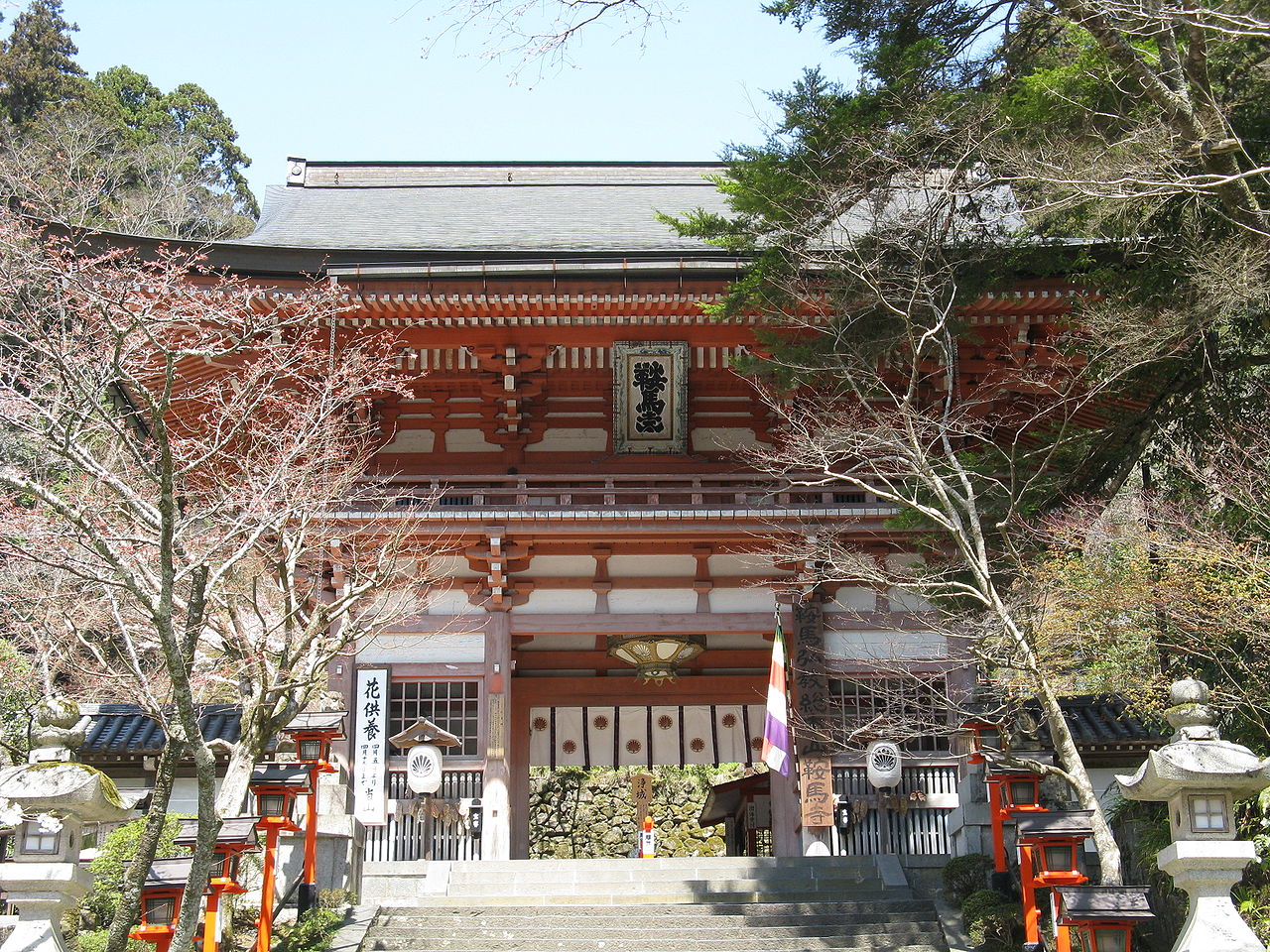
Yuki Shrine is located along the winding path leading up from the main gate of Kurama-dera Temple. Since the path consists of many stone steps, comfortable walking shoes are recommended.
History of Yuki Shrine | From the Tenkei Rebellion to the Present
Founding in 940 and Relocation from the Imperial Palace
The founding of Yuki Shrine dates back to September 9, 940 (Tenkei 3). In that year, the so-called “Tenkei Rebellion,” including the rebellions of Taira no Masakado and Fujiwara no Sumitomo, broke out, and the imperial court was compelled to pray for the peace and security of the nation.
Emperor Suzaku at the time ordered the relocation of Yuki Daimyojin, which had been enshrined within the Imperial Palace, to Kurama-dera Temple, a key location for protecting the northern part of Kyoto. It is said that a magnificent procession, including an imperial envoy, took place during this relocation. The reenactment of this relocation ceremony is considered the origin of the current “Kurama Fire Festival.”
The Origin of Yukimyojin
There is an interesting history behind why Yuki Shrine came to be called “Yukimyojin.” During times of national emergency or when the emperor was ill, a quiver (yuki), a piece of military equipment, was hung in front of the shrine to pray for peace, giving rise to this nickname.
A quiver is a piece of military equipment used to carry arrows, and it held significant meaning as a symbol of national protection through military force. Because of this custom, the shrine was also called “Yuki Shrine,” and later its name was changed to the current “Yuki Shrine.”
Reconstruction during the Keicho Era and Toyotomi Hideyori
The current shrine building of Yuki Shrine was rebuilt in 1607 (Keicho 12) by Toyotomi Hideyori. Toyotomi Hideyori, inheriting the will of his father Hideyoshi, dedicated himself to the restoration of many temples and shrines in Kyoto. The reconstruction of Yuki Shrine was part of this effort, resulting in the construction of a shrine building that showcased the pinnacle of architectural technology at the time.
This reconstruction completed the Split Worship Hall and the Main Hall, both now designated as Important Cultural Properties of Japan, and they maintain their beautiful appearance even today, more than 400 years later.
Highlights of Yuki Shrine | Important Cultural Properties and Sacred Trees
Split Worship Hall (Important Cultural Property)
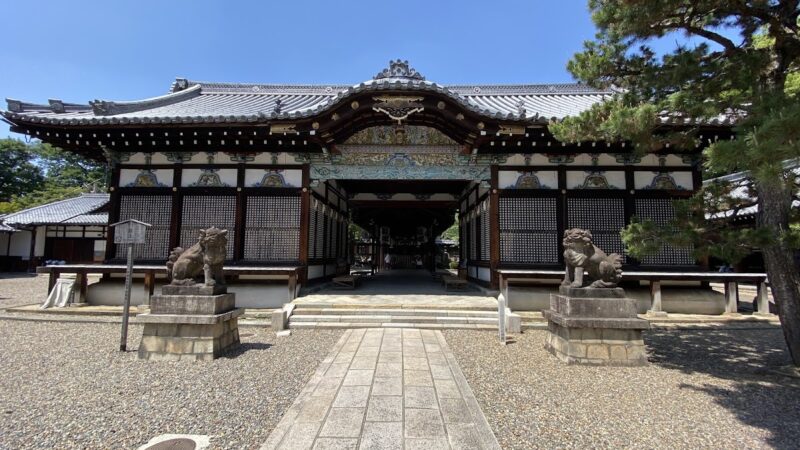
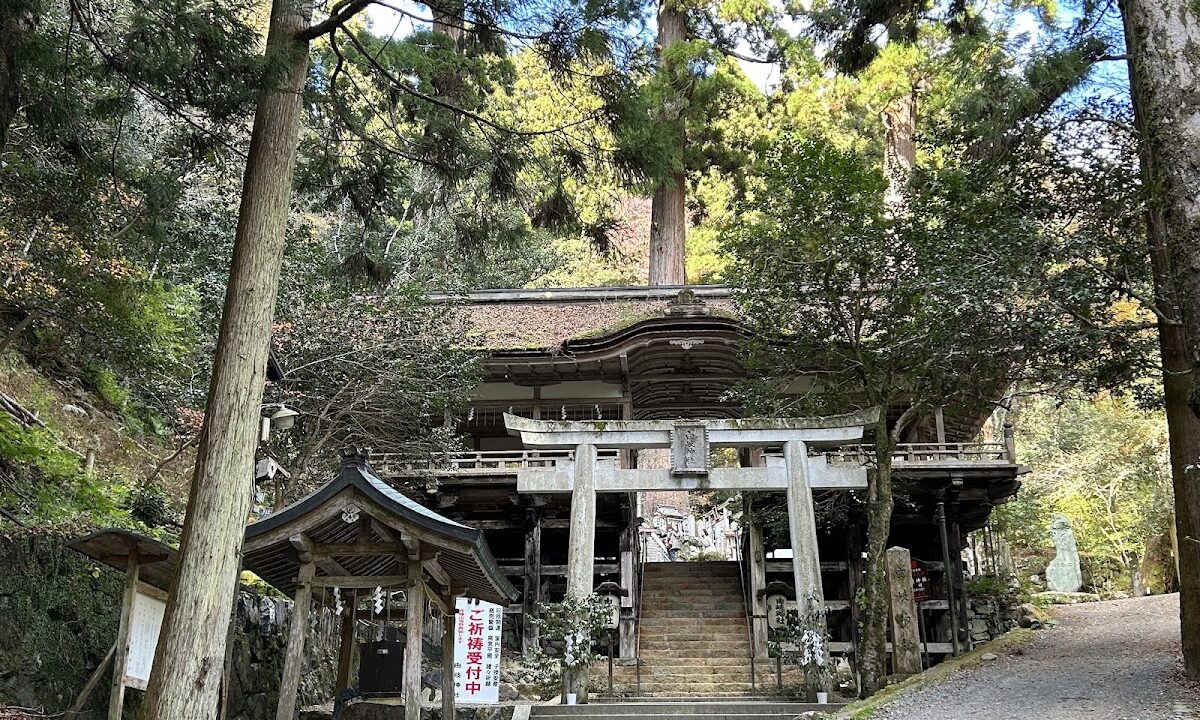
The greatest highlight of Yuki Shrine is the “Split Worship Hall,” designated as an Important Cultural Property of Japan. This is a very rare architectural style, featuring a unique structure with a stone staircase leading through the center of the worship hall.
Constructed during the reconstruction in 1607, this worship hall strongly retains the architectural style of the Momoyama period, exuding a grand yet elegant atmosphere. The symmetrical buildings are arranged on either side of the approach, and worshippers pass between the worship halls to reach the Main Hall.
The split-haiden structure symbolizes the connection between the sacred and secular worlds, visually representing the process of worshippers entering the realm of the gods. The scene, especially when the light shines in at dusk or early morning, is fantastical, making it a popular spot for many photography enthusiasts.
Main Shrine and Stone Komainu
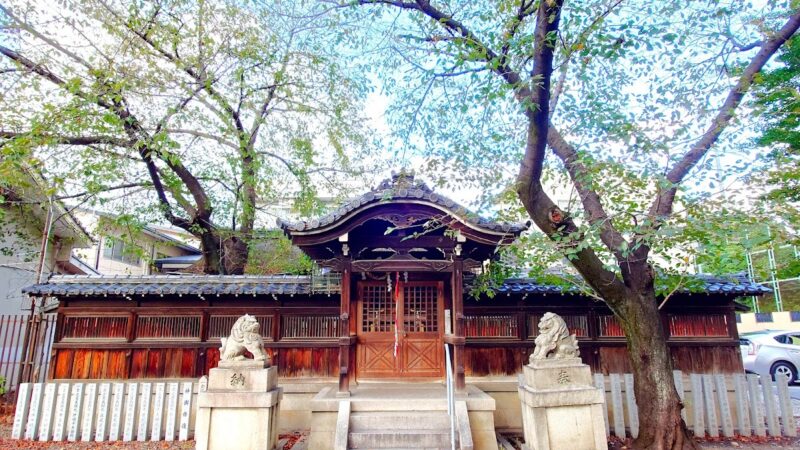
Behind the split-haiden stands the main shrine. Rebuilt in 1607 (Keicho 12), it is designated as an Important Cultural Property. The cypress bark roof and vermilion-painted pillars are beautiful, clearly representing the characteristics of Momoyama period shrine architecture.
In front of the main shrine stands a pair of stone komainu (guardian lion-dogs). These komainu also possess great historical value, welcoming worshippers and enhancing the spiritual atmosphere of the shrine grounds. While the expressions and forms of the komainu have weathered with time, this only adds to their mystical aura.
Osugi Shrine and the 800-Year-Old Sacred Tree
The most impressive feature of the grounds of Yuki Shrine is the gigantic cedar tree, said to be 800 years old. This sacred tree, affectionately known as “Osugi-san,” exudes a spiritual aura throughout the grounds.
Its trunk circumference is approximately 10 meters, and its majestic presence overwhelms visitors. This great cedar, estimated to have been planted between the late Heian period and the Kamakura period, has stood as a living witness to the history of Yuki Shrine, watching over countless worshippers.
At the base of the great cedar is a small shrine called “Osugi-sha,” and the sacred tree itself is an object of worship. Many worshippers wish to benefit from the tree’s vitality, and it is known as a power spot.
Sanbo Kōjin Shrine and Subsidiary Shrines
In addition to the main shrine, several subsidiary shrines are enshrined within the grounds of Yuki Shrine. Of particular note is the “Sanbo Kōjin Shrine,” worshipped as the god of fire and hearths. It has deep ties to the Kurama Fire Festival and attracts devotion from people in professions involving fire.
Furthermore, several small shrines are scattered throughout the grounds, each attracting local devotion. The entire grounds are enveloped in a sacred atmosphere, and even a quiet stroll offers a refreshing experience.
Kurama Fire Festival | One of Japan’s Three Great Unusual Festivals
History and Origin of the Fire Festival
The “Kurama Fire Festival,” held annually on the night of October 22nd, is the annual festival of Yuki Shrine and a magnificent event considered one of Japan’s three great unusual festivals. This festival is said to be a reenactment of the ceremony held in 940 AD when Yuki Daimyōjin was moved from the Imperial Palace to Kurama.
It is said that the procession of Emperor Suzaku’s envoy and his attendants carrying torches to Kurama at that time became the prototype for the current Fire Festival. This festival, with a history of over 1000 years, has been passed down through generations of local people and is still held today, faithfully preserving the original style.
Highlights and Schedule of the Fire Festival
The Fire Festival begins around 6 PM. With the unique chant of “Come to the Shinto ritual!”, torches of various sizes are brought out from each house, engulfing the town of Kurama in flames.
The climax of the festival is the “Shimenawa-kiri” (cutting of the sacred rope) ceremony, where hundreds of torches gather at the bottom of the stone steps of Yuki Shrine. At this time, the shrine grounds are bathed in a brilliant red glow from the torch flames, a truly breathtaking sight. Afterward, the portable shrine is carried in procession, and the festival continues until late into the night.
On the day of the Fire Festival, many spectators come from Kyoto City and throughout Japan, making Kurama the most lively town of the year. However, it gets extremely crowded, so early arrival, warm clothing, and safety precautions are necessary.
Important Points to Note When Visiting the Kurama Fire Festival
There are several points to keep in mind when visiting the Kurama Fire Festival.
- Traffic Restrictions: Large-scale traffic restrictions will be in place around Kurama on the day of the festival. The Eizan Electric Railway will also be extremely crowded, so early travel is recommended.
- Cold Weather Protection: Nights in late October are very cold, so warm clothing is necessary.
- Caution Regarding Sparks: Sparks will fly from the torches, so it is recommended to wear fire-resistant clothing.
- Securing a Viewing Spot: To secure a good viewing spot, you will need to arrive early in the afternoon.
- Manners: This festival has been carefully preserved by the local people. When taking photos or watching the festival, please be considerate of the local residents and avoid causing them any inconvenience.
How to Visit and Pray at Yuki Shrine
Proper Worship Procedures
Worship at Yuki Shrine follows the same procedures as for any other shrine.
- Pay the temple fee (300 yen) at the Niomon Gate of Kurama-dera Temple.
- Climb the path to the Yuki Shrine’s main hall.
- Cleanse your hands and mouth at the purification fountain.
- Bow once in front of the main hall and offer your donation.
- Worship using the two bows, two claps, and one bow ritual.
- Visit the main shrine and subsidiary shrines within the grounds.
- Quietly clasp your hands together in front of the large cedar tree.
Goshuin (Shrine Seal) and Amulets
You can receive a Goshuin (shrine seal) at Yuki Shrine. The Goshuin is given at the Kurama-dera Temple office and features the Yuki Shrine’s seal and calligraphy. You can bring your own Goshuincho (stamp book) or purchase one on site.
Various amulets and talismans are available, and the amulet for protection against fire is particularly popular as a gift befitting a shrine associated with the Fire Festival. Amulets for matchmaking and health and longevity are also sought after by many visitors.
About Prayers
Yuki Shrine accepts various prayers. Prayers for family safety, business prosperity, protection from evil, and recovery from illness are possible. If you wish to request a prayer, it is recommended to inquire by phone in advance.
Especially on October 22nd, the day of the Fire Festival, a special Shinto ritual is performed, and many visitors pray for safety and prosperity throughout the year.
Relationship between Yuki Shrine and Kurama-dera Temple
As the Guardian Shrine of Kurama-dera Temple
Yuki Shrine was founded as the guardian shrine of Kurama-dera Temple. A guardian shrine is a shrine that enshrines the god that protects a temple, and during the era of syncretism of Shinto and Buddhism, many temples had guardian shrines.
Kurama-dera Temple, having previously belonged to the Shingon and Tendai sects, is now the head temple of the independent Kurama Kōkyō sect. However, Yuki Shrine maintains a close relationship with Kurama-dera Temple. Located along the approach to Kurama-dera, many visitors also stop at Yuki Shrine.
A Midpoint on the Winding Approach
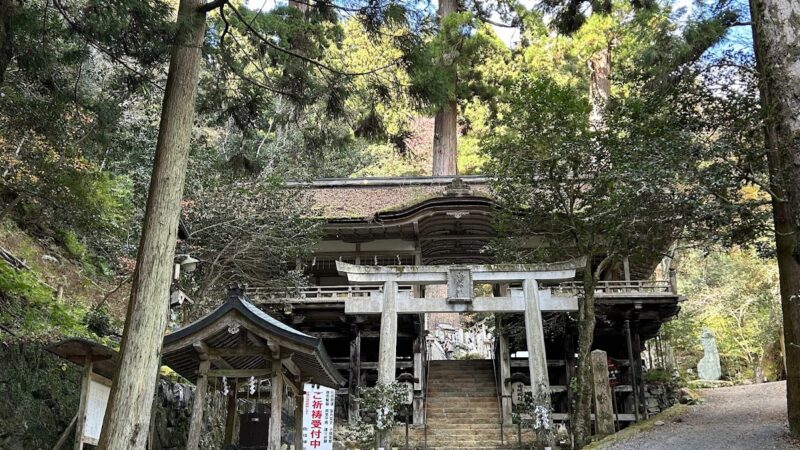
The approach to Kurama-dera Temple, which Sei Shōnagon cited as an example of “things that are near yet far” in her *The Pillow Book*, consists of a series of steep, winding stone steps. Yuki Shrine is located approximately halfway along this approach and plays an important role as a resting place for visitors.
Many visitors can be seen taking a break at Yuki Shrine, calming their minds in front of the large cedar tree, before continuing their climb from the Niomon Gate to the main hall of Kurama-dera Temple. The tranquil atmosphere of the shrine grounds soothes the fatigue of the mountain climb.
Recommended Spots Around Yuki Shrine
Kurama-dera Temple Main Hall (Kondo)
Continuing up the path from Yuki Shrine, you will arrive at the main hall (Kondo) of Kurama-dera Temple. This is the central sacred site of Mount Kurama, where the principal deity, Bishamonten, is enshrined. The Kongo-sho (diamond floor) in front of the main hall is famous as a power spot where cosmic energy gathers.
From the main hall, you can enjoy a panoramic view of Kyoto city, especially during the autumn foliage season, where the scenery is breathtaking. Visiting both Yuki Shrine and Kifune Shrine will allow you to feel a deeper spiritual connection.
Kifune Shrine
Crossing the mountain path from Kurama-dera Temple, you can descend to Kifune. Kifune Shrine is an ancient shrine dedicated to the god of water and is known for its blessings in matchmaking. The mountain course from Kurama to Kifune is also popular as a hike, allowing you to enjoy nature while visiting both sacred sites.
The Kifune area has many ryokan (traditional Japanese inns) where you can enjoy riverside cuisine, and it is bustling with tourists seeking respite from the heat in the summer. At long-established ryokan (traditional Japanese inns) such as “Kibune Kiraku” and “Kibune Fujiya,” you can enjoy Kyoto cuisine while overlooking a clear stream.
Kurama Onsen
Near Kurama Station is “Kurama Onsen,” where day trips for bathing are possible. You can soothe your tired body in the hot springs after visiting the temple or hiking. From the open-air bath, you can enjoy views of the natural beauty of Mount Kurama and the scenery of each season.
Recommended Restaurants Around Yuki Shrine
Yoshuro
Located in front of the gate of Kurama Temple, “Yoshuro” is a restaurant serving vegetarian and wild vegetable dishes. The dishes, which utilize the bounty of Kurama’s nature, are perfect for a meal after visiting the temple. Wild vegetable soba noodles and vegetarian bento boxes are particularly popular.
Hyoe Chaya
Near Kurama Station, “Hyoe Chaya” is famous for its dishes using kinome-ni (simmered sansho leaves) and sansho pepper. Kurama is also known as a production area for Japanese pepper, and you can enjoy the unique flavors of this region.
Les Frères Mutou
If you venture a little further towards the Iwakura area, you’ll find a French restaurant called “Les Frères Mutou.” Their French cuisine, using Kyoto ingredients, is perfect for a special occasion.
Recommended Season for Visiting Yuki Shrine
Spring (March-May)
In spring, Kurama Mountain is beautiful with its fresh greenery, and the trees along the approach to the shrine are full of vitality as they bud. The weather is mild, making it the perfect season for hiking. From late April to early May, mountain cherry blossoms and azaleas bloom, enveloping the entire mountain in a vibrant atmosphere.
Summer (June-August)
In summer, Kurama Mountain is covered in deep green, and the temperature is lower and cooler than in the city. However, you will sweat climbing the stone steps of the approach to the shrine, so don’t forget to stay hydrated. In summer, sightseeing plans combining a visit to Yuki Shrine with a meal at a riverside restaurant in Kibune are popular.
Autumn (September-November)
Autumn is the best season to visit Yuki Shrine. The Kurama Fire Festival on October 22nd is a must-see, but it gets very crowded. The autumn foliage season in November is also wonderful, with the leaves along the approach to the shrine rivaling those of famous spots in Kyoto. The autumn leaves around the large cedar tree, in particular, create a magnificent contrast with the sacred tree.
Winter (December-February)
Winter on Mount Kurama is enveloped in silence, and visiting the shrine amidst the snowy landscape is a mystical experience. However, the approach to the shrine can become slippery due to ice and snow, so winter boots and warm clothing are essential. There are fewer visitors, allowing you to slowly enjoy the atmosphere of the shrine.
Yuki Shrine Photo Spots
Front View of the Split Worship Hall
The most popular photo spot at Yuki Shrine is the front view of the Split Worship Hall. The buildings, symmetrically positioned on either side of the central stone staircase, create a beautiful composition, and particularly in the morning light, you can take fantastical photographs.
The Giant Cedar and Shrine
Photographing the 800-year-old giant cedar tree and the shrine together captures the history of Yuki Shrine and the power of nature in a single image. Especially during the autumn foliage season, the contrast between the cedar’s green and the surrounding autumn leaves makes for a beautiful photograph.
View from the Approach
A popular composition is looking up at the shrine from the stone staircase approach. With the stone staircase in the foreground and the shrine in the background, the photograph has a sense of depth.
Night Fire Festival
On October 22nd, the day of the Fire Festival, you can photograph the shrine illuminated by the flames of torches. However, it gets extremely crowded, and using a tripod is difficult. A camera capable of high-sensitivity shooting is necessary.
Estimated Time and Sample Route for Visiting Yuki Shrine
Visiting Yuki Shrine Only (Estimated Time: 30 minutes to 1 hour)
Allow approximately 30 minutes to 1 hour for the round trip from Kurama Station to Yuki Shrine and the visit itself. Including a leisurely stroll through the grounds and quiet time in front of the large cedar tree, about 1 hour is appropriate.
Visiting Kurama-dera Temple and Yuki Shrine Together (Estimated Time: 2 to 3 hours)
If you plan to visit the main hall of Kurama-dera Temple, the round trip should take approximately 2 to 3 hours. We recommend taking a break at Yuki Shrine and slowly ascending the mountain path.
Kurama and Kifune Loop Course (Estimated Time: 4 to 5 hours)
The course crossing the mountain from Kurama-dera Temple to Kifune Shrine is a more serious hike. The route, passing through Yuki Shrine, the main hall of Kurama-dera Temple, and the inner sanctuary before descending to Kifune Shrine, takes approximately 4 to 5 hours. Comfortable walking shoes and carrying drinks are essential.
Summary | Experiencing a Thousand Years of History and Spiritual Energy at Yuki Shrine
Yuki Shrine is an ancient shrine that has protected the Kurama area for over a thousand years since its founding in 940 AD. It possesses a unique charm woven from history and nature, featuring a split worship hall (a designated Important Cultural Property), an 800-year-old cedar tree, and the Kurama Fire Festival, one of Japan’s three great unusual festivals.
Despite its location along the path to Kurama Temple, Yuki Shrine itself is a powerful spiritual spot emitting a strong spiritual energy, attracting many visitors. Standing before the great cedar tree in the quiet grounds and reflecting on the faith passed down for over a thousand years will be a special experience, far removed from everyday life.
Just a short trip from Kyoto city, you can experience such rich nature and history at Yuki Shrine. Be sure to visit and experience its mystical atmosphere. Especially on October 22nd, the day of the Fire Festival, you can witness a magnificent festival that recreates the relocation ceremony from a thousand years ago.
Amidst the ever-changing scenery of Mount Kurama throughout the seasons, Yuki Shrine continues to offer visitors a tranquil space for prayer.