Umenomiya Shrine (Kyoto Prefecture) Complete Guide | History, Deities, Access, and Highlights Explained in Detail
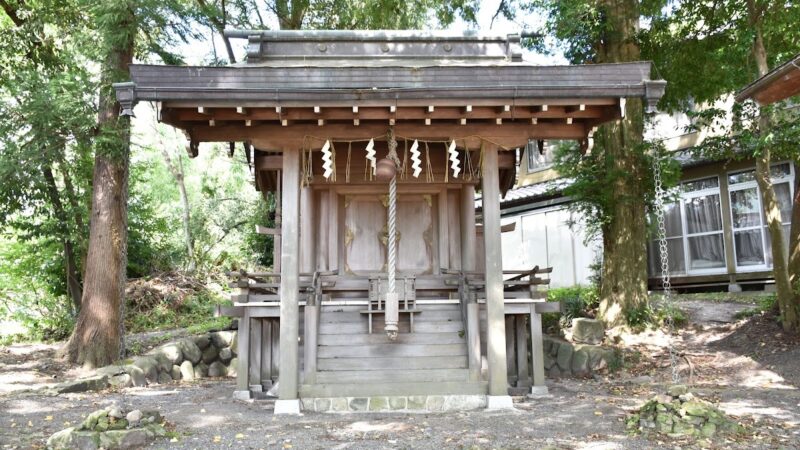
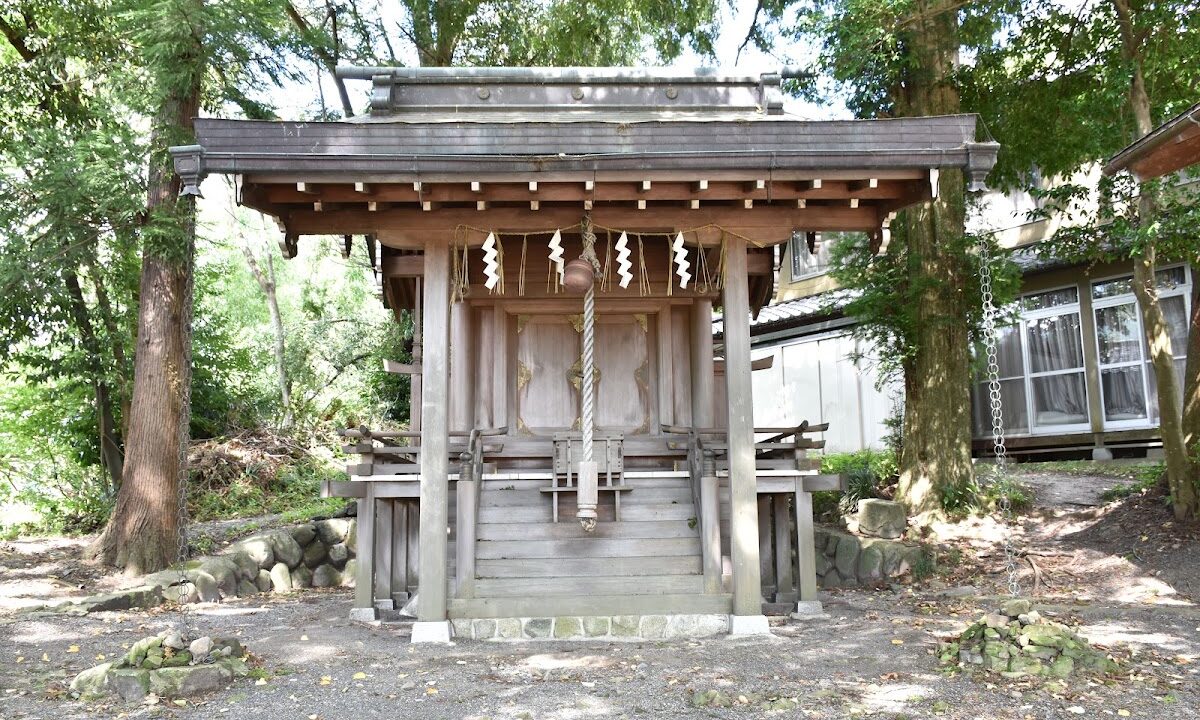
Umenomiya Shrine, located in Sakyo-ku, Kyoto City, Kyoto Prefecture, is a historical shrine deeply rooted in the community. It is revered as a guardian deity of children and has long been a place of worship for local residents. This article provides a detailed explanation of Umenomiya Shrine’s history, enshrined deities, festivals, access methods, and other information you should know before visiting.
What is Umenomiya Shrine?
Umenomiya Shrine is located in Iwakura Nakamachi, Sakyo-ku, Kyoto City, and is also known by the spellings “Umenomiya” and “Umenomiya.” It has long been worshipped in the region as a guardian deity of children, and is particularly bustling with worshippers during its festival on May 5th.
While there are several shrines in Kyoto with “Umenomiya” in their name, this Umenomiya Shrine, located in the Iwakura area of Sakyo-ku, has its own unique history. Umenomiya Shrine is a separate shrine from Umenomiya Taisha Shrine in Ukyo Ward, and both play important roles in their respective communities.
Location and Surrounding Environment
Umenomiya Shrine is located in Iwakura Nakamachi, Sakyo Ward, Kyoto City, in a quiet residential area of Iwakura. The surrounding area is a naturally rich area at the foot of Mount Hiei, known for its long history.
The shrine grounds are cherished as the local guardian shrine, and local people visit regularly for worship. It offers a peaceful atmosphere, away from the hustle and bustle of the city, allowing for a tranquil worship experience.
Deities Enshrined at Umenomiya Shrine
The deities enshrined at Umenomiya Shrine are based on local traditions and beliefs. As they are revered as gods of children, many visitors come to pray for the healthy growth of their children and the peace and well-being of their families.
The shrine’s deities are deeply intertwined with the history and beliefs of the region and have been protected by local people for many years. Even today, it remains a central presence in the local community, with various festivals and events being held.
Faith as a Guardian Deity of Children
Umenomiya Shrine is particularly known as a deity of children, and visits to pray for the health and growth of children are popular. During the festival held on May 5th, coinciding with the Boys’ Festival (Tango no Sekku), a traditional event takes place in which a children’s portable shrine is carried to and from the main shrine, Hase Hachimangu Shrine.
This festival is an important annual event for the children of the region and serves as an opportunity to deepen the bonds of the local community. Carrying the children’s portable shrine also plays a role in passing on local traditions to the next generation.
History of Umenomiya Shrine
The founding date and detailed history of Umenomiya Shrine have been passed down through local traditions. Located in Iwakura, a historically significant area of Kyoto, it is believed to have existed as a center of local faith since ancient times.
The Iwakura area has a history of being a villa area for aristocrats since the Heian period, and many temples and shrines were built there. Umenomiya Shrine, within this historical context, has also attracted worshippers as the local guardian deity.
Connection to the Community
Umenomiya Shrine has had deep ties with the people of the Iwakura region for many years. It plays a central role in local festivals and annual events, and serves as a spiritual anchor for the residents.
In particular, as a place to pray for the healthy growth of children, it has played an important role in life rituals such as the first shrine visit for a newborn and Shichi-Go-San (a traditional rite of passage for children). Even today, local children play at the shrine and participate in festivals, fostering a sense of community.
Festivals and Annual Events
Umenomiya Shrine holds various festivals and events throughout the year. The most important event is the annual grand festival on May 5th.
###### Annual Grand Festival on May 5th
The annual grand festival, held every year on May 5th, coinciding with the Tango no Sekku (Boys’ Festival), is the most important festival of Umenomiya Shrine. On this day, a children’s portable shrine is carried out, and a traditional event takes place where it travels to and from the main shrine, Hase Hachimangu Shrine.
The children’s portable shrine procession is a major local event, with many residents participating. The sight of children carrying the shrine and parading through the community while chanting is a symbolic representation of the region’s traditional culture.
Other Annual Events
Besides the annual festival, Umenomiya Shrine also holds seasonal events such as the New Year’s visit, the Setsubun festival, and the autumn harvest festival. These events are closely intertwined with the daily lives of the local residents, strengthening community bonds through these annual events.
As the guardian deity of the region and a place that receives various wishes in people’s daily lives, Umenomiya Shrine continues to play an important role.
Access Information
This section provides detailed information on how to access Umenomiya Shrine, based on the latest information.
Nearest Station and Line
The nearest station to Umenomiya Shrine is Iwakura Station on the Eizan Electric Railway Eizan Main Line. The shrine is approximately a 10-minute walk from Iwakura Station.
The Eizan Electric Railway connects Kyoto city center with the Hieizan area, and you can board at Demachiyanagi Station. Demachiyanagi Station is also a transfer station for the Keihan Railway, making it easily accessible from various parts of Kyoto city.
Nearest Bus Stop and Route
If using Kyoto City Buses, take the bus route towards Iwakura. The shrine is within walking distance from the nearest bus stop.
For bus schedules and operating status, it is recommended to check the latest information on the Kyoto City Transportation Bureau’s official website. Especially on festival days, congestion is expected, so it’s best to allow ample time for your visit.
Access by Car
If visiting by car, head north on National Route 367 from Kyoto city center towards Iwakura. However, the area around the shrine is residential, and parking spaces may be limited.
On days when congestion is expected, such as festival days, using public transportation is recommended. When actually visiting, it is recommended to check the availability of parking and surrounding traffic conditions in advance.
Related Shrines
This section introduces shrines closely related to Umenomiya Shrine.
Hase Hachimangu Shrine (Main Shrine)
Hase Hachimangu Shrine, the destination of the children’s portable shrine during Umenomiya Shrine’s annual festival, is considered the main shrine in the region. The two shrines have a deep historical connection and a strong bond through their festivals.
Hase Hachimangu Shrine is also a historical shrine located in the Iwakura area, playing an important role as the center of local faith. Visiting Hase Hachimangu Shrine in conjunction with Umenomiya Shrine will allow you to gain a deeper understanding of the local shrine faith.
Differences from Umenomiya Taisha Shrine
In Kyoto, there is another shrine bearing the name “Umenomiya,” Umenomiya Taisha Shrine, located in Ukyo Ward. Umenomiya Taisha Shrine is a highly prestigious shrine known as a Shikinaisha (Myojin Taisha) and one of the Twenty-Two Shrines, boasting a history as the tutelary shrine of the Tachibana clan.
On the other hand, Umenomiya Shrine in Sakyo Ward is a shrine with its own unique history and beliefs as the local guardian deity. Although the names are similar, each shrine plays a different role in a different region, so care should be taken not to confuse them.
Characteristics of Umenomiya Taisha Shrine
Umenomiya Taisha Shrine is located in Umezu, Ukyo Ward, Kyoto City, and is widely worshipped as the god of sake brewing and the god of fertility. The shrine grounds boast a beautiful garden where visitors can enjoy seasonal flowers such as plum blossoms, cherry blossoms, irises, and autumn leaves.
It has also become known as a “cat shrine” due to the large number of cats that inhabit the area, attracting many cat-loving visitors. Its founding is said to date back to before the relocation of the capital to Heian-kyo, making it one of Kyoto’s most historically significant shrines.
The enshrined deities include Saketoke-no-kami, Saketokeko-no-kami, Oyamatsumi-no-kami, and Konohanasakuya-hime-no-mikoto. This shrine is deeply revered by those involved in sake brewing, as it is considered the oldest ancestral shrine of brewing in Japan.
Points for Visiting
Here are some points to keep in mind when visiting Umenomiya Shrine.
Shrine Visiting Manners
Please observe basic shrine visiting manners. Bow once when passing through the torii gate, and avoid walking in the center of the path. Cleanse your hands and mouth at the temizuya (water basin) before proceeding to the main hall.
The basic bowing ritual is “two bows, two claps, one bow.” Place your offering, ring the bell, bow deeply twice, clap twice, and finally bow deeply once.
Regarding Photography
Photography is generally permitted on the shrine grounds, but consideration is needed during festivals and religious ceremonies. Please also be careful not to disturb other visitors.
There are areas where photography is restricted, such as inside the main hall. If you are unsure, it is recommended to check with the shrine office.
Regarding Goshuin (Shrine Seals)
The issuance of Goshuin may vary depending on the shrine office’s opening hours and availability. It is recommended to check in advance or inquire on-site before visiting.
It is important to bring your Goshuincho (seal book) and request respectfully. Remember that Goshuin are proof of your visit, not for collection purposes.
Nearby Attractions
The area surrounding Umenomiya Shrine has many attractions unique to the Iwakura region.
Historical Environment of Iwakura
The Iwakura region has been known as a villa area for aristocrats since the Heian period, and many temples and shrines were built there. This area is historically significant, as it is home to the former residence of Iwakura Tomomi, who lived in seclusion during the late Edo period.
The surrounding area retains the atmosphere of old highways and is dotted with historical buildings, allowing visitors to experience Kyoto’s history while strolling through the area.
Natural Environment
Located at the foot of Mount Hiei, the Iwakura region is blessed with abundant nature. It’s an area where you can enjoy the changing seasons, with particularly beautiful scenery during the cherry blossom season in spring and the autumn foliage season.
Combining a visit to the shrine with a walk through the surrounding nature is highly recommended. You can escape the hustle and bustle of the city and enjoy a peaceful time.
The Role of Umenomiya Shrine in the Region
Umenomiya Shrine plays an important role not only as a place of worship but also as a center of the local community.
Community Hub
The shrine serves as a gathering place for local residents and is a hub for various events and activities. Through festivals, intergenerational exchanges are fostered, strengthening community bonds.
Especially for children, playing at the shrine and participating in festivals provides a valuable opportunity to learn about local history and traditions.
Passing on Traditional Culture
Festival events, including the children’s portable shrine procession on May 5th, play a crucial role in passing on local traditional culture to the next generation. By actually carrying the portable shrine and participating in the festival, children can experience and learn about local history and traditions.
Through these activities, a sense of attachment and pride to the community is fostered, and the sustainability of the community is enhanced.
Points to Note When Visiting
Here are some points to note when visiting Umenomiya Shrine.
Opening Hours
Shrine opening hours may vary depending on the season and day of the week. It is recommended to check the latest information before actually visiting.
Generally, shrines are open for worship from sunrise to sunset, but the reception hours of the shrine office may be limited.
Dress Code
There are no specific dress code requirements for visiting the shrine, but it is desirable to wear clothing that is appropriate for a sacred place. Avoid overly revealing or dirty clothing.
When participating in the festival, comfortable clothing is recommended. Children participating in the children’s portable shrine procession should choose clothing and footwear that prioritizes safety.
Weather Considerations
Kyoto’s climate has distinct seasons, characterized by hot summers and cold winters. Prepare appropriate clothing for the season you are visiting, along with sun protection and warm clothing.
Be careful as the ground can become slippery in rainy weather. When using an umbrella, remember to be considerate of other worshippers.
The Charm of Umenomiya Shrine
The charm of Umenomiya Shrine lies in its simple, community-rooted faith, unlike large-scale tourist shrines.
A Community-Based Shrine
Unlike touristy shrines, this shrine is closely intertwined with the daily lives of local people. Through daily visits and festivals, you can feel the connection between the lives and faith of the people of Kyoto.
This shrine has been carefully preserved by local people, and its warm atmosphere soothes the hearts of visitors. ### A Shrine Watching Over Children’s Growth
Umenomiya Shrine, beloved as a deity of children, has continuously watched over the growth of local children. From their first shrine visit to Shichi-Go-San (a traditional rite of passage for children) and participation in festivals, children grow up alongside the shrine.
This intergenerational connection represents a valuable example of community in modern society.
About the “Umenomiya” Shrines in Kyoto
There are several shrines in Kyoto that bear the name “Umenomiya.” Each shrine has its own unique history and characteristics, so care should be taken to avoid confusion when visiting.
Characteristics of Each Shrine
Umenomiya Shrine in Sakyo Ward is worshipped as the local guardian deity and protector of children. On the other hand, Umenomiya Taisha in Ukyo Ward is a highly prestigious shrine listed in the Engishiki (ancient Japanese legal code), widely known as the god of sake brewing and the god of fertility.
Furthermore, there is also an Umenomiya Shrine in the Ohara area, indicating that there are multiple “Umenomiya” shrines within Kyoto City. Each plays an important role in its respective region, so it’s helpful to understand their individual characteristics when visiting.
Important Notes When Searching
Searching for “Umenomiya Shrine Kyoto” may display multiple shrines. It is important to confirm the location (e.g., Iwakura in Sakyo Ward, Umezu in Ukyo Ward, Ohara in Sakyo Ward) to accurately identify your intended shrine.
When using map apps or navigation, be sure to accurately enter the address or location information to avoid going to the wrong place.
Summary
Umenomiya Shrine (Iwakura, Sakyo Ward, Kyoto City, Kyoto Prefecture) is a historical shrine deeply rooted in the community. It is beloved as a shrine for children, and the procession of children’s portable shrines during the annual festival on May 5th is a particularly important local tradition.
Located about a 10-minute walk from Iwakura Station on the Eizan Electric Railway, it sits in the quiet environment of the Iwakura area. Its charm lies in its simple faith closely tied to the local community, unlike large-scale tourist shrines.
Since there are several shrines in Kyoto with “Umenomiya” in their name, it is important to confirm the location and obtain accurate information when visiting. With the understanding that it is a separate shrine from Umenomiya Taisha in Ukyo Ward, let’s enjoy the unique characteristics of each shrine.
Umenomiya Shrine offers a quiet place to worship while feeling the history and traditions of the region. It is a shrine that we highly recommend for those who want to experience Kyoto’s profound religious culture.