Complete Guide to Tsunashiki Tenmangu Shrine (Kyoto Prefecture) | History, Blessings, and Visiting Information
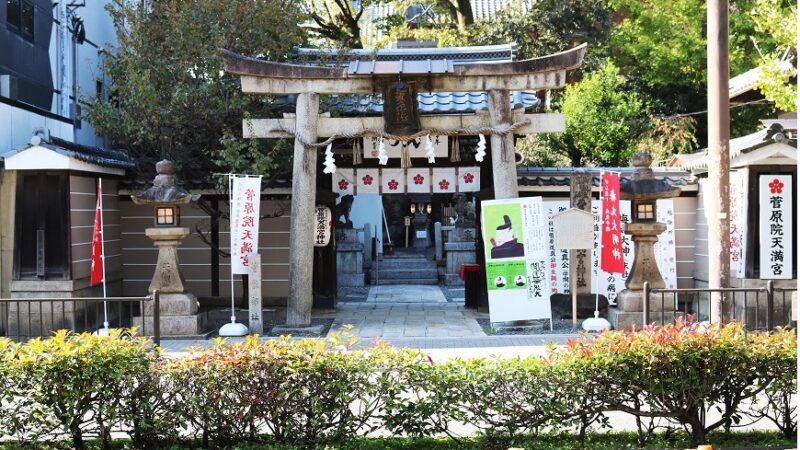
Tsunashiki Tenmangu Shrine, located in Yodo-Mizutare-cho, Fushimi-ku, Kyoto City, Kyoto Prefecture, is a historic shrine dedicated to Sugawara no Michizane, known as the god of learning. As one of the many Tsunashiki Tenmangu shrines scattered throughout Japan, it is a historically significant sacred site with a legend that Michizane stopped there on his way to exile in Dazaifu, and is affectionately known as “Yodo no Tenjin-san” by the local people.
This article comprehensively guides you through all the information you need to know before visiting Tsunashiki Tenmangu Shrine, including its history, enshrined deities and blessings, highlights within the grounds, visiting hours, and access methods.
History and Origins of Tsunashiki Tenmangu Shrine
Sugawara no Michizane and the Tsunashiki Legend
The name of Tsunashiki Tenmangu Shrine originates from a striking legend concerning Sugawara no Michizane. In 901 AD, on his way to exile in Dazaifu due to a crime he did not commit, Michizane stopped in Yodo. It is said that local fishermen laid out ropes from their boats in a circular shape to provide a resting place for him.
This anecdote of “laying out ropes” gave rise to the name “Tsunashiki Tenmangu,” and similar Tsunashiki Tenmangu shrines with similar legends are scattered throughout the area along the route from Kyoto to Dazaifu in Kyushu. In Kyoto Prefecture, this shrine located in Yodo, Fushimi Ward, is registered as a religious corporation under the name “Tsunashiki Tenmangu Shrine.”
History of Founding and Development
While there are various theories regarding the exact founding date of Tsunashiki Tenmangu Shrine, it is generally believed to have been established after the death of Sugawara no Michizane by people who admired him, in order to comfort his spirit. From the late Heian period to the Kamakura period, as the worship of Michizane spread throughout Japan, the shrine developed as a center of Tenmangu worship in the Yodo area.
Yodo has long flourished as a key point for water transport along the Yodo River system and was also a vital transportation hub connecting Kyoto and Osaka. Therefore, it has played an important role as a place where many people visited to pray for academic success and safe travels.
Development in Modern Times
Following the Meiji-era separation of Shinto and Buddhism, many shrines were reorganized, and Tsunashiki Tenmangu Shrine was also restructured under the modern shrine system. It survived the war damage during the Showa era and has been continuously preserved as a center of local faith. Even in the modern Reiwa era, it continues to attract the faith of many students, students, and local residents as the god of learning.
Deity and Blessings
Main Deity: Sugawara no Michizane
The main deity of Tsunashiki Tenmangu Shrine is Sugawara no Michizane, revered as Tenman Daishin. Michizane displayed exceptional talent as a scholar and politician during the Heian period, rising to the position of Minister of the Right. However, due to slander from political enemies, he was demoted and exiled to Dazaifu, where he died in 903 AD.
After his death, a series of strange occurrences in Kyoto led to fears of Michizane’s vengeful spirit, and he eventually came to be worshipped as Tenjin. Over time, Michizane’s academic achievements during his lifetime were re-evaluated, and he came to be worshipped nationwide as the “god of learning.”
Benefits of Tsunashiki Tenmangu Shrine
Tsunashiki Tenmangu Shrine is believed to offer the following benefits:
Academic Success and Passing Exams
By drawing on the outstanding academic talent of Sugawara no Michizane, the shrine is believed to grant blessings for passing exams, improving academic performance, and passing qualification exams. Many students and their parents visit the shrine during exam season.
Wisdom and Talent Development
The shrine is also revered by worshippers seeking improvement in wisdom and talent in all fields, not just academics.
Protection from Misfortune and Disaster
Tenjin worship also has an aspect of protection from misfortune, and the shrine is believed to offer blessings for protection from various disasters.
Sincerity
By drawing on the sincerity that Sugawara no Michizane maintained throughout his life, the shrine is also believed to grant blessings for cultivating an honest and sincere heart.
Shrine Grounds Guide and Highlights
Main Hall and Worship Hall
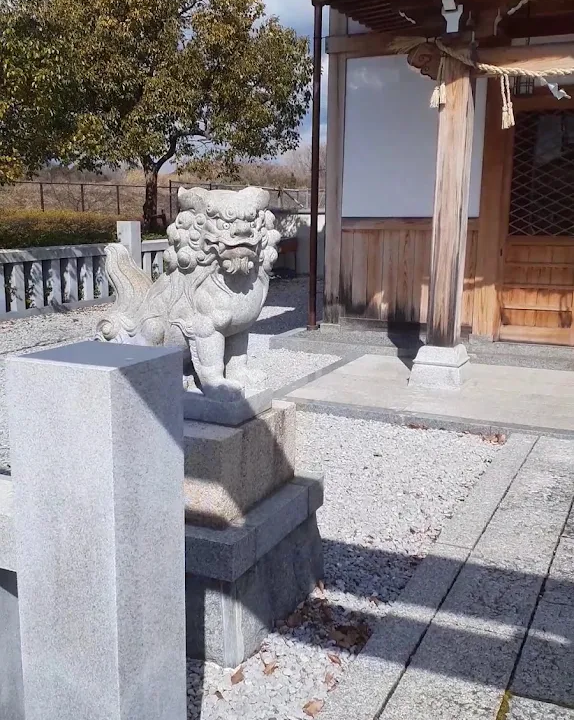
The main hall of Tsunashiki Tenmangu Shrine is built in the traditional style of shrine architecture and enshrines the spirit of Sugawara no Michizane. In the worship hall, worshippers offer prayers for academic success, family safety, and other blessings.
When praying, please follow the proper etiquette of two bows, two claps, and one bow. Especially during exam season, many ema (votive tablets) praying for success are offered, creating a scene filled with the earnest wishes of students.
Plum Blossoms and Nature on the Shrine Grounds
Plum blossoms are a symbol of Tenmangu shrines. Because Sugawara no Michizane loved plum blossoms, plum trees are planted at Tenmangu shrines throughout Japan, and Tsunashiki Tenmangu Shrine is no exception. In early spring, plum blossoms bloom profusely on the shrine grounds, delighting the eyes of worshippers.
Enjoying the fragrance of plum blossoms while recalling Sugawara no Michizane’s famous waka poem, “When the east wind blows, send forth your fragrance, O plum blossoms, do not forget spring, even though your master is absent,” is one of the great pleasures of visiting Tenmangu Shrine.
Sacred Ox
The sacred ox (goshingyu) found in many Tenmangu shrines symbolizes the deep connection between Sugawara no Michizane and oxen. Michizane is said to have been born in the Year of the Ox, and there is a legend that when he died in Dazaifu, he was buried in the place where the ox-drawn cart carrying his remains became immobile.
There is a legend that stroking the sacred ox will cure illnesses in that part of the body or bestow wisdom, and many worshippers stroke its head.
Ema Hanging Area
Within the shrine grounds, there is an ema hanging area where many ema for academic success and passing exams are dedicated. Seeing the votive ema (wooden plaques) filled with the earnest wishes of students preparing for exams, one can truly feel the depth of their faith in the god of learning.
Visiting Hours and Prayers
Visiting Hours
While Tsunashiki Tenmangu Shrine is generally open for worship from sunrise to sunset, the grounds themselves may be open 24 hours. However, the shrine office has limited hours, so it is recommended to check in advance if you wish to receive a goshuin (shrine stamp) or amulet.
General shrine office hours: 9:00 AM to around 5:00 PM (may vary depending on the shrine)
Prayers
Tsunashiki Tenmangu Shrine accepts various types of prayers. The main types of prayers are as follows:
- Academic success/Passing exams
- Family safety
- Protection from evil
- Traffic safety
- Business prosperity
- Recovery from illness
If you wish to receive a prayer, it is recommended to contact the shrine in advance to make a reservation. Especially during exam season and the New Year’s visit period, crowds are expected, so it’s necessary to plan ahead.
About Goshuin (Shrine Seals)
Collecting Goshuin has become popular in recent years, and you can also receive them at Tsunashiki Tenmangu Shrine. Goshuin are proof of your visit and a way to preserve your connection with the gods. Bring your Goshuincho (seal book) and politely request one at the shrine office.
The offering fee for a Goshuin is usually around 300 to 500 yen.
Annual Events and Rituals
Main Annual Events
Tsunashiki Tenmangu Shrine holds various rituals and events throughout the year.
New Year’s Visit (January 1st-3rd)
The shrine is bustling with many worshippers praying for happiness in the new year.
Plum Blossom Festival (February or March)
Around February 25th, the anniversary of Sugawara no Michizane’s death, a festival is held to commemorate him while admiring the plum blossoms.
Tenjin Festival (June or July)
As the grand summer festival of Tenmangu Shrine, a community-wide celebration is sometimes held.
Academic Success Prayer Festival (Exam Season)
During exam season, a special prayer festival for success is held, attended by many students.
For specific dates and details, please contact the shrine directly or check the official information.
Access and Parking
Location
Tsunashiki Tenmangu Shrine
613-0904 Yodo-Mizutare-cho, Fushimi-ku, Kyoto City, Kyoto Prefecture
Access by Train
The Yodo area of Fushimi-ku, Kyoto City, is located south of central Kyoto and has good access to Osaka.
If using Keihan Railway
- Get off at Yodo Station on the Keihan Main Line, then walk for approximately 10-15 minutes.
If using JR
- Take a bus or taxi from Nagaokakyo Station or Katsuragawa Station on the JR Kyoto Line.
From Kyoto Station, you will need to transfer to the Keihan Railway, but access from major tourist spots in Kyoto City is relatively easy.
Access by Car and Parking
If using a car
- Approximately 15 minutes from Kyoto Minami IC on the Meishin Expressway
- Approximately 10 minutes from Oguraike IC on the Daini Keihan Expressway
Regarding Parking
Parking may be available for visitors within the shrine grounds or nearby, but spaces are limited, so we recommend using public transportation during New Year’s visits and festivals. Please inquire with the shrine in advance regarding parking availability and fees.
Nearby Tourist Spots
Fushimi Ward in Kyoto City, where Tsunashiki Tenmangu Shrine is located, is a region rich in history and culture. When visiting the shrine, why not also explore the surrounding tourist attractions?
Fushimi Inari Taisha Shrine
The head shrine of approximately 30,000 Inari shrines nationwide. A representative Kyoto tourist attraction famous for its thousands of torii gates. It’s about a 20-minute train ride from Tsunashiki Tenmangu Shrine.
Fushimi Sake Brewery District
Fushimi is known as one of Japan’s leading sake-producing regions, with many famous sake breweries such as Gekkeikan and Kizakura. Brewery tours and sake tasting experiences are available.
Yodo Castle Ruins Park
A park developed on the site of Yodo Castle from the Edo period. It’s also known as a famous cherry blossom viewing spot in spring.
Iwashimizu Hachimangu Shrine
One of Japan’s three major Hachiman shrines, located in Yawata City, Kyoto Prefecture. Situated on the summit of Mt. Otokoyama, it is revered as a center of faith in southern Kyoto.
Comparison with Other Tenmangu Shrines in Kyoto Prefecture
Besides Tsunashiki Tenmangu Shrine, several other famous Tenmangu shrines are located in Kyoto Prefecture. Each has its own unique characteristics and is worth visiting.
Kitano Tenmangu Shrine
Located in Kamigyo-ku, Kyoto City, this is the head shrine of all Tenmangu shrines nationwide. Affectionately known as “Tenjin-san,” it is famous for its plum blossoms and autumn leaves. It boasts numerous attractions, including the National Treasure main hall and the historical site of the Odoi (earthen embankment) associated with Toyotomi Hideyoshi.
Nagaoka Tenmangu Shrine
Located in Nagaokakyo City, Kyoto Prefecture, this is a place deeply connected to Sugawara no Michizane, where he enjoyed poetry, music, and dance with Ariwara no Narihira. It is known as a famous spot for Kirishima azaleas.
Sugawara-in Tenmangu Shrine
Located on Karasuma-dori in Kamigyo-ku, Kyoto City, this is a sacred site believed to be the birthplace of Sugawara no Michizane. Affectionately known as “Karasuma no Tenjin-san.”
Nishiki Tenmangu Shrine
Located at the eastern end of Nishiki Market in Nakagyo Ward, Kyoto City, this shrine is the guardian deity of the bustling commercial district. Known as “Nishiki no Tenjin-san,” it is famous for its blessings of business prosperity.
Compared to these Tenmangu shrines, Tsunashiki Tenmangu Shrine is situated in Yodo, slightly away from the center of Kyoto City, offering a quiet environment for worship. Because it’s not a tourist destination, you can feel the atmosphere of a place of faith deeply rooted in the community.
Manners and Precautions When Visiting
Basic Worship Etiquette
There are manners to observe when visiting a shrine. Please observe the following basics and pray respectfully.
- Bow Before Passing Through the Torii Gate
As a sign of respect before entering the sacred area, bow before the torii gate.
- Purify at the Water Basin
Purify your hands and mouth at the water basin beside the approach to the shrine. Cleanse your left hand, then your right hand, then your mouth, and finally your left hand.
- Avoid walking in the center of the approach to the shrine.
The center of the approach is considered the path of the gods, so it is polite to walk along the sides.
- Etiquette at the main hall.
Place your offering, ring the bell, and pray using the two bows, two claps, and one bow ritual.
Regarding photography
Photography is generally permitted within the shrine grounds, but photography inside the main hall or during religious ceremonies may be prohibited. Please check before taking photos and be considerate of other worshippers.
Regarding attire
Casual attire is acceptable for worship, but if you are receiving a prayer, somewhat formal attire is preferable. It is best to avoid revealing clothing and sandals.
Summary: The Charm of Tsunashiki Tenmangu Shrine
Located in Fushimi Ward, Kyoto City, Kyoto Prefecture, Tsunashiki Tenmangu Shrine is a historically significant sacred site where Sugawara no Michizane stopped on his way to exile in Dazaifu. It boasts a striking legend of resting on a rope laid out, and has long been revered by local people as the god of learning.
While smaller in scale compared to large Tenmangu shrines like Kitano Tenmangu or Nagaoka Tenmangu, its charm lies in the peaceful environment where one can offer heartfelt prayers. It’s a shrine worth visiting not only for students praying for success in exams, but also for anyone wishing for academic and intellectual advancement.
If you have the opportunity to visit Kyoto or the Fushimi area, be sure to stop by Tsunashiki Tenmangu Shrine. The time spent in quiet prayer, feeling the blessings of Sugawara no Michizane, will surely be meaningful.
Tsunashiki Tenmangu Shrine has attracted the faith of people for over a thousand years in the Yodo area. Why not take some time to appreciate its history and traditions while offering prayers for academic success or the fulfillment of your wishes?