
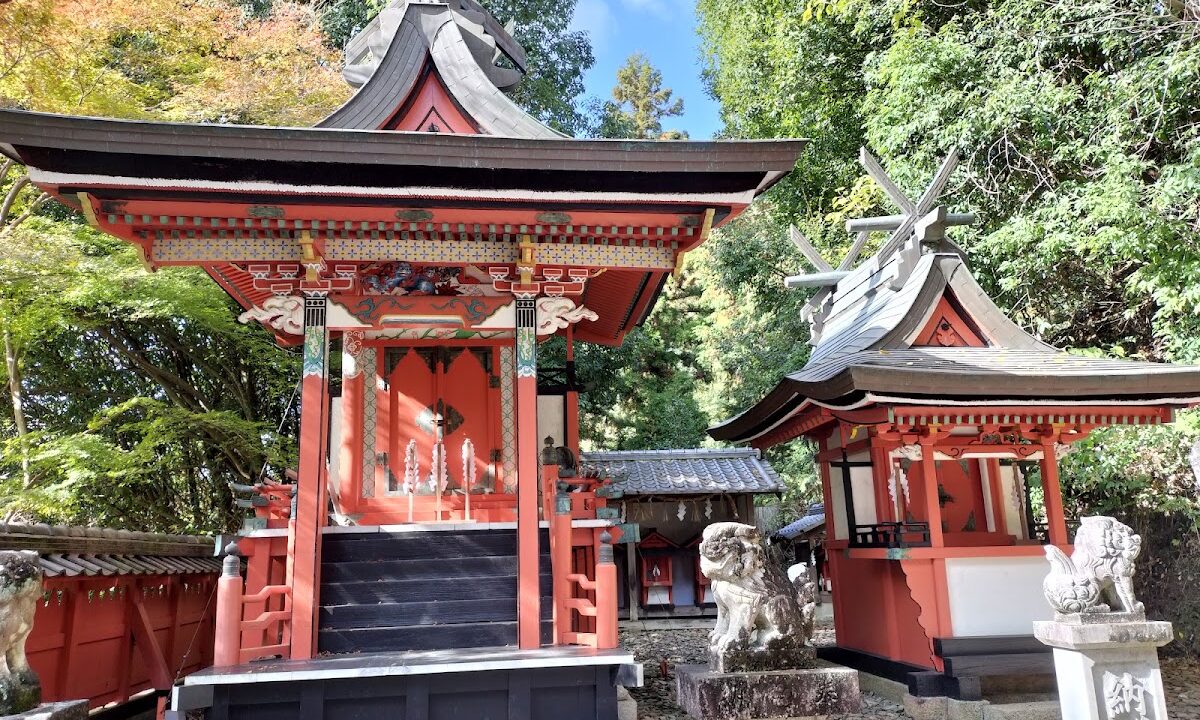
Complete Guide to the Three Shrines (Kyoto Prefecture) | Thorough Explanation of History, Deities, and Access Information
Kyoto Prefecture has several shrines with similar names, such as “Three Shrines,” “Sannomiya Shrine,” “Sannomiya Shrine,” and “Sannomiya Shrine.” These are not mere coincidences, but are deeply connected to Kyoto’s history dating back to ancient times. This article comprehensively explains the historical background, enshrined deities, blessings, and access methods for the major “Three Shrines” in Kyoto Prefecture.
What are “Three Shrines” in Kyoto Prefecture?
The term “Three Shrines” can refer to multiple shrines within Kyoto Prefecture, and its meaning varies depending on the context. Generally, it often refers to the following group of shrines:
Classification of Major “Sannomiya” Shrines
Within Kyoto Prefecture, there are mainly the following shrines that bear the names “Sannomiya,” “Sannomiya,” or “Sannomiya”:
- Sannomiya Shrine (Katsura Tokudaiji-cho, Nishikyo-ku) – An ancient shrine known as the tutelary shrine of the Tachibana clan
- Sannomiya Shrine (Kashihara Sugihara-cho, Nishikyo-ku) – Also known as Kashihara Sannomiya Shrine
- Sannomiya Shrine (Kawashima Tamagashira-cho, Nishikyo-ku) – Dedicated to Ugayafukiaezu-no-Mikoto
- Sannomiya Shrine (Nishikyogoku Kitaura-cho, Ukyo-ku) – An outlying subsidiary shrine of Matsuo Taisha
- Sannomiya Shrine (Higashino Hattanbata-cho, Yamashina-ku) – An ancient shrine in the Yamashina area
- Mishima Shrine (Higashiyama-ku) – These shrines, established by Emperor Go-Shirakawa, share the name “Sannomiya” (Third Shrine), but each has a different enshrined deity and history.
Detailed Information on Sannomiya Shrine (Katsura Tokudaiji-cho, Nishikyo-ku)
Basic Information
Location: 1 Katsura Tokudaiji-cho, Nishikyo-ku, Kyoto City, Kyoto Prefecture
Nearest Station: Approximately 10 minutes on foot from Nishikyogoku Station on the Hankyu Kyoto Line
Shrine Rank: Former Village Shrine
Deities and Divine Virtues
The main deities enshrined at Sannomiya Shrine are the following three:
- Sakatoke-no-kami: Considered another name for Oyamatsumi-no-kami, worshipped as the god of sake brewing
- Oyamakui-no-kami: Known as the god of mountains and agriculture
- Tamayorihime-no-kami: Mother goddess of Emperor Jimmu
Within the shrine grounds is Munakata Shrine, which enshrines Takirihime-no-kami.
Historical Background and Relationship with the Tachibana Clan
Saketoki-no-kami is another name for Oyamatsumi-no-kami and has been worshipped as the god of sake brewing since ancient times. This shrine is particularly known as the tutelary shrine of the Tachibana clan, and has a history of attracting the faith of the Tachibana family since the Heian period.
The Tachibana clan was a prosperous clan from the Nara period to the Heian period, and held power in this region. Sannomiya Shrine, which the Tachibana clan worshipped as their tutelary shrine and protected for generations, occupies an important position in the history of Kyoto.
Benefits
- Prosperity in Sake Brewing: Deeply revered by sake brewers due to the enshrinement of Sakazuki-no-kami (the god of sake brewing)
- Family Safety
- Abundant Harvest: Protection of agriculture through the divine virtues of Oyamakui-no-kami
- Prayer for Safe Childbirth: Divine virtues of Tamayorihime-no-kami
Detailed Information on Kashihara Sannomiya Shrine (Kashihara, Nishikyo-ku)
Basic Information
Location: 12-1 Kashihara Sugihara-cho, Nishikyo-ku, Kyoto City, Kyoto Prefecture
Nearest Station: Approximately 15 minutes on foot from Hankyu Kyoto Line “Katsura Station”
Shrine Rank: Former Village Shrine
Common Name: Kashihara Shrine
Deities Enshrined
- Sakazuki-no-kami
- Oyamakui-no-kami
- Susanoo-no-Mikoto
Kashihara Sannomiya Shrine also enshrines Sakatoke-no-Kami and Oyamakui-no-Kami, but here Susanoo-no-Mikoto is also enshrined. Susanoo-no-Mikoto is widely worshipped as a god of protection against misfortune.
Goshuin (Shrine Seal) Information
You can receive a Goshuin at Kashihara Sannomiya Shrine. Many visitors come to obtain a Goshuin as a memento of their visit and as proof of their shrine pilgrimage.
Connection to the Community
As the guardian deity of the Kashihara region, it is deeply revered by the local residents. The autumn festival is a community-wide celebration, and traditional Shinto rituals are still passed down today.
Detailed Information on Sannomiya Shrine (Kawashima, Nishikyo-ku)
Basic Information
Location: 61 Kawashima Tamagashira-cho, Nishikyo-ku, Kyoto City, Kyoto Prefecture
Nearest Station: Approximately 6 minutes on foot from Katsura Station on the Hankyu Kyoto Line
Shrine Rank: Formerly Designated Shrine
Deity Enshrined
- Ugayafukiaezu-no-Mikoto
Ugayafukiaezu-no-Mikoto is an important deity who is the father of Emperor Jimmu. In Japanese mythology, he is known as the god born in the palace of the sea god and who fathered Emperor Jimmu.
Accessibility
Located in a convenient location just a 6-minute walk from Katsura Station, it is one of the more easily accessible “Sannomiya” shrines in Kyoto City.
Relationship between Sannomiya Shrine (Nishikyogoku, Ukyo-ku) and Matsuo Taisha Shrine
Basic Information
Location: Nishikyogoku Kitaura-cho, Ukyo-ku, Kyoto City, Kyoto Prefecture
Alternate Names: Matsuo Sannomiya Shrine, Sannomiya Shrine, Sannomiya Shrine
Role as an Outlying Subsidiary Shrine of Matsuo Taisha Shrine
Sannomiya Shrine holds an important position as an outlying subsidiary shrine of Matsuo Taisha Shrine. Matsuo Taisha Shrine is one of the oldest shrines in Kyoto and is a historically significant shrine said to have been founded by the Hata clan.
Connection to the Matsuo Festival
During the Matsuo Festival held annually from April to May, it serves as the Otabisho (temporary shrine) for Sannomiya Shrine, one of the seven Matsuo shrines within the grounds of Matsuo Taisha Shrine. It plays an indispensable role in the festival as an important base for the procession of the portable shrine.
The Hata Clan and Matsuo Taisha Shrine
Matsuo Taisha Shrine is known as a shrine founded by the Hata clan, a powerful ancient clan. The Hata clan was a clan of immigrant origin, excelling in sericulture, weaving, and civil engineering, and greatly contributing to the development of the western Kyoto Basin.
The deity enshrined at Matsuo Taisha Shrine, Oyamakui-no-kami, is said to have ruled over the area from Mount Hiei in Omi Province to Mount Matsuo and the western Kyoto Basin. As the great rulers of this region, the Hata clan controlled Mount Matsuo and its foothills, and revered Matsuo Taisha Shrine as their tutelary deity.
Detailed Information on Sannomiya Shrine (Yamashina Ward)
Basic Information
Location: 60 Higashino Hattanbata-cho, Yamashina Ward, Kyoto City, Kyoto Prefecture
Nearest Station: Approximately 14-minute walk from Nagitsuji Station on the Tozai Subway Line
Deity Enshrined
- Ugayafukiaezu-no-Mikoto
This shrine enshrines the same deity as Sannomiya Shrine in Kawashima, Nishikyo Ward.
History of the Yamashina Area
The Yamashina area has flourished as a transportation hub since ancient times, and many temples and shrines are scattered throughout. Sannomiya Shrine is one of the important shrines that tells the history of Yamashina.
Characteristics of Mishima Shrine (Higashiyama Ward)
Basic Information
Location: Higashiyama Ward, Kyoto City, Kyoto Prefecture
Main Deities: Oyamatsumi-no-Okami, Amatsuhidaka-Hikohoninigi-no-Mikoto, Konohanasakuya-hime-no-Mikoto
Establishment by Emperor Go-Shirakawa
Mishima Shrine is said to have originated in the late Heian period when Emperor Go-Shirakawa invited the deities from Mishima Kamo Shrine in Settsu Province to this location and constructed the shrine buildings. It is a prestigious shrine with a history of being established by the Emperor himself.
Characteristics of the Deities
Oyamatsumi-no-Okami is considered the supreme deity of mountains, Amatsuhidaka-Hikohoninigi-no-Mikoto is the main character in the descent of the heavenly grandchild, and Konohanasakuya-hime-no-Mikoto is known as the goddess of beauty and cherry blossoms. This combination of three deities symbolizes mountain worship and the authority of the Imperial family.
Regarding the designation “Sanjingu”
Caution regarding confusion with Heian Jingu
When searching for “Sanjingu” on the internet, information about Heian Jingu and Shin-Hiyoshi Jingu may appear. This is because “Sanjingu” is not an established proper noun referring to a specific group of shrines.
Heian Jingu is located in Sakyo-ku, Kyoto City, Kyoto Prefecture. It is a shrine dedicated to Emperor Kanmu and Emperor Komei, and was founded in 1895 (Meiji 28) to commemorate the 1100th anniversary of the transfer of the capital to Heian-kyo.
Distinguishing between “Sannomiya,” “Sannomiya,” and “Sannomiya”
Within Kyoto Prefecture, the spellings “Sannomiya,” “Sannomiya,” and “Sannomiya” are used interchangeably. This is due to historical circumstances and regional differences in spelling. Basically, they have the same meaning and are often considered to mean “the third shrine.”
How to Access Each Shrine
Access by Public Transportation
Sannomiya Shrine (Katsura Tokudaiji-cho)
- Get off at Nishikyogoku Station on the Hankyu Kyoto Line, approximately 10 minutes on foot
- Get off at Kawashima Sannomiya-cho bus stop on the city bus, approximately 5 minutes on foot
Kashihara Sannomiya Shrine
- Get off at Katsura Station on the Hankyu Kyoto Line, approximately 15 minutes on foot
- Get off at Kashihara bus stop on the city bus, approximately 5 minutes on foot
Sannomiya Shrine (Kawashima)
- Get off at Katsura Station on the Hankyu Kyoto Line, approximately 6 minutes on foot
Sannomiya Shrine (Nishikyogoku)
- Get off at Nishikyogoku Station on the Hankyu Kyoto Line, approximately 8 minutes on foot
Sannomiya Shrine (Yamashina)
- Get off at Nagitsuji Station on the Tozai Subway Line, approximately 14 minutes on foot
Access by Car
Many shrines have limited parking, so we recommend using public transportation. When visiting, we recommend using nearby coin-operated parking lots or contacting the shrine in advance.
Points to Note and Manners When Visiting a Shrine
Basic Manners for Visiting a Shrine
- Bow before passing through the torii gate: This is a courtesy when entering the sacred area.
- Purify yourself at the water basin: Purify your left hand, right hand, and mouth in that order.
- Two bows, two claps, one bow: This is the general way to worship at a shrine.
- Worship in silence: Many shrines are located near residential areas, so please be considerate of noise.
Manners When Receiving a Goshuin (Shrine Stamp)
- Prepare a goshuincho (stamp book) (some shrines only offer pre-printed stamps).
- Receive the stamp after your visit.
- Prepare a donation (generally around 300-500 yen).
- It is recommended to check in advance, as the chief priest or other Shinto priests may be absent.
Nearby Tourist Spots
Matsuo Taisha Shrine
Matsuo Taisha Shrine, which has deep ties to Sannomiya Shrine (Nishikyogoku), is one of Kyoto’s oldest shrines. As the god of sake brewing, it is revered by sake brewers nationwide, and sake barrels donated by those involved in sake brewing line the shrine grounds. The beautiful garden is also a highlight.
Katsura Imperial Villa
When visiting Sannomiya Shrine near Katsura Station, it’s also worth visiting Katsura Imperial Villa, known as a masterpiece of Japanese gardens (reservations required).
Nishikyogoku Sports Park
Nishikyogoku Sports Park, the home stadium of Kyoto Sanga F.C., is located near Nishikyogoku Station, allowing you to combine sports viewing with shrine visits.
Annual Events and Festivals
Grand Festivals
Many shrines hold their grand festivals in the autumn, featuring traditional ceremonies in which local residents participate. You can experience local culture through events such as portable shrine processions and dedication ceremonies.
Matsuo Festival (Sannomiya Shrine, Nishikyogoku)
During the Matsuo Festival, held annually from April to May, Sannomiya Shrine plays an important role as the temporary shrine for the portable shrine. The procession of the portable shrine is a spectacular sight, attracting many spectators.
Historical Significance of Kyoto’s “Sannomiya” Faith
Ancient Clans and Shrines
Sannomiya shrines in Kyoto Prefecture have deep connections to powerful ancient clans such as the Tachibana and Hata clans. The history of these clans establishing and maintaining shrines as their tutelary deities tells the very story of Kyoto’s origins.
Centers of Local Communities
Even today, these shrines function as spiritual centers of local communities. Through festivals and cleaning activities, they serve as places to deepen the bonds among local residents.
Summary
The “Three Shrines” and “Sannomiya Shrines” in Kyoto Prefecture each have their own unique history and enshrined deities, attracting deeply rooted local faith. Many of these shrines enshrine Saketoki-no-kami and Oyamakui-no-kami, and are deeply connected to sake brewing, agriculture, and mountain worship.
These shrines are important for understanding Kyoto’s history, due to their connections to ancient clans such as the Tachibana and Hata clans, and their relationship with Matsuo Taisha Shrine. Visiting these shrines, scattered mainly in Nishikyo Ward, will allow you to experience Kyoto’s profound history and culture.
When visiting, deepening your understanding of the history and enshrined deities of each shrine will make the experience more fulfilling. Please visit them as part of your shrine-visiting or goshuin (shrine stamp) collection, or as part of your Kyoto history exploration.



