Amaterasu Mikado Shrine (Kyoto Prefecture) Complete Guide | History, Benefits, Access, and Visiting Information
Amaterasu Mikado Shrine, located in Kyoto Prefecture, has long been a beloved shrine that attracts the faith of the local community. This article provides detailed information you should know before visiting, including the history of Amaterasu Mikado Shrine, its enshrined deities, benefits, highlights of the grounds, annual events, and access methods.
What is Amaterasu Mikado Shrine?
Amaterasu Mikado Shrine is a shrine located in Kyoto Prefecture and has a long history as a center of faith for the local residents. The name “Amaterasu” suggests a deep connection with Amaterasu Omikami, the sun goddess.
While there are many shrines in Kyoto Prefecture, Amaterasu Mikado Shrine is a valuable presence that continues to preserve its deeply rooted local faith. In a tranquil environment, it is a place where one can escape the hustle and bustle of daily life and pray with peace of mind, and is cherished not only by locals but also by visiting worshippers.
History and Origins of Amaterasu Mikado Shrine
History of Founding
While the exact founding date of Amaterasu Mikado Shrine is unclear due to limited records, it has a long history of being revered as a guardian deity of the region.
The inclusion of the word “Mikado” (御門) in the shrine’s name suggests that it may have once played a role in protecting important locations or boundaries. In Japanese Shinto belief, “gate” signifies an entrance to a sacred area, and enshrining a deity protecting such a place has been considered important since ancient times.
Connection to the Community
Amaterasu Mikado Shrine has functioned as a central hub for the local community. In a region centered on agriculture, it has a history of being closely intertwined with people’s lives, serving as a place to pray for abundant harvests and family safety, and as a base for local festivals and events.
While the surrounding environment has changed with the passage of time, the shrine continues to exist as a spiritual pillar of the community.
Deities and Divine Virtues
Main Deity
As can be inferred from the shrine’s name, the main deity of Amaterasu Mikado Shrine is most likely Amaterasu Omikami. Amaterasu Omikami is the supreme deity in Japanese mythology, known as the goddess who personifies the sun.
Amaterasu Omikami is the ancestral deity of the Imperial Family and is revered as the tutelary deity of all Japanese people. As the most revered deity enshrined in the Inner Shrine of Ise Grand Shrine, she has attracted fervent devotion since ancient times.
Divine Virtues and Blessings
The blessings you can expect at Amaterasu Mikado Shrine include the following:
National Peace and Security, Good Fortune and Prosperity
Amaterasu Omikami is the deity who governs the peace and prosperity of the land, and is believed to bring blessings of national peace and good fortune and prosperity.
Family Safety and Protection from Evil
Due to her nature as a sun goddess, she is believed to have the power to ward off evil spirits and bring light to the home, and is therefore believed to grant blessings for family safety and protection from evil.
Abundant Harvest and Industrial Prosperity
Since the blessings of the sun are essential for the growth of crops, many worshippers visit to pray for abundant harvests and prosperity in all industries.
Fulfillment of Wishes
It is believed that various wishes will be granted by praying to Amaterasu Omikami, the supreme deity.
Highlights of the Shrine Grounds
Main Hall and Worship Hall
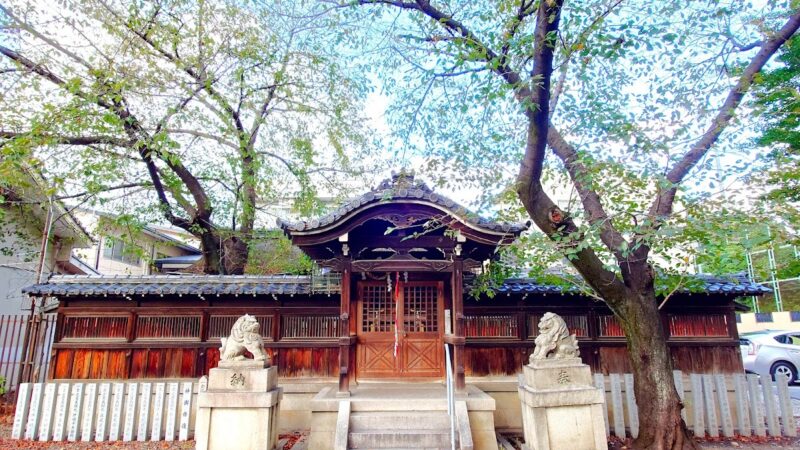
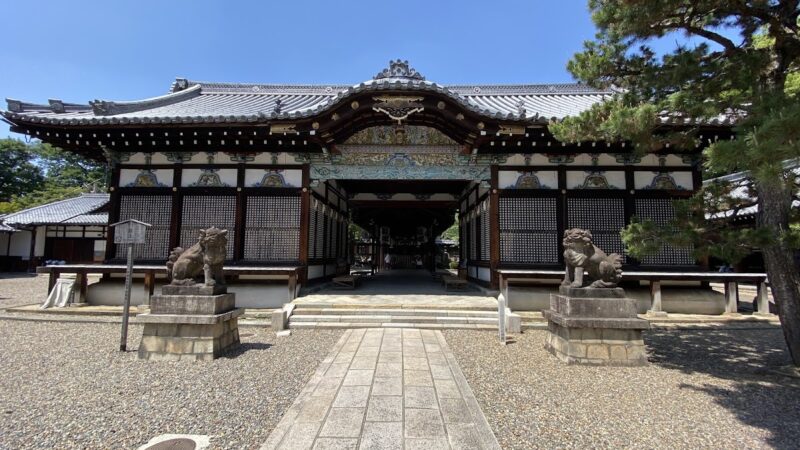
The main hall of Amaterasu Mikado Shrine exhibits the traditional style of shrine architecture, telling the story of its long history of faith. Although not large in scale, the carefully maintained shrine buildings reflect the deep respect the local people have for the shrine.
In the worship hall, you can quietly pray for daily gratitude and make your wishes. Its charm lies in being able to pray in a tranquil space away from the hustle and bustle of the city, allowing you to calm your mind.
Atmosphere of the Shrine Grounds
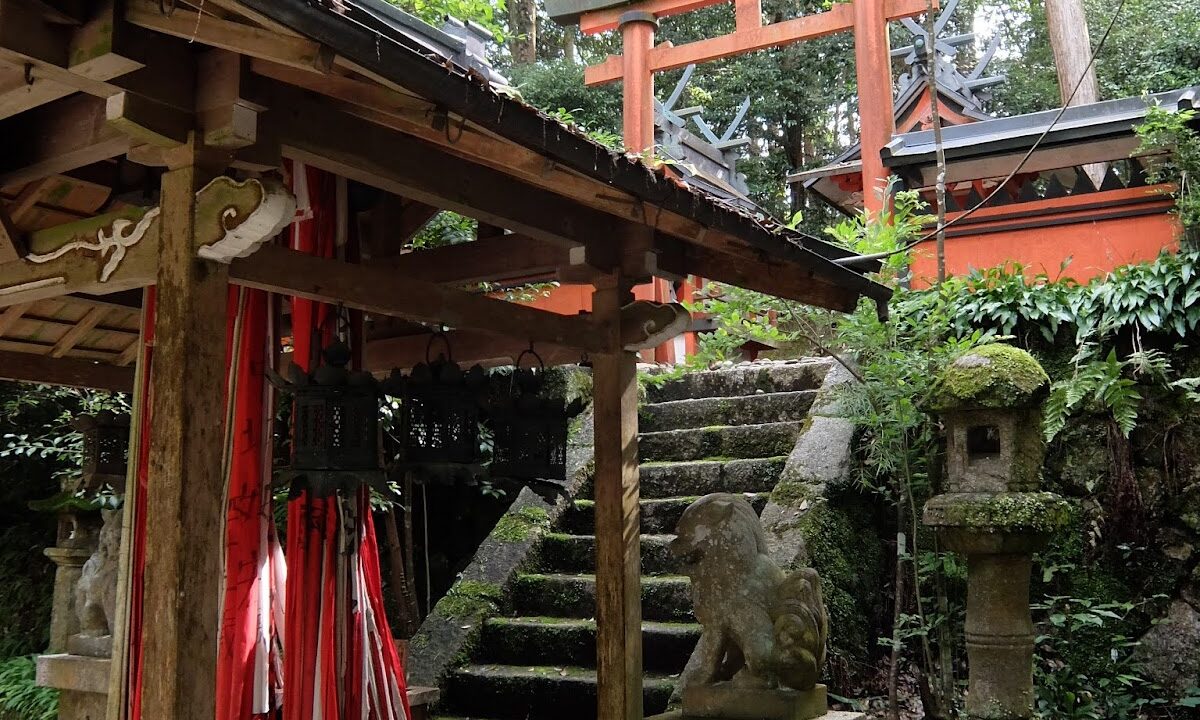
The shrine grounds are surrounded by trees, allowing visitors to experience the changing seasons. Fresh greenery in spring, deep green in summer, vibrant autumn leaves, and tranquility in winter—each season offers a different face.
The warm atmosphere, characteristic of a shrine deeply rooted in the community, provides peace and tranquility to visitors.
Komainu (Guardian Dogs) and Stone Monuments
The shrine grounds are dotted with historically significant guardian dogs and stone monuments. These stone structures are valuable cultural assets that convey the faith of past donors.
Annual Events and Festivals
Main Annual Events
Amaterasu Mikado Shrine holds various Shinto rituals and events throughout the year.
New Year’s Day Festival (January 1st)
This festival celebrates the start of the new year and prays for peace throughout the year. Many visitors come for their first shrine visit of the year, reporting their New Year’s resolutions to the gods.
Spring Grand Festival
This is an important festival celebrating the arrival of spring and praying for a bountiful harvest. Prayers are offered for the development of the region and the safety of its residents.
Summer Purification Ceremony (around June 30th)
This is a Shinto ritual to purify oneself of the sins and impurities accumulated over the past six months and to pray for good health and protection from illness for the remaining half of the year.
Autumn Grand Festival
This festival expresses gratitude for the autumn harvest and shows appreciation to the gods. It is a cherished traditional event of the region.
Great Purification Ceremony (December 31st)
This is a Shinto ritual to purify oneself of the sins and impurities accumulated over the year and to welcome the new year with a refreshed spirit.
Local Festivals
In local festivals, parishioners and residents work together to support the Shinto rituals. Traditional festival culture, such as the procession of portable shrines and offering ceremonies, is passed down through generations.
Etiquette and Manners for Visiting a Shrine
Basic Etiquette for Visiting a Shrine
When visiting Amaterasu Mikado Shrine, please observe the following basic etiquette.
Bow Before Passing Through the Torii Gate
The torii gate is the entrance to the sacred area. Bow before passing through to show respect to the gods.
Purify at the Water Basin
Purify your hands and mouth at the water basin located on the approach to the shrine. Purify your left hand, then your right hand, then your mouth, and finally purify your left hand again.
Walk Along the Edge of the Path
The center of the path is considered the path of the gods, so it is polite to walk along the edge.
Two Bows, Two Claps, One Bow
In front of the main hall, bow deeply twice, clap your hands twice, and finally bow once. This is the basic etiquette for visiting a shrine.
Mindset During Visiting a Shrine
Visiting a shrine is an act of expressing gratitude and respect to the gods. It is important to express your gratitude and pray with humility. Also, please behave quietly within the shrine grounds and remember to be considerate of other worshippers.
Access Information
Location
Amaterasu Mikado Shrine is located in Kyoto Prefecture. We recommend checking the specific location in advance.
Transportation Access
If using public transportation:
The shrine is accessible on foot or by bus from the nearest station. Access to shrines within Kyoto Prefecture is generally via Kyoto City’s transportation network.
If coming by car:
We recommend checking the availability and size of parking in advance. Parking spaces may be limited at local shrines.
Visiting Hours
Generally, shrine grounds are open for worship throughout the day, but the reception hours of the shrine office may be limited. If you wish to receive a Goshuin (shrine stamp) or amulet, we recommend checking the reception hours in advance.
Goshuin and Amulets
About Goshuin
Some shrines offer Goshuin. Goshuin (temple/shrine stamps) are popular as proof of worship and as a tangible record of one’s connection with the gods.
When receiving a goshuin, please note the following:
- Always complete your prayers before receiving a goshuin.
- Prepare a goshuincho (stamp book) (understand that this is a testament to faith, not a stamp rally).
- Prepare the offering fee.
- Request using polite language.
Amulets and Souvenirs
Shrines often offer a variety of amulets and souvenirs. You can choose an amulet according to your wishes, such as family safety, traffic safety, academic success, or finding love.
Amulets are considered important items that house a divided spirit of the gods. It is recommended to treat them with care and return them to the shrine after about a year to receive a new one.
Nearby Tourist Attractions
Shrines and Temples in Kyoto Prefecture
When visiting Amaterasu Mikado Shrine, you can also visit other shrines and temples in Kyoto Prefecture. Kyoto is one of Japan’s leading historical cities, dotted with numerous cultural assets and famous landmarks.
Nature and History
Kyoto Prefecture is a region where rich nature and deep history blend together. Combining shrine visits with nature walks and historical explorations in the surrounding area will make for a more fulfilling experience.
Points to Note When Visiting Amaterasu-Mikado Shrine
Recommended Time to Visit
Spring (March-May)
The fresh greenery is beautiful, and you can visit the shrine in a refreshing climate. During the Spring Grand Festival, you can also feel the vibrancy of the local area.
Autumn (September-November)
The autumn leaves are beautiful, and the Autumn Grand Festival is held. You can feel the bountiful atmosphere befitting the harvest season.
First Shrine Visit of the Year (January)
Visiting the shrine at the start of the new year to pray for peace throughout the year is a special experience.
Attire for Visiting the Shrine
While there are no specific dress code requirements for visiting the shrine, it is desirable to wear clean and subdued clothing to show respect to the deities. Avoid revealing clothing and sandals, and dress appropriately for your visit.
For formal worship or prayers, more formal attire (such as a suit or jacket) is recommended.
Connection with the Community
Center of the Community
Amaterasu Mikado Shrine functions not only as a place of worship but also as the center of the local community. Through festivals and events, the bonds among local residents deepen, and traditional culture is passed down to future generations.
Cultural Inheritance
The traditional events of the region centered around the shrine are valuable intangible cultural assets. Thanks to the efforts of parishioners and local residents, these traditions are preserved and continue to thrive in the modern age.
Message to Visitors
Amaterasu Mikado Shrine may not be large in scale, but it is a warm and welcoming shrine supported by the deep faith of the local people. This is a precious place where you can escape the hustle and bustle of the city and find peace of mind in a tranquil environment for worship.
Visiting a shrine is not just about making wishes; it’s also an opportunity to express gratitude for daily life and find inner peace. We hope that through your visit to Amaterasu Mikado Shrine, you will experience traditional Japanese culture and find inner peace.
Summary
Amaterasu Mikado Shrine is a community-based shrine located in Kyoto Prefecture. It enshrines Amaterasu Omikami and is believed to bring good fortune, family safety, and abundant harvests.
The shrine grounds offer a peaceful environment for worship, and various Shinto rituals and events are held throughout the year. When visiting Kyoto Prefecture, we highly recommend visiting Amaterasu Mikado Shrine and experiencing traditional Japanese shrine worship.
When visiting, please observe basic etiquette and manners, remember to show respect to the deities, and offer your prayers with gratitude. We hope that Amaterasu Mikado Shrine will become a source of comfort for everyone and bring light into your daily lives.