Complete Guide to Shinomiya Shrine (Kyoto Prefecture): A Thorough Explanation of the History, Deities, and the Mystery of the Biwa Stone
Moroha Shrine, located in Shinomiya, Yamashina Ward, Kyoto City, is a historic shrine affectionately known locally as “Shinomiya.” It has a deep connection to Prince Saneyasu, the fourth son of Emperor Ninmyo, and is the origin of the place name “Shinomiya.” This article provides a detailed explanation of Moroha Shrine, including its history, deities, highlights within the grounds, the legend of the Biwa Stone, festivals, and access information.
What is Moroha Shrine (Shinomiya Shrine)?
Moroha Shrine is a shrine located in Shinomiya, Yamashina Ward, Kyoto City, Kyoto Prefecture, and its former shrine rank was Gosha (village shrine). Located in the eastern part of the Yamashina Basin, along the Tokaido (Old Tokaido) road, this shrine has long been revered as the local tutelary deity of areas such as Anshu and Shinomiya.
Origin of the Common Name “Shinomiya”
The shrine is called “Shinomiya” because Prince Hitoyasu, the fourth son of Emperor Ninmyo, established his residence in this area. Prince Hitoyasu was known as a master of the biwa (Japanese lute) and displayed exceptional musical talent despite being blind. The place name “Shinomiya” originated from the prince’s residence, and the shrine also came to be commonly known as “Shinomiya.”
Deities Enshrined: Ame-no-Futodama-no-Mikoto and Moroha Daimyojin
The main deity enshrined at Moroha Shrine is Ame-no-Futodama-no-Mikoto. Ame-no-Futodama-no-Mikoto is known as the god who presided over the rituals when Amaterasu Omikami hid in the Amano-Iwato cave, and is considered the ancestral deity of the Imbe clan.
Furthermore, Moroha Daimyojin is also enshrined here, which is believed to be a deified version of Prince Hitoyasu. Because Prince Hitoyasu was a master of the biwa (Japanese lute), the shrine also attracts worshippers as a god of music and performing arts.
The Divine Status of Ame-no-Futotama-no-Mikoto
Ame-no-Futotama-no-Mikoto is a god who played an important role in Japanese mythology and is revered as a god who presides over rituals and religious ceremonies. The Imbe clan was a powerful ancient clan and was responsible for the rituals of the imperial court. The fact that Moroha Shrine enshrines Ame-no-Futotama-no-Mikoto suggests the ancient ritual importance of this region.
History: From Founding to the Present
Founding and the Imperial Request of Emperor Seiwa
Moroha Shrine is said to have been founded during the Jogan era (859-877) by the imperial request of Emperor Seiwa. Emperor Seiwa was an emperor of the early Heian period and a grandson of Emperor Ninmyo. It is said that Emperor Seiwa, the nephew of Prince Hitoyasu, founded the shrine in memory of his uncle, Prince Hitoyasu.
The Legend of Prince Hitoyasu and the Biwa
Prince Hitoyasu, the fourth son of Emperor Ninmyō, was born blind, but displayed exceptional talent in playing the biwa (Japanese lute). It is said that the prince secluded himself in Yamashina and devoted himself to practicing the biwa. A legend remains that when the prince played the biwa, the sound was so beautiful that even stones were moved by it, and this is the origin of the “Biwa Stone” mentioned later.
Transition from the Medieval to the Early Modern Period
Moroha Shrine remained an important shrine in the Yamashina region throughout the medieval period. Although the shrine buildings were destroyed by fire during the Sengoku period (Warring States period), they were rebuilt through the faith of the local people. During the Edo period, it established itself as a local shrine and the tutelary deity of the region, and was deeply revered by the residents of Anshu and Shinomiya.
Changes since the Meiji Era
With the Meiji-era separation of Shinto and Buddhism, shrines were reorganized into modern structures. Under the old shrine ranking system, it was ranked as a local shrine, positioning it as a central shrine in the region. Even today, it remains a beloved local shrine, the tutelary deity of the Anshu and Shinomiya areas.
Highlights of the Shrine Grounds
Main Hall and Worship Hall
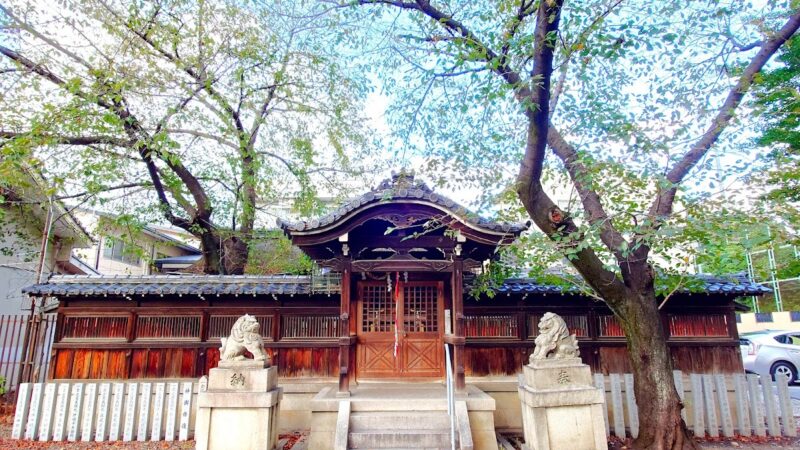
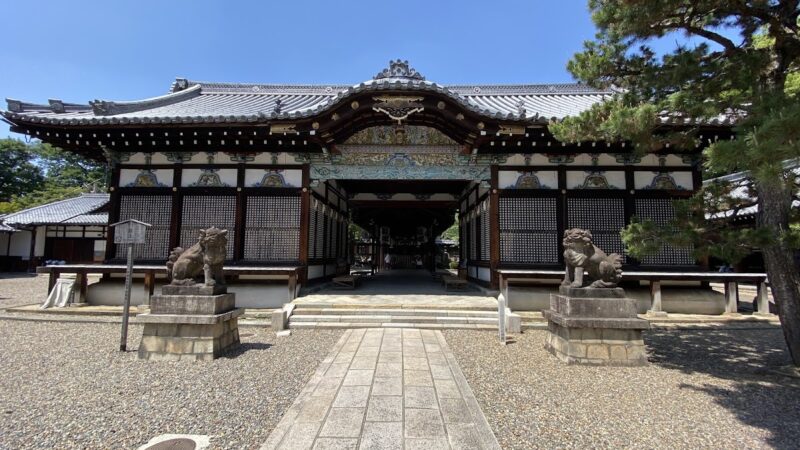
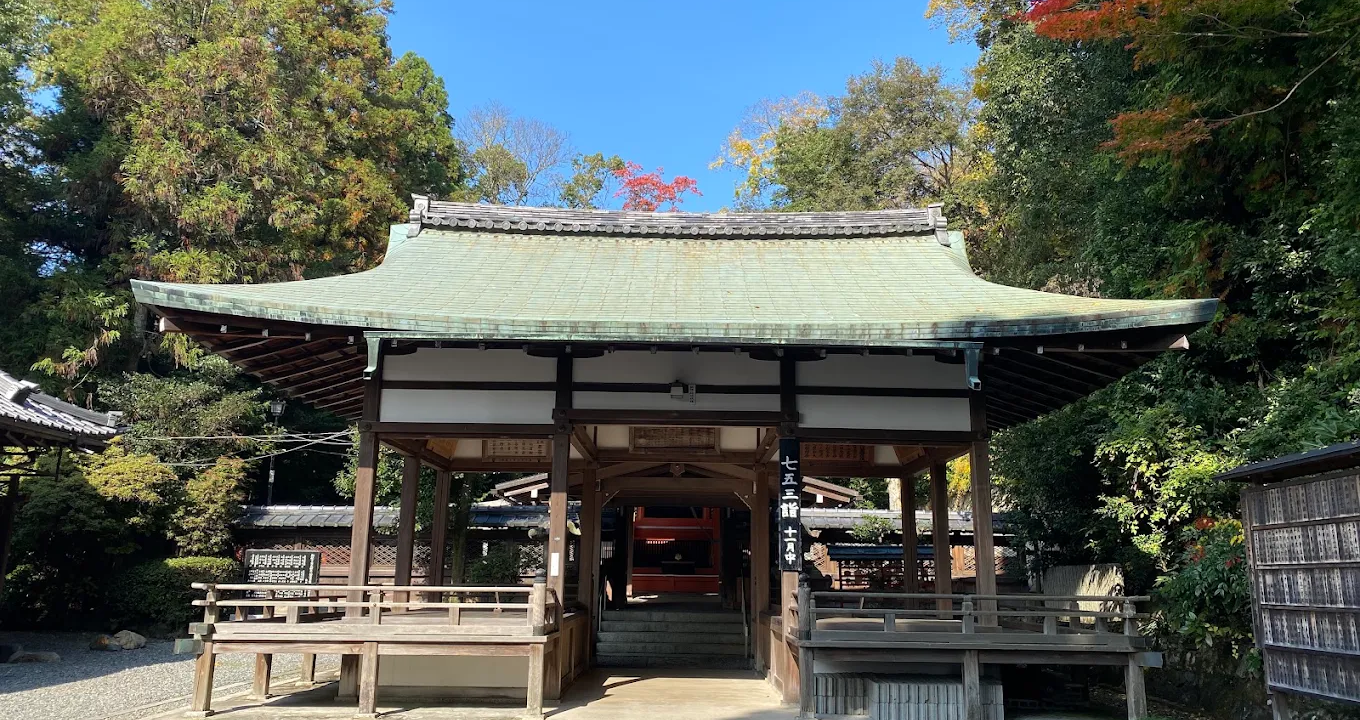
The main hall of Moroha Shrine is built in the traditional style of shrine architecture. The worship hall is where worshippers offer their prayers and is the center of local festivals. The shrine grounds are enveloped in a tranquil atmosphere, allowing for peaceful worship despite its urban location.
Biwa Stone: A Sacred Stone Embodying the Mystery of Music
Within the shrine grounds is a sacred stone called the “Biwa Stone“. This originates from a legend that when Prince Hitoyasu played the biwa (Japanese lute), the stone resonated in response to its beautiful sound. The Biwa Stone is particularly revered by worshippers praying for improvement in music and performing arts, and is sometimes visited by people involved in music.
The Biwa Stone is an important historical site symbolizing Moroha Shrine, and it continues to convey the legend of Prince Hitoyasu as a master of the biwa.
Natural Environment of the Shrine Grounds
The shrine grounds are planted with ancient trees and seasonal flowers, allowing visitors to enjoy the scenery of each season. Cherry blossoms bloom in spring, and autumn leaves color the grounds. Located in the eastern part of the Yamashina Basin, the surrounding mountains offer beautiful scenery, making it a shrine in harmony with nature.
Geography and Location
Geographical Characteristics of Shinomiya, Yamashina Ward
Moroha Shrine is located in Shinomiya, Yamashina Ward, Kyoto City. Yamashina Ward is located in the eastern part of Kyoto City, centered around the Yamashina Basin. Shinomiya is a region that developed along the old Tokaido Road and has flourished as a transportation hub since ancient times.
Relationship with the Old Tokaido Road
Moroha Shrine is located close to the old Tokaido Road, and it is believed that travelers passing through the Tokaido once visited the shrine. Yamashina was a key transportation point connecting Kyoto and Omi (Shiga Prefecture), and it is speculated that the convenient transportation was one of the reasons Prince Hitoyasu chose to reside in this area.
Connection to Surrounding Historical Sites
Nearby Shinomiya, there are numerous historical sites associated with Prince Hitoyasu. From Biwa-ishi (Biwa Stone) to the site believed to be the prince’s tomb and the place where he is said to have played the biwa (Japanese lute), visitors can enjoy a historical site tour known as the “Shinomiya Pilgrimage.” These historical sites are valuable resources for understanding the history and culture of Yamashina.
Festivals and Annual Events
Annual Festival
Moroha Shrine holds its annual festival every year. This is the most important festival for the shrine, bringing together local parishioners and devotees for a solemn Shinto ritual. The festival sometimes includes a procession of portable shrines and offering ceremonies, making it an important opportunity to preserve the region’s traditional culture.
New Year’s Visit and Seasonal Festivals
Many worshippers visit the shrine for their first shrine visit of the new year, praying for safety and prosperity throughout the year. Seasonal festivals, such as the Setsubun Festival and the Autumn Harvest Festival, are also held, playing a role in strengthening community bonds.
Visits by Musicians and Entertainers
Because Prince Hitoyasu was a master of the biwa (Japanese lute), worshippers also visit to pray for improvement in music and performing arts. The Biwa Stone, in particular, is believed to possess musical powers, and it is said that musicians and entertainers sometimes secretly visit it.
Cultural Significance of the Place Name Shinomiya
Shinomiya as a Place Name Origin
The place name “Shinomiya” originates from Prince Hitoyasu, the fourth son of Emperor Ninmyō. Areas where members of the imperial family resided were often named after their rank or name, and Shinomiya is one such example. This place name has been passed down for over a thousand years and forms the core of the region’s identity.
The Position of Shinomiya in Yamashina
Yamashina Ward has several historical place names, but Shinomiya is one of the oldest. Along with Anshu, it forms a central area of Yamashina and continues to develop as a residential and commercial area.
Shinomiya in Modern Times
Modern Shinomiya is a conveniently located area served by the Kyoto Municipal Subway Tōzai Line and the Keihan Keishin Line. While possessing a long history, it has developed as a modern urban area, and Moroha Shrine stands as a symbol connecting history and the present.
Prince Saneyasu: A Blind Biwa Master
The Life of Prince Saneyasu
Prince Saneyasu (831-872) was born the fourth son of Emperor Ninmyō. Because he was born blind, he had no chance of inheriting the throne, but he displayed exceptional talent in playing the biwa (Japanese lute). The prince played an important role in the musical culture of the Heian period and is said to have trained many disciples.
Reputation as a Biwa Master
Prince Saneyasu’s biwa technique was highly regarded in the aristocratic society of the time, and he is said to have passed down “secret biwa melodies.” His performances deeply moved the hearts of listeners, and legends arose that even nature itself was moved by them. This is the legend of the Biwa Stone that is still passed down today.
Connection to Yamashina
The reason why Prince Hitoyasu retired to Yamashina is unclear, but it is thought that the quiet environment, moderately far from the capital, was suitable for practicing the biwa (Japanese lute). Yamashina is a region rich in nature and has clean water, making it an ideal environment for honing musical sensibilities.
Local Information and Access
Location
Address: Shinomiya, Yamashina-ku, Kyoto City, Kyoto Prefecture
Transportation Access
Access by Train:
- Approximately 5 minutes on foot from Shinomiya Station on the Kyoto Municipal Subway Tozai Line
- Approximately 5 minutes on foot from Shinomiya Station on the Keihan Keishin Line
Access by Bus:
- Approximately 3 minutes on foot from the Shinomiya bus stop on the Kyoto Municipal Bus
Access by Car:
- Approximately 10 minutes from the Kyoto East Interchange on the Meishin Expressway
- Parking is limited, so the use of public transportation is recommended.
Visiting Hours and Admission Fee
Moroha Shrine is generally open for worship all day. There is no admission fee, but offerings and the distribution of amulets are limited to the hours the shrine office is open. It is recommended to check the shrine office’s opening hours in advance.
Nearby Tourist Attractions
The area around Shinomiya is dotted with historical sites associated with Prince Hitoyasu. A “Shinomiya Pilgrimage” course has been established, visiting sites such as Biwa Stone and the prince’s tomb, allowing visitors to enjoy a historical walk. Furthermore, Yamashina Ward boasts many other historical temples and shrines, including Bishamondo and Kanshuji.
Moroha Shrine and the Local Community
Role as a Local Deity
Moroha Shrine, as the tutelary deity of the Anshu and Shinomiya areas, is deeply intertwined with the lives of local residents. It is used as a place of prayer for important life events such as a baby’s first shrine visit, Shichi-Go-San (a traditional rite of passage for children), and exorcism, serving as a spiritual anchor for the local community.
Preservation of Local Culture
Shrine festivals and annual events are important opportunities to pass on local traditional culture to future generations. The parishioners’ organization and local community associations cooperate in managing these events, playing a role in strengthening community bonds.
Modern Challenges and Prospects
As urbanization progresses, maintaining traditional shrine beliefs is a challenge faced by many shrines, not just Moroha Shrine. However, Moroha Shrine, with its unique historical background of Prince Hitoyasu and the distinctive historical site of Biwa Stone, also holds potential as a tourist resource and has the potential to attract new visitors.
Cultural Value of Moroha Shrine
Historical Value
Moroha Shrine has a long history dating back to the Heian period and is a shrine with a clear connection to Prince Hitoyasu, a real member of the imperial family. Shrines with such a historical background are rare even in Kyoto and can be said to have high cultural value.
Folkloric Significance of Biwa Stone
The legend of Biwa Stone contains the universal theme of the resonance between music and nature, making it a fascinating case from a folkloric perspective. The idea that a stone responds to music reflects an animistic view of nature and provides an important clue to understanding traditional Japanese spiritual culture.
Importance in Place Name Research
The clear origin of the place name “Shinomiya” is a valuable example in place name research. Many place names have unclear origins or multiple theories, but in the case of Shinomiya, the connection to Prince Hitoyasu is supported by historical documents, making it an important case study for studying the process of place name formation.
Points to Note When Visiting Moroha Shrine
Visiting the Biwa Stone
When visiting Moroha Shrine, be sure to visit the Biwa Stone. Those wishing for improvement in music or performing arts are especially encouraged to pray at the Biwa Stone. Quietly clasping your hands together before the stone may allow you to partake in Prince Hitoyasu’s musical talent.
Quiet Worship Environment
Moroha Shrine is not a large-scale tourist shrine, so you can enjoy a quiet and peaceful worship experience. It is an ideal shrine for those who want to escape the hustle and bustle and offer a peaceful prayer.
Combining with the Shinomiya Pilgrimage
By enjoying the “Shinomiya Pilgrimage,” which includes visiting historical sites associated with Prince Hitoyasu in the surrounding area, in addition to Moroha Shrine, you can gain a deeper understanding of the region’s history and culture. If you have time, please consider visiting the historical sites as well.
Summary: The Charm of Shinomiya Shrine (Moroha Shrine)
Moroha Shrine (Shinomiya Shrine) in Yamashina Ward, Kyoto City, is a venerable shrine with a clear historical background: Prince Hitoyasu, the fourth son of Emperor Ninmyo. Founded by imperial decree of Emperor Seiwa, it has been worshipped as the local tutelary deity for over a thousand years.
The Biwa Stone, which conveys the legend of Prince Hitoyasu, a master of the biwa (Japanese lute), attracts worshippers seeking improvement in music and performing arts. With Amenotama-no-Mikoto as its main deity, Moroha Shrine, which also possesses the characteristics of a god of rituals, is a shrine with a unique charm, blending ancient ritual traditions with a history connected to the imperial family.
Despite its location in Yamashina, a major transportation hub, Moroha Shrine maintains a tranquil atmosphere, making it an ideal place for those seeking historical exploration and peaceful worship. Learning the origin of the place name “Shinomiya” and reflecting on the sound of Prince Hitoyasu’s biwa (lute) while praying will undoubtedly deepen your appreciation.
When visiting Kyoto, why not explore not only famous tourist spots but also historical shrines rooted in the local community like this one? Moroha Shrine is a hidden gem where you can experience Kyoto’s profound history and culture.