
Ookuri Shrine (Nantan City, Kyoto Prefecture) | A Complete Guide to an Ancient Shrine Where Traditional Rituals and History Thrive
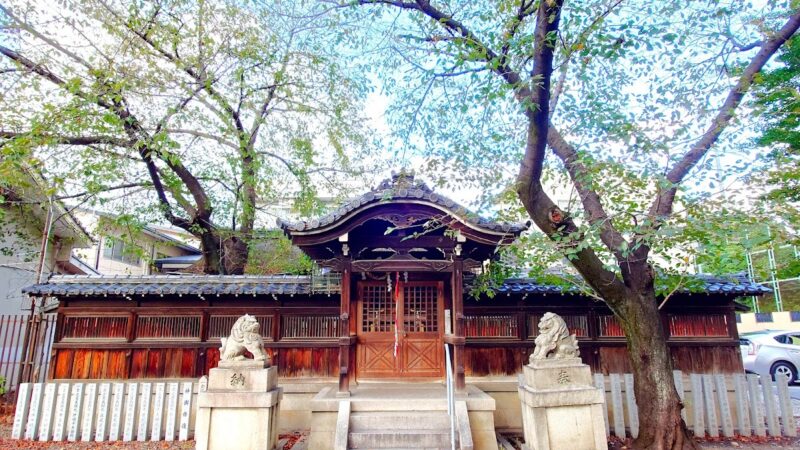
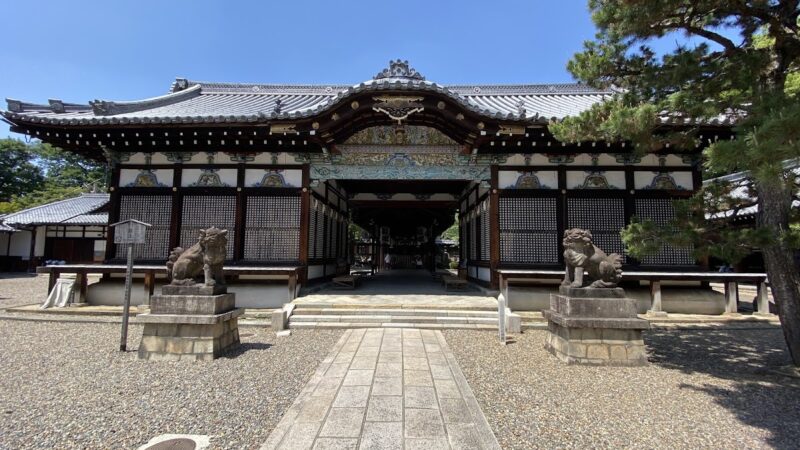
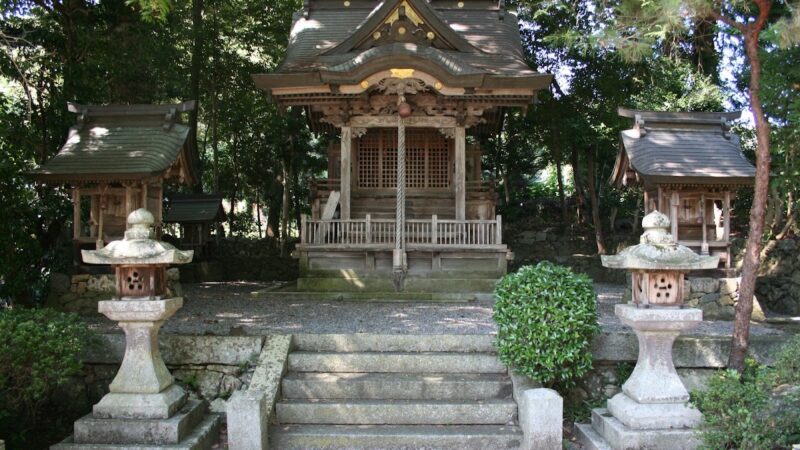
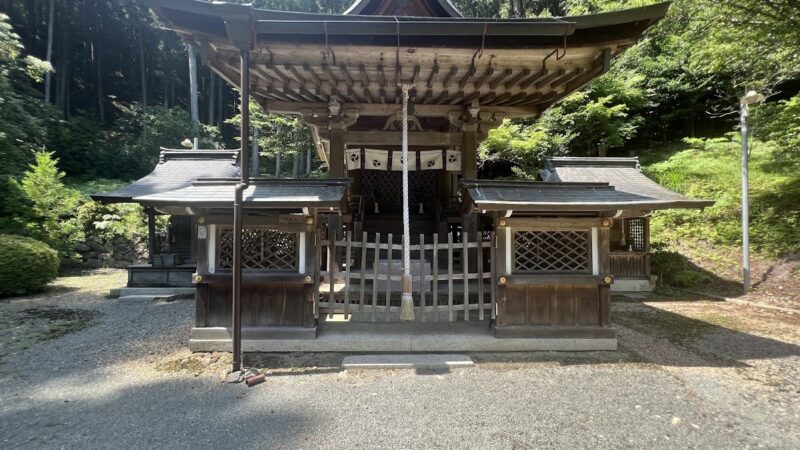
Ookuri Shrine, located in Hioki, Yagi-cho, Nantan City, Kyoto Prefecture, is a historic shrine said to have been founded during the Nara period. It still preserves rare traditional events, such as a tug-of-war ritual using a snake-shaped rope and a joint ritual with the neighboring Hatahisa Shrine.
This article will introduce the charm of this ancient shrine in its entirety, from its history and enshrined deities to its unique rituals, access methods, and surrounding area information.
Overview and Basic Information of Ookuri Shrine
Location and Basic Data
Ookuri Shrine is located at 17 Higashinakazato, Hioki, Yagi-cho, Nantan City, Kyoto Prefecture. It is situated west of central Kyoto City, in the former Tanba Province, in a quiet environment surrounded by abundant nature.
Basic Information
- Location: 17 Higashinakazato, Hioki, Yagi-cho, Nantan City, Kyoto Prefecture 629-0104
- Deity Enshrined: Takamimusubi-no-Mikoto
- Founding: Traditionally believed to be in the first year of the Wado era (708 AD)
- Former Shrine Rank: Village Shrine
- Annual Festival Dates: October 21st (Married Couple Ritual), Mid-January (Tug-of-War Ritual)
About the Enshrined Deity
The enshrined deity of Oosokuri Shrine is Takamimusubi-no-Mikoto. Takamimusubi-no-Mikoto is one of the three creation gods in Japanese mythology and is known as an important deity involved in the creation of heaven and earth.
Takamimusubi-no-Mikoto is considered the god of “Musubi” (creation/connection), and is believed to have divine virtues such as creation and development, matchmaking, and abundant harvests. He has been revered as a guardian deity of the region, particularly in agriculture. The fact that Oosokuri Shrine preserves the tug-of-war ritual, an agricultural ceremony, is deeply connected to the character of its enshrined deity.
History and Origins of Oosokuri Shrine
Founded in the Nara Period
Oosokuri Shrine is said to have been founded in the first year of the Wado era (708 AD). This period was the beginning of the Nara period, during the reign of Empress Genmei. The Wado era name was established to commemorate the presentation of natural copper from Musashi Province, and is an important period in ancient Japanese history.
If the tradition of its founding in 708 AD is accurate, Oosokuri Shrine has a history of over 1300 years. As a center of faith in this region, it has long served as a spiritual pillar for the local residents.
Legend of the Slaying of the Great Serpent and the Origin of the Shrine
Oosokuri Shrine has a long-standing legend related to a great serpent. According to legend, when the shrine was being built, a great serpent that lived in the area appeared, and it was slain. The shrine was then built to appease its spirit. This legend is deeply connected to the origin of the tug-of-war ritual described later. The ritual, using a snake-shaped rope, is believed to appease the spirit of the great serpent and simultaneously pray for a bountiful harvest. It is a fascinating example from a folkloric perspective, representing a form of snake deity worship that remains throughout Japan.
Role in the Community
Oosokuri Shrine, as the tutelary deity of the Hioki district, has been deeply intertwined with the lives of the local residents. In an agricultural society, it played a vital role as a shrine praying for abundant harvests and also served as a place that supported the unity of the local community.
Under the modern shrine ranking system of the Meiji era, it was ranked as a village shrine and recognized as an official local shrine. Even today, it is carefully preserved by the parishioners’ organization, and the traditional rituals are passed down.
Oosokuri Shrine’s Tug-of-War Ritual
Traditional Event Designated as a Kyoto Prefecture Intangible Folk Cultural Property
The Oosokuri Shrine’s tug-of-war ritual is an important traditional event designated as a Kyoto Prefecture Intangible Folk Cultural Property. Officially called the “Great Tug-of-War of Oosokuri Shrine,” it is held annually around the Little New Year in mid-January. In recent years, it has often been held around January 14th.
This ritual is based on the aforementioned legend of the slaying of the giant snake and is a valuable folk custom that has been passed down for hundreds of years.
Content and Characteristics of the Ritual
The most distinctive feature of the tug-of-war ritual is the use of a special rope shaped like a snake. This rope is approximately 30 meters long and is shaped to resemble a snake’s head.
In the ritual, participants are divided into two teams, north and south, and engage in a tug-of-war. It has the characteristics of an agricultural ritual, where the outcome is used to predict the year’s harvest; it is said that a victory for the south indicates a bountiful harvest, while a victory for the north indicates an average harvest (interpretations may vary by region).
Before the tug-of-war, a ritual is performed, including the solemn recitation of prayers by Shinto priests and the offering of sacred branches. Following this, a powerful tug-of-war unfolds with shouts and cheers, attracting not only local residents but also an increasing number of tourists each year who come to witness this traditional event.
Significance and Modern Value of the Ritual
The tug-of-war ritual is not merely a test of strength, but possesses the following multifaceted significance:
- Prayer for a Bountiful Harvest: A practical aspect of praying for agricultural success
- Appeasement of Spirits: A religious aspect of appeasing the spirit of the giant serpent
- Community Unity: A social aspect of the ritual performed by local residents working together
- Cultural Inheritance: An educational aspect of passing on traditions to the next generation
Even in modern times, this ritual functions as the core of the regional identity, playing an important role in maintaining the sense of community that is being lost amidst increasing urbanization.
Meoto Shinji (Married Couple Ritual)
Special Relationship with Hatahisa Shrine
Another important ritual of Oosokuri Shrine is the “Meoto Shinji” (Married Couple Ritual), held annually on October 21st. This is a rare inter-shrine ritual, performed between Oosokuri Shrine and Hatahisa Shrine, located in the neighboring Hiyori district.
Origin of the Ritual
The origin of the couple’s ritual is related to a dispute between regions over water rights. For centuries, there was constant conflict between the Hiyori and Hiyori districts over the use of agricultural water.
It is believed that the ritual originated as a way to resolve this dispute and foster cooperation between the two districts, incorporating the form of a wedding ceremony. By likening the two shrines to a “couple,” it symbolically represents reconciliation and cooperation between the regions.
Procedure of the Ritual
The couple’s ritual proceeds as follows:
- The Proposal Ceremony: A representative (myodai) on horseback from Hatahisa Shrine visits Oosokuri Shrine and pleads for the marriage of a bride. This proposal is not accepted the first time and is repeated several times.
- Acceptance: The Oosokuri Shrine ultimately accepts the marriage proposal.
- Wedding Procession: A procession, symbolizing a wedding, proceeds from Oosokuri Shrine to Hatahisa Shrine. Shinto priests and parishioners participate in this procession, wearing traditional attire.
- Wedding Ceremony: A Shinto ritual symbolizing the “wedding” of both shrines is held at Hatahisa Shrine.
Significance in Modern Times
The marriage ritual is a valuable cultural heritage that conveys the wisdom of our ancestors in peacefully resolving conflicts and building cooperative relationships. This ritual, while humorous, possesses profound meaning and can be said to offer hints for resolving conflicts in modern society.
In recent years, the number of worshippers praying for matchmaking and marital harmony has increased, and the symbolic meaning of the ritual is giving rise to new forms of faith.
Access Information
Nearest Station and Route
The following is how to access Oosoku Shrine by public transport:
Train
- JR Sanin Main Line (Sagano Line) Yagi Station: Nearest Station
- Approximately 4.5 km from the station to the shrine, about 60 minutes on foot
- Approximately 10 minutes by taxi
From Kyoto Station, it takes about 40-50 minutes to Yagi Station on the JR Sanin Main Line (Sagano Line). Both rapid and local trains stop here.
Nearest Bus Stop and Route
Bus
- Available via Keihan Kyoto Kotsu Bus or Nantan City Bus
- Take a bus bound for “Hioki” from Yagi Station
- Get off at the “Hioki” bus stop, about 10-15 minutes on foot
Since bus services are limited, it is recommended to check the timetable in advance. Extra buses may run, especially on days with religious ceremonies.
Access by Car
Route from Major Roads
- Approximately 10 minutes from the Yagi-Higashi Interchange on the Kyoto Expressway
- Via Prefectural Road from National Route 9
There is some parking space around the shrine, but congestion is expected on days when religious ceremonies are held, so early arrival is recommended.
Notes on Access
- The shrine is located in a mountainous area, so there is a possibility of snow and ice during winter.
- The tug-of-war ritual (January) and the couple’s ritual (October) attract more visitors than usual.
- Public transportation is limited, so please check the timetable in advance.
- There are few restaurants and convenience stores in the surrounding area, so please prepare accordingly.
Major Annual Events
The following major rituals and events are held throughout the year at Oosokuri Shrine:
Mid-January: Tug-of-War Ritual
- Date: Around January 14th every year
- Content: A tug-of-war between north and south using a snake-shaped rope
- Characteristics: Kyoto Prefecture Intangible Folk Cultural Property, Harvest Fortune Telling
October 21st: Couple’s Ritual
- Date: October 21st every year (fixed)
- Content: A wedding-style ritual held between Hatahisa Shrine and Oosokuri Shrine
- Characteristics: Wedding procession, symbol of reconciliation between regions
Other Annual Events
- New Year’s Day Festival (January 1st)
- Spring Festival
- Autumn Festival
- Monthly Festival
Please note that detailed dates and times may change from year to year. It is recommended to check the latest information with the Nantan City Tourism Association or a local tourist information center before visiting.
Nearby Attractions
Hatahisa Shrine
This is the shrine of the partner in the marriage ritual. Located approximately 2km from Oosokuri Shrine, it is also known as a historical shrine. The “Married Couple Shrine Pilgrimage,” visiting both shrines, is popular among visitors praying for a successful marriage.
History of Yagi Town, Nantan City
Yagi Town has long flourished as a transportation hub in the Tanba region. The surrounding area is dotted with old townscapes and historical buildings, making it ideal for strolling.
Natural Environment
The area around Oosokuri Shrine is blessed with abundant nature, allowing visitors to enjoy the scenery of each season. The scenery is particularly beautiful during the fresh greenery of spring and the vibrant autumn foliage.
Points to Note When Visiting
Shrine Visiting Etiquette
Oosokuri Shrine is carefully preserved as the local guardian shrine. Please observe the following manners when visiting:
- Bow at the Torii Gate: Bow before entering the shrine grounds.
- Purification at the Water Basin: Purify your hands and mouth before praying.
- Two Bows, Two Claps, One Bow: The general etiquette for visiting a shrine.
- Silence: Remain quiet within the shrine grounds.
- Photography: Follow the instructions of the Shinto priests during religious ceremonies.
About Goshuin (Shrine Seals)
Oosokuri Shrine may offer Goshuin, but there may not be a permanent shrine office. If you wish to receive a Goshuin, it is recommended to check in advance.
Best Time to Visit
While visits are possible year-round, the following times are particularly recommended:
- Mid-January: You can witness the tug-of-war ritual.
- October 21st: You can witness the husband-and-wife ritual.
- Spring and Autumn: The weather is pleasant, and the natural scenery is beautiful.
Cultural Value of Oosokuri Shrine
Folkloric Significance
The tug-of-war ritual and husband-and-wife ritual at Oosokuri Shrine are important examples for studying Japanese folk culture. The following aspects, in particular, have been recognized as having academic value:
- Inheritance of Snake Deity Worship: It strongly preserves forms of nature worship from ancient times.
- Preservation of Agricultural Rituals: A Shinto ritual for predicting a bountiful harvest that continues to this day.
- Wisdom for Community Building: Creative rituals for resolving conflicts.
- Regional Identity: Maintaining a sense of community through traditional events.
Contribution to Regional Culture
Oosokuri Shrine, as an important cultural resource of Nantan City, plays the following roles:
- Tourism Resource: Its unique Shinto rituals attract tourists.
- Educational Space: Providing opportunities for local children to learn about traditional culture.
- Intergenerational Exchange: Intergenerational exchange through the preparation and performance of Shinto rituals.
- Cultural Inheritance: Protection of intangible cultural heritage and transmission to future generations.
Summary
Located in Hioki, Yagi-cho, Nantan City, Kyoto Prefecture, the Oosokuri Shrine is an ancient shrine with a history of over 1300 years. It is known for two distinctive traditional events: a tug-of-war ritual using a snake-shaped rope and a joint ritual with Hatahisa Shrine.
Dedicated to Takamimusubi-no-Mikoto, this shrine has been revered as the local tutelary deity and preserves valuable folk culture, including the tug-of-war ritual, which is designated as a Kyoto Prefecture Intangible Folk Cultural Property.
Access is by bus or taxi from JR Yagi Station, and many worshippers and spectators visit on the days of the rituals. The tug-of-war ritual in mid-January and the joint ritual on October 21st are particularly noteworthy.
A visit to Oosokuri Shrine is not merely sightseeing; it is a valuable opportunity to experience traditional Japanese culture and the wisdom of the local community. Why not experience a form of faith that thrives in the Tanba region, distinct from central Kyoto?