Complete Guide to Yamanoue Shrine (Kyoto Prefecture): History, Benefits, Access, and Visiting Information
Yamanoue Shrine, located in Kyoto Prefecture, is a historically significant shrine deeply rooted in the community, cherished by locals for centuries. This article provides detailed information you should know before visiting, including the shrine’s history, enshrined deities, benefits, highlights within the grounds, access methods, and proper worship etiquette.
What is Yamanoue Shrine?
Yamanoue Shrine is a shrine located in Kyoto Prefecture, and as its name suggests, it is often situated on mountaintops or high ground. The name “Yamanoue” (meaning “on top of the mountain”) originates from the fact that the shrine is built on a mountaintop or hillside, and it has been known since ancient times as a shrine deeply connected to mountain worship.
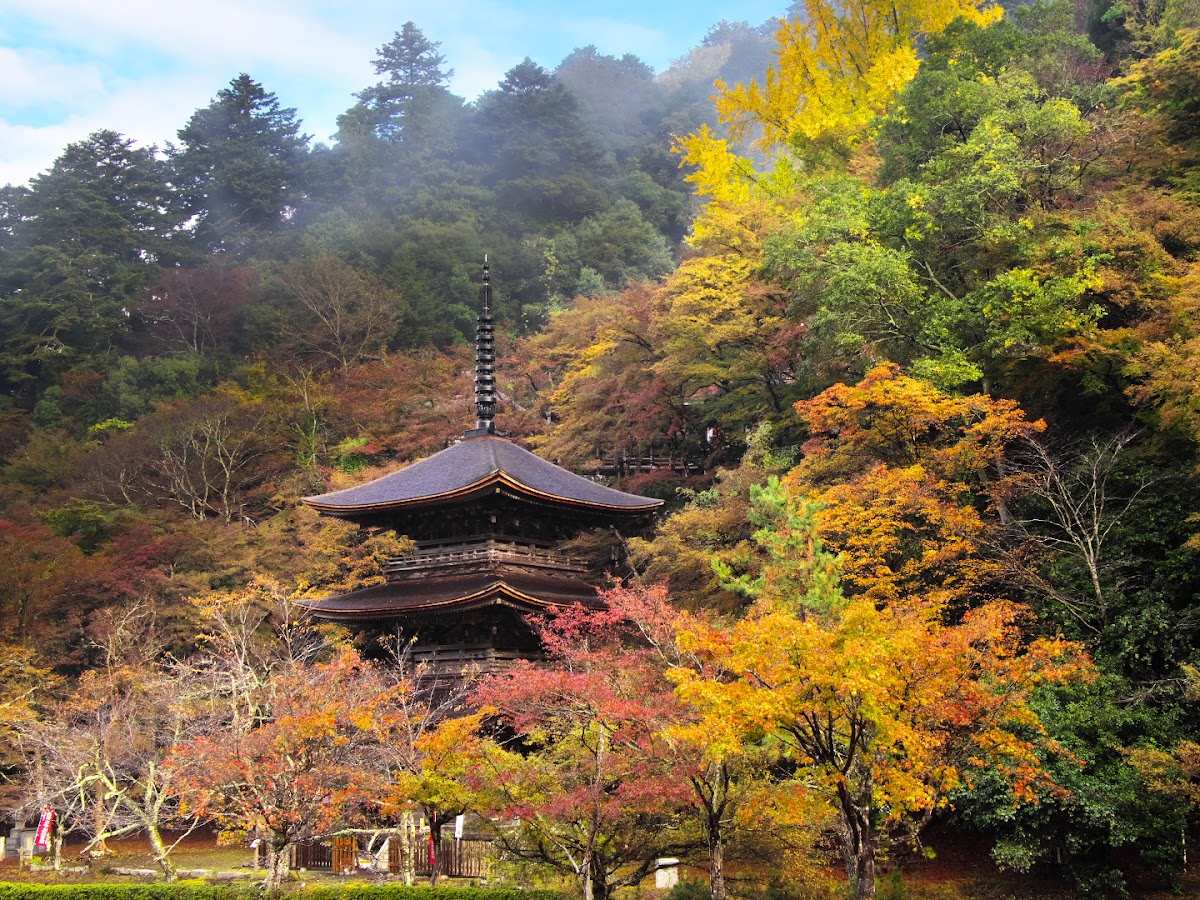
The shrine’s location is surrounded by a rich natural environment, allowing visitors to enjoy beautiful scenery throughout the seasons. Especially during the spring when the new greenery is lush and the autumn when the leaves change color, many visitors come to experience a space where nature and faith harmonize.
History and Origins of Yamanoue Shrine
Circumstances of Founding
The founding period of Yamanoue Shrines varies by region, but many are believed to have been established between the Heian and Kamakura periods. During a time when mountain worship was prevalent, these shrines were revered as places to worship mountain gods and as guardian deities of the region.
In ancient Japan, mountains were considered sacred places where gods resided, and it was customary to pray to the mountain gods for bountiful harvests, family safety, and protection from disaster. Yamanoue Shrines are valuable examples that preserve this tradition of mountain worship.
Historical Changes
From the medieval to the early modern period, Yamanoue Shrines were revered by local people as the tutelary deity of the region and as a god of agriculture. During the Edo period, grand festivals were held as the village’s guardian shrine, and it played a central role in the local community.
Even after the Meiji-era separation of Shinto and Buddhism, Yamanoue Shrine continued to exist as a spiritual pillar of the region, welcoming many worshippers to this day. Following the post-war reconstruction period, the shrine grounds were renovated and the shrine buildings were restored, maintaining its current appearance.
Deities and Divine Virtues
Main Deities
While the deities enshrined at Yamanoue Shrine vary from shrine to shrine, the following gods are generally worshipped:
- Oyamatsumi-no-Kami: Known as the god of mountains, he is a central deity in mountain worship. He is considered the guardian deity of all industries, including agriculture, fishing, and mining.
- Konohanasakuya-hime-no-Mikoto: The daughter of Oyamatsumi-no-Kami, she is worshipped as the goddess of beauty and safe childbirth.
- Kunitokotachi-no-Mikoto: As the god of land formation, he is believed to have the divine power to protect the land and bring abundant harvests.
Benefits and Divine Virtues
The main benefits you can receive at Yamanoue Shrine are as follows:
- Abundant Harvests and Business Prosperity: As the mountain god is the guardian deity of agriculture, he is believed to bring abundant harvests.
- Family Safety and Protection from Misfortune: As the guardian deity of the region, he offers benefits for family safety and protection from disaster.
- Safe Childbirth and Child-Rearing: When Konohanasakuya-hime is enshrined, he is believed to offer benefits for safe childbirth and child-rearing.
- Good Fortune and Prosperity: Because the shrine is located in a high place, it is also said to bring benefits for improving one’s luck.
- Prayers for Academic Success and Passing Exams: Because the shrine is located on a mountain, the word “noboru” (to climb) is associated with climbing, and many visitors pray for success in their studies and exams.
Highlights of the Shrine Grounds
Main Hall and Worship Hall
The main hall of Yamanoue Shrine is built in a traditional shrine architectural style, characterized by its beautiful wooden structure. From the worship hall, one can often enjoy a panoramic view of the surrounding mountains and townscape, allowing for a refreshing and peaceful visit.
The carvings and decorations of the shrine buildings showcase the skill of craftsmen, making them historically and artistically valuable structures.
Approach and Stone Steps
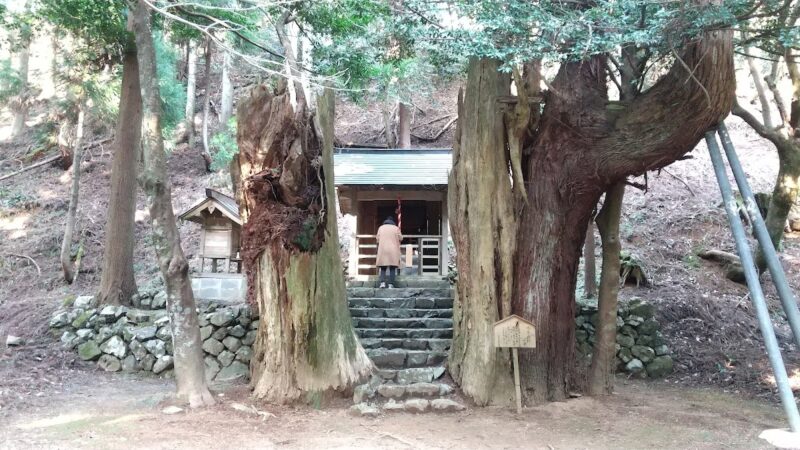
The approach to Yamanoue Shrine often involves climbing stone steps. Climbing these steps step by step is considered a form of spiritual practice, purifying both mind and body. Along the approach, centuries-old sacred trees and stone lanterns line the path, creating a sacred atmosphere.
Sacred Trees
Within the shrine grounds, there are sometimes giant trees over several hundred years old that are enshrined as sacred trees. These large trees, such as cedar, zelkova, and camphor trees, are living witnesses that have watched over the history of the shrine and are also attracting attention as power spots.
Subsidiary Shrines and Auxiliary Shrines
Several subsidiary shrines are sometimes located around the main shrine. Various deities are enshrined there, such as Inari, Tenmangu, and Hachiman, and visitors can pray to each for their respective blessings.
Annual Events and Festivals
Grand Festival
At Yamanoue Shrine, the Grand Festival is generally held every autumn. Local people gather, and the festival is filled with a lively atmosphere with a procession of portable shrines, devotional performances, and food stalls. The Grand Festival is an important event that strengthens the bonds of the local community.
New Year’s Visit
Many worshippers visit the shrine for their first visit of the new year. Watching the first sunrise of the year from a mountaintop is a special experience, allowing you to welcome the new year with a refreshing feeling.
Summer Festivals
In summer, summer festivals and Shinto rituals such as passing through a ring of reeds are sometimes held. Passing through the ring of reeds is believed to purify oneself of the impurities accumulated over the past six months and to pray for good health and protection from illness for the remaining half of the year.
Other Annual Events
- Spring Festival (around April): A spring festival praying for a bountiful harvest.
- Shichi-Go-San (November): A visit to celebrate the growth of children.
- Setsubun Festival (February): An exorcism ritual including bean-throwing.
Access Methods
Access by Public Transportation
Access to Yamanoue Shrine varies depending on the specific location of the shrine, but generally, the following methods are available:
By Train/Bus:
- Walk from the nearest station or take a bus.
- If within Kyoto City, city buses or Kyoto buses are convenient.
- Often a 10-30 minute walk from the bus stop.
Access by Car
By Private Car:
- Some shrines have parking facilities.
- If traveling on mountain roads, be careful of curves and narrow roads.
- During festivals, congestion is expected, so using public transportation is recommended.
Points to Note When Visiting
- Because there are many stone steps, comfortable shoes are recommended for your visit.
- Don’t forget insect repellent in summer and warm clothing in winter.
- Be careful as mountain paths can become slippery depending on the weather.
Etiquette and Manners for Visiting a Shrine
Basic Etiquette for Visiting a Shrine
Knowing the correct etiquette for visiting a shrine will allow you to offer a more heartfelt prayer:
- Bow before passing through the torii gate: This is an expression of respect before entering the sacred area.
- Purify yourself at the water basin:
- Take the ladle with your right hand and purify your left hand.
- Switch the ladle to your left hand and purify your right hand.
- Switch the ladle back to your right hand, receive water in your left hand, and rinse your mouth.
- Finally, stand the ladle upright and purify the handle.
- How to walk along the approach to the shrine: The center of the approach is considered the path of the gods, so it is polite to walk along the edge.
- Worship at the Main Hall:
- The basic procedure is two bows, two claps, and one bow.
- Bow deeply twice.
- Clap your hands twice at chest height.
- Silently recite your wish.
- Finally, bow deeply once.
About Goshuin (Shrine Seals)
Yamanoue Shrine may offer Goshuin. The Goshuin will be recorded in your Goshuincho (seal book) as proof of your visit.
Manners for Receiving a Goshuin (Shrine Stamp):
- Always complete your prayers beforehand.
- Open your Goshuincho (stamp book) and indicate the page you would like stamped on.
- Prepare the offering fee (approximately 300-500 yen).
- Politely say “Thank you.”
Amulets and Souvenirs
At the shrine office, you can receive various amulets, talismans, and votive tablets:
- Traffic Safety Amulet: Prayers for safety in cars and bicycles.
- Academic Success Amulet: Prayers for success in exams and academics.
- Health Amulet: Prayers for recovery from illness and maintaining good health.
- Exorcism Amulet: Prayers for protection from misfortune during unlucky years.
- Safe Childbirth Amulet: Prayers for safe childbirth and the health of mother and child.
Nearby Tourist Attractions
When visiting Yamanoue Shrine, visiting nearby tourist attractions will make your trip even more fulfilling.
Famous Places in Kyoto City
Kyoto Prefecture has numerous temples, shrines, and tourist attractions:
- Kiyomizu-dera Temple: A representative temple of Kyoto, registered as a World Heritage Site
- Kinkaku-ji Temple: A Rinzai Zen temple famous for its golden reliquary hall
- Fushimi Inari Taisha Shrine: The head shrine of Inari worship, known for its thousands of torii gates
- Arashiyama: A tourist spot with beautiful Togetsukyo Bridge and bamboo groves
Nature Walking Spots
There are many spots to enjoy nature around Yamanoue Shrine:
- Hiking Courses: Mountain trails and walking paths starting from the shrine
- Observation Decks: Places where you can enjoy a panoramic view of Kyoto city and mountains
- Nature Parks: Parks where you can observe plants and wild birds of the four seasons
Charms and Characteristics of Yamanoue Shrine
Harmony with Nature
The greatest charm of Yamanoue Shrine is that it is situated in a rich natural environment. You can escape the hustle and bustle of the city and calm your mind in a tranquil space. The chirping of birds, the rustling of trees, and the flowers of each season soothe visitors.
Value as a Power Spot
Shrines located on high ground have been known as power spots since ancient times. They have recently gained attention as places where one can feel the pure air, sacred atmosphere, and energy of the earth.
Preservation of Local Culture
Yamanoue Shrine is an important place that preserves the traditional culture of the region. Ancient customs and beliefs are passed down through festivals and annual events. Through interaction with local people, you can experience traditional Japanese culture.
Best Time to Visit and Recommended Season
Spring (March-May)
Spring is the season of fresh greenery, with trees budding and the grounds enveloped in a vibrant atmosphere. If cherry trees are planted, you can also enjoy cherry blossom viewing. The weather is mild, making it an ideal season for visiting.
Summer (June-August)
Summer is a season of lush greenery and pleasant cool breezes. Shrines located at high altitudes have lower temperatures than urban areas, making them ideal summer retreats. However, don’t forget insect repellent and hydration.
Autumn (September-November)
Autumn is the season of beautiful autumn foliage, and it’s when the charm of Yamanoue Shrine is most evident. The colorful trees and shrine buildings harmonize to create a picturesque scene. Many annual festivals are held during this time, offering a lively atmosphere.
Winter (December-February)
Winter is a season with fewer visitors, allowing for a peaceful visit. The snow-covered shrine grounds possess a fantastical beauty, offering a special experience. However, the stone steps may freeze, so warm clothing and non-slip shoes are necessary.
Photography Tips
Photography Etiquette on Shrine Grounds
Photography is generally permitted at shrines, but please observe the following etiquette:
- Photography inside the main hall is often prohibited.
- Be considerate of other worshippers.
- Check in advance before using a tripod.
- Be discreet when taking photos during religious ceremonies or festivals.
Recommended Photography Spots
- Torii Gate and Approach: The approach leading from the shrine entrance to the main hall offers beautiful composition.
- Main Hall and Sacred Tree: An iconic landscape of the shrine.
- Observation Spot: The view from the shrine grounds.
- Seasonal Flowers: Cherry blossoms in spring, autumn leaves, etc.
Mindset for Visiting Yamanoue Shrine
Have a Grateful Heart
The basis of visiting a shrine is to express gratitude to the gods for your daily blessings. It’s important not only to make wishes, but also to have a heart grateful for the blessings you have received.
Respect for Nature
Yamanoue Shrine is located in a rich natural environment. Please remember to respect nature by taking your trash with you and not damaging the plants.
Respect for Local Culture
This shrine has been carefully preserved by the local people. Please respect local customs and culture and observe proper etiquette during your visit.
Summary
Yamanoue Shrine (Kyoto Prefecture) is a historic shrine surrounded by abundant nature and is beloved by many visitors. This shrine, which has preserved the tradition of mountain worship and has been revered as the guardian deity of the region, remains a special place that offers healing and strength to people even today.
People constantly visit seeking various blessings, such as a bountiful harvest, family safety, protection from evil, and good fortune. Climbing the stone steps and praying in the refreshing air will refresh both your mind and body.
When you visit Kyoto, be sure to visit Yamanoue Shrine. Away from the hustle and bustle of the city, spending time in this sacred space where nature and faith harmonize will surely create a special memory.
When visiting the shrine, please observe proper etiquette and manners, and approach the deities with a grateful heart. It is also important that each of us be considerate so that this beautiful shrine and its surrounding natural environment can be preserved for future generations.