Complete Guide to Harumiya Shrine (Kyoto Prefecture) | History, Benefits, Access, and Visiting Information
Kyoto Prefecture boasts numerous shrines, but this guide provides a detailed overview of Harumiya Shrine, a shrine deeply rooted in the local community, covering everything from its historical background to how to visit.
What is Harumiya Shrine?
Harumiya Shrine is a historical shrine located in Kyoto Prefecture, revered by local residents. As the character “治” (chi) suggests, it has long been a place where people prayed for the peace and prosperity of the region.
While Kyoto has many famous tourist shrines, community-oriented shrines like Harumiya Shrine are invaluable in preserving traditional Japanese forms of worship.
History of Harumiya Shrine
Origin of Founding
There are various theories regarding the founding date of Harumiya Shrine, but according to local historical documents and legends, it is believed to have been worshipped as the local tutelary deity during the Heian and Muromachi periods.
The name “Jimiya” (治宮) embodies the meanings of “to govern” and “peace,” reflecting the wishes of people for peace and stability in the region.
Historical Changes
Jimiya Shrine has undergone several renovations and reconstructions throughout its long history.
- Sengoku Period: Despite the effects of war, it was protected by the faith of local residents.
- Edo Period: It was developed as the village’s guardian shrine, and regular festivals began to be held.
- Meiji Period: The form of a shrine was established due to the separation of Shinto and Buddhism.
- Showa/Heisei Period: The shrine grounds were improved along with the development of the region.
The current shrine building maintains the traditional style of shrine architecture while being properly maintained.
Deities and Benefits
Main Deities
The main deities of Jimiya Shrine may vary depending on local traditions and the history of the shrine, but generally, the following deities are often enshrined.
- Ōnamuchi-no-Mikoto: God of nation-building, god of matchmaking and business prosperity
- Sukunahikona-no-Mikoto: God of medicine and hot springs, god of healing
- Local Guardian Deity: God who protects the land
Benefits
The main benefits you can pray for at Chimiya Shrine are as follows:
- Family Safety: For the health and peaceful lives of the family
- Good Health: Protection from illness and misfortune
- Abundant Harvest: Prayers for a bountiful harvest
- Business Prosperity: Success and prosperity in business
- Matchmaking: For a successful marriage
- Protection from Evil: Protection from disaster
- Prosperity of Descendants: Prayers for children and their healthy growth
As the local guardian deity, many worshippers visit to pray for protection in all aspects of their lives.
Highlights of the Shrine Grounds
Main Hall and Worship Hall
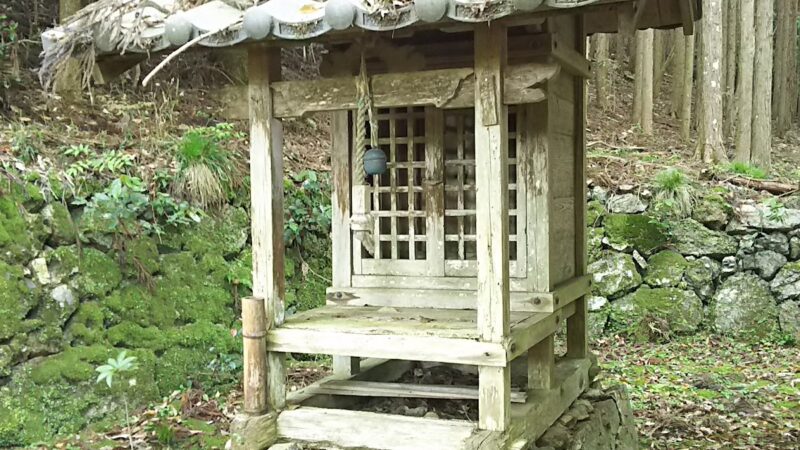
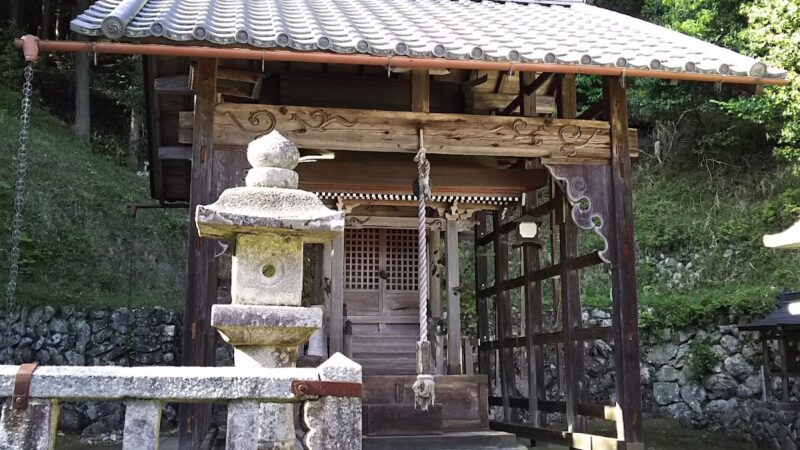
The main hall of Chimiya Shrine is built in the traditional style of shrine architecture. The wooden shrine building is beautifully maintained through regular repairs, welcoming worshippers in a solemn atmosphere.
In the worship hall, ordinary worshippers can offer prayers to the gods. Offer your prayers with sincerity in this tranquil space.
Shrines within the Precincts
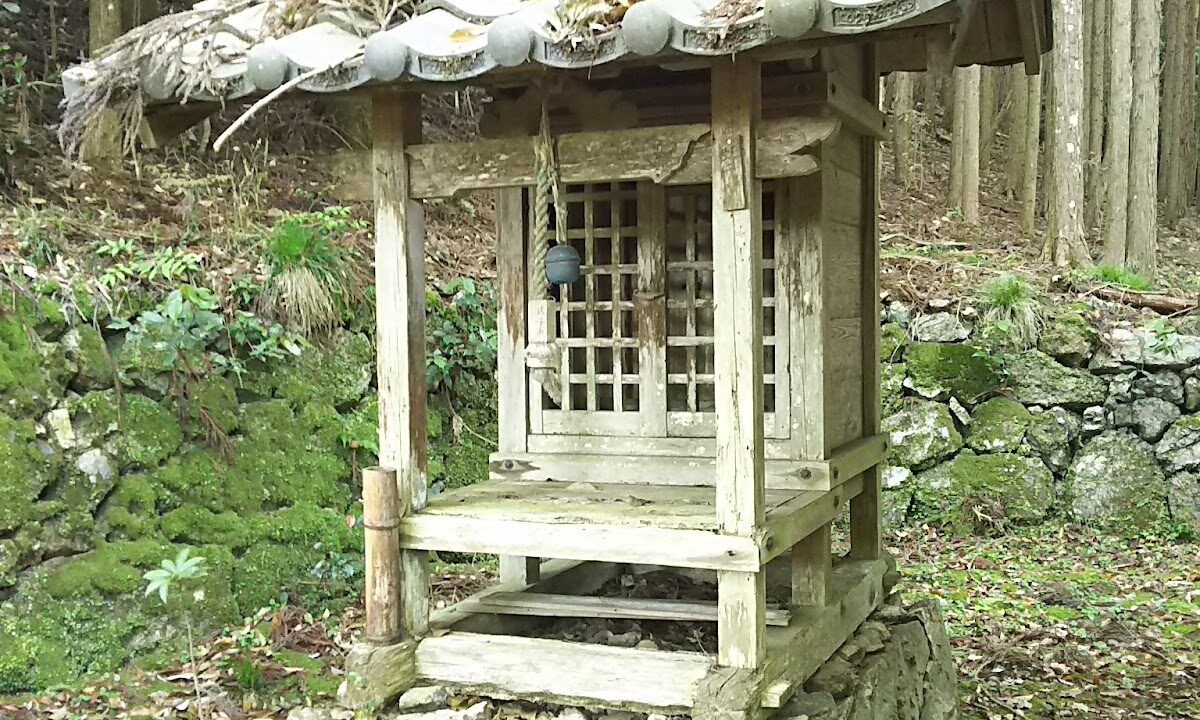
Several shrines (subsidiary shrines/minor shrines) are sometimes enshrined around the main hall.
- Inari Shrine: God of abundant harvests and business prosperity
- Tenmangu Shrine: God of learning
- Konpira Shrine: God of maritime safety and traffic safety
These shrines also attract the faith of local people.
Sacred Trees and Nature
The shrine grounds are planted with sacred trees said to be hundreds of years old, as well as flowering trees that change with the seasons.
- Spring: Cherry blossoms and plum blossoms adorn the grounds
- Summer: Lush green trees provide cool shade
- Autumn: Beautiful autumn foliage
- Winter: Snow-covered grounds create a sacred atmosphere
The shrine grounds, in harmony with nature, offer a sense of peace and tranquility to visitors.
Water Basin
There is a water basin for purifying oneself before worship. Please purify your mind and body according to the correct etiquette before worshipping.
Annual Events and Festivals
Grand Festival
At Chimiya Shrine, the Grand Festival is held once a year. It is an important event where local people gather to express gratitude to the gods and pray for future protection.
The following events may be held at the Grand Festival:
- Shinto rituals and ceremonies
- Mikoshi procession (portable shrine procession)
- Dedicatory performances
- Stalls
It is an important opportunity to deepen the bonds of the local community.
Seasonal Festivals
- Hatsumode (January 1st-3rd): Praying for safety and prosperity in the new year
- Setsubun Festival (around February 3rd): Driving away evil spirits with bean-throwing
- Spring Festival: Celebrating the arrival of spring and praying for a bountiful harvest
- Summer Purification Ceremony (June 30th): Purifying oneself of the impurities accumulated over the past six months
- Autumn Festival: Expressing gratitude for the harvest
- Shichi-Go-San (November): Celebrating the growth of children
- Yoshikoshi no Oharae (December 31st): Purifying oneself of the impurities accumulated over the year
These events are carefully preserved as traditional Japanese annual events.
How to Worship and Manners
Basic Worship Etiquette
When visiting Chigumiya Shrine, please observe the following etiquette.
1. How to Pass Through the Torii Gate
- Bow before passing through the torii gate.
- Walk along the edge of the path, as the center is the path for the gods.
2. How to Perform the Hand-Washing Ritual
- Take the ladle with your right hand and wash your left hand.
- Switch the ladle to your left hand and wash your right hand.
- Switch the ladle back to your right hand, receive water in your left hand, and rinse your mouth.
- Wash your left hand once more.
- Hold the ladle upright, let water flow over the handle, and return it to its original place.
3. Worship at the Main Hall
Two bows, two claps, and one bow is the basic ritual.
- Place your offering in the offering box.
- If there is a bell, ring it.
- Bow deeply twice.
- Clap your hands twice.
- Pray with your hands clasped together.
- Finally, bow deeply once.
Attire for Visiting the Shrine
There are no specific dress code requirements, but it is desirable to dress appropriately as this is a sacred place.
- Avoid revealing clothing.
- Dress cleanly.
- Formal attire is required for formal visits.
Photography Etiquette
- Photography inside the main hall is generally prohibited.
- Be considerate of other visitors.
- Behave in a way that does not detract from the sacred atmosphere.
Goshuin (Shrine Seal) and Gifts
Goshuin (Shrine Seal)
At Chigu Shrine, you may be able to receive a Goshuin as proof of your visit.
- Offering Fee: Usually around 300-500 yen
- Reception Hours: During the hours the shrine office is open
- Items to Bring: Goshuincho (stamp book) (may be available for purchase on-site if you don’t have one)
Goshuin are proof of worship, not a stamp rally. Please be sure to worship before receiving one.
Amulets and Souvenirs
Chigumi Shrine offers a variety of amulets and souvenirs.
- Exorcism Amulet: Protects against misfortune
- Traffic Safety Amulet: Prevents traffic accidents
- Health Amulet: For recovery from illness and prayers for good health
- Academic Success Amulet: For academic achievement
- Matchmaking Amulet: For successful relationships
- Family Safety Amulet: For the peace and well-being of the family
It is customary to return amulets to the shrine after about a year and receive new ones.
Access Information
Location
We recommend checking the exact location of Chigumi Shrine in advance. Since there may be shrines with the same or similar names within Kyoto Prefecture, be sure to know the exact address of the shrine you wish to visit.
Access by Public Transportation
Generally, there are the following ways to access shrines in Kyoto Prefecture:
By Train/Bus
- Take a bus or walk from the nearest station
- Use city buses are convenient within Kyoto City
- Use community buses in some areas
Please check the latest information on specific routes and timetables before departure.
Access by Car
Parking
- There may be parking for visitors on the shrine grounds or nearby
- Parking is often limited, so using public transportation is recommended during festivals
- Pay attention to no-parking zones on surrounding roads
Setting Your Car Navigation System
- Search by shrine name
- Searching by address is more reliable
- Note that older map data may not display the shrine.
Access on Foot/Bicycle
It is common for local residents to visit shrines on foot or by bicycle. If using a bicycle, park in the designated area.
Best Time and Season for Visiting
Recommended Time to Visit
While Chigumiya Shrine is open for visits throughout the year, there are particularly recommended times.
Spring (March-May)
- A season of beautiful cherry blossoms and fresh greenery
- Mild weather, making it easy to visit
- Spring festivals are sometimes held
Autumn (September-November)
- Beautiful autumn foliage
- Bustling with the autumn festival
- Pleasant weather
New Year’s Visit (January 1st-3rd)
- Many visitors come to pray for the New Year
- An opportunity to interact with local people
- Allow ample time as crowds are expected
Visiting Hours
General visiting hours for shrines are as follows:
- Shrine Grounds Visit: Generally possible 24 hours (however, it is considered polite to avoid nighttime visits)
- Shrine Office: Approximately 9:00 AM to 5:00 PM (may vary depending on the shrine)
- Goshuin (Shrine Seal) and Other Items: During the shrine office’s opening hours
If you wish to perform a formal visit or prayer, it is recommended to contact and make a reservation in advance.
Nearby Attractions
Nearby Shrines and Temples
Kyoto Prefecture has numerous shrines and temples, and there are several temples and shrines worth visiting scattered around Chigumiya Shrine.
- Shrines within walking distance
- Historic temples
- Local cultural properties
Visiting multiple temples and shrines (“shrine pilgrimage”) is one way to enjoy sightseeing in Kyoto.
Local Tourist Spots
The area where Chigumiya Shrine is located has the following attractions:
- Historical Townscape: Charming scenery along old roads
- Natural Scenery: Kyoto’s abundant nature
- Local Specialties: Local food products and crafts
- Hot Spring Facilities: Nearby hot spring resorts (depending on the area)
We recommend enjoying the local attractions in conjunction with your visit to the shrine.
Prayer and Special Worship at Chigumiya Shrine
Formal Worship (In-Hall Worship)
You can enter the main hall and receive formal prayers.
How to Apply
- Advance reservation is recommended (by phone or email)
- Same-day registration may be possible
- Please confirm the offering fee beforehand
Types of Prayers
- Prayer for Family Safety
- Prayer for Business Prosperity
- Prayer for Protection from Evil
- Prayer for Safe Childbirth
- First Shrine Visit for a Newborn
- Shichi-Go-San (7-5-3 Festival)
- Prayer for Success in Exams
- Other Individual Prayers
Estimated Offering Fees
- Individual Prayer: 5,000 yen and up
- Special Prayer: 10,000 yen and up
- Group Prayer: Price to be discussed
Prices vary depending on the shrine, so please confirm in advance.
The Charm of Chimiya Shrine
A Faith Rooted in the Community
The greatest charm of Chimiya Shrine is its deep connection with the local residents.
- A faith passed down through generations
- A role as the center of the local community
- Community bonds forged through festivals
Its charm lies in its simple and warm atmosphere, unlike large, touristy shrines.
A tranquil environment for worship
One of the advantages of Chimiya Shrine is that it is not crowded like famous tourist spots, allowing for a peaceful worship experience.
- A place to slowly connect with the gods
- Worship while feeling the sounds of nature
- A place to calm the mind and offer prayers
The beauty of the four seasons
The nature within the shrine grounds displays different expressions in each of the four seasons, allowing you to discover a different charm each time you visit.
- Seasonal flowers
- The changing colors of the trees
- The sacredness of the snowscape
Points to note when visiting
Observe proper etiquette
- Do not make loud noises
- Take your trash with you
- Eat and drink only in designated areas on the shrine grounds
- Smoking is prohibited (except in designated areas)
- Pets are generally not allowed (except for guide dogs, etc.)
Prepare for the weather
- Be careful as the ground can be slippery in rainy weather
- Take precautions against heatstroke in summer
- Take precautions against the cold in winter
Manage your valuables
- Keep your valuables with you even while visiting the shrine
- Do not leave valuables in your car
Connection with the community
Parishioner system
Jimiya Shrine is supported by its parishioners (local residents) as the guardian deity of the community.
- Shrine Maintenance and Management
- Operation of Festivals
- Preservation of Tradition
While visitors from outside the local community are welcome, please understand that this is a place of worship for the community and visit with respect.
Participation in Local Events
Even those from outside the community may be able to participate in festivals and other events.
- Observing the Grand Festival
- Participating in Dedication Ceremonies
- Volunteering for Cleaning Activities, etc.
If you wish to participate, please consult with the shrine or local residents in advance.
The Future of Chigumiya Shrine
Preservation of Tradition
In today’s society, where the birthrate is declining and the population is aging, passing on local shrines to the next generation is a major challenge.
- Passing on Faith to Younger Generations
- Balancing Simplification of Festivals with the Preservation of Tradition
- Maintaining the Parishioner Organization
Towards an Open Shrine
On the other hand, efforts to let people from outside the community know about the shrine’s appeal are also important.
- Strengthening information dissemination
- Courteous service to visitors
- Communicating the value of the shrine as a cultural asset
While preserving tradition, adapting to the times is also required.
Summary
Chigū Shrine is a community-oriented shrine located in Kyoto Prefecture. Its charm lies in its simple and warm atmosphere, unlike the flashy tourist shrines.
Points to consider when visiting Chigū Shrine
- Understanding History: Understand the history of the shrine, which has walked hand in hand with the history of the region.
- Respecting Manners: Visit with respect as it is a sacred place.
- Enjoying the Seasons: Appreciate the beauty of the shrine grounds in each season.
- Respecting the Community: Understand its role as a guardian deity and respect the local faith.
- With Sincerity: Offer prayers from the heart, not just formally.
By visiting Chigū Shrine, you can experience traditional Japanese faith and culture and find peace of mind. When visiting Kyoto, why not visit local shrines like this, in addition to famous tourist spots?
Spending time in the tranquil grounds of the shrine, facing the gods, will be a precious opportunity to step away from the hustle and bustle of everyday life and reflect on yourself. We hope that Chimiya Shrine will become a place of solace for everyone and a place you will want to visit at every turning point in your life.