Anrakuji Temple Complete Guide | A Thorough Explanation of Famous Temples Nationwide, from History to Visiting Information
There are several temples named “Anrakuji” throughout Japan, each possessing its own unique history and cultural value. This article provides detailed explanations of Anrakuji temples across Japan, from a famous temple in Shinshu with a national treasure building, to a Jodo sect temple in Kyoto, and a Jodo Shinshu temple in Tokyo.
What is Anrakuji?
The word “Anraku” in Buddhism means paradise or peace of mind, and many temples bear this name. Anrakuji temples scattered throughout Japan belong to different sects and each possess their own unique history and characteristics.
Main Locations of Anraku-ji Temples
- Ueda City, Nagano Prefecture: Soto Zen sect, known for its National Treasure Octagonal Three-Storied Pagoda
- Sakyo Ward, Kyoto City, Kyoto Prefecture: Independent Jodo sect temple, Jurenzan Anraku-ji
- Minato Ward, Tokyo: Jodo Shinshu Honganji sect
- Itano District, Tokushima Prefecture: Sixth temple of the Shikoku Pilgrimage
- Settsu City, Osaka Prefecture: Jodo Shinshu Honganji sect
- Ome City, Tokyo: Shingon Buzan sect
Anraku-ji Temple, Bessho Onsen, Shinshu (Ueda City, Nagano Prefecture)
A Famous Temple with a National Treasure Octagonal Three-Storied Pagoda
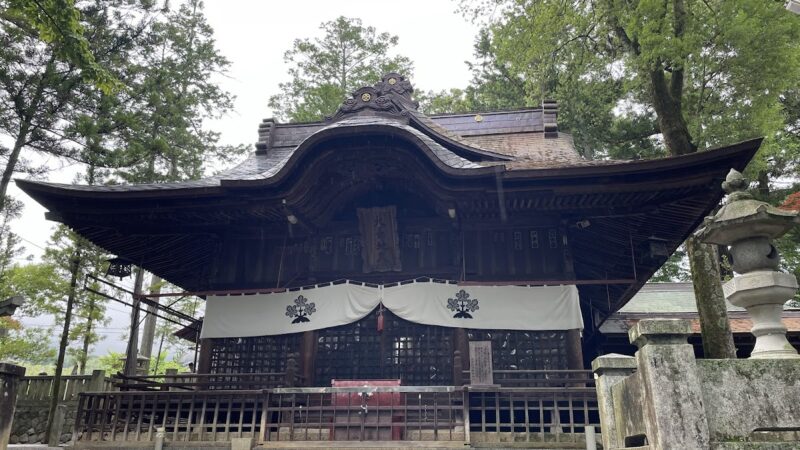
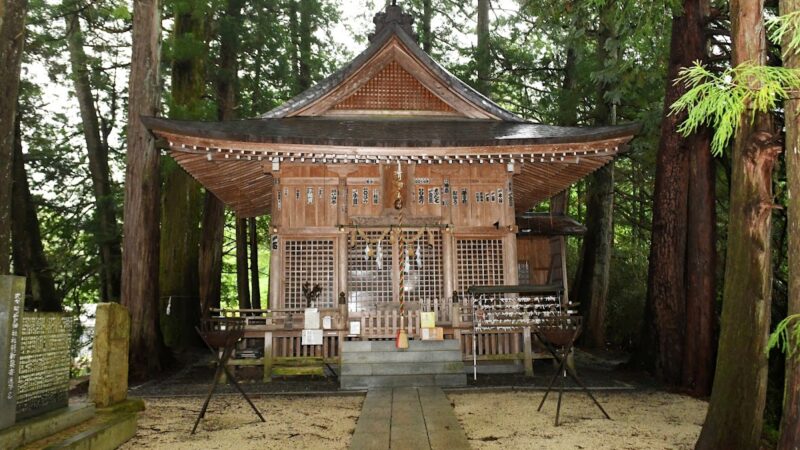
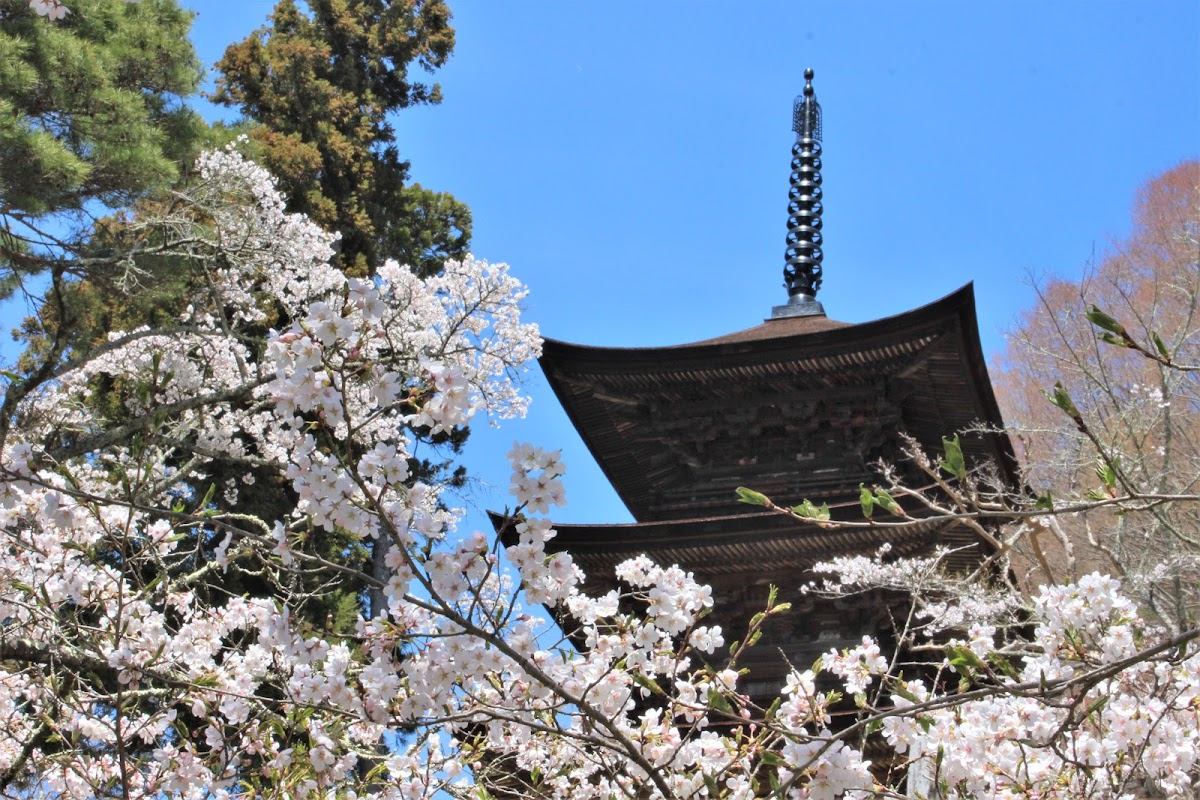
Anraku-ji Temple, a Soto Zen sect temple located in Bessho Onsen, Ueda City, Nagano Prefecture, is known for its National Treasure Octagonal Three-Storied Pagoda, the oldest Zen temple-style building in Japan. Bessho Onsen is also known as “Shinshu’s Kamakura,” and Anraku-ji Temple is a central part of it.
History and Origin
Anraku-ji Temple is said to have been founded during either the Nara or Heian period, and was initially a Tendai sect temple. During the Kamakura period, it converted to the Soto sect and was strongly influenced by Zen monks who came to Japan from China. Rankei Doryu’s writings state, “Kencho (Kencho-ji Temple in Kamakura) and Shioda (Anraku-ji Temple) are each single temples, and sometimes over a hundred monks, sometimes around fifty, all gather here to study Buddhism and the Way,” indicating its importance as a Zen training ground during the Kamakura period.
Characteristics of the National Treasure Octagonal Three-Storied Pagoda
The octagonal three-storied pagoda is estimated to have been built from the late Kamakura period to the early Muromachi period, and was designated a National Treasure in 1952 as the only octagonal pagoda in Japan. It is a building that embodies the essence of Zen Buddhist (Tang-style) architecture, with the roofs of each story exhibiting a unique and beautiful curve. The pagoda is approximately 18.75 meters tall and actually has a four-story structure (including the lower roof of the first story).
Visiting Information
Visiting Hours: 8:00 AM – 5:00 PM (March – October), 8:00 AM – 4:00 PM (November – February)
Admission Fee: Adults 500 yen, Elementary and Junior High School Students 200 yen
Access:
- Approximately 15 minutes on foot from Bessho Onsen Station on the Ueda Electric Railway Bessho Line
- Approximately 30 minutes by car from Ueda Sugadaira IC on the Joshinetsu Expressway
To reach the temple grounds, you need to climb stone steps; there are approximately 100 steps to the octagonal three-story pagoda. It is especially beautiful during the spring lush greenery and autumn foliage seasons, attracting many visitors.
Anrakuji Temple, Kyoto
A Temple Associated with Honen Shonin
Located in Shishigatani Goshonodan-cho, Sakyo-ku, Kyoto City, Anrakuji Temple is deeply connected to Jurenbo and Anrakubo, disciples of Honen Shonin, the founder of the Jodo sect. It currently operates as an independent temple of the Jodo sect.
The Tragic History of the Kenkyu Persecution
During the Kenkyu era (1190s), in the early Kamakura period, Juren and Anraku performed the Rokuji Raisan (Six-Time Praise) at a hermitage in Higashiyama Shishigatani, attracting many people. Their beautiful chanting captivated Matsumushihime and Suzumushihime, ladies-in-waiting to Emperor Go-Toba, leading them to decide to become nuns.
However, this angered Emperor Go-Toba, and in 1207, Jūren and Anraku were sentenced to death, while Honen Shonin was exiled to Sanuki and Shinran Shonin to Echigo, resulting in the “Ken’ei Persecution.” The current Anraku-ji Temple was built to commemorate these two men.
Special Openings and Pumpkin Memorial Service
Anraku-ji Temple is usually closed to the public, but special openings are held in spring and autumn.
Spring Special Opening: Late April to early May (azalea season)
Autumn Special Opening: Early November to early December (autumn foliage season)
Particularly famous is the “Pumpkin Memorial Service” held on July 25th. There is a tradition that eating pumpkins on the day of the summer solstice prevents strokes, and many worshippers visit every year. At the Pumpkin Memorial Service, boiled pumpkins are served, and prayers are offered for the health and well-being of the worshippers.
Access
- Get off at “Shinnyodo-mae” bus stop (Kyoto City Bus), approximately 15 minutes on foot
- Get off at “Kinrin Shako-mae” bus stop (Kyoto City Bus), approximately 15 minutes on foot
Located in a quiet area slightly uphill from the Philosopher’s Path, it is known as a hidden gem of Kyoto.
Anraku-ji Temple, Minato-ku, Tokyo
A Modern Jodo Shinshu Temple
Anraku-ji Temple, located in Minato-ku, Tokyo, belongs to the Jodo Shinshu Honganji sect. Despite being in the heart of the city, it serves as a place to connect with the teachings of Shinran Shonin, providing a spiritual haven for modern people.
Temple Characteristics
In the midst of today’s busy society, our mission is to provide time to encounter the compassion of Buddha and the teachings of Shinran Shonin. We also accept consultations and strive for open temple management.
Annon Grave (Perpetual Memorial Grave)
In recent years, we have installed a new type of grave called “Annon Grave.” It is a perpetual memorial grave with individual plots, similar to a columbarium, and is a modern form of memorial service suitable for those without successors or those who desire an urban-style grave.
Access
Accessible from various lines of the Toei Subway and Tokyo Metro, the temple operates in a convenient location in the city center.
Shikoku Pilgrimage Site No. 6: Onsenzan Anrakuji Temple (Tokushima Prefecture)
As a Pilgrimage Site
Anrakuzan Anrakuji Temple, located in Kamiita-cho, Itano-gun, Tokushima Prefecture, is known as the sixth temple of the Shikoku 88 Temple Pilgrimage. It belongs to the Koyasan Shingon sect, and its principal image is Yakushi Nyorai (Medicine Buddha).
History and Legend
It is said to have been founded by Kobo Daishi Kukai in 815 (Kōnin 6). The temple’s name, “Anraku,” originates from the idea of attaining peace and comfort in both mind and body through the warm compassion of Yakushi Nyorai (the Medicine Buddha). There is also a legend that a hot spring once gushed forth within the temple grounds, and the mountain’s name, “Onsen-zan” (Hot Spring Mountain), is derived from this.
Temple Lodging and Visitor Information
As a temple on the Shikoku Pilgrimage, it offers temple lodging, accommodating pilgrims. You can rest and recover from the fatigue of your pilgrimage in a peaceful environment.
Access:
- Approximately 10 minutes by car from JR Kotoku Line “Itano Station”
- Approximately 15 minutes by car from Tokushima Expressway “Donari IC”
Anraku-ji Temple, Senrioka, Settsu City, Osaka Prefecture
A Temple Open to the Community
Anraku-ji Temple, located in Senrioka, Settsu City, Osaka Prefecture, is a Jodo Shinshu Honganji-ha temple that engages in activities deeply rooted in the local community.
Temple Initiatives
We aim to be an open temple where even non-parishioners can easily consult with us. We handle a wide range of services, from Buddhist ceremonies such as funerals, memorial services, and interment, to even pet cemeteries. Our flexible temple management, which responds to modern needs, is a key feature.
Access
Within walking distance of JR Kyoto Line’s “Senrioka Station,” it is easily accessible for residents of the Osaka Hokusetu area.
Narikiyama Anrakuji Temple, Ome City, Tokyo
Ancient Temple of Iwakura Onsenkyo
Anrakuji Temple, located in Ome City, Tokyo, is also known as Narikiyama Aizenin and belongs to the Buzan branch of the Shingon sect. Its principal image is Fudo Myoo, and it is located in the Iwakura Onsenkyo area.
Founding and History
It is said that Anrakuji Temple originated during the Wado era (708-714) when Gyoki Bodhisattva carved and enshrined Gundari Myoo in a hall. Records show that during the Kamakura period, Minamoto no Yoritomo ordered his retainer, Hatakeyama Shigetada, to rebuild the temple buildings.
Access
Approximately 30 minutes by bus from Higashi-Ome Station on the JR Ome Line, located in a lush natural environment.
Guidelines for Visiting Anrakuji Temple
Visiting Manners
When visiting any Anrakuji temple, please observe the following basic manners:
- Dress Code: Avoid revealing clothing and wear clean attire.
- Photography: Refrain from taking photos in areas where photography is prohibited.
- Quietness: Be quiet within the temple grounds and avoid disturbing other visitors.
- Offerings: Offer your admission fee and donation respectfully.
- Reservations: Make reservations for temple lodgings and memorial services early.
Points to Note During Visits
- Some temples have limited special opening periods, so check the official website in advance.
- Wear comfortable shoes if the temple has many stairs.
- Note that visiting hours may vary depending on the season.
- General visits may be restricted during memorial services and events.
Annual Events at Anrakuji Temple
Main Events
Each Anrakuji temple holds annual events that reflect the unique characteristics of its sect and region.
Anrakuji Temple, Bessho Onsen, Nagano:
- Spring Special Opening (Season of Fresh Greenery)
- Autumn Special Opening (Season of Autumn Leaves)
Anrakuji Temple, Jurenzan, Kyoto:
- Pumpkin Memorial Service (July 25th)
- Spring Special Opening (Season of Azaleas)
- Autumn Special Opening (Season of Autumn Leaves)
Anrakuji Temple, Shikoku Pilgrimage:
- Spring and Autumn Equinox Services
- Kobo Daishi Memorial Service
Special Opening Schedule for the Reiwa Era
Special openings are planned at each Anrakuji temple, mainly in spring and autumn, during the Reiwa 8th year (2026). Specific dates can be found on each temple’s official website or in their announcements. Anrakuji Temple in Kyoto, in particular, is usually closed to the public, making the special opening period a valuable opportunity.
Access to Anrakuji Temple and Surrounding Sightseeing
Nagano, Bessho Onsen, Anrakuji Temple Area
Bessho Onsen boasts many temples and shrines besides Anrakuji Temple, including Kitamuki Kannon and Jorakuji Temple. It’s also a thriving hot spring resort town, allowing visitors to enjoy the hot springs after their pilgrimage. Ueda Castle and historical sites associated with the Sanada clan are nearby, making it an ideal base for historical exploration.
Kyoto, Jurenzan Anrakuji Temple Area
Famous landmarks of Kyoto’s Higashiyama district, such as the Philosopher’s Path, Ginkakuji Temple, and Honen-in Temple, are within walking distance. You can visit multiple temples and shrines while strolling along quiet walking paths. The area is a highlight of Kyoto sightseeing, with beautiful cherry blossoms in spring and autumn foliage in fall.
Tokushima, Shikoku Pilgrimage, Anrakuji Temple Area
Many visitors come as part of the Shikoku 88 Temple Pilgrimage, and planning a pilgrimage route that includes the temples before and after is efficient. Tokushima Prefecture has many other pilgrimage sites, allowing you to experience the pilgrimage culture.
Summary
Anrakuji temples throughout Japan are precious temples, each possessing its own unique history and cultural value. From the Anrakuji in Nagano with its National Treasure architecture, to the Anrakuji in Kyoto that tells a tragic history, to the Anrakuji in Tokushima that attracts worshippers as a pilgrimage site on the Shikoku Pilgrimage, and even urban Anrakuji temples with modern temple management, each offers a diverse range of attractions.
When visiting, checking the characteristics and opening hours of each temple in advance and observing proper etiquette will lead to a deeper experience. As the name “Anraku” suggests, please visit Anrakuji temples throughout Japan in search of peace of mind.
By experiencing Buddhist culture, learning about history, and enjoying beautiful architecture and nature, you can spend a special time away from everyday life. For the latest information and detailed visiting guides for each Anrakuji temple, please check their respective official websites.