Complete Guide to Kumano Shrines: A Thorough Explanation of the History, Benefits, and Major Shrines of Kumano Faith Spreading Across Japan
Kumano shrines are numerous throughout Japan, numbering over 3,000, and have long been cherished by ordinary people. Originating from the Kumano Sanzan (Three Grand Shrines of Kumano) in Kishu (Wakayama Prefecture), the faith spread throughout the country along with the Kumano pilgrimage, which flourished from the Heian period to the Kamakura period. This article provides a detailed explanation of the history of Kumano shrines, their enshrined deities, their benefits, and major Kumano shrines throughout Japan.
What are Kumano Shrines?
Kumano shrines are a general term for shrines founded by inviting the Kumano Gongen, the deity enshrined at the Kumano Sanzan (Kumano Hongu Taisha, Kumano Hayatama Taisha, and Kumano Nachi Taisha) in Wakayama Prefecture. “Inviting” means moving a divided spirit of a deity or Buddha to another location for worship.
What are the Kumano Sanzan (Three Grand Shrines of Kumano)?
The Kumano Sanzan, the heart of Kumano faith, are shrines, each with distinct characteristics:
- Kumano Hongu Taisha (Hongu): Dedicated to Ketsumimiko-no-Okami (also known as Susanoo-no-Mikoto), it is the central shrine of the Kumano Sanzan.
- Kumano Hayatama Taisha (Shingu): Dedicated to Kumano Hayatama-no-Okami and Kumano Fusumi-no-Okami.
- Kumano Nachi Taisha (Nachi): Dedicated to Kumano Fusumi-no-Okami, with Nachi Falls as its sacred object.
The deities of these three shrines are collectively called “Kumano Gongen” or “Kumano Okami,” and Kumano shrines throughout Japan enshrine one or more of these deities.
Kumano Gongen and its Deities
The deities enshrined at Kumano shrines vary depending on the shrine, but the following gods are primarily worshipped:
- Izanagi-no-Mikoto: The male deity who created the land in Japanese mythology
- Izanami-no-Mikoto: The goddess who created the land, wife of Izanagi-no-Mikoto
- Hayatama-no-Mikoto: Kumano Hayatama-no-Okami
- Kotosaka-no-Mikoto: Kumano Kotosaka-no-Okami
- Ietsumi-no-Mikoto: Identified with Susanoo-no-Mikoto
During the era of syncretism of Shinto and Buddhism, a form of worship influenced by Buddhism developed as Kumano Gongen, and Amida Buddha, Yakushi Buddha, and Senju Kannon were assigned as the principal deities.
The History and Nationwide Spread of Kumano Faith
The Rise of Kumano Pilgrimages
The greatest factor in the nationwide spread of Kumano faith was the “Kumano Pilgrimage,” which flourished from the late Heian period to the Kamakura period. Retired emperors and nobles repeatedly visited the Kumano Sanzan (Three Grand Shrines of Kumano), and it is recorded that Emperor Go-Shirakawa made the pilgrimage 34 times in his lifetime.
The Kumano Pilgrimage became a popular faith, attracting many people regardless of social status, to the point of being called “the Kumano Pilgrimage of Ants.” This was due to the belief that Kumano Gongen was a tolerant deity who accepted everyone regardless of their sins, as a “land of rebirth.”
The Spread of Kumano Guides and the Invocation of Deities
Shugendo practitioners called “Kumano Sendachi” (Kumano guides) spread Kumano faith throughout Japan. They invited Kumano Gongen to various locations and established Kumano shrines as guardian deities of those regions.
They had particularly strong ties with Shugendo (mountain asceticism), and mountain ascetics played a role in spreading Kumano faith. The Kyoto Kumano Shrine is considered to have originated in 811 AD when the Shugendo monk Nichien Shonin invited Kumano Okami to Kyoto.
The Manor System and Kumano Faith
When powerful nobles and samurai donated manors, it was common to invite Kumano Gongen as the guardian deity of those manors. This led to the spread of Kumano shrines to rural areas throughout Japan.
From the Kamakura period onward, Kumano faith also permeated the samurai class, and warlords such as Minamoto no Yoritomo made pilgrimages to Kumano. Due to this social background, Kumano shrines came to be distributed throughout Japan, from Hokkaido in the north to Okinawa in the south.
Benefits of Kumano Shrine
Kumano Shrine is believed to offer a variety of benefits, attracting worshippers with diverse wishes. The main benefits include:
Matchmaking and Marital Harmony
Izanagi-no-Mikoto and Izanami-no-Mikoto are the first divine couple to be united in Japanese mythology, and are believed to grant blessings for matchmaking and marital harmony. Many Kumano Shrines offer amulets and votive tablets for matchmaking.
Safe Childbirth and Fertility
Based on the creation myth, blessings for safe childbirth and fertility are also widely believed. Many pregnant women visit to pray for safe childbirth, and some shrines offer prayers for maternity belts.
Healing from Illness and Longevity
Kumano Gongen is considered a “god of resurrection,” and is believed to grant blessings for healing from illness and longevity. In particular, Hayatamao-no-Mikoto and Kotoshikao-no-Mikoto are worshipped as gods of protection against misfortune and healing from illness.
Protection from Misfortune and Good Fortune
Many visitors come to pray for protection from misfortune at important life events and for improved luck. Due to its connection with Shugendo (Japanese mountain asceticism), it is believed to possess particularly powerful spiritual energy.
Other Benefits
- Family Safety: Protecting the safety and peace of all family members
- Traffic Safety: As a deity protecting safe travels
- Business Prosperity: Success and prosperity in business
- Academic Achievement: Improvement in academics
- Fire Prevention: Protection from fire
Major Kumano Shrines Nationwide
From among the many Kumano shrines throughout Japan, we introduce major shrines with particularly long histories and a large following.
Kyoto’s Three Kumano Shrines
Kyoto has three Kumano shrines known as “Kyoto’s Three Kumano Shrines,” each with an important history.
Kumano Shrine (Sakyo-ku, Kyoto City)
Founded in 811 (Kōnin 2) by the Shugendō practitioner Nichien Shōnin, this is the oldest of the three Kumano shrines in Kyoto. It is worshipped as the guardian deity of Shōgoin Temple and is known for its blessings of matchmaking, safe childbirth, and healing from illness. As one of Kyoto’s sixteen major shrines, it attracts many worshippers.
The main hall enshrines Izanagi-no-Mikoto, Izanami-no-Mikoto, Hayatamao-no-Mikoto, and Kotoshikao-no-Mikoto. Amulets shaped like the Yatagarasu (three-legged crow) are also popular within the shrine grounds.
Shin-Kumano Shrine (Imakumano Jinja, Higashiyama-ku, Kyoto City)
Founded in 1160 (Eiryaku 1) by Emperor Go-Shirakawa as the guardian shrine of Hōjūji-dono. It is said that soil and timber were transported from the Kumano Sanzan (three Kumano shrines) to construct it, and the trees within the grounds were also transplanted from Kumano.
In particular, the large camphor tree, over 900 years old, is revered as a sacred tree and is believed to bring good health and longevity. This is an important shrine that conveys the deep faith of Emperor Go-Shirakawa in Kumano.
Nyakuoji Shrine (Sakyo-ku, Kyoto City)
Founded in 1160 by Emperor Go-Shirakawa, it is one of the three Kumano shrines in Kyoto. Located at the southern end of the Philosopher’s Path, it is also known as a famous cherry blossom viewing spot.
Kumano Shrines in the Kanto Region
Morooka Kumano Shrine (Kohoku-ku, Yokohama City)
Founded in 724 by Zenju Sennin, it is the center of Kumano faith in the Kanto region. As the guardian shrine of northern Yokohama, it has long attracted fervent devotion.
With a sacred tree said to be over 1000 years old on its grounds, it is known as one of the oldest shrines in the Kanto region. Every July, the annual festival is held with great fanfare, attracting many worshippers.
Kumano Shrine (Meguro Ward, Tokyo)
It is said that this shrine was founded during the Kamakura period by local prominent figures who invited the divine spirit from Kumano Hongu Shrine in Kishu. As a shrine deeply rooted in the Meguro Ward community, it is beloved by the local people.
Kumano Shrine (Tateishi, Katsushika Ward, Tokyo)
Known as Gohoyama Kumano Shrine, it is said to be associated with the Onmyoji (diviner) Abe no Seimei. It enshrines Izanagi-no-Okami, Hayatamao-no-Okami, and Kotoshikao-no-Okami, and the 350-year-old twin camphor trees on the grounds are designated as a registered natural monument of Katsushika Ward.
It is believed to bring blessings for matchmaking, family safety, protection from evil, and healing from illness, and its Goshuin (shrine stamp) is also popular.
Kumano Shrines in the Tohoku Region
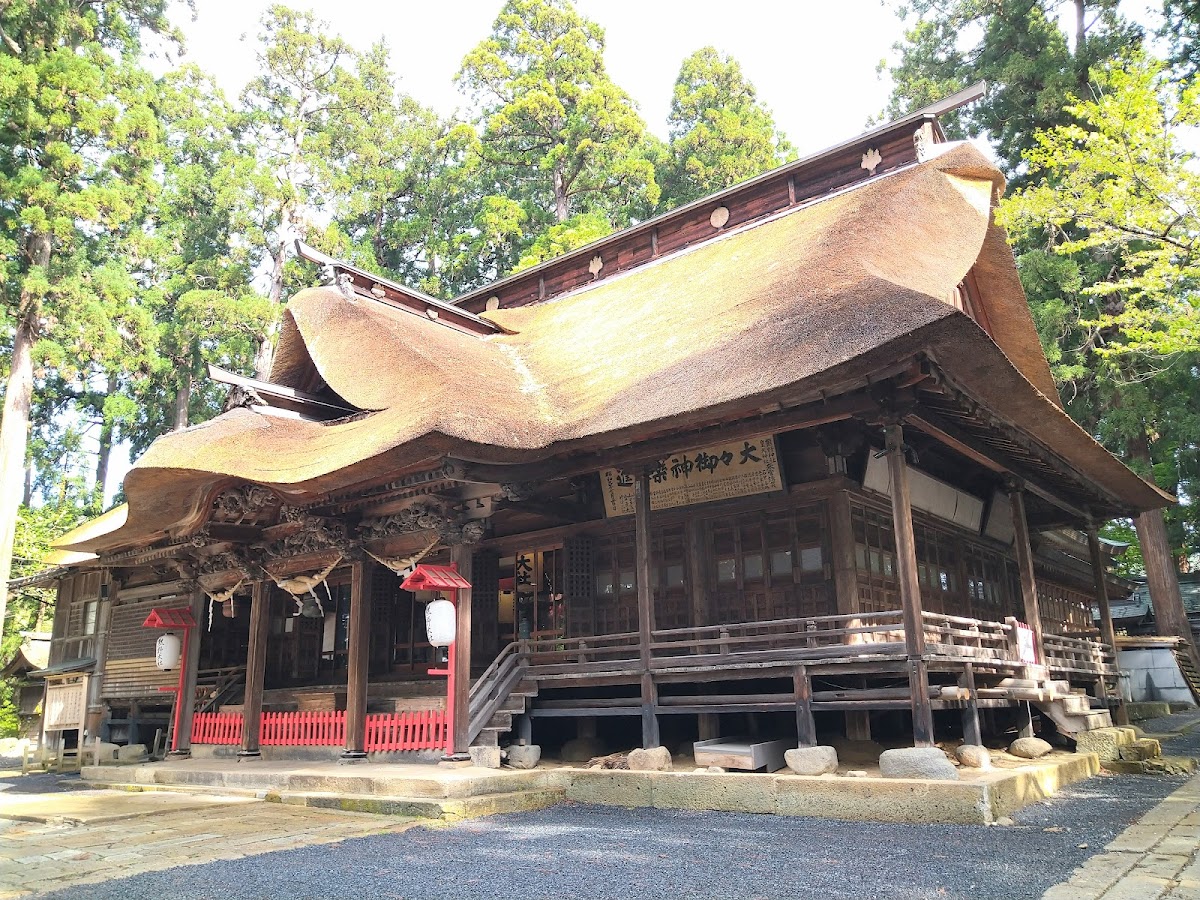
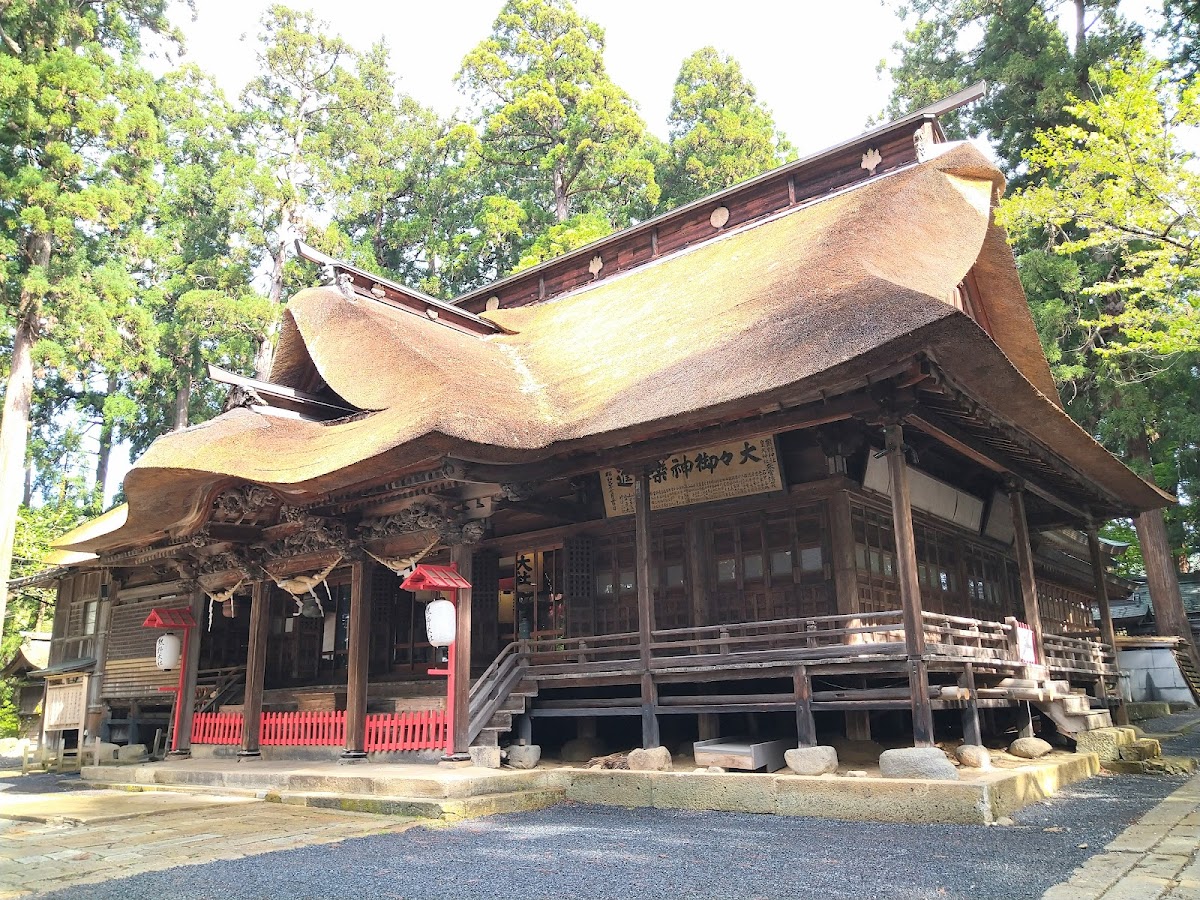
Kumano Taisha (Nanyo City, Yamagata Prefecture)
This ancient shrine, sometimes called the “Ise of Tohoku,” boasts a history of over 1,200 years. It enshrines Izanagi-no-Mikoto and Izanami-no-Mikoto as its main deities and is known for its blessings related to matchmaking and marital harmony.
Considered one of the three major Kumano shrines in Japan, it holds a significant position as a center of Kumano faith in the Tohoku region. Many worshippers visit every year, and it is particularly popular among young people seeking matchmaking blessings.
Kumano Shrine (Natori City, Miyagi Prefecture)
Formerly known as “Kumano Shingu-sha,” it was the central shrine of the three Kumano shrines in Natori. After the Meiji era, it was renamed “Kumano Shrine” and is considered one of the leading Kumano shrines in the Tohoku region.
It has a main hall designated as a Miyagi Prefecture cultural property, and the traditional performing art of Kumano-do Bugaku is still passed down there. It is an important shrine in terms of both historical and cultural value.
Kumano Shrines in the Tokai Region
Kumano Shrine (Tokai City, Aichi Prefecture)
This shrine boasts a history of over 400 years and is nestled amidst a lush, natural forest. As a center of local faith, various festivals and ceremonies are held here.
It is also actively involved in community activities, and many worshippers visit during its seasonal festivals.
Distribution and Characteristics of Kumano Shrines
Overview of Nationwide Distribution
There are said to be over 3,000 Kumano shrines throughout Japan, and their distribution has the following characteristics:
- Kinki Region: Numerous shrines centered around Wakayama Prefecture, the place of origin.
- Kanto Region: Widely distributed due to the faith of the samurai class since the Kamakura period.
- Tohoku Region: Strongly connected to Shugendo (mountain asceticism) and fused with mountain worship.
- Kyushu Region: Many distributed along the coast due to the movement of the Kumano naval force.
Differences in Beliefs by Region
There are slight differences in the forms of worship at Kumano shrines depending on the region:
Kumano shrines in urban areas tend to be visited as shrines to fulfill personal wishes such as matchmaking and good fortune. Many young people can be seen visiting Kumano shrines in Kyoto and Tokyo.
Kumano shrines in rural areas function as local guardian deities, places to pray for abundant harvests and the safety of the region. They play a central role in local festivals and events. Kumano Shrines in mountainous areas often have strong ties to Shugendo (mountain asceticism) and possess a unique form of worship that blends with mountain worship.
Main Rituals and Festivals
Kumano Shrines hold various rituals and festivals throughout the year. Here are some of the main ones:
Annual Grand Festival
Many Kumano Shrines hold their annual grand festival (Reitaisai) in spring or autumn. This is an important festival that conveys local traditions, including a portable shrine procession and the dedication of Kagura (sacred dance).
New Year’s Visit
Many worshippers visit the shrine for their first shrine visit of the new year. They pray for safety throughout the year and the health of their families.
Setsubun Festival
On Setsubun in February, bean-throwing ceremonies are held to ward off evil and pray for good fortune.
Summer Purification Ceremony
At the end of June, the “Summer Purification Ceremony (Nagoshi no Oharae)” is held to purify oneself of the impurities accumulated over the past six months. Many shrines also offer the ritual of passing through a ring of reeds.
Shichi-Go-San
In November, Shichi-Go-San visits are held to celebrate children’s growth and pray for their continued healthy development.
Etiquette for Visiting Kumano Shrine
Here are some basic etiquette guidelines for visiting Kumano Shrine.
Preparations Before Visiting the Shrine
- Bow Before Entering the Shrine Gate: Bow before entering the sacred area.
- Purify Yourself at the Water Basin: Purify your left hand, right hand, and mouth in that order.
- Walk Along the Edge of the Path: The center is considered the path for the gods.
Visiting the Shrine
- Offer Your Offering: Carefully place your offering in the offering box.
- Ring the Bell: Ring the bell if one is present.
- Two Bows, Two Claps, One Bow: Bow deeply twice, clap twice, and finally bow once.
- State Your Wish Silently: After clapping, quietly state your wish.
After Visiting the Shrine
- Receive a Goshuin (Shrine Stamp): Obtain at the shrine office if desired.
- Amulets and Ema (Votive Tablets): Obtain at the reception area as needed.
- Bow When Leaving the Shrine Gate: Bow again when leaving the sacred area.
Kumano Shrine and the Yatagarasu
The Yatagarasu, a three-legged sacred bird, has a deep connection to Kumano faith.
Origin of the Yatagarasu
In Japanese mythology, it is said that when Emperor Jimmu got lost in the mountains of Kumano during his eastern expedition, a Yatagarasu sent by Amaterasu Omikami guided him. Since then, the Yatagarasu has been worshipped as a messenger of Kumano Gongen.
The Yatagarasu in Modern Times
The Yatagarasu is worshipped as a god of guidance and victory, and is now used as the symbol of the Japan Football Association. Many Kumano shrines offer amulets and votive tablets featuring the Yatagarasu design.
Kumano Shrine and Shugendo
Kumano faith and Shugendo (mountain asceticism) are closely related.
Fusion with Shugendo
The Kumano Sanzan (Three Grand Shrines of Kumano) have long been considered sacred sites of Shugendo and flourished as a place for mountain asceticism. Shugenja (mountain ascetics) considered the Kumano pilgrimage an important form of training and played a role in spreading the Kumano faith throughout Japan.
Connection with En no Gyoja
En no Gyoja (En no Ozunu), considered the founder of Shugendo, is said to have trained in Kumano, and he and his disciples appear in the founding histories of many Kumano shrines.
Kumano Shrines in Modern Times
Kumano Shrines as a Tourist Destination
In recent years, the number of visitors to Kumano shrines has increased due to the power spot boom and the popularity of collecting Goshuin (shrine stamps). In particular, many young people visit seeking matchmaking and good fortune.
World Heritage Site and the Kumano Kodo
The Kumano Sanzan and the Kumano Kodo were registered as a World Heritage Site in 2004 as “Sacred Sites and Pilgrimage Routes in the Kii Mountain Range.” As a result, many tourists from both within Japan and abroad have begun to visit, and interest in Kumano faith has also increased.
Center of Local Communities
Kumano shrines throughout Japan continue to play a central role in local communities even today. They serve as places to deepen community bonds through festivals, cleaning activities, and other events.
Points to Note When Visiting Kumano Shrines
Recommended Time to Visit
Kumano shrines are beautiful in every season, but the best times to visit are:
- Spring (March-May): Cherry blossoms and fresh greenery are beautiful, making for a refreshing visit.
- Autumn (September-November): The autumn leaves are beautiful, and many shrines hold their annual festivals.
- New Year’s Visit (January): Visit with your New Year’s wishes.
Visiting Multiple Kumano Shrines
There is also a custom of visiting multiple Kumano shrines in a region, known as the “Kumano Three Shrines Pilgrimage.” Pilgrimages to Kumano shrines in specific regions, such as the Kyoto Three Kumano or the Natori Kumano Three Shrines, are also recommended.
Collecting Goshuin (Shrine Seals)
Many Kumano shrines offer Goshuin. Bringing a Goshuincho (seal book) and collecting them as a memento of your visit is one of the joys of visiting.
Summary
Kumano shrines are important shrines that continue the Kumano faith, which has continued since the Heian period. The faith in Kumano Gongen, which spread from the Kumano Sanzan in Kishu throughout Japan, has been embraced by many people regardless of social status and has been passed down continuously to the present day.
They offer a variety of blessings, including matchmaking, safe childbirth, healing from illness, and protection from evil, warmly welcoming visitors with their own wishes. Kumano shrines, located throughout Japan, are deeply intertwined with the history and culture of their respective regions and serve as a spiritual anchor for the local people.
When visiting a Kumano shrine, understanding its historical background and the meaning of its faith will allow for a deeper pilgrimage experience. Why not visit a Kumano shrine near you and feel the spirit of the Kumano faith that has continued for over a thousand years?