Complete Guide to Tenjin Shrines | A Thorough Explanation of the History, Benefits, and Worship Methods of Tenjin Shrines Nationwide
Tenjin shrines are numerous shrines located throughout Japan, primarily dedicated to Sugawara no Michizane, known as the god of learning. During exam season, they are bustling with many worshippers, who visit to pray for success in exams and academic achievement. This article provides a detailed explanation of Tenjin shrines, from their historical background to the characteristics of major shrines nationwide and how to worship.
What are Tenjin Shrines?
Tenjin shrines (Tenjin-sha, Tenjin-ja) are a general term for shrines that enshrine Sugawara no Michizane as their main deity. They are often affectionately called “Tenjin-san” or “Tenjin-sama,” and are revered as local guardian deities.
Origins of Tenjin Worship
Tenjin worship dates back to the Heian period. Sugawara no Michizane was born in 845 and was an accomplished scholar and politician, but was exiled to Dazaifu due to political intrigue, where he died in 903. Afterward, a series of strange occurrences occurred in the capital, which were attributed to the vengeful spirit of Sugawara no Michizane. To appease his spirit, Kitano Tenmangu Shrine was founded.
As time passed, his deity changed from a vengeful spirit to a god of learning and literature, and today he is widely worshipped as a god of academic success and passing exams.
Differences between Tenjin Shrine and Tenmangu Shrine
Tenjin Shrine and Tenmangu Shrine are basically the same shrines dedicated to Sugawara no Michizane, but there is a difference in their names. “Tenmangu” is mainly used for large shrines or head shrines, while “Tenjin Shrine” is a name often found for smaller, local shrines. However, this distinction is not strict and varies depending on the region and historical circumstances.
Deities and Benefits of Tenjin Shrine
Main Deity: Sugawara no Michizane
Sugawara no Michizane (845-903) was a nobleman, scholar, and politician of the Heian period. He displayed exceptional talent from a young age, served the imperial court as a scholar of literature, and rose to the position of Minister of the Right. Due to the depth of his knowledge, he is revered as the god of learning.
Main Benefits
The main benefits believed to be obtained by visiting Tenjin Shrine are as follows:
- Academic Success/Prayer for Passing Exams: This is the most well-known benefit, and many students and those preparing for exams visit the shrine.
- Improvement in Academics: This is worshipped by people who wish for improvement in all academic fields.
- Improvement in Literary Arts: This is also worshipped by people who wish for improvement in cultural arts such as calligraphy and literature.
- Protection from Misfortune and Disaster: There is also a belief in protection from misfortune through the spiritual power of Sugawara no Michizane.
- Honesty and Sincerity: This is a belief that seeks to benefit from the sincere character of Sugawara no Michizane.
Deities Enshrined
Depending on the Tenjin Shrine, the following deities may also be enshrined in addition to Sugawara no Michizane:
- Amaterasu Omikami
- Izanagi no Mikoto
- Sukunabikona no Kami
- Ōkuninushi-no-Ōkami
Major Tenjin Shrines Nationwide
Numerous Tenjin shrines are located throughout Japan. Here, we introduce representative Tenjin shrines by region.
Tenjin Shrines in the Tohoku Region
Tenjin Shrine (Kakuda City, Miyagi Prefecture)
The Tenjin Shrine located in Kakuda City is said to have been moved from Ishikawa to Kakuda in 1617 (Genna 3). It has been cherished by the local people as the tutelary deity of the three towns of Kakuda (Tenjin-chō, Naka-chō, and Hon-chō). It enshrines Sugawara no Michizane and plays an important role as the guardian deity of the town’s residences.
Tenjin Shrines in the Kanto Region
Tenjin Shrine (Nishitokyo City, Tokyo)
The Tenjin Shrine located at 6-7-19 Kitamachi, Nishitokyo City, Tokyo, enshrines Sugawara no Michizane. It is about a 10-minute walk from Hoya Station on the Seibu Ikebukuro Line and is revered as the local tutelary deity. The annual festival is held on October 15th, and many worshippers visit every year.
Tenjin Shrine (Fuchu City, Tokyo)
Located approximately 500 meters east of Okunitama Shrine, it sits on a small hill called Tenjin-yama in Miyacho 3-chome. Several large zelkova trees stand there, and it is also known as “Maruyama.” Its unusual placement as a subsidiary shrine on the north side is said to be the site of a provincial governor’s tomb.
Tenjin Shrine (Saitama City, Saitama Prefecture)
There are several Tenjin shrines in Saitama City:
- Kazewatano Tenjin Shrine (Kazewatano, Minuma Ward): A shrine that has been worshipped as the local guardian deity since ancient times.
- Terayama Tenjin Shrine (Terayama, Midori Ward): A shrine beloved by local residents.
Tenjin Shrine (Kanagawa Prefecture)
Tenjin shrines in Kanagawa Prefecture are affectionately called “Tenjin-san” by the local people. The exact founding date is unknown, but a Shingon Buddhist temple called Itokuzan Chokyoin Sankoji once served as its head temple. It is said to have been restored in 1561 by the monk Shuzan. A portrait of Sugawara no Michizane is preserved as a treasure.
Tenjin Shrines in the Chubu Region
Many Tenjin shrines are located in the Chubu region, each fostering its own unique faith. They are deeply rooted in people’s lives as local tutelary deities and gods of learning.
Tenjin Shrines in the Kinki Region
Tenjin Shrine (Kyotanabe City, Kyoto Prefecture)
Located on Mukaiyama in Matsui, Tanabe-cho, Kyotanabe City, at the western edge of the Matsui settlement, on a small hill at the foot of the mountain. The enshrined deities are Izanagi-no-Mikoto and Amaterasu-Omikami, and it was formerly a village shrine. This shrine is identified as “Amatsukan no Yashiro,” one of the 14 shrines in Tsuzuki District listed in the “Engishiki” Jinmyocho (Register of Shrines in the Engi Era), and has a long history dating back to ancient times.
Tenjin Shrine (Arida City, Wakayama Prefecture)
Located in Hatsushima-cho, Arida City, Wakayama Prefecture, the Tenjin Shrine enshrines Sugawara no Michizane and has been worshipped as the tutelary deity of Shohama Village since ancient times. According to the “Shrine Details Register,” it is said to have been established in 1661 (Manji 4) by inviting the deity from Kitano Tenmangu Shrine in Yamashiro Province. A stone monument inscribed with “Dedicated to the sacred image of Tenjin, on an auspicious day in April, Manji 4” remains on the shrine grounds, telling the story of its history.
Tenjin Shrine (Kadoma City, Osaka Prefecture)
Located in Kadoma City, the Tenjin Shrine is widely revered as a shrine for “protection against cancer.” It is also known for its Doll Burning Thanksgiving Festival, and the autumn festival features a magnificent procession of taiko drum floats and danjiri (festival floats), the most spectacular in the surrounding area. As a shrine that evokes a sense of “heart,” it serves as a spiritual pillar for the community.
Tenjin Shrines in the Chugoku Region
Tenjin Shrine (Izumo City, Shimane Prefecture)
The Tenjin Shrine, located within the Kitajima Kokuzokan of Izumo Taisha, enshrines Sukunabikona-no-kami. In front of the Shinji Pond stands a statue of Sukunabikona-no-kami, depicting him riding on the back of a sea turtle, navigating the rough waves of the Sea of Japan. Sukunabikona-no-kami is said to be a small god who, along with Okuninushi-no-kami, helped build the country.
Tenjin Shrines in the Shikoku Region
Tenjin shrines in the Shikoku region also have unique forms of worship in each area, making them an important part of local culture.
Tenjin Shrines in the Kyushu Region
Takada Tenjin Shrine (Miyama City, Fukuoka Prefecture)
Located in Miyama City, Fukuoka Prefecture, Takada Tenjin Shrine is a historic shrine that celebrated the 800th anniversary of the construction of the Tenjin Shrine. In 2022 (Reiwa 4), a commemorative project was completed, ushering in a new era. As an important center of Tenjin worship in the Kyushu region, it attracts many worshippers.
How to Visit a Tenjin Shrine
We will introduce the basic etiquette for visiting a Tenjin shrine.
Basic Etiquette for Worship
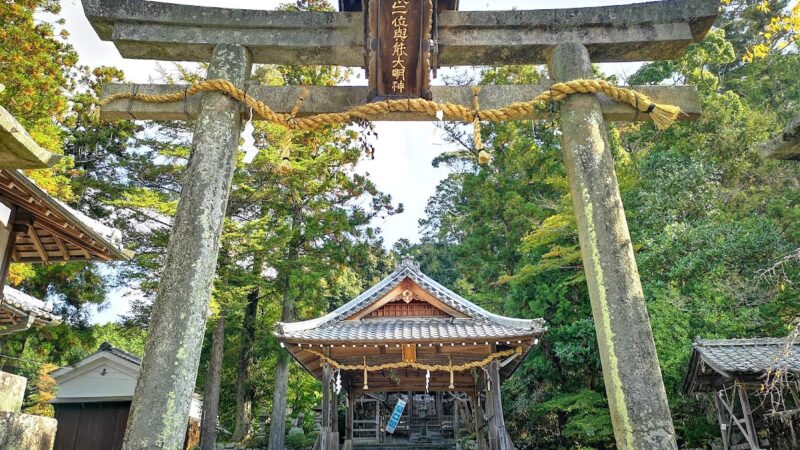
- Bow before passing through the torii gate: Before entering the sacred area, compose yourself and bow.
- Purify yourself at the water basin: Purify your left hand, right hand, and mouth in that order.
- Walk along the edge of the path: The center is considered the path of the gods.
- Etiquette in front of the main hall:
- Quietly place your offering in the offering box.
- Ring the bell (if present).
- Two bows, two claps, one bow (two bows, two claps, one bow).
- Be specific about your wish, and don’t forget to express your gratitude.
Points to Remember When Worshipping for Success
When students praying for success in exams visit Tenjin Shrine, keep the following points in mind:
- Timing: It is common to visit 1-3 months before the exam, but it is also acceptable to combine it with the New Year’s visit.
- Amulet: Obtain an amulet for academic success or passing exams.
- Ema (votive tablet): Clearly write your desired school and goals.
- Mindset: Don’t just rely on the gods; pledge your own efforts as well.
About Prayers
Many Tenjin shrines accept individual prayers:
- Prayer for passing entrance exams
- Academic success
- Prayer for admission to school
- Shichi-Go-San (7-5-3 festival)
- Exorcism
If you wish to have a prayer performed, it is recommended to contact the shrine in advance to make a reservation. The offering fee (prayer fee) varies depending on the shrine, but is generally around 5,000 to 10,000 yen.
Annual Events at Tenjin Shrines
Tenjin shrines hold various festivals throughout the year.
Main Annual Events
- Hatsumode (January 1st-3rd): A New Year’s visit to pray for academic success throughout the year.
- Tenjin Matsuri (around June 25th): A festival celebrating the birthday of Sugawara no Michizane.
- Reisai (Varies by Shrine): The most important festival at each shrine.
- Autumn Festival (around October): A festival expressing gratitude for the harvest and praying for the prosperity of the region.
- Oharai (June 30th, December 31st): A Shinto ritual to purify oneself of sins and impurities accumulated over the past six months.
Special Events During Exam Season
During the exam season from January to March, many Tenjin shrines hold special prayers for success in exams and events for students. Since the number of visitors increases during this period, it is recommended to visit with ample time to spare.
Architectural Style and Grounds of Tenjin Shrines
Characteristics of the Shrine Buildings
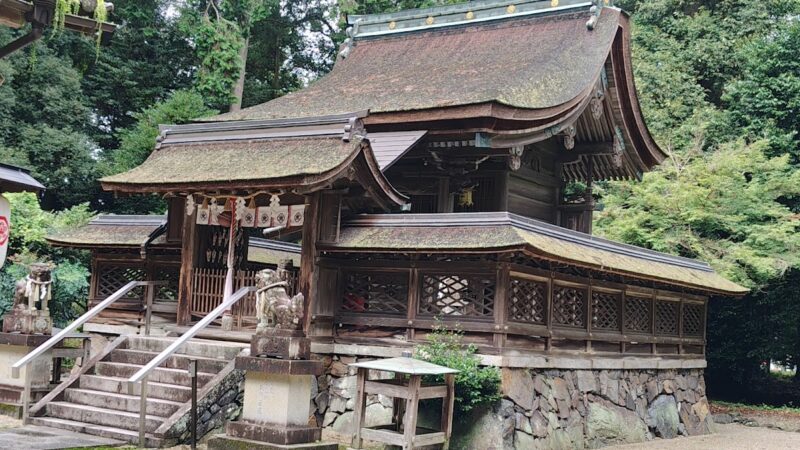
Tenjin shrine buildings follow traditional styles of shrine architecture while also reflecting the unique characteristics of each region. In most cases, they are structured as follows:
- Main Hall: The most sacred place where the deity is enshrined
- Worship Hall: The building where worshippers offer their prayers
- Offering Hall: The building connecting the main hall and worship hall (if present)
Highlights of the Shrine Grounds
The grounds of Tenjin shrines often feature the following elements:
- Divine Ox Statue: A statue of an ox deeply associated with Sugawara no Michizane. It is believed that stroking the statue brings good fortune in academics.
- Plum Tree: Often, a plum tree loved by Sugawara no Michizane is planted here.
- Brush Mound: A mound for commemorating worn-out brushes.
- Ema Hanging Place: Many ema (votive tablets) for passing exams are hung here.
- Water Basin: A place to purify oneself before praying.
Tenjin Shrines and Local Culture
Role as a Local Guardian Deity
Tenjin shrines are not merely places of worship, but also serve as the center of the local community. Through festivals and events, they serve as places to deepen the bonds among local residents.
Connection to Education
Tenjin shrines, which enshrine the god of learning, have deep connections to local education. In the past, many terakoya (private schools) were located near the shrines, and even today, events are sometimes held in cooperation with local schools.
Value as Cultural Assets
Some older Tenjin shrines possess shrine buildings and artifacts designated as Important Cultural Properties or Tangible Cultural Properties. These are valuable assets that convey the history and culture of Japan. ## Guidelines for Visiting Tenjin Shrine
Manners During Visits
When visiting Tenjin Shrine, please observe the following manners:
- Attire: Please dress in a clean and modest manner.
- Photography: Please be mindful of areas where photography is prohibited, such as inside the main hall.
- Quietness: Please be quiet on the shrine grounds and be considerate of other visitors.
- Trash: Please take all your trash with you.
- Pets: Pet policies vary by shrine, so please check in advance.
About Goshuin (Shrine Seals)
Collecting Goshuin has become popular in recent years. Many Tenjin shrines offer Goshuin (stamped seals), but please note the following:
- Goshuin are proof of worship, not a stamp rally.
- Always worship before receiving a Goshuin.
- Prepare your Goshuincho (stamp book) and request it politely.
- Prepare a donation (usually 300-500 yen).
Access to Tenjin Shrines
When visiting Tenjin shrines, it is recommended to check the latest access information on each shrine’s official website or local tourist information. Many Tenjin shrines are located in residential areas or urban areas, so they are often easily accessible by public transportation.
Points to Note When Visiting a Shrine
- Visiting Hours: While most shrines are open for worship from sunrise to sunset, the hours for prayers and the reception of amulets and other religious items are limited.
- Parking: During New Year’s and festivals, parking can be crowded, so using public transportation is recommended.
- Accessibility: Shrine grounds vary; please check in advance if you require wheelchair access or other mobility assistance.
Historical Significance of Tenjin Shrines
A Faith Continuing from the Heian Period
Tenjin worship has a history of over 1000 years and is an important part of Japanese spiritual culture. The deification of Michizane, who transformed from a vengeful spirit to a god of learning, reflects the Japanese view of life, death, and education.
Tenjin Shrines in the Reiwa Era
Even in the Reiwa era, Tenjin shrines remain popular with many people. Initiatives are being undertaken in various locations to adapt to the new era while preserving tradition, such as the 800th anniversary project of the reconstruction of the Tenjin Shrine at Takada Tenjin Shrine.
Summary
Tenjin shrines, dedicated to Sugawara no Michizane, the god of learning, are revered throughout Japan. From Tohoku to Kyushu, each region boasts its own unique Tenjin shrines, preserving their own history and traditions.
They are places to pray for success during exam season, as well as for daily worship, to calm the mind and gain strength to excel in studies and work. When visiting, please observe basic etiquette and manners, and visit with a grateful heart.
Visiting a Tenjin shrine is not merely a wish-making ritual, but also a place to pledge your own efforts. It is important to strive daily while believing in the god’s protection. Please visit a Tenjin shrine near you and receive the blessings of the god of learning.