Complete Guide to Senkoji Temple: A Thorough Explanation of Onomichi’s Scenic Spots, History, and Visiting Information
Senkoji Temple, a beloved symbol of Onomichi City, Hiroshima Prefecture, is located on the slopes of Mt. Daihozan at an altitude of 140m and is known as a scenic spot offering panoramic views of the Seto Inland Sea. This article comprehensively explains everything you need to know before visiting Senkoji Temple, including its history, highlights, access methods, and visiting information.
What is Senkoji Temple?: The Charm of Onomichi’s Representative Ancient Temple
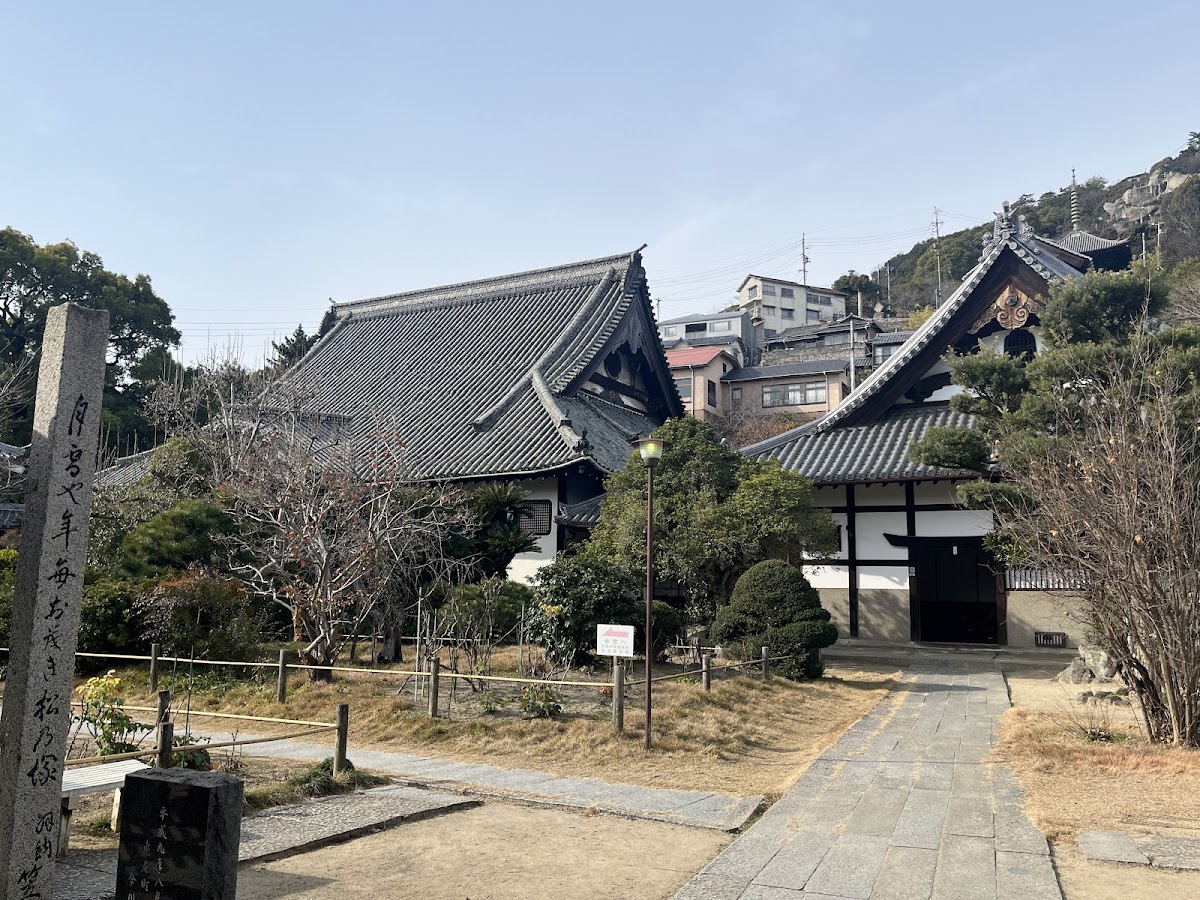
Senkoji Temple is a Shingon Buddhist temple said to have been founded in 806 AD by Kobo Daishi. Its official name is “Daihozan Gongen-in Senkoji,” and its restoration is attributed to Tada Mitsunaka, a military commander of the Heian period.
The Vermilion Main Hall, Known as the “Red Hall”
The most distinctive feature of Senkoji Temple is its vermilion main hall, built in the stage style. Known affectionately as “Akado” (Red Hall) due to its vibrant red color, the temple was also mentioned by the writer Fumiko Hayashi in her novel *Horoki* (A Wanderer’s Chronicle), where she wrote, “I can see the red pagoda of Senkoji Temple.” From the main hall, visitors can enjoy a panoramic view of the Onomichi Channel and the islands of the Seto Inland Sea. This scenery, along with the sound of Onomichi’s bells (selected as one of Japan’s 100 Soundscapes), captivates all who visit.
Principal Image and Miraculous Powers
The principal image of Senkoji Temple is the Thousand-Armed Kannon Bodhisattva, said to have been created by Prince Shotoku. This precious statue is only unveiled once every 33 years and has long been revered as the “Kannon of Fire Prevention,” believed to offer powerful protection against fire. Currently, it attracts many worshippers seeking the fulfillment of their wishes.
The History of Senkoji Temple: A Journey of Faith spanning over 1200 Years
From Founding to the Middle Ages
Senkoji Temple is said to have been founded in 806 AD (Daido 1) by Kobo Daishi Kukai. In the mid-Heian period, it was restored by Lord Tada Mitsunaka, and thereafter attracted the faith of sailors navigating the Seto Inland Sea. Its location on a mountainside also played an important role as a landmark for maritime traffic.
Connections with Literary Figures
From the Edo period through the Meiji and Taisho eras, Senkoji Temple became a place visited by many literary figures. In particular, Rai Sanyo, a Confucian scholar of the late Edo period, loved Senkoji Temple and wrote a Chinese poem about it, saying, “I have come to Senkoji Temple six years in a row.” Its scenic beauty and tranquil atmosphere attracted many cultural figures.
From Modern to Contemporary Times
Since the Meiji era, Senkoji Temple has continued to be a beloved symbol of Onomichi City, and with the development of Senkoji Park, it has also grown as a tourist destination. Currently, it attracts many worshippers and tourists throughout the year, making it a central spot for Onomichi tourism.
Highlights of Senkoji Temple: Exploring the Temple Grounds
Main Hall (Red Hall)
The main hall, painted in vermilion and built in a stage-like style, is the symbol of Senkoji Temple. Built in a cantilevered architectural style, the main hall, situated on a slope, offers spectacular views of Onomichi city and the Seto Inland Sea. The view at sunset is particularly exceptional, offering a beautiful spectacle of the Seto Inland Sea and the Onomichi cityscape blending together in the setting sun.
Bell Tower (Drum Rock)
The bell tower, built in the Ryugu-zukuri style, is also known as “Drum Rock.” The sound of this bell has been selected as one of “Japan’s 100 Soundscapes,” and the sound of the bell ringing in the morning and evening has become a characteristic feature of Onomichi. The view from the bell tower is also magnificent, offering views of ships traversing the Onomichi Channel and Mukaijima Island on the opposite shore.
Tama-no-Iwa (Jewel Rock)
The giant rock “Tama-no-Iwa” (Jewel Rock) within the temple grounds is considered one of Senkoji Temple’s seven mysteries. Legend says that a shining jewel once resided on top of this rock, and this is said to be the origin of the temple’s name, “Senkoji.” Currently, expansion work is planned for the sutra hall on the west side of Tama-no-Iwa, but worship is possible as usual.
Literary Path
The “Literary Path,” a walking trail leading from Senkoji Temple to Senkoji Park, is dotted with stone monuments inscribed with poems and songs by literary figures associated with Onomichi. It’s a literary walking path where you can enjoy the works of 25 literary figures, including Fumiko Hayashi, Naoya Shiga, and Shiki Masaoka.
Lovers’ Sanctuary
The area near the observation deck in Senkoji Park is designated a “Lovers’ Sanctuary,” making it a popular spot for couples. From the observation deck, you can enjoy a 360-degree panoramic view of Onomichi city and the islands of the Seto Inland Sea, creating a romantic atmosphere.
Senkoji Temple Visiting Hours and Access Information
Visiting Hours
Senkoji Temple is open from 9:00 to 17:00. While you can generally visit the temple grounds freely, the reception hours for the temple office and gift shop are limited to visiting hours. Since hours may change depending on the season and weather, it is recommended to check the official website for the latest information before visiting.
Access Methods
Access by Train
From JR Sanyo Main Line “Onomichi Station,” you can take a walk, ropeway, or bus.
- Using the Ropeway: Approximately 15 minutes on foot from Onomichi Station to “Senkojiyama Ropeway Base Station.” Approximately 3 minutes by ropeway, then approximately 5 minutes on foot from the mountaintop station to Senkoji Temple.
- By bus: Approximately 5 minutes by bus bound for “Nagaeguchi” from Onomichi Station bus stop, then approximately 15 minutes on foot from the “Nagaeguchi” bus stop.
- On foot: Approximately 25-30 minutes from Onomichi Station to Senkoji Temple (uphill).
Access by car
Approximately 20 minutes from the Sanyo Expressway “Onomichi IC” or approximately 30 minutes from the “Fukuyama-Nishi IC”. However, the roads around Senkoji Temple are narrow and can be crowded during peak tourist seasons and weekends, so using public transportation is recommended.
Parking Information
Senkoji Park parking lot is available. Parking fees are charged by the hour, and the lot may be full depending on congestion. Especially during cherry blossom season (late March to early April), autumn foliage season (November), Golden Week, and Saturdays and Sundays, congestion is expected, so please try to arrive early.
Traffic restrictions may be implemented around Senkoji Park during peak hours. It is recommended to check with the Onomichi City Tourism Division or Tourism Section in advance regarding restriction dates and times.
Information on Senkoji Temple’s Amulets and Goshuin (Temple Seals)
Types of Amulets
Senkoji Temple offers a variety of amulets for different blessings.
- Amulet for Fulfillment of Great Wishes: An amulet for praying for the fulfillment of all wishes.
- Amulet for Good Health and Longevity: An amulet for wishing for health and longevity.
- Amulet for Finding Love: An amulet for attracting good relationships.
- Amulet for Fire Prevention: An amulet that offers protection against fire (a traditional Senkoji Temple amulet).
- Amulet for Traffic Safety: An amulet for praying for safe travels.
Senkoji Temple also has an online amulet distribution service, allowing those from far away to obtain amulets.
About Goshuin (Temple Seals)
At Senkoji Temple, you can receive a Goshuin at the sutra hall after visiting the main hall. From April 1st, 2026, the fee for receiving a temple stamp (Goshuin) will be revised to 500 yen. This fee revision is for the maintenance and upkeep of the temple, and your understanding and cooperation are requested.
Senkoji Temple is one of the temples included in the “Onomichi Seven Buddha Pilgrimage,” and a special stamp book for the pilgrimage is available. When visiting temples and shrines in Onomichi, please enjoy collecting temple stamps as well.
Senkoji Temple’s Seasons: Seasonal Highlights
Spring: Famous Cherry Blossom Spot
Senkoji Park is a famous cherry blossom spot selected as one of “Japan’s Top 100 Cherry Blossom Spots.” From late March to early April, approximately 1,500 Somei Yoshino cherry trees bloom, creating a spectacular contrast between the Onomichi Channel and the blossoms. The trees are also illuminated at night, allowing visitors to enjoy the magical sight of cherry blossoms after dark.
Summer: Fresh Greenery and the Blue of the Seto Inland Sea
In early summer, Senkoji Temple is enveloped in vibrant green. The contrast between the blue of the Seto Inland Sea and the green of the mountains is beautiful, and visiting the temple while feeling the refreshing sea breeze is a special experience. The sunset over the Seto Inland Sea is especially beautiful in the summer evenings.
Autumn: The Colors of Autumn Leaves
From mid- to late November, the area around Senkoji Temple is adorned with autumn leaves. The contrast between the vermilion main hall and the autumn foliage is magnificent, attracting many photography enthusiasts. The view stretching to the distant islands in the crisp autumn air is breathtaking.
Winter: Silence and Crisp Air
In winter, Senkoji Temple is less crowded, allowing for a peaceful visit. The Seto Inland Sea viewed in the crisp winter air is particularly beautiful, and on clear days, you can sometimes see as far as the Shikoku Mountains.
Tourist Attractions Around Senkoji Temple
Senkoji Park
This park stretches from the summit to the middle of Mt. Senkoji, featuring an observation deck, art museum, and literary memorial room. From the summit observation deck at an altitude of 144.2m, you can enjoy a 360-degree panoramic view of Onomichi city and the islands of the Seto Inland Sea.
Senkoji Mountain Ropeway
Enjoy a scenic aerial ride of approximately 3 minutes from the base station to the summit station. From the ropeway, you can enjoy views of Onomichi city and the Seto Inland Sea, especially during cherry blossom and autumn foliage seasons.
Onomichi Hondori Shopping Street
Before or after visiting Senkoji Temple, you’ll want to stop by this approximately 1.2km long arcade shopping street that extends from Onomichi Station. Enjoy local cuisine such as Onomichi ramen, Onomichi-yaki, and seafood dishes.
Cat’s Alley
Cat’s Alley, one of the paths leading to Senkoji Temple, is a popular spot dotted with cat figurines called “Fukuishi Neko” (lucky stone cats). Cafes and galleries housed in renovated old houses line the alley, creating a unique atmosphere.
Senkoji Temple Experiences and Events
Sutra Copying and Buddha Image Copying Experience
At Senkoji Temple, you can experience sutra copying and Buddha image copying, calming your mind and connecting with Buddhist teachings (reservations may be required). Spend a precious time concentrating in the tranquil temple grounds.
Annual Events
Senkoji Temple holds various events throughout the year.
- New Year’s Visit (January 1st-3rd): The temple is bustling with many visitors.
- Setsubun Festival (February): Events include bean-throwing.
- Spring Equinox Festival (March)
- Flower Festival (April 8th): Celebrations commemorating the birth of Buddha.
- Autumn Equinox Festival (September)
- New Year’s Eve Bell Ringing (December 31st): May be open to the public.
For the latest event information, please check the official Senkoji Temple website.
Notes and Manners for Visiting Senkoji Temple
Clothing and Items to Bring
Since you will need to climb slopes and stairs to reach Senkoji Temple, comfortable shoes and clothing are recommended. In summer, the sun is strong, so bring a hat, sunscreen, and drinks. In winter, it can be windy, so warm clothing is necessary.
Temple Visiting Etiquette
- When visiting the main hall, first bow, then place your offering, ring the bell, and then clasp your hands together in prayer.
- Photography is permitted on the temple grounds, but please be considerate of other visitors.
- Photography may be prohibited inside the main hall; please follow the signs.
- Maintain a quiet atmosphere and refrain from loud conversations.
Tips for Avoiding Crowds
Senkoji Temple is a popular tourist spot, and is especially crowded during the following times:
- Cherry blossom season (late March to early April)
- Golden Week
- Summer vacation period
- Autumn foliage season (November)
- Saturdays, Sundays, and public holidays
If you want to avoid crowds, visiting on weekday mornings or evenings is recommended. Early morning hours offer a particularly peaceful and tranquil time for worship.
Latest Information and Announcements from Senkoji Temple
Regarding the Expansion of the Sutra Copying Office
From May 18th (Mon) to July 31st (Fri), 2026, expansion work is scheduled for the sutra copying office, extending from the rest area west of Tamanoiwa Rock to the slope below the main hall. While temple visits will be possible as usual during the construction period, there may be some restrictions on passage.
Notice of Revision of Goshuin (Temple Stamp) Fees
Effective April 1st, 2026, the sutra copying fee (Goshuin fee) will be revised to 500 yen. This revision is being implemented as a necessary measure for the maintenance and preservation of the temple and cultural properties.
How to Check the Latest Information
The latest information from Senkoji Temple can be checked using the following methods:
- Official Website (www.senkouji.jp)
- Official Instagram (@onomichi.senkouji)
- Inquiries to Onomichi City Tourism Division, Tourism Section
- Onomichi Tourism Association “Ononavi”
Changes to visiting hours due to weather and information on special events will be updated regularly on these official channels.
Onomichi Sightseeing and Senkoji Temple: Efficient Route
For 2-3 Hour Onomichi Sightseeing
If you have limited time to sightsee in Onomichi, the following route is recommended.
- Arrive at JR Onomichi Station
- Take the Senkojiyama Ropeway to the summit (approx. 3 minutes)
- Enjoy the view from the Senkoji Park observation deck (20 minutes)
- Visit Senkoji Temple (30 minutes)
- Descend the mountain while strolling along the Literary Path (30 minutes)
- Enjoy a meal and buy souvenirs at Onomichi Hondori Shopping Street (40 minutes)
- Return to Onomichi Station
This route allows you to efficiently visit Onomichi’s main attractions.
For a half-day to full-day trip
If you have more time, the following itinerary is also recommended.
- Morning: A leisurely stroll through Senkoji Temple and Senkoji Park
- Lunch: Enjoy Onomichi ramen and seafood dishes
- Afternoon: Visit other temples and shrines such as Neko no Hosomichi (Cat Alley), Ushitora Shrine, and Jodo-ji Temple
- Evening: Purchase souvenirs at Onomichi Hon-dori Shopping Street
Onomichi is known as the “City of Hills” and the “City of Temples,” and there are many other attractive temples and shrines besides Senkoji Temple. Visiting the “Onomichi Seven Buddhas Pilgrimage,” which includes Jikoji Temple, Tenneiji Temple, Kaifukuji Temple, Saikokuji Temple, Jodo-ji Temple, and Oyama-ji Temple, is also highly recommended.
Summary: Experience Onomichi’s History and Spectacular Views at Senkoji Temple
Senkoji Temple is a representative ancient temple of Onomichi with a history of over 1200 years, and a spectacular viewpoint offering panoramic views of the Seto Inland Sea from an altitude of 140m. With its vermilion main hall, Ryugu-style bell tower, and literary path, there are plenty of sights to see, and you can enjoy the beauty of each season, from cherry blossoms in spring to autumn leaves. Senkoji Temple is accessible on foot or by ropeway from Onomichi Station, and is open from 9:00 to 17:00. Amulets and temple stamps are popular, and you can also purchase them through the Senkoji Temple online store. However, it gets crowded during cherry blossom and autumn foliage seasons, as well as on Saturdays and Sundays, so visiting early or on a weekday is recommended.
Traffic restrictions may be in place around Senkoji Park, so please check the latest information from the Onomichi City Tourism Division or the official website before visiting. It’s also a good idea to check for announcements regarding expansion work on the temple office or revisions to temple stamp fees.
Senkoji Temple, a central hub of Onomichi tourism, offers a chance to experience history, culture, and breathtaking scenery. Be sure to visit and enjoy the beautiful views of the Seto Inland Sea and the tranquil atmosphere.