Complete Guide to Mishima Shrines: History, Benefits, and Visiting Information for All 400 Shrines Nationwide
Mishima Shrines (Mishima Jinja) are a group of historically significant shrines with over 400 locations throughout Japan. Sometimes written as “Mishima,” “Mishima,” or “Mishima,” they are deeply revered throughout the country as shrines based on the Mishima-Oyamazumi faith. This article provides a detailed explanation of Mishima Shrines, including their history, enshrined deities, benefits, characteristics of major shrines, and visiting information.
What are Mishima Shrines?
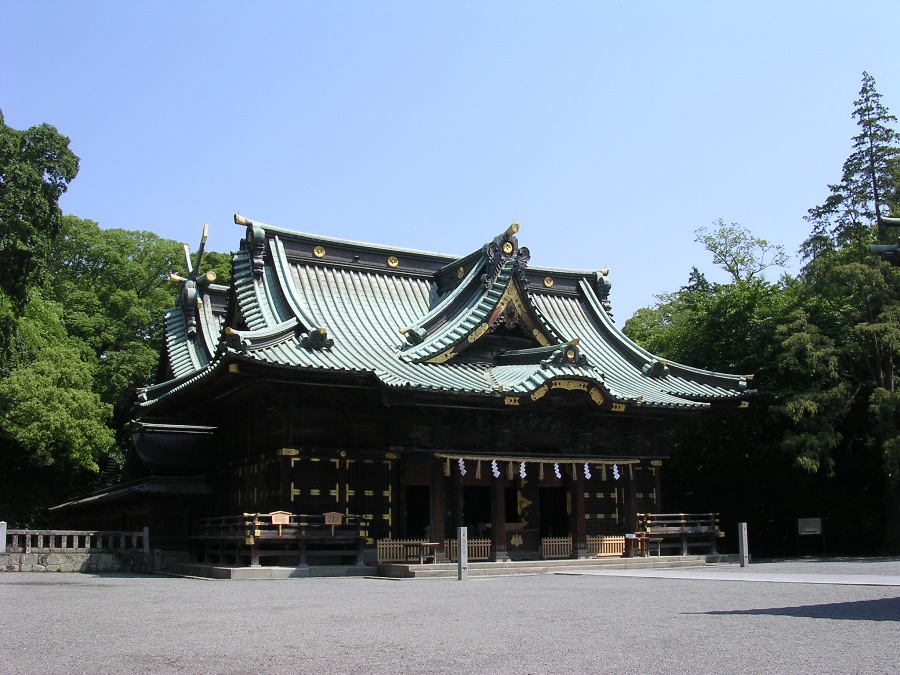
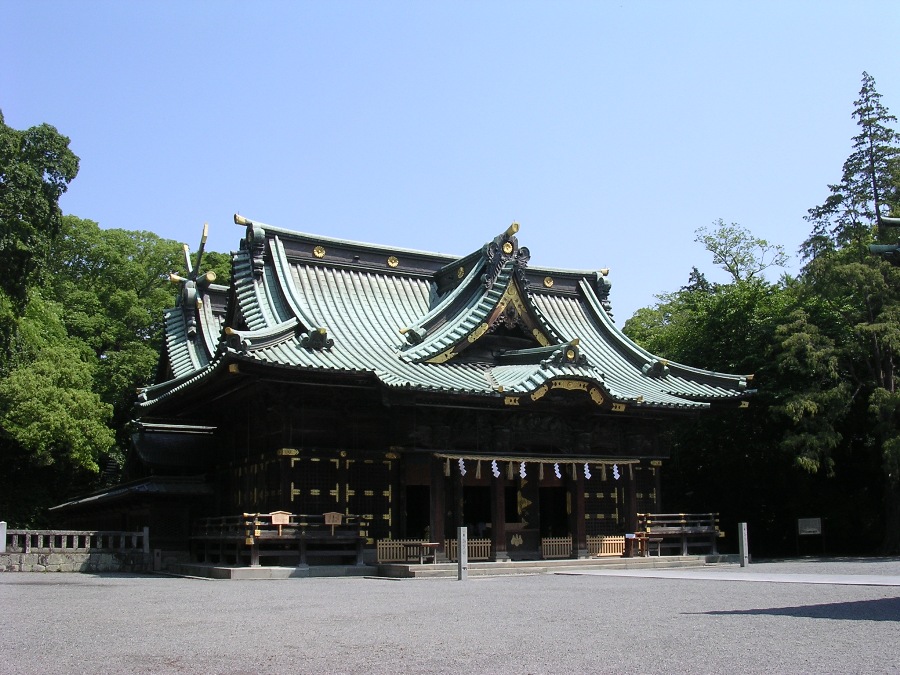
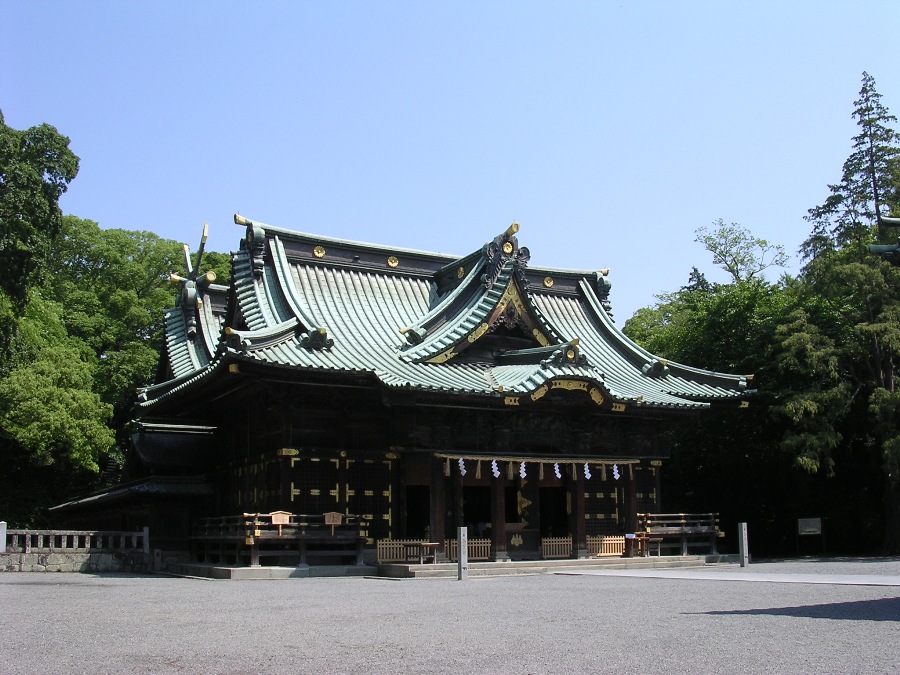
Mishima Shrines are a general term for shrines with “Mishima” in their name, and are based on the Mishima-Oyamazumi faith. The head shrines are considered to be the Oyamazumi Shrine (Oyamazumi Jinja) in Omishima, Imabari City, Ehime Prefecture, and the Mishima Taisha in Mishima City, Shizuoka Prefecture.
The Mishima Shrines, branch shrines throughout Japan, have cultivated their own unique history and traditions in each region, and have been revered as guardian deities of their respective areas. A notable characteristic is the large number of shrines with strong ties to samurai families, particularly Minamoto no Yoritomo and the Kono clan.
Deities enshrined at Mishima Shrine
Oyamatsumi-no-Mikoto
The principal deity of Mishima Shrine is Oyamatsumi-no-Mikoto. Known as a mountain and sea god in Japanese mythology, he is a venerable deity mentioned in the Kojiki and Nihon Shoki.
Oyamatsumi-no-Mikoto is considered a descendant of Susanoo-no-Mikoto, the elder brother of Amaterasu-Omikami, and is worshipped as a god who governs mountains, and also possesses a wide range of divine virtues, including maritime safety, military success, and business prosperity.
Other Deities Enshrined
Some Mishima Shrines enshrine the following deities alongside Oyamatsumi-no-Mikoto:
- Iwanagahime-no-Mikoto: Daughter of Oyamatsumi-no-Mikoto, goddess of longevity
- Konohanasakuya-hime-no-Mikoto: Daughter of Oyamatsumi-no-Mikoto, goddess of beauty and safe childbirth
- Kotoshironushi-no-Mikoto: God of business prosperity and fishing
It is believed that the enshrinement of these deities together brings a wider range of blessings.
Origin of Mishima Shrine
Spread of Faith from Iyo Province
The origin of Mishima faith lies in Oyamatsumi Shrine, located on Omishima Island in Imabari City, Ehime Prefecture. Situated at a strategic point in the Seto Inland Sea, this shrine has been revered since ancient times as a guardian deity of the sea and mountains.
Through sailors traversing the Seto Inland Sea, the Mishima faith spread to various regions, and Mishima shrines were established in port towns and important transportation hubs.
Relationship with Mishima Taisha Shrine in Izu Province
Mishima Taisha Shrine in Mishima City, Shizuoka Prefecture, is also an important center of the Mishima faith. As the Ichinomiya (first-ranked shrine) of Izu Province, it is known as the place where Minamoto no Yoritomo prayed for the restoration of the Minamoto clan.
Many branch shrines were established from Mishima Taisha, and many Mishima shrines in the Kanto region, in particular, have deep connections to this Mishima Taisha.
The Mongol Invasions and the Kono Clan’s Faith
During the Mongol invasions of 1281, Kono Michiari, a warrior from Iyo Province, prayed for victory at his tutelary shrine, Oyamazumi Shrine (Mishima Daimyojin), before setting out for battle. It is said that he achieved victory guided by the white heron, the divine messenger of Oyamazumi Shrine.
Upon his return from battle, Kono Michiari, guided by a divine revelation received in a dream, enshrined a分霊 (bunrei, a divided spirit) of Mishima Daimyojin in Toshima District, Musashi Province (present-day Tokyo). This is considered the origin of Mishima Shrine in Shitaya, Taito Ward, Tokyo.
The chief priest of this Mishima Shrine has traditionally been a member of the Kono family, descendants of Kono Michiari, maintaining a historical connection that continues to this day.
Benefits of Mishima Shrine
Mishima Shrine is believed to bestow various blessings through the divine virtues of its enshrined deity, Oyamatsumi-no-Mikoto.
Long-lasting Military Fortune and Victory
Oyamatsumi-no-Mikoto also possesses characteristics of a war god and has been revered by samurai warriors since ancient times. Many warriors, including Minamoto no Yoritomo and Kono Michiari, have a history of praying for victory in battle.
In modern times, it is worshipped for its blessings in various “competitions,” such as victory in sports, passing exams, and success in business.
Prayer for Unsuccess (Prayer for Passing Exams)
Mishima Shrine in Taito Ward, Tokyo, has a well called “Thunder Well,” and due to the legend of “never falling,” it is popular as a place for students to pray for success in exams and job interviews.
The benefit of “never falling” is believed not only in exams, but also in traffic safety, business stability, and various other situations.
Maritime Safety and Navigational Safety
As its head shrine is Oyamazumi Shrine, located on Omishima Island in the Seto Inland Sea, it is also deeply revered as a god of the sea, attracting worshippers from the fishing and shipping industries.
Business Prosperity and Success
As a god of mountains and sea, it is considered a guardian deity of all industries and is believed to bring blessings of business prosperity and success.
Family Safety and Protection from Evil
As a local guardian shrine, it is also widely worshipped for blessings of family safety, protection from evil, and prosperity of descendants.
Introduction to Major Mishima Shrines
Oyamazumi Shrine (Omishima, Imabari City, Ehime Prefecture)
One of the head shrines of the Mishima faith. As the head shrine of all Mishima and Oyamazumi shrines nationwide, it has attracted fervent devotion since ancient times. It houses numerous national treasures and important cultural properties, including armor and swords, and is also known as the “guardian shrine of all of Japan.”
Mishima Taisha (Mishima City, Shizuoka Prefecture)
Another head shrine. Known as the Ichinomiya (first-ranked shrine) of Izu Province, it is where Minamoto no Yoritomo prayed for the restoration of the Minamoto clan. Within the shrine grounds is a fragrant osmanthus tree over 1200 years old, designated as a national natural monument.
Mishima Shrine (Shitaya, Taito Ward, Tokyo)
A shrine established in 1281 by Kono Michiari as a token of gratitude for victory in the Mongol invasions. It is associated with the legend of the “Thunder Well” and is known for its blessing of “not falling.” This is a historic shrine where the Kono family has served as chief priest for generations.
Mishima Shrine (Kadoma City, Osaka Prefecture)
Mishima Shrine is revered as the local guardian deity. Grand festivals such as the Hatsuumasai (First Horse Day Festival) are held here, making it a central presence in the local community.
Mishima Shrine (Kimitsu City, Chiba Prefecture)
It is said to be a branch shrine of the Izu Mishima Shrine, which is associated with Minamoto no Yoritomo. The grounds, surrounded by towering cedar trees, are spacious and evoke the feeling of visiting an ancient world.
Mishima Shrine (Futami-cho, Iyo City, Ehime Prefecture)
A historic shrine established in 724 AD. It sits on a hill overlooking the Iyo Sea, and a legend remains that a turtle with a shining golden offering on its back swam to the beach.
Mishima Shrine: Major Festivals Throughout the Year
Mishima Shrine holds various festivals throughout the year. While the dates and content of festivals vary by shrine, here are some of the main ones:
Saitansai (January 1st)
A festival celebrating the New Year and praying for the prosperity of the Imperial Family, the peace and security of the nation, and the prosperity of parishioners and worshippers.
Setsubunsai (around February 3rd)
A festival where beans are scattered to ward off evil spirits and invite good fortune. Many Mishima shrines hold this festival on a grand scale, with participation from local residents.
Kinensai (February 17th)
A festival praying for a bountiful harvest of grains in the coming year. Also known as “Toshigoi no Matsuri.”
Reitaisai (around September)
The most important festival at the shrine. While the date varies by shrine, it is often held from mid- to late September and includes a portable shrine procession and Kagura (sacred dance) performances.
Niinamesai (November 23rd)
A festival to thank the gods for the year’s harvest. It is a national holiday, Labor Thanksgiving Day.
Great Purification Ceremony (June 30th, December 31st)
A Shinto ritual to purify and cleanse away the sins and impurities accumulated over the past six months. There are two main ceremonies: the Summer Purification Ceremony (June) and the Year-End Purification Ceremony (December).
Shrine Buildings and Cultural Properties
The grounds of Mishima Shrine contain many historically valuable buildings and cultural properties.
Main Hall and Worship Hall
These are the central buildings of each Mishima Shrine. Many were built during the Edo and Meiji periods, and are valuable cultural properties that convey the architectural style of the region.
Thunder Well (Mishima Shrine, Taito Ward, Tokyo)
A well with a legend of “never falling.” Legend says that when lightning struck, the thunder god took refuge in this well. In return, the god promised, “This well will never dry up, and those who worship this well will never fall.”
Many visitors, including students taking exams, come to pray for “unsuccessful exams.”
Mishima Shrine’s Stone Bridges
Some Mishima Shrines retain historical stone bridges. Many were built during the Edo period, making them valuable relics that convey the stonemasonry techniques of that time.
Mishima Shrine’s Kahyō Monument
“Kahyō” is another name for a torii gate. Some Mishima Shrines have stone monuments that record the origin and history of their torii gates.
Benchmark Leveling Points
Benchmark levels used in surveying projects during the Meiji era are inscribed on some stone structures at Mishima Shrines. Characterized by a symbol resembling the character “不” (fu), these are valuable relics that convey the history of modern surveying.
Subsidiary Shrines and Shrines within the Precincts
Within the precincts of Mishima Shrines, many subsidiary shrines such as Inari Shrine, Akiba Shrine, and Sannō Shrine are enshrined, and the worship of these deities continues.
Prayer Requests (including prayers for success in exams)
Mishima Shrine accepts various prayer requests.
Main Prayers
- Prayer for Success in Exams/Academic Achievement: For passing entrance exams and qualification exams
- Prayer for Success in Exams: A prayer for the benefit of “not failing”
- Family Safety: For the health and safety of the family
- Business Prosperity: For the prosperity and development of the business
- Exorcism: For protection from misfortune during unlucky years
- Traffic Safety: For the blessing of the car and prevention of traffic accidents
- Prayer for Safe Childbirth: For the safety of pregnant women and babies
- First Shrine Visit: For the healthy growth of babies
- Shichi-Go-San: A celebration of children’s growth
How to Apply for a Prayer
- Advance Reservation: Some shrines require advance reservations. Please check by phone or on the website.
- On-the-Day Registration: Fill out the application form at the shrine office. 3. Offering Fee: The offering fee varies depending on the type of prayer. Generally, it starts from 5,000 yen.
- Prayer Ceremony: You will receive a prayer ceremony performed by a Shinto priest. This takes approximately 20-30 minutes.
- Gift Items: After the prayer ceremony, you will receive gifts such as amulets and talismans.
Gift Items (Amulets, etc.)
Mishima Shrine offers a variety of gifts.
Amulets
- Success Amulet: An amulet for passing exams and tests.
- Unsuccessful Amulet: An amulet for the benefit of “never failing.”
- Victory Amulet: An amulet for success in all kinds of competitions.
- Traffic Safety Amulet: An amulet for traffic safety.
- Exorcism Amulet: An amulet for protection against evil.
- Health Amulet: An amulet for health and longevity.
- Safe Childbirth Amulet: An amulet for safe childbirth.
Goshuin (Shrine Seal)
Each Mishima Shrine offers a Goshuin as proof of worship. Bring your Goshuincho (seal book) and register at the shrine office. The offering fee is generally 300-500 yen.
Ema (Votive Tablet)
Ema are votive tablets on which wishes are written and offered. There are various types, such as prayers for success in exams and family safety.
Ofuda (Shinto Talisman)
Ofuda are talismans to be enshrined on the household Shinto altar. If there is no Shinto altar, enshrine them in a clean, high place facing south or east. ## How to Visit a Shrine and Etiquette
Basic Worship Etiquette
- Passing Through the Torii Gate: Bow before passing through the torii gate. The center of the path is the path of the gods, so walk along the side.
- Purifying at the Water Basin: Purify your left hand, then your right hand. Rinse your mouth with water in your left hand, and finally purify your left hand again.
- Proceeding to the Main Hall: Proceed quietly to the front of the main hall.
- Offering a Coin: Carefully place your offering in the offering box.
- Ringing the Bell: If there is a bell, ring it.
- Two Bows, Two Claps, One Bow: Bow deeply twice, clap twice, and finally bow deeply once.
- Departing: Before leaving the torii gate, turn around and bow once.
Attire for Visiting the Shrine
Casual attire is acceptable, but clean and subdued clothing is preferred. For those receiving prayers or blessings, more formal attire is appropriate.
Access and Visiting Information
Mishima Shrines are located throughout Japan, so access methods vary depending on the shrine.
Examples of Access to Major Mishima Shrines
Mishima Taisha (Mishima City, Shizuoka Prefecture)
- Approximately 15 minutes on foot from JR Tokaido Line/Izuhakone Railway “Mishima Station”
- Approximately 20 minutes from Tomei Expressway “Numazu IC”
Mishima Shrine (Taito Ward, Tokyo)
- Approximately 7 minutes on foot from Tokyo Metro Hibiya Line “Iriya Station”
- Approximately 10 minutes on foot from JR Yamanote Line “Uguisudani Station”
Visiting Hours
Most Mishima Shrines allow entry to the grounds from sunrise to sunset. Shrine office hours are generally 9:00 AM to 5:00 PM.
If you wish to request a prayer service, it is recommended to check the reception hours in advance on the website or by phone of each shrine.
Parking
Parking availability and capacity vary depending on the shrine. During busy periods such as New Year’s visits and annual festivals, the use of public transportation is recommended.
The Modern Significance of Mishima Shrine
Center of the Local Community
Mishima Shrine is not merely a religious facility, but a central presence in the local community. Through festivals and events, it serves as a place where local people gather and interact.
Inheritance of History and Culture
The Mishima faith, with a history of over a thousand years, plays an important role in conveying Japanese history and culture to the present day. The buildings and festivals within the shrine grounds are valuable cultural heritage that tell the story of the region’s history.
A Place of Spiritual Support
Even in modern society, Mishima Shrine remains a place of spiritual support for many people. Many people find peace of mind by offering prayers to the gods at turning points in their lives or during difficult times.
Summary
Mishima Shrine is a venerable shrine based on the Mishima-Oyamatsumi faith, with over 400 shrines located throughout Japan. It enshrines Oyamatsumi-no-Mikoto as its principal deity and is believed to offer a wide range of blessings, including military success, academic achievement, maritime safety, and business prosperity.
Branched from the main shrines, Oyamatsumi Shrine in Ehime Prefecture and Mishima Taisha in Shizuoka Prefecture, these shrines have developed unique histories and traditions in various regions. Many historical anecdotes remain, such as the faith of Kono Michiari during the Mongol invasions and its connection to Minamoto no Yoritomo.
The legend of the “Thunder Well” at Mishima Shrine in Taito Ward, Tokyo, which is said to be “unbreakable,” continues to attract many worshippers, especially students preparing for exams. Through annual events and festivals, it also plays a central role in local communities.
When visiting Mishima Shrine, reflect on its history and traditions and offer your prayers with sincerity. Learning about the history and unique characteristics of each shrine will undoubtedly deepen your pilgrimage experience.
Please do visit a Mishima Shrine near you, or one you come across while traveling. A history of faith spanning over a thousand years will warmly welcome you.