Complete Guide to Jofuku-ji Temples: A Thorough Explanation of Jofuku-ji Temples Across Japan, Including History, Characteristics, and Access
The name Jofuku-ji refers to several historical temples located throughout Japan. Each temple has a different sect, history, and characteristics, and has long been cherished as a center of local faith. This article comprehensively explains the major Jofuku-ji temples across Japan, from their historical background to their role in modern times, memorial service practices, and access information.
What is Jofuku-ji Temple?: Origin of the Name and Nationwide Distribution
The temple name “Jofuku-ji” means “a temple that always brings good fortune,” and has been used since ancient times as an auspicious name for Buddhist temples. The existence of temples with the same name throughout Japan is because each has its own independent history and was founded by a local founder.
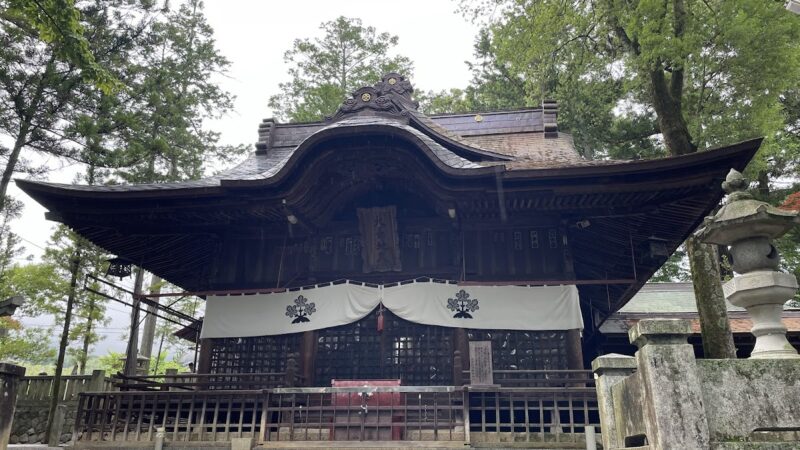
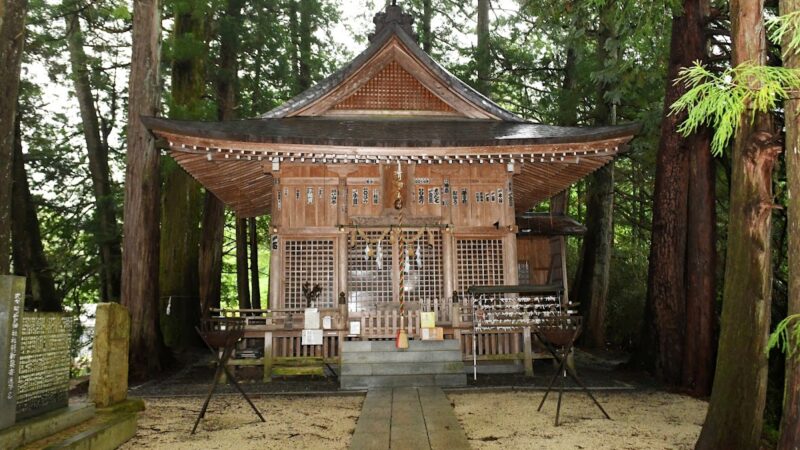
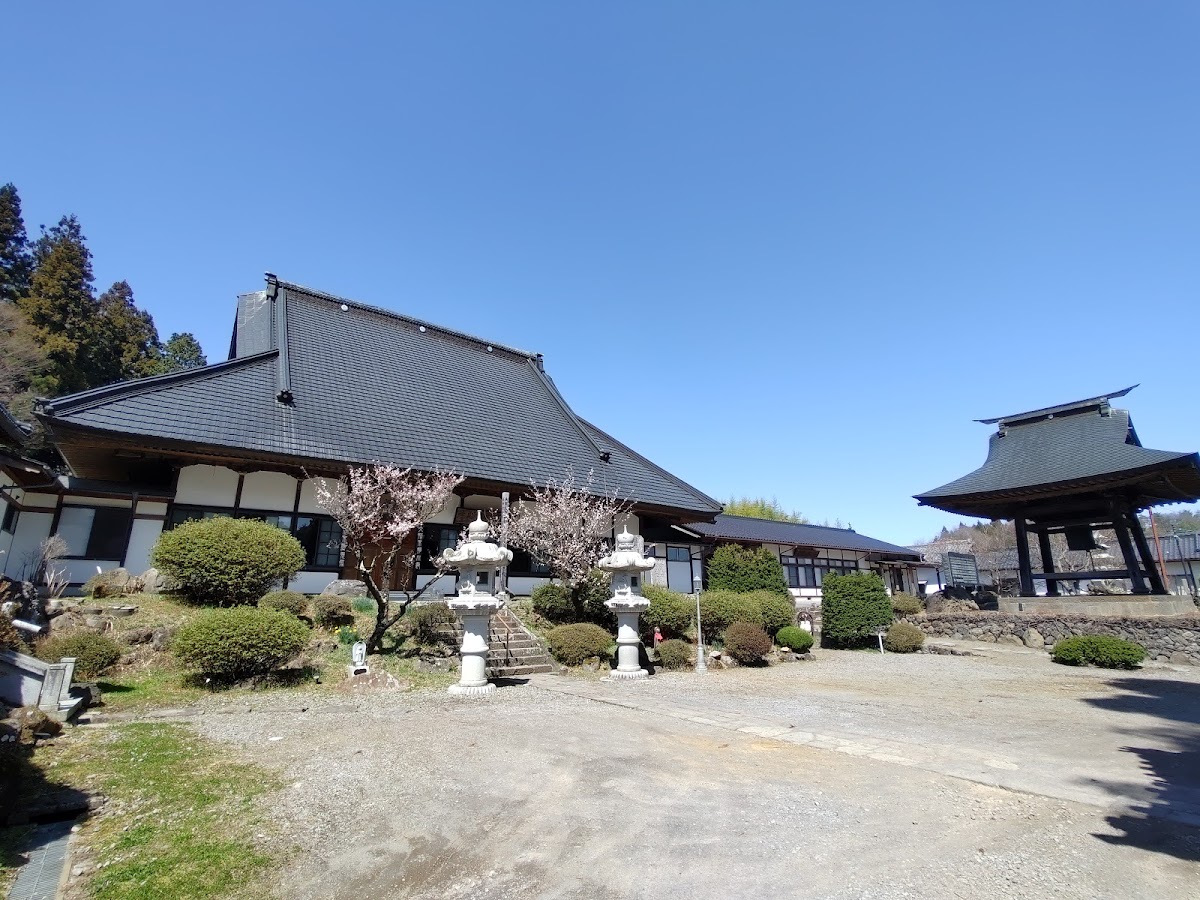
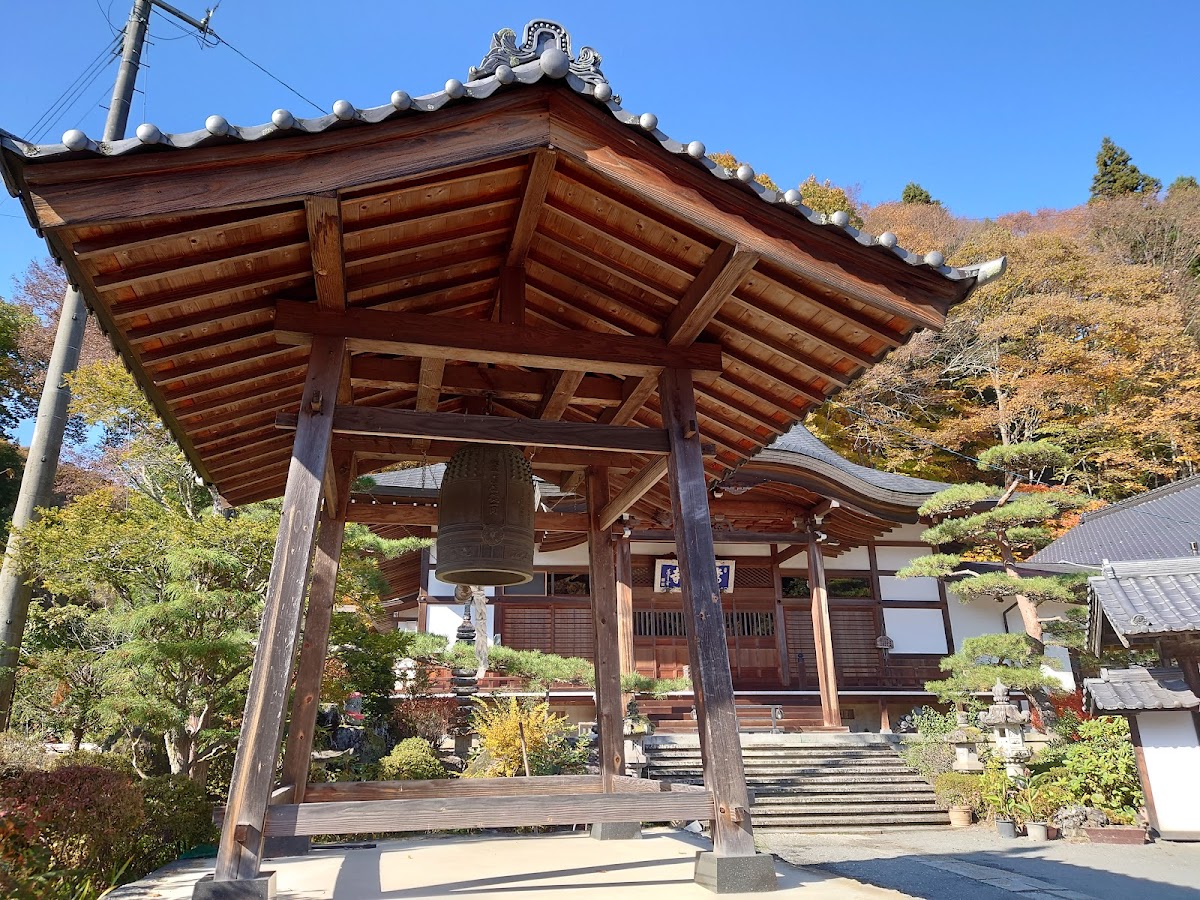
Major Jofuku-ji temples include a Nichiren Buddhist temple in Setagaya Ward, Tokyo; a Rinzai Zen temple in Sagamihara City, Kanagawa Prefecture; a Jodo Buddhist temple in Toda City, Saitama Prefecture; a Jodo Buddhist temple in Naka City (formerly Urizura Town), Ibaraki Prefecture; and a Shinshu Otani sect temple in Chikusei City (formerly Hatta), Ibaraki Prefecture. Each belongs to a different sect and possesses its own unique history and characteristics.
Jofuku-ji Temple in Setagaya Ward: History and Characteristics of Hōritsu-zan Jofuku-ji Temple
Founding and Historical Changes
Jofuku-ji Temple, located in Nozawa, Setagaya Ward, Tokyo, is a Nichiren Buddhist temple whose mountain name is “Hōritsu-zan.” It was founded in August of Eishō 8 (1511) during the Muromachi period by Jōtokuin Nichiritsu Shōnin in the Asakusa Shin-Torigoe area. This temple, with a long history of over 500 years, was relocated to Asakusa Yoshino-cho (present-day Imado, Taito-ku) due to the Edo period shogunate’s religious policies, and became a beloved local temple for ordinary people.
Its relocation to its current location in Nozawa, Setagaya-ku, was a result of urban planning after the Great Kanto Earthquake, and since then, it has continued to develop as a center of faith in the region. The principal image is Shakyamuni Buddha, and memorial services and events are held based on the doctrines of the Nichiren sect.
Main Plans at Jofuku-ji Temple
Jofuku-ji Temple in Setagaya-ku offers a variety of memorial services to meet modern needs. Particularly noteworthy are its tree burial grounds, perpetual memorial graves, and pet memorial services.
Setagaya Memorial Tree Burial Ground
For those who wish to return to nature, we have established a tree burial ground. This method, which does not use traditional tombstones, involves burying remains under trees and is popular with those without heirs or those who prefer a nature-oriented approach. Located in the heart of Tokyo’s Setagaya district, this temple offers a lush, green environment where loved ones can rest peacefully.
Perpetual Memorial Tower (Joint Burial Grave)
For those without successors or those who wish to avoid burdening their children, we offer a perpetual memorial tower. The temple takes responsibility for continuing memorial services indefinitely, providing a reassuring and accessible form of burial that meets the needs of modern society.
Pet Funeral and Memorial Services
Jofuku-ji Temple in Setagaya Ward is also dedicated to pet memorial services. We provide respectful funeral services and memorial services for pets who have been cherished as family members. A dedicated pet memorial tower is also available, with regular memorial services held.
In our pet funeral services, we conduct memorial services based on Buddhist teachings, while being sensitive to the feelings of pet owners. In recent years, with the increasing number of people suffering from pet loss, our temple’s professional memorial services have earned us the trust of many.
Access and Inquiry Information
Jofuku-ji Temple in Setagaya Ward is accessible by bus from either Komazawa-Daigaku Station or Sangenjaya Station on the Tokyu Den-en-toshi Line. Detailed access information, visitor information, and inquiries about graves can be found on the official website.
Jofuku-ji Temple in Sagamihara City: A Rinzai Zen Temple
A 400-Year-Old Tree and History
Jofuku-ji Temple in Sagamihara City, Kanagawa Prefecture, is known as a Rinzai Zen temple. The temple grounds feature a large tree over 400 years old, and its scenic location overlooking Mount Amefuri (Oyama) in the distance is a distinctive feature. This temple has a history of contributing to local education, with a temple school being established during the Edo period, and later the “Shinto School” being founded.
Zen Meditation Sessions and Cultural Activities
Jofuku-ji Temple in Sagamihara, as befits a Zen temple, holds regular Zen meditation sessions, which are open to the public. Furthermore, the temple incorporates modern cultural activities such as live events, opening it up as a community space. Its distinctive feature is its open management approach to modern society while preserving traditional Zen teachings.
Access Information
Access to Jofuku-ji Temple in Sagamihara City is generally via bus from the JR Sagami Line or Odakyu Line. For detailed transportation information, please check the temple’s official website.
Jofuku-ji Temple in Toda City: Ryukozan Futai-in
History as a Jodo Sect Temple
Jofuku-ji Temple, located in Toda City, Saitama Prefecture, is a Jodo sect temple known as Ryukozan Futai-in. It is said to have been founded by Korensha Tenyo Man’ei (died in Eisho 15, 1518). The principal image is Amida Buddha, and it has been cherished by the local people as a center of Nembutsu faith based on the teachings of the Jodo sect.
Cultural Properties of Toda City
Jofuku-ji Temple in Toda City preserves valuable cultural properties. In particular, the “Taima Mandala,” the “Kansei Hōkyōintō Pagoda,” and the “Myōgō Pagoda” are designated as cultural properties of Toda City and are important historical materials that convey the region’s history. These cultural properties tell the story of the temple’s long history and importance to the region.
Access and Visiting
Jōfuku-ji Temple in Toda City is accessible from JR Saikyō Line’s “Toda-kōen Station” or “Kita-Toda Station.” For viewing cultural properties, it is recommended to contact the temple in advance.
Jōfuku-ji Temple in Naka City, Ibaraki Prefecture: A Famous Temple Associated with the Sixth Patriarch of the Jōdo Sect
Founding and History during the En’en Era
Jōfuku-ji Temple in Naka City, Ibaraki Prefecture (formerly Urizura Town) is a historical temple founded during the En’en era (1336-1339) by Ryōjitsu Shōnin, the sixth patriarch of the Jōdo sect. Later, in 1388 (Kakei 2), the monks’ quarters were destroyed by fire, but the second abbot, Ryōyo Shōnin (the seventh patriarch of the Jōdo sect), relocated and rebuilt the temple on the site of the present-day Urizura Castle.
Ties with the Imperial Family and the Shogunate
After its reconstruction, Jōfuku-ji Temple developed strong ties with the Imperial Family and the Edo Shogunate, and continued to prosper. As an important temple of the Jōdo sect, it produced many monks and flourished as a center of faith in the region. Even today, it continues to uphold its dignified history and supports the faith of the local people.
Cultural Assets and Highlights
Jōfuku-ji Temple in Naka City, Ibaraki Prefecture, houses valuable Buddhist statues, scriptures, and buildings from the medieval to early modern periods, making it an important temple for historical research.
Jofuku-ji Temple, Chikusei City, Ibaraki Prefecture: A Temple Associated with Shinran Shonin
Founded by Nyushin (Hatta), the 18th of the Twenty-Four Disciples
Jofuku-ji Temple, located in Chikusei City (formerly Hatta), Ibaraki Prefecture, is a temple of the Shinshu Otani sect and is known as a temple founded by Nyushin (Hatta Nyudo), the 18th of the Twenty-Four Disciples and a leading disciple of Shinran Shonin. In Kenpo 4 (1216), Nyushin converted his own house into a temple and built a building in Hatta, naming it Jofuku-ji Temple.
Deep Connection with Shinran Shonin
According to temple tradition, Nyushin, longing to follow in the footsteps of Shinran Shonin after his return to Kyoto, is said to have passed away at Unzen-ji Temple in Hibino, Owari Province (present-day Obihibino, Asai-cho, Ichinomiya City) in Katei 3 (1237). Jofuku-ji Temple is an important historical site for Shinshu Buddhist followers, as it is associated with the high-ranking disciples who received direct instruction from Shinran Shonin.
Pilgrimage and Worship
Jofuku-ji Temple is considered one of the important pilgrimage sites in the Shinran Shonin pilgrimage. Shinshu Buddhist followers from all over Japan visit to trace the footsteps of their ancestors’ faith.
Jofuku-ji Temple in Taito-ku (Asakusa), Tokyo: Seiryuzan Fudōin
The Tsugaru Family’s Family Temple
Jofuku-ji Temple, located in Asakusa, Taito-ku, Tokyo, is a Tendai sect temple known as Seiryuzan Fudōin Jofuku-ji. This temple is a prestigious temple founded as the family temple of the Tsugaru family of the Hirosaki Domain.
History of Relocation
Initially, the main hall, Fudo Hall, and Inari Shrine were built at Tatsunokuchi within the Okuruwa (fortified enclosure). Later, at the behest of the Tsugaru family, the temple was relocated to Shibaguchi-gomon in August 1611, then to Hatchobori in May 1635, and finally to Asakusa, where it remains today. As a temple with deep ties to daimyo families during the Edo period, it preserves a valuable history.
Jofuku-ji Temple, Shiraoka City, Saitama Prefecture: A Soto Zen Temple
Jukozan Jofuku-ji Temple
Jofuku-ji Temple, located in Shibayama, Shiraoka City, Saitama Prefecture, is a Soto Zen temple and a branch temple of Fudo-ji Temple in Jokuri (present-day Kuki City). Its mountain name is Jukozan, and its principal image is Fudo Myoo. While some details of its history are unclear, it has functioned as a center of Soto Zen faith in the region.
The Grave of Izawa Yasobei Tamenaga
At Jofuku-ji Temple in Shiraoka City, there is the gravestone of Izawa Yasobei Tamenaga, a Kishu-style civil engineer who was involved in the construction of the Minuma-dai Irrigation Canal. As the grave site of an engineer who contributed to flood control projects during the Edo period, the temple holds historical value.
Jofuku-ji Temple in Yokosuka City, Kanagawa Prefecture: Hokozan Enjuin
There is also a Jofuku-ji Temple (Hokozan Enjuin) in the Uraga district of Yokosuka City, Kanagawa Prefecture. As a Jodo-shu Chinzei-ha temple, it attracts the faith of the local community. It plays a central role in the local community amidst the historic townscape of Uraga.
Modernization of Memorial Services at Jofuku-ji Temples
Popularization of Tree Burial Cemeteries
Among Jofuku-ji temples nationwide, particularly those located in urban areas, the development of tree burial cemeteries is progressing. This form of memorial service, which emphasizes returning to nature rather than traditional burial with gravestones, is a response to the changing lifestyles and values of modern people.
Because it eliminates the need to purchase a tombstone and reduces the burden of maintenance, it is highly popular among the elderly who do not want to burden their children, as well as single people and couples.
Increasing Demand for Perpetual Memorial Graves
In modern society, where the birthrate is declining, the population is aging, and nuclear families are becoming more common, the need for perpetual memorial graves is increasing year by year. Jofuku-ji Temple and its various sub-temples are developing perpetual memorial towers and communal burial grounds, providing a form of memorial service that can be used with peace of mind even by those without successors.
The promise by the temple to continue memorial services perpetually is also attracting attention as a solution to the “grave closure” problem in modern society.
Spread of Pet Memorial Services
As the value of cherishing pets as members of the family spreads, the number of temples offering pet memorial services is also increasing. Jofuku-ji Temple in Setagaya Ward, among others, is establishing dedicated pet memorial towers and conducting regular memorial services.
For pet owners struggling with pet loss, receiving religious memorial services is a great source of emotional support and is recognized as a new social role for temples.
Access to and Points for Visiting Jofuku-ji Temple
Importance of Prior Inquiry
Since there are several temples with the same name, Jofuku-ji, throughout Japan, it is crucial to confirm the temple you wish to visit and inquire beforehand. Especially when consulting about graves or memorial services, detailed confirmation is necessary as the sect and memorial service methods differ from temple to temple.
How to Check Access Information
Access information for each Jofuku-ji temple can be found on their respective official websites or temple search sites. When using public transportation, it is recommended to research transportation options in advance, as buses and taxis are often used from the nearest station.
Precautions During Visit
When visiting a temple, it is important to observe proper etiquette as it is a religious site. Choose modest clothing and behave quietly within the temple grounds. It is advisable to obtain permission before taking photographs. Furthermore, it is recommended to avoid visiting during times when memorial services or events are being held, or to check in advance.
Jofuku-ji Temple in the Reiwa Era: Harmony of Tradition and Innovation
This Month’s Words of Nichiren Shonin (Jofuku-ji Temple’s Initiatives in Setagaya Ward)
Jofuku-ji Temple in Setagaya Ward conducts a monthly initiative called “This Month’s Words of Nichiren Shonin,” introducing the teachings of Nichiren Shonin in modern language. Such activities are one way of conveying classical Buddhist teachings in an easily understandable way to modern people.
Adapting to Digitalization
Many Jofuku-ji temples have opened official websites, providing announcements, event information, and cemetery information online. A notable feature is their modern operational system, including clearly stating their privacy policies.
New services utilizing digital technology, such as online inquiry forms, virtual tours, and online memorial services, are also being introduced.
Role as a Local Community
In the Reiwa era, Jofuku-ji Temple is not merely a religious facility, but also plays a central role in the local community. Through diverse activities such as Zen meditation sessions, Dharma talks, cultural events, and educational activities, we aim for temple management that is open to the local community.
Summary: Diversity and Commonalities of Jofuku-ji Temples
While Jofuku-ji temples scattered throughout Japan each possess different sects, histories, and characteristics, they have all supported the faith and lives of local people under the common wish of being “a temple that always brings good fortune.”
The Nichiren sect temple in Setagaya Ward responds to modern needs with tree burials and pet memorial services, the Rinzai sect temple in Sagamihara City contributes to the community through Zen teachings and cultural activities, the Jodo sect temples in Toda City and Ibaraki Prefecture preserve the tradition of Nembutsu faith, and the Shinshu sect temple in Chikusei City continues to transmit the teachings of Shinran Shonin.
The way each Jofuku-ji temple adapts to changing times while preserving tradition and exploring new roles for temples in modern society demonstrates the diversity and flexibility of Japanese Buddhism.
When visiting Jofuku-ji Temple, it is important to understand the temple’s unique history and characteristics, confirm its sect and memorial service practices, and then make appropriate inquiries and travel plans. Please utilize each temple’s official website and temple search sites to ensure a fulfilling visit and sightseeing experience.