Complete Guide to Tatsuta Taisha Shrine | Thorough Explanation of Deities, Blessings, Access, and Festivals
Tatsuta Taisha Shrine, located in Sango-cho, Ikoma-gun, Nara Prefecture, is known as the oldest shrine in Japan dedicated to the god of wind. It has been revered by the imperial court since ancient times and is a prestigious shrine listed in the Engishiki (an ancient Japanese legal code). This article provides a detailed explanation of everything you need to know before visiting Tatsuta Taisha Shrine, including its history, deities, blessings, access methods, annual festivals, and information on Goshuin (shrine stamps).
What is Tatsuta Taisha Shrine?
Tatsuta Taisha Shrine is a shrine located in Tateno-minami, Sango-cho, Ikoma-gun, Nara Prefecture, and is a rare shrine in Japan dedicated to the god of wind. It is said to have been founded during the reign of Emperor Sujin and is known as an ancient shrine with a history of over 2000 years.
It has long been deeply revered by the imperial court, and especially from the Asuka period to the Heian period, important national rituals were performed there. As a deity who controls the wind, it has attracted worshippers who pray for bountiful harvests and safe voyages.
The shrine grounds are surrounded by lush greenery, creating a tranquil atmosphere where worshippers can visit not only locals but also those from far away.
Deities enshrined at Tatsuta Grand Shrine
The deities enshrined at Tatsuta Grand Shrine are Ame-no-Mihashira-no-Mikoto and Kuni-no-Mihashira-no-Mikoto.
Ame-no-Mihashira-no-Mikoto
Ame-no-Mihashira-no-Mikoto is considered a deity who controls the energy of the heavens and is revered as a god of wind. He is a being connected to the lineage of gods who appeared at the creation of heaven and earth, and is a deity who symbolizes the workings of the heavens.
Kuni-no-Mihashira-no-Mikoto
Kuni-no-Mihashira-no-Mikoto is considered a deity who controls the energy of the earth and is worshipped as a god who brings the blessings and stability of the earth. Along with Amenomihashira-no-Mikoto, they play a role in maintaining the harmony of heaven and earth.
These two deities have been revered since ancient times as beings who connect heaven and earth through wind and bring the breath of life.
History and Origins of Tatsuta Grand Shrine
Origin of Founding
According to the *Nihon Shoki* (Chronicles of Japan), during the reign of Emperor Sujin, the 10th emperor, a deity appeared to the emperor in a dream and declared, “If you enshrine me in Tatsuta, the world will be at peace.” Following this oracle, a shrine was built in Tatsuta, marking the beginning of Tatsuta Grand Shrine.
Importance in Ancient Times
From the Asuka period to the Heian period, Tatsuta Grand Shrine functioned as an important site for national rituals. In particular, during the reign of Emperor Tenmu (675 AD), the Wind God Festival was institutionalized, and imperial envoys were dispatched from the court every April and July.
This Wind God Festival is a prayer for a bountiful harvest and national peace, and is clearly stated in the Engishiki (a historical document) as an important national ritual.
Prosperity in the Heian Period
During the Heian period, Tatsuta Grand Shrine, along with Hirose Grand Shrine, was revered as “Wind God” and “River God,” and attracted the reverence of the imperial court. Prayers for protection against wind and flood damage were particularly popular, and many nobles and officials visited the shrine.
Changes from the Medieval Period Onward
In the medieval period, it temporarily declined due to the effects of war, but in the Edo period, it was revived as a local tutelary shrine and began to attract the faith of the common people. In the Meiji era, it was designated a Kanpei Taisha (a high-ranking shrine), establishing its status as a national shrine.
Benefits of Tatsuta Grand Shrine
Because Tatsuta Grand Shrine enshrines the god of wind, it is believed to offer various benefits.
Bountiful Harvest and Agricultural Prosperity
Wind is an essential element for the growth of crops. Moderate wind aids pollination, protects against pests, and promotes healthy crop growth. It has been worshipped as a guardian deity of agriculture since ancient times.
Maritime Safety & Traffic Safety
Wind was the most important element in navigation. It attracted the faith of sailors hoping for smooth sailing, and is now known for its blessings of traffic safety.
Good Fortune & Luck Improvement
Wind symbolizes the flow of “qi” (energy). It is believed to bring good wind (qi) and ward off bad energy, thereby improving one’s luck.
Protection from Misfortune & Disaster
As a deity that protects against wind damage and natural disasters, it is also worshipped for its blessings of protection from misfortune and disaster.
Matchmaking & Finding a Good Partner
Based on the belief that wind brings good relationships, it is also believed to bring blessings for finding a partner.
Prayer for Academic Success and Passing Exams
Many visitors come to pray for academic success and passing exams, believing that the shrine bestows the power to smoothly and effortlessly advance things, like a refreshing breeze.
Highlights of the Shrine Grounds
Main Hall
The main hall of Tatsuta Taisha Shrine is a beautiful shrine building with a cypress bark roof. The current main hall was rebuilt during the Edo period and preserves the traditional style of shrine architecture.
Worship Hall
The worship hall, where visitors offer their prayers, is located in front of the main hall. It offers a solemn atmosphere for peaceful worship.
Torii Gate and Approach
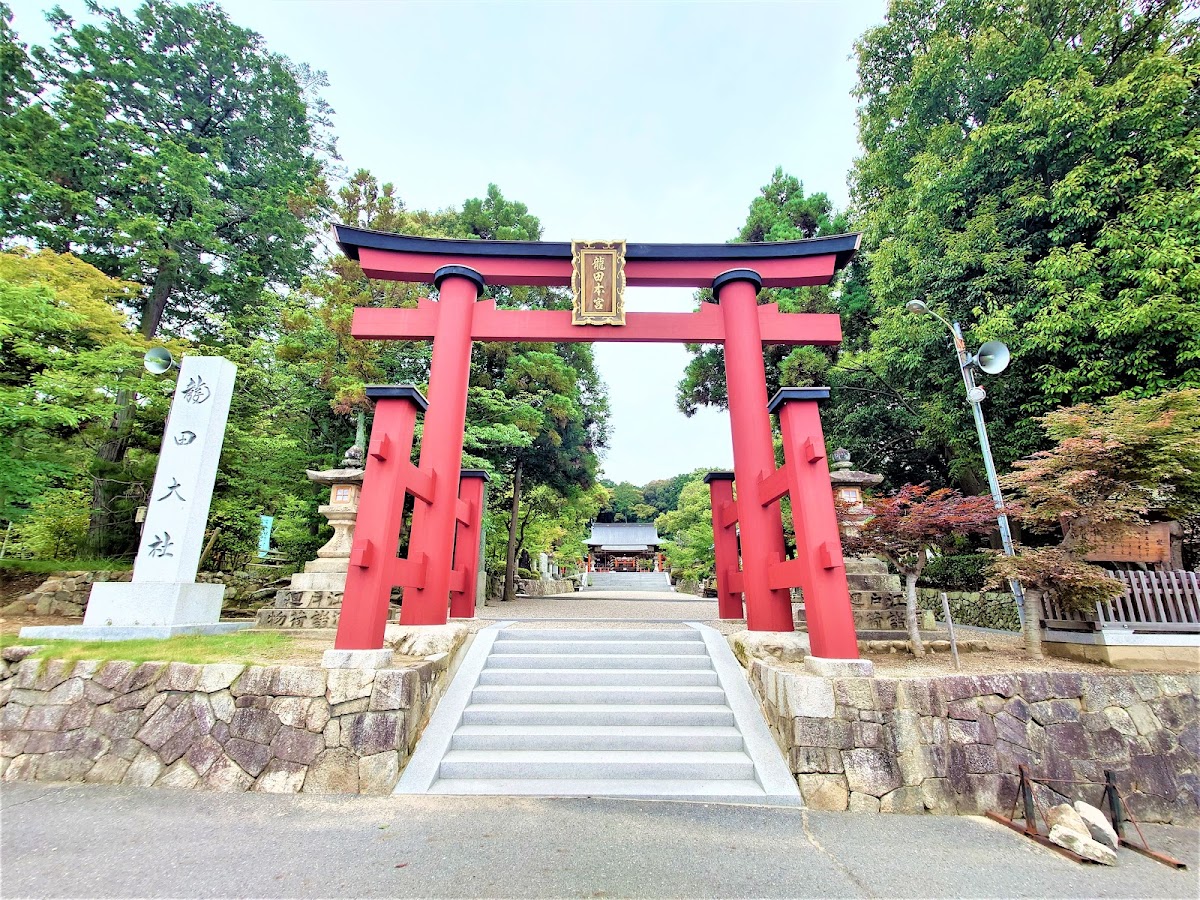
A magnificent torii gate stands at the entrance to the shrine grounds, and the approach leading from it is a quiet space surrounded by trees. Walking along the approach allows you to leave the hustle and bustle of everyday life and approach the shrine with a sacred feeling.
Subsidiary Shrines
Several subsidiary shrines are enshrined within the grounds of Tatsuta Taisha Shrine. Each shrine enshrines a different deity and is revered as a place where various wishes can be granted.
Sacred Tree
Within the shrine grounds stands a sacred tree said to be several hundred years old, believed to possess sacred power. It is believed that touching the sacred tree grants one power.
Annual Festivals of Tatsuta Grand Shrine
Tatsuta Grand Shrine holds various festivals throughout the year.
New Year’s Day Festival (January 1st)
This festival, held to welcome the new year, prays for the peace and security of the nation and the prosperity of the parishioners. It attracts many visitors for the first shrine visit of the year.
Spring Wind God Festival (Early April)
An important festival that has continued since ancient times, marking the start of spring farming work and praying for favorable winds and a bountiful harvest.
Grand Festival (Early July)
This is the most important festival at Tatsuta Grand Shrine. This festival, historically so prestigious that an imperial envoy was dispatched from the imperial court, is still conducted with solemnity today.
Autumn Wind God Festival (Early October)
This festival is held before the autumn harvest to pray for protection from wind damage such as typhoons. It also expresses gratitude for a bountiful harvest.
Niiname-sai Festival (November 23rd)
This festival expresses gratitude for the year’s harvest and offers the new grain to the gods.
Monthly Festival
Monthly festivals are held on the 1st and 15th of each month, praying for the safety and prosperity of the parishioners.
Goshuin (Shrine Seals) and Other Items
Goshuin (Shrine Seals)
At Tatsuta Taisha Shrine, you can receive a goshuin as proof of your visit. The goshuin features the calligraphy of “Tatsuta Taisha” and the shrine’s seal, characterized by a powerful calligraphy style befitting a shrine dedicated to the wind god.
The offering fee for a Goshuin (temple/shrine stamp) is usually around 300 to 500 yen. You can bring your own Goshuincho (stamp book) or purchase one at the shrine office.
Goshuincho
Tatsuta Taisha Shrine also offers its own original Goshuincho. Featuring a design symbolizing the Wind God, it’s a popular souvenir of your visit.
Amulets
Tatsuta Taisha Shrine offers various types of amulets.
- Wind Amulet: A basic amulet for receiving the protection of the Wind God.
- Traffic Safety Amulet: An amulet for a smooth and pleasant journey.
- Exorcism Amulet: An amulet to protect you from misfortune.
- Good Fortune Amulet: An amulet for wishing for improved luck.
- Matchmaking Amulet: An amulet to attract good relationships.
Ema (votive tablets)
Ema, on which you can write your wishes and dedicate them, are also available. They feature designs related to the Wind God.
Access Methods
Access by Train
Approximately 7 minutes on foot from Kintetsu Ikoma Line “Tatsuta Jinja-mae Station”
This is the most convenient way to access the shrine. There are signs from the station to the shrine, so you won’t get lost.
Approximately 15 minutes on foot from JR Yamatoji Line “Sango Station”
If using the JR line, access from Sango Station is also possible.
Access by Bus
If using Kintetsu Bus, get off at the “Tatsuta Taisha-mae” bus stop, and it’s a short walk from there. However, since the number of buses is limited, it is recommended to check the timetable in advance.
Access by Car
Approximately 10 minutes from Nishimeihan Expressway “Horyuji IC”
Access by car is also convenient. There is a free parking lot for visitors on the shrine grounds (capacity of approximately 30 cars). However, congestion is expected during New Year’s and festivals, so it is recommended to use public transportation.
Address
1-29-1 Tateno-Minami, Sango-cho, Ikoma-gun, Nara Prefecture 636-0822
Visiting Hours and Admission Fee
Visiting Hours
The grounds of Tatsuta Taisha Shrine are generally open all day, but the reception hours for the shrine office (where you can receive Goshuin stamps and amulets) are generally from 9:00 AM to 5:00 PM.
Hours may change during festivals and events, so it is recommended to check in advance if you plan to visit on a special day.
Admission Fee
There is no admission fee to visit Tatsuta Taisha Shrine. Anyone can visit freely.
Manners and Etiquette for Visiting Shrines
How to Pass Through the Torii Gate
The torii gate is the entrance to the sacred area. Before passing through the torii gate, bow and compose yourself before entering the grounds. The center of the path is considered the path of the gods, so it is polite to walk along the side.
Proper Hand-Washing Ritual
- Take the ladle with your right hand and wash your left hand.
- Switch the ladle to your left hand and wash your right hand.
- Switch the ladle back to your right hand, receive water in your left hand, and rinse your mouth.
- Wash your left hand once more.
- Hold the ladle upright, let water flow over the handle, and return it to its original place.
Proper Worship Ritual
At Tatsuta Taisha Shrine, worship is performed using the “two bows, two claps, one bow” ritual.
- Place your offering in the offering box.
- If there is a bell, ring it.
- Bow deeply twice (two bows).
- Clap your hands twice at chest height (two claps).
- Pray with all your heart.
- Finally, bow deeply once (one bow).
Tourist Spots Around Tatsuta Taisha Shrine
Shigisan Chogosonshi-ji Temple
Shigisan Chogosonshi-ji Temple, located about 15 minutes by car from Tatsuta Taisha Shrine, is an ancient temple dedicated to Bishamonten. The view from the temple grounds is also magnificent, making it well worth a visit.
Horyu-ji Temple
Horyu-ji Temple, known as the world’s oldest wooden building, is about 20 minutes by car from Tatsuta Taisha Shrine. It is one of Japan’s representative temples and is registered as a World Heritage Site.
Kofun Burial Mounds of Heguri Town
The area around Tatsuta Taisha Shrine is dotted with ruins from the Kofun period (ancient burial mound period). Those interested in history can also enjoy visiting ancient burial mounds.
The Four Seasons of Tatsuta Taisha Shrine
Spring (March-May)
In spring, Tatsuta Taisha Shrine is adorned with cherry blossoms, offering a beautiful sight. During the season of fresh greenery, the trees within the shrine grounds turn a vibrant green, creating a refreshing atmosphere.
Summer (June-August)
In summer, the trees become lush green, and the shrine grounds are enveloped in a cool, refreshing atmosphere. The annual festival in July is a summer tradition, attracting many visitors.
Autumn (September-November)
The name “Tatsuta” of Tatsuta Taisha Shrine originates from the Tatsuta River, long known as a famous spot for autumn foliage. In autumn, the surrounding trees change color, allowing visitors to enjoy the beautiful autumn leaves.
Winter (December-February)
In winter, Tatsuta Taisha Shrine is enveloped in silence, exuding a solemn atmosphere. During the New Year’s holiday season, the shrine is bustling with visitors for their first shrine visit of the year, with many coming to offer prayers for the new year.
Fun Facts about Tatsuta Taisha Shrine
Center of Wind God Worship
While there are several shrines in Japan that worship wind, Tatsuta Taisha Shrine is considered the oldest center of wind god worship. It is characterized by its high status, having been the site of national rituals since ancient times.
Connection to the Manyoshu
The Tatsuta area is also mentioned in the Manyoshu, and the autumn foliage along the Tatsuta River, in particular, was loved by many poets. Ariwara no Narihira’s poem, “Even in the age of the gods, I have never heard of the Tatsuta River being dyed crimson,” is included in the Hyakunin Isshu (One Hundred Poets, One Poem Each).
Visits by Aviation Professionals
As a shrine dedicated to the god of wind, it is frequently visited by people in the aviation industry today. Pilots and airline personnel sometimes visit to pray for safe flights.
Connection with Weather Forecasters
As the god who controls wind and weather, the shrine is revered by weather forecasters and weather-related professionals.
Precautions When Visiting
Attire
While there are no specific dress code requirements for visiting the shrine, it is advisable to dress appropriately for a sacred place. Avoid overly revealing clothing and overly casual footwear such as sandals.
Photography
Photography is generally permitted within the shrine grounds, but it may be prohibited inside the main hall or during religious ceremonies. Please check before taking photos or follow the signs.
Bringing Pets
Some shrines prohibit bringing pets. It is recommended to check in advance when visiting Tatsuta Taisha Shrine.
Eating, Drinking, and Smoking
Eating, drinking, and smoking are generally prohibited within the shrine grounds. Please remember that this is a sacred place and observe proper etiquette during your visit.
Summary
Tatsuta Taisha Shrine is an ancient shrine with a history of over 2000 years, dedicated to the god of wind. Tatsuta Taisha Shrine enshrines Amenomihashira-no-Mikoto and Kunimihashira-no-Mikoto, and is believed to offer various blessings, including abundant harvests, traffic safety, and good fortune.
This prestigious shrine has been revered by the imperial court since ancient times, and national rituals have been performed here. It continues to attract many worshippers today. It is easily accessible, approximately a 7-minute walk from Tatsuta Jinja-mae Station on the Kintetsu Ikoma Line.
Tatsuta Taisha Shrine offers a tranquil atmosphere where you can enjoy the beautiful scenery of each season. Why not visit and seek the blessings of the wind god? A heartfelt visit is sure to leave you feeling refreshed.