Complete Guide to Ryusenji Temples | History, Benefits, and Access Information for Ryusenji Temples Nationwide
There are several temples named “Ryusenji” throughout Japan, each with its own unique history and beliefs. The name Ryusenji often originates from dragon deity worship or pure springs, and many temples enshrine the Eight Great Dragon Kings, deities of water. This article provides a detailed explanation of major Ryusenji temples throughout Japan, including their history, benefits, annual events, grounds, and transportation access.
What is Ryusenji? | Origin of the Name and Nationwide Distribution
The temple name Ryusenji is composed of two elements: “dragon” and “spring.” The dragon is a guardian deity of water in Buddhism, and the spring signifies a pure water source. Since ancient times in Japan, water has been revered as the source of life and has been associated with dragon deity worship, enshrined in many temples.
Each Ryusenji temple throughout Japan belongs to a different sect and has its own unique history. Major Ryusenji temples include the Mogami Honzan Otaki Ryusenji in Okayama City, the Owari Shikannon Ryusenji in Nagoya City, the Omineyama Ryusenji in Tenkawa Village, Nara Prefecture, the Ryusenji in Tondabayashi City, Osaka Prefecture, the Yakuyoke Kaiun Daishi Ryusenji in Saitama Prefecture, and the Ryusenji in Suginami Ward, Tokyo.
History and Characteristics of Okayama’s Mogami Honzan Otaki Ryusenji
Origin and Founding of Ryusenji
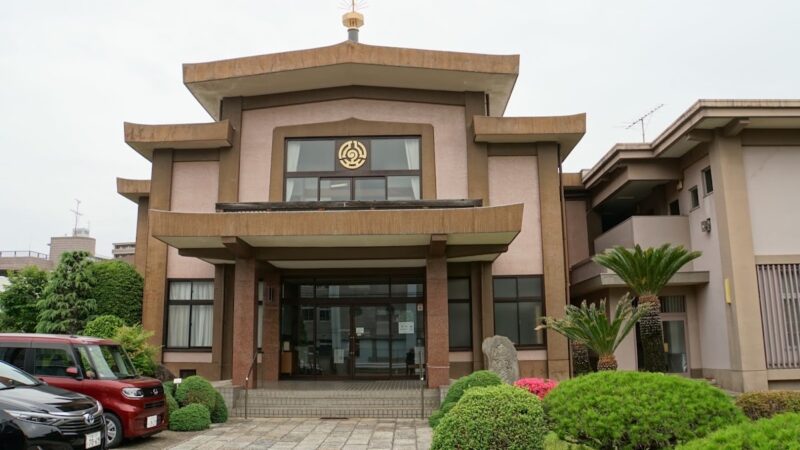
Located in Shimogashimori, Kita Ward, Okayama City, Mogami Honzan Otaki Ryusenji is known as the head temple of the Nichiren sect’s Mogami branch. Its founding is said to date back to the Tenpyo-Shoho era of the Nara period (749-757), and it is believed to have been established by Hoon Daishi, who was practicing mountain asceticism in this area.
Located on the western slope of Mt. Ryuo, amidst a rich natural environment, it has attracted many worshippers as a sacred site of folk faith since ancient times. Within the temple grounds is a waterfall, revered as a place of ascetic training and a sacred site where rain-making rituals are performed.
Deities Enshrined
At Ryusenji Temple in Okayama, several important deities are enshrined. The Supreme Sutra King Bodhisattva (Saijo-sama/Inari-san) is believed to bring blessings of business prosperity and family safety, while the Eight Great Dragon Kings, as water deities, are worshipped for rain and abundant harvests. Furthermore, Kishimojin is worshipped as the guardian deity of children, and Sanmen Daikokuten is worshipped as the god of good fortune and prosperity.
These deities, each offering different blessings, serve as guardians of all aspects of people’s lives and are central to the local faith.
History of Ryusenji Temple
Ryusenji Temple has a history of approximately 1300 years since its founding. After being established during the Nara period, it developed as a sacred site for mountain asceticism during the Heian period, attracting many ascetics for training. Despite the turmoil of war during the Middle Ages, the temple survived, supported by the faith of the local people.
During the Edo period, the Mogami faith spread, and the temple was established with the Mogami-kyo Daibosatsu as its principal deity. Despite the impact of the Meiji-era separation of Shinto and Buddhism, it has continued to this day as a center of folk faith. In modern times, many worshippers visit throughout the year, and traditional events are preserved.
Annual Events Guide | Major Festivals of Ryusenji Temple
New Year’s Good Fortune Festival (January 1st – 15th)
The New Year’s Good Fortune Festival is an important event to pray for good fortune and prosperity at the beginning of the year. From January 1st to 15th, the temple is bustling with worshippers making their first shrine visit of the year. During this period, special prayers are offered, and prayers for family safety, business prosperity, academic success, etc., are accepted.
Since many worshippers visit from the morning, it is recommended to allow ample time for your visit. A visit in the refreshing air of the New Year will be a good start to the year.
Hatsuumasai Festival (First Horse Day of February)
The Hatsuumasai Festival is an important festival dedicated to Inari (the highest-ranking deity, Kyo-o Daibosatsu). Held on the first Horse Day of February, it is a time for prayers for business prosperity and a bountiful harvest. Special prayers are offered on this day, and worshippers receive amulets and talismans to bestow good fortune.
The first Horse Day is considered the most important day in Inari worship, and festivals are held at Inari shrines and temples throughout Japan. Ryusenji Temple’s Hatsuumasai Festival is also a well-established and important annual event in the region.
Hachidai Ryuo Festival (Third Sunday of April)
The Hachidai Ryuo Festival is a festival dedicated to the Eight Great Dragon Kings, the gods of water. Held on the third Sunday of April, it is a time for prayers for rain, a bountiful harvest, and protection from water-related disasters. It is a traditional event unique to Ryusenji Temple, located at the foot of Mount Ryuo.
The Eight Great Dragon Kings are a collective term for dragon gods in Buddhism, and have been worshipped since ancient times as gods who control rain. They are especially revered as important deities in agricultural regions, and many farmers visit to pay their respects during this festival.
Otaki Festival (Fourth Sunday of July)
The Otaki Festival is an important summer event centered around the Otaki waterfall, a symbol of Ryusenji Temple. Held on the fourth Sunday of July, it is a time to give thanks for the blessings of water and pray for good health and protection from illness during the summer. Water purification rituals and special Buddhist services are performed at the waterfall, providing an opportunity to purify mind and body with the power of the refreshing water.
*For safety reasons, unauthorized entry to the Otaki waterfall is prohibited, however, special visits may be permitted during festivals. Please follow the temple grounds’ guidance when visiting.
Substitute Jizo Festival (Third Sunday of October)
The Substitute Jizo Festival is an autumn event to commemorate Jizo Bodhisattva, who takes on the suffering of people in their place. Held on the third Sunday of October, this festival is for ancestral veneration and prayers for the healthy growth of children.
Jizo Bodhisattva is especially revered as a guardian deity of children, and many families visit this festival. The memorial service, held in the mild autumn weather, provides a precious time for peace of mind.
The Fire-Burning Festival (Second Saturday and Sunday of December)
The Fire-Burning Festival is an important festival marking the end of the year. Held over two days, the second Saturday and Sunday of December, it is a time for expressing gratitude for the past year and praying for the new year.
A large fire is lit, and prayer sticks inscribed with wishes, brought by worshippers, are burned, sending their wishes to heaven. This sacred ritual cleanses the impurities of the year through the purifying power of fire, preparing for the new year. The service begins in the morning and is bustling with many worshippers.
Nagoya’s Owari Four Kannon Temples: Ryusenji Temple
History as one of the Owari Four Kannon Temples
Ryusenji Temple, located in Moriyama Ward, Nagoya City, is known as one of the Owari Four Kannon Temples. The Owari Four Kannon Temples are four sacred sites dedicated to Kannon, designated by Tokugawa Ieyasu as guardians of Nagoya Castle. Besides Ryusenji Temple, these include Kasadera Kannon, Arako Kannon, and Jimokuji Kannon.
Ryusenji Temple is a Tendai sect temple, and its founding is said to date back to the early Heian period, when it was founded by Dengyo Daishi Saicho. It boasts a long history and tradition as one of Nagoya’s oldest temples.
Temple Grounds and Highlights
The temple grounds are home to numerous historically valuable buildings, including the main hall, a pagoda, and the Niomon gate. The pagoda, in particular, is known as a rare and valuable structure within Aichi Prefecture. Furthermore, a spring called Ryusen (Dragon Spring) flows within the temple grounds, which is the origin of the temple’s name.
The temple grounds are beautiful throughout the seasons, with cherry blossoms in spring and autumn leaves in fall. It offers an environment where visitors can enjoy nature walks alongside their pilgrimage.
Nara, Omineyama Ryusenji Temple
A Sacred Site of Shugendo
Located in Dorogawa, Tenkawa Village, Yoshino District, Nara Prefecture, Omineyama Ryusenji Temple is the head temple of the Shingon Daigo sect and also serves as a guardian temple of Omineyama-dera. Situated at the foot of Mount Omine, it is known as an important base for Shugendo.
A legend remains that during the Hakuhō era, when En no Gyōja (En no Ozunu), the founder of Omineyama, descended to Dorogawa at the foot of the mountain during his ascetic training, clear water gushed forth from the rocks. This spring was called Ryusen (Dragon Spring), and it became the origin of the temple’s name.
Shugendo and Ryusenji Temple
Ryusenji Temple has served as a training ground for Shugendo practitioners, welcoming many practitioners to this day. This temple plays an important role as a place to purify oneself and pray for safety before climbing Mount Omine. The temple grounds are equipped with facilities for ascetic training, allowing for an authentic Shugendo (mountain asceticism) experience.
It is also close to the Dorogawa Onsen hot spring resort, allowing visitors to relax in the hot springs after their visit. This area has a unique atmosphere, blending mountain worship and hot spring culture.
Ryusenji Temple, Tondabayashi City, Osaka
Niomon Gate (Nationally Designated Important Cultural Property)
Ryusenji Temple, located in Tondabayashi City, Osaka Prefecture, is an ancient temple known for its Niomon Gate, a nationally designated important cultural property. Built during the Muromachi period, the Niomon Gate is preserved as a valuable cultural asset that conveys the architectural style of that time.
The Niomon Gate houses Kongo Rikishi statues, welcoming visitors. Their powerful figures have long been revered as symbols of protection against evil, guarding the temple.
Scenic Garden
Within the grounds of Ryusenji Temple is a beautiful garden designated as a scenic spot by Osaka Prefecture. This garden, believed to have been created during the Edo period, features a pond-centered strolling garden style, allowing visitors to enjoy the scenery of each season.
Especially during the seasons of fresh greenery in spring and autumn foliage, many worshippers and tourists visit. You can spend a peaceful time gazing at the garden in the tranquil temple grounds.
Saitama – Ryusenji Temple, a Great Temple for Warding Off Evil and Bringing Good Fortune
One of Japan’s Three Great Temples for Warding Off Evil and Bringing Good Fortune
Ryusenji Temple, located in Kumagaya City, Saitama Prefecture, is known as one of Japan’s three great temples for warding off evil and bringing good fortune. It is a temple that attracts worshippers from all over the country seeking blessings for warding off evil and bringing good fortune.
The principal image is Kobo Daishi (Kukai), and the temple is revered as a highly efficacious temple that grants various wishes, such as warding off evil, bringing good fortune, family safety, and business prosperity. Many people, especially those in their unlucky years, visit to receive prayers for warding off evil.
About Goma Prayer
Goma prayer is performed daily at Ryusenji Temple. Goma prayers are not by reservation; prayers are offered on a first-come, first-served basis after registration on the day. Registration begins in the morning, and you can visit anytime within the designated hours.
The traditional Shingon Esoteric Buddhism ritual of burning away worldly desires with the flames of the Goma fire and fulfilling wishes is still practiced today.
Ryusenji Temple, Suginami Ward, Tokyo
Benefits for Matchmaking
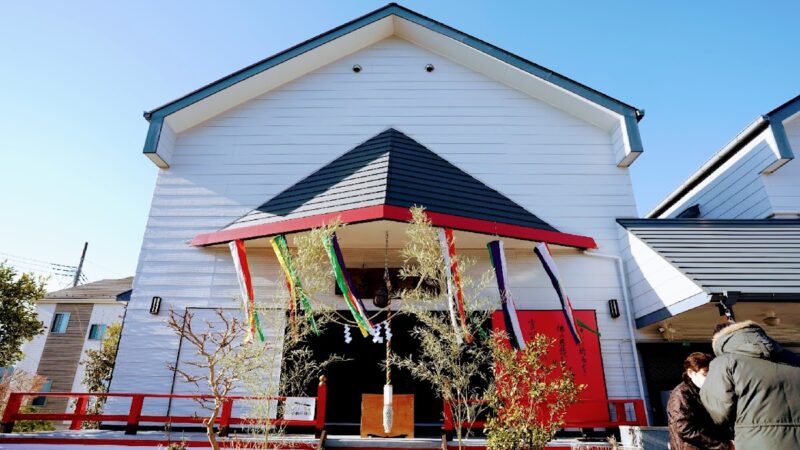
Ryusenji Temple, located in Suginami Ward, Tokyo, is known for its blessings for matchmaking. Situated on the border of Suginami and Setagaya wards, it boasts excellent access from central Tokyo.
With a history spanning over 400 years since its founding, it has evolved through various historical events to reach its present state. It is believed to offer a wide range of blessings, including not only matchmaking but also family safety and the fulfillment of wishes.
A Peaceful Space in the City
Despite being amidst the hustle and bustle of the city, the temple grounds offer a peaceful and tranquil space. You can find peace of mind and tranquility in the lush green grounds.
Regular events such as Zen meditation sessions and sutra copying sessions are held, making it a beloved spiritual haven for modern people.
Access Information
Access to Ryusenji Temple, Mogami Honzan, Okayama
Ryusenji Temple, located in Shimogashimori, Kita-ku, Okayama City, is approximately 30 minutes by car from JR Okayama Station. If using public transportation, take the Bihoku Bus from JR Okayama Station and walk from the nearest bus stop.
By private car, it’s approximately 15 minutes from the Okayama-Soja Interchange on the Okayama Expressway. Parking is available, making it convenient for those traveling by car.
Access to Ryusenji Temple, Nagoya
Ryusenji Temple, located in Moriyama-ku, Nagoya City, can be accessed by bus from Sunadabashi Station on the Nagoya Municipal Subway Meijo Line. Buses also operate from Ozone Station on the JR Chuo Main Line.
By private car, it’s approximately 10 minutes from the Obata Interchange on the Nagoya Expressway. There is a parking lot for visitors on the temple grounds.
Access to Ryusenji Temple, Omineyama, Nara
To reach Ryusenji Temple in Tenkawa Village, Nara Prefecture, take a bus from Shimoichiguchi Station on the Kintetsu Yoshino Line (approximately 1 hour), get off at the Dorogawa Onsen bus stop, and walk for about 5 minutes.
By private car, it takes approximately 1 hour and 30 minutes from the Katsuragi Interchange on the Minami-Hanna Expressway via National Route 169. Due to its mountainous location, caution is advised regarding road conditions during winter.
Other Access to Ryusenji Temples
To reach Ryusenji Temple in Tondabayashi City, Osaka Prefecture, take a walk of about 20 minutes or a bus ride of about 5 minutes from Tondabayashi Station on the Kintetsu Nagano Line.
To reach Ryusenji Temple in Kumagaya City, Saitama Prefecture, take a car for about 5 minutes or a walk of about 20 minutes from Kagohara Station on the JR Takasaki Line.
Ryusenji Temple in Suginami Ward, Tokyo, is approximately a 15-minute walk from either Kugayama Station or Fujimigaoka Station on the Keio Inokashira Line.
Notes and Manners for Visiting
Visiting Hours
Visiting hours vary by Ryusenji Temple. Generally, visits are possible from 9:00 AM to 5:00 PM, but times may change during events. It is recommended to check the official website in advance.
Early mornings are relatively uncrowded, allowing for a more relaxed visit. Weekends and festival days are expected to be particularly crowded, so it’s important to allow ample time for your visit.
Manners on the Temple Grounds
The temple grounds are a sacred place. Please refrain from loud conversations and running around. Photography is only permitted in designated areas, and please avoid taking pictures inside the main hall or during prayers.
Also, please be careful not to enter restricted areas such as the waterfall. Please follow the signs and directions on the temple grounds.
Regarding Attire
While there are no specific dress code requirements, it is desirable to wear clean clothing appropriate for a sacred place. Especially if you are receiving prayers, it is best to avoid overly casual attire.
For Ryusenji Temple, located in a mountainous area, comfortable shoes and clothing are recommended.
Amulets and Goshuin (Temple Seals) Available at Ryusenji Temple
Amulets at Each Ryusenji Temple
Each Ryusenji Temple offers amulets that reflect its unique characteristics. There are various types of amulets, including those for warding off evil, bringing good fortune, family safety, business prosperity, academic success, and matchmaking.
At Ryusenji Temple in Okayama, the amulet of the Eight Great Dragon Kings is popular; at Ryusenji Temple in Nagoya, the amulet of Kannon (Goddess of Mercy); and at Ryusenji Temple in Saitama, the amulet for warding off evil. Amulets based on the beliefs of each temple are particularly popular.
Regarding Goshuin (Temple Seals)
Goshuin are calligraphic inscriptions and red seals given as proof of worship. Each Ryusenji temple offers its own uniquely designed goshuin (temple stamp), and you can have it inscribed if you bring your goshuincho (stamp book).
Goshuin are not merely stamps; they are proof of your visit and a way to forge a connection with the gods and Buddhas. Please receive them with a respectful heart. Reception hours vary by temple, so it is recommended to check in advance.
Tourist Attractions Around Ryusenji Temple
Okayama – Around Ryusenji Temple
The area around Ryusenji Temple in Okayama is a historical region known as Kibiji. Nearby, there are numerous historical sites that offer a glimpse into ancient Kibi culture, such as Bitchu Kokubunji Temple, Tsukuriyama Kofun (ancient burial mound), and Kibitsu Shrine. You can enjoy a historical walk in conjunction with your temple visit.
Nagoya – Around Ryusenji Temple
Around Ryusenji Temple in Nagoya, there are tourist attractions such as Ryusenji Onsen (hot spring) and Higashiyama Fruit Park. After your visit, you can relax in the hot springs or enjoy seasonal fruits.
Around Ryusenji Temple in Nara
Dorogawa Onsen, where Ryusenji Temple in Nara is located, is a charming hot spring town known as a village of Shugendo (mountain asceticism). Hot spring inns and souvenir shops line the streets, and local specialties include famous spring water tofu and Daranisuke, a traditional stomach medicine.
The natural beauty of Mount Omine and Tenkawa Village is also appealing, offering opportunities for trekking and nature walks.
Summary | Finding Peace of Mind Through a Visit to Ryusenji Temple
Ryusenji temples, scattered throughout Japan, each possess their own unique history and beliefs, and have been cherished by local people. The characteristics of each temple vary, including worship of the Eight Great Dragon Kings (water deities), blessings for warding off evil and bringing good fortune, and miraculous powers for matchmaking.
By following the event schedules held throughout the year, you can have a deeper religious experience. Seasonal festivals such as the New Year’s Good Fortune Festival, the First Horse Day Festival, the Eight Great Dragon Kings Festival, the Waterfall Festival, the Substitute Jizo Festival, and the Fire-Burning Grand Festival offer valuable opportunities to experience traditional Japanese culture.
By following the temple grounds’ guide and visiting in a quiet manner, and by checking transportation access information and planning your visit accordingly, you can have a fulfilling pilgrimage experience. Visiting during the refreshing morning hours is especially recommended.
Through a visit to Ryusenji Temple, you can gain peace of mind and renewed vitality. Please do visit a Ryusenji Temple near you, or one that interests you.