Complete Guide to Amida-ji Temple: A Thorough Explanation from Oda Nobunaga’s Tomb to Famous Temples Nationwide
There are many temples named “Amida-ji” throughout Japan. Among them, the most famous is Amida-ji Temple in Kamigyo-ku, Kyoto City, known as the tomb of Oda Nobunaga. This article provides a detailed explanation of Amida-ji Temples throughout Japan, including their history, highlights, access methods, and information on temple seals (Goshuin).
Amida-ji Temple, Kamigyo-ku, Kyoto City: A Famous Temple Associated with Oda Nobunaga
The Origins and History of Amida-ji Temple
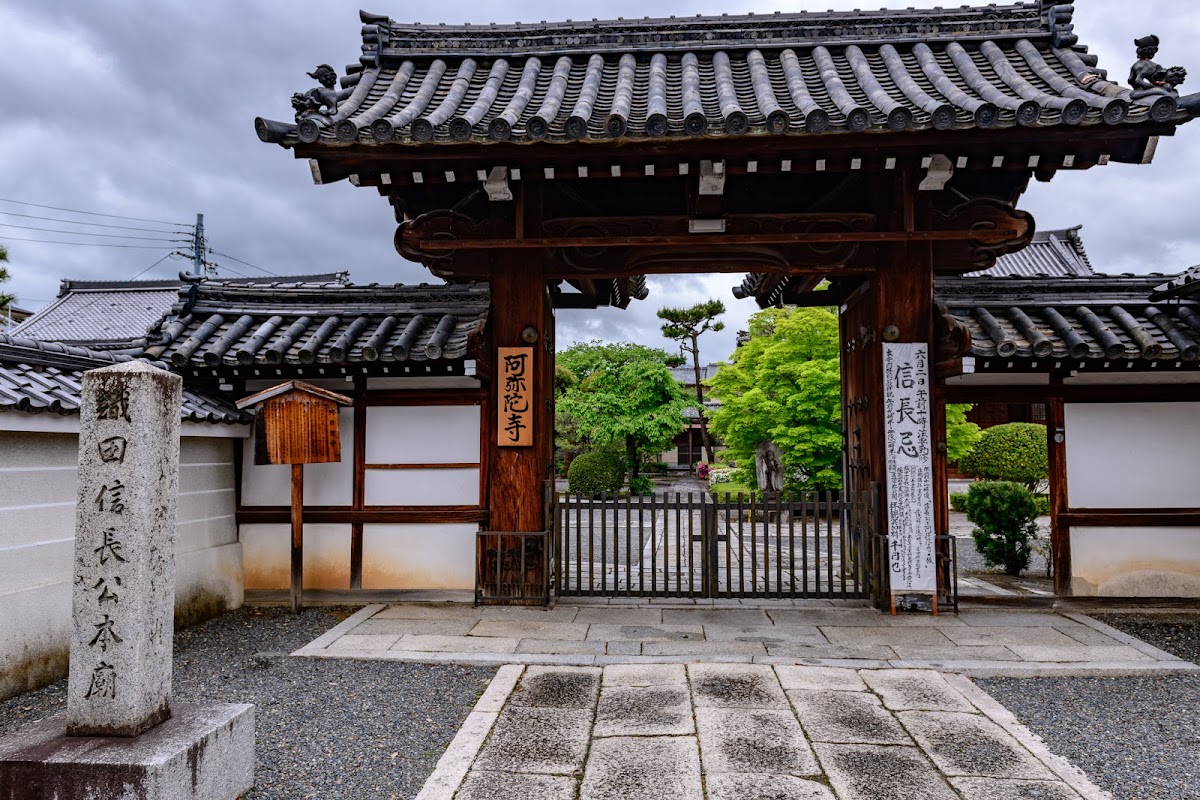
Amida-ji Temple, located in Kamigyo-ku, Kyoto City, is a Jodo sect temple with the mountain name Rendai-zan and the temple name Soken-in. Its principal image is Amida Buddha, and it is widely known as the tomb of Oda Nobunaga.
This temple was founded in 1555 (Tenbun 24) in Sakamoto, Omi Province (present-day Otsu City, Shiga Prefecture) by the high-ranking Jodo sect priest, Tamayo Seigyoku Shonin. Seigyoku Shonin received deep devotion from Oda Nobunaga, and when Nobunaga visited Kyoto in 1568 (Eiroku 11), the temple was moved to Kamitachiuri Omiya in Kyoto.
On June 2, 1582 (Tensho 10), when Nobunaga was killed by Akechi Mitsuhide in the Honnoji Incident, it is said that Seigyoku Shonin rushed to Honnoji Temple, brought back the remains of Nobunaga, his eldest son Nobutada, and his retainers including Mori Ranmaru, and buried them at Amidaji Temple. This anecdote illustrates the deep trust between Nobunaga and Seigyoku Shonin.
In 1585, during the construction of Teramachi by Toyotomi Hideyoshi, Amida-ji Temple relocated to its current location in Teramachi Imadegawa-agaru, Kamigyo-ku. During the Edo period, it flourished as the 16th temple on the Jodo 48 Pilgrimage.
The Deep Bond Between Oda Nobunaga and Amida-ji Temple
What sets Amida-ji Temple apart from other temples is its special relationship with Oda Nobunaga. The encounter between Abbot Seigyoku and Nobunaga dates back to when Nobunaga was still a daimyo of Owari Province. Impressed by Abbot Seigyoku’s virtue and learning, Nobunaga continued to place his trust in him even after arriving in Kyoto.
The record that Abbot Seigyoku brought back Nobunaga’s remains during the Honnoji Incident is preserved as a temple tradition at Amida-ji Temple and continues to this day. Within the temple grounds are the graves of Oda Nobunaga and his son Nobutada, as well as the graves of retainers who perished in the Honnoji Incident, including Mori Ranmaru. ### Nobunaga Memorial Day and Special Viewing
Every year on June 2nd, the anniversary of Nobunaga’s death, the main hall, normally closed to the public, is specially opened, allowing visitors to view a wooden statue of Oda Nobunaga and other valuable temple treasures. On this day, Nobunaga fans and history enthusiasts from all over Japan visit to pay their respects to Nobunaga.
The main hall houses a life-size wooden statue of Nobunaga, whose dignified appearance conveys the imposing presence of Nobunaga at the time. Historical documents related to the Honnoji Incident and items believed to have been presented by Nobunaga to the monk Seigyoku are also on display.
Highlights of the Temple Grounds
The grounds of Amida-ji Temple are not particularly large, but they offer a tranquil space imbued with a sense of history. The main hall, priest’s quarters, and temple gate are located within the grounds, and the tombs of Nobunaga and his son are also situated there. The tombs are open to visitors year-round and attract many worshippers.
The tombstones are relatively simple, but this is said to be closer to the true image of Nobunaga. Fresh flowers are always placed at the grave, showing that he is still beloved by many people.
Access and Visiting Information
Location: 14 Tsuruyama-cho, Teramachi-dori Imadegawa-agaru, Kamigyo-ku, Kyoto City
Access:
- Approximately 15 minutes on foot from Imadegawa Station on the Kyoto Municipal Subway Karasuma Line
- Approximately 5 minutes on foot from Kawaramachi Imadegawa bus stop (Kyoto City Bus)
- Approximately 10 minutes on foot from Demachiyanagi Station on the Keihan Railway
Visiting Hours: Normally closed to the public (only the grave site is accessible). The main hall is specially opened only on June 2nd, the anniversary of Nobunaga’s death.
Phone Number: 075-231-3538
About Goshuin (Temple Seals)
Goshuin (temple seals) can be obtained at Amida-ji Temple. Normally, they are given when visiting the grave site, and during the special viewing on June 2nd, they are also given at the main hall. The calligraphy on the goshuin (temple stamp) bears the mountain name “Rendai-zan” and the name of the principal deity, “Amida Nyorai,” and the temple’s seal is stamped on the vermilion seal. As a temple associated with Nobunaga, this goshuin holds special significance for history buffs.
Kochidani Amida-ji Temple, Sakyo-ku, Kyoto City: A Famous Spot for Autumn Leaves
A Hidden Gem Nestled in the Deep Mountains
Located in Kochidani, deep in the mountains of Ohara, Sakyo-ku, Kyoto City, Amida-ji Temple is a Jodo sect temple also known as Komyo-zan Hokoku-in. Situated in the mountains even further beyond Ohara Sanzen-in, it is affectionately known as “Kochidani Amida-ji Temple.”
Founded in 1678 by the monk Dansei Shonin, it was established in this area. Dansei Shonin was known as a Nembutsu practitioner and underwent rigorous training here. According to temple tradition, the monk achieved enlightenment (a practice of entering the earth while still alive to attain Buddhahood), and his mausoleum remains on the temple grounds.
A Stunning Autumn Foliage Spot
Kochidani Amidaji Temple is known as one of Kyoto’s premier spots for viewing autumn leaves. Especially from mid- to late November, the temple grounds are ablaze with vibrant colors, creating a tunnel of autumn leaves along the path from the main gate to the main hall.
Its tranquil atmosphere, largely due to its lack of commercialization, is a major draw. Visiting early in the morning allows you to enjoy the fantastical sight of the autumn leaves shrouded in morning mist.
Access and Visiting Information
Location: 83 Ohara Kochihira-cho, Sakyo-ku, Kyoto City
Access:
- Take the Kyoto Bus to “Ohara” stop, then take a taxi or walk for approximately 40 minutes (mountain path).
- By car, approximately 15 minutes from Ohara (parking available).
Visiting Hours: 9:00 AM – 4:00 PM
Admission Fee: 400 yen
Phone Number: 075-744-2048
Amida-ji Temple, Nara City: Telling the History of Naramachi
A Temple with Remaining Edo Period Architecture
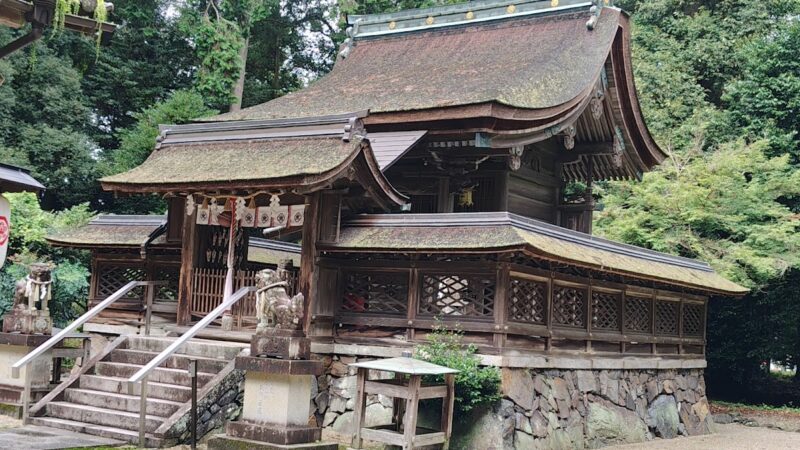
Amida-ji Temple, located in the Naramachi area of Nara City, is a Jodo sect temple. The main hall, guest hall, priest’s quarters, and middle gate are all Edo period buildings and are designated as Nara Prefecture’s designated tangible cultural properties.
The exact founding date is unclear, but it is believed to date back to the medieval period. During the Edo period, it was under the influence of Kofuku-ji Temple and attracted local faith as one of the temples in Naramachi.
Important Cultural Property Buddhist Painting
The sixteen contemplation images of the Kannon Sutra, a silk painting housed at the Nara National Museum, is a Kamakura period painting designated as an Important Cultural Property. This Buddhist painting is highly regarded as a masterpiece of Pure Land Buddhist art and is sometimes exhibited in special exhibitions.
Access Information
Location: 21 Kotaro-cho, Nara City
Access:
- Approximately 15 minutes on foot from Kintetsu Nara Station
- Approximately 20 minutes on foot from JR Nara Station
Amida-ji Temple, a branch temple of Todai-ji Temple, Hofu City, Yamaguchi Prefecture: A place associated with the monk Chogen Shonin
As a base for the reconstruction of Todai-ji Temple
Amida-ji Temple, a branch temple of Todai-ji Temple located in Hofu City, was established in 1187 (Bunji 3) by the monk Chogen Shonin, who served as the chief fundraiser for the reconstruction of Todai-ji Temple.
The reconstruction of Todai-ji Temple, which was destroyed in the burning of Nara by Taira no Shigehira in 1180, was a national undertaking. In 1186, when Suo Province became the source of funds for the reconstruction of Todai-ji Temple, Shogen Shonin traveled to Hofu, where the Suo provincial government was located, and established Amida-ji Temple as one of the seven sub-temples for the reconstruction of Todai-ji.
National Treasure Iron Pagoda
Amida-ji Temple houses an iron pagoda (National Treasure) that was funded by Shogen Shonin. This iron pagoda is a valuable cultural asset as the oldest iron pagoda in Japan. The temple also houses a seated statue of Shogen Shonin (Important Cultural Property), known as a masterpiece of Kamakura period portrait sculpture.
Access Information
Location: 1869 Mure, Hofu City, Yamaguchi Prefecture
Access:
- Approximately 20 minutes by bus from JR Hofu Station, get off at “Amida-ji” bus stop
- Approximately 15 minutes by car from Hofu East Interchange
Visiting Hours: 9:00 AM – 5:00 PM
Admission Fee: 200 yen for adults
Amida-ji Temple, Koriyama City, Fukushima Prefecture: An ancient temple founded by Gyoki Bodhisattva
History Dating Back to the Nara Period
Amida-ji Temple in Koriyama City is said to have been founded during the Tenpyo era of the Nara period when the high-ranking monk Gyoki Bodhisattva built a hall to enshrine an Amida Buddha statue he himself carved while spreading Buddhism throughout the country.
This hall later became a temple called “Shogaku-ji,” and grew into a large temple complex with a vast temple grounds within the present-day Kubota Taroden area. This is the predecessor of the current Amida-ji Temple.
As a Center of Local Faith
Although it has fallen into ruin several times due to wars and other conflicts since the Middle Ages, it has been rebuilt each time and continues to serve as a center of local faith to this day. The principal image, Amida Buddha, is said to have been created by Gyoki Bodhisattva and attracts fervent devotion from the local people.
Access Information
Location: Taroden, Ota, Nishida-machi, Koriyama City, Fukushima Prefecture
Access:
- Approximately 30 minutes by car from JR Koriyama Station
- Approximately 20 minutes from Koriyama-Higashi IC on the Ban-etsu Expressway
Otesuji Amida-ji Temple, Fushimi Ward, Kyoto City: A Temple Nestled in a Shopping Street
Together with the History of Fushimi
Amida-ji Temple, located near the western exit of the Otesuji Shopping Street in Fushimi Ward, Kyoto City, is a Jodo sect temple with a history of approximately 400 years. Its head temple is Chion-in Temple in Higashiyama Ward.
This temple has a long history, developing alongside the construction of Fushimi Castle by Toyotomi Hideyoshi. Despite being located in a bustling shopping district, it offers a tranquil space for worship.
Access Information
Location: Otesuji, Fushimi-ku, Kyoto City
Access:
- Approximately 5 minutes on foot from Keihan Railway’s “Fushimi-Momoyama Station”
- Approximately 5 minutes on foot from Kintetsu Kyoto Line’s “Momoyama-Goryomae Station”
Amida-ji Temple, Hakone-machi, Kanagawa Prefecture: Famous for Camellias
Flower Temple in Hakone Yumoto
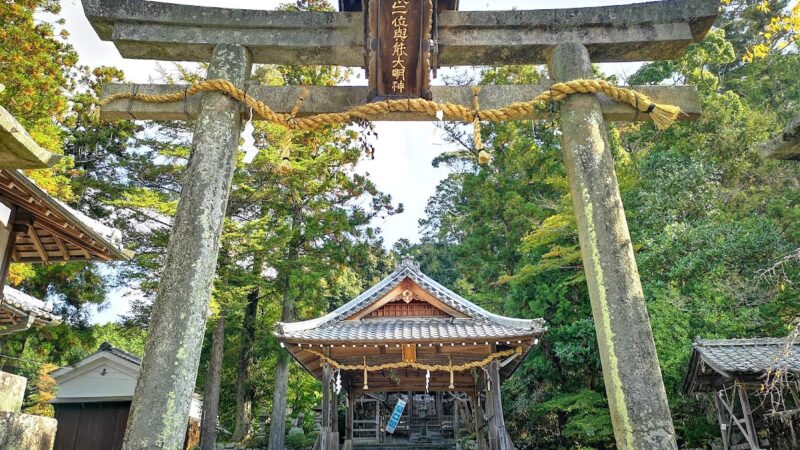
Amida-ji Temple in Hakone Yumoto is known as a famous spot for camellias. Especially from March to April, the temple grounds are surrounded by various varieties of camellias, delighting visitors.
Despite being located in the heart of Hakone’s hot spring resort town, it offers a peaceful environment for worship. Many tourists visit during the camellia season.
Access Information
Location: Yumoto, Hakone-machi, Ashigarashimo-gun, Kanagawa Prefecture
Access:
- Within walking distance from Hakone-Yumoto Station on the Hakone Tozan Railway
Amida-ji Temple, Yamashina-ku, Kyoto City: Near Emperor Tenji’s Mausoleum
Legend of Founding by Gyoki
Amida-ji Temple in Yamashina-ku, Kyoto, is known by the mountain name Kichijōzan and is located southeast of Emperor Tenji’s Mausoleum and north of the old Tōkaidō road. It is a branch temple of Chion-in Temple of the Jōdo sect, and its founder is said to be the Nara period monk Gyoki.
Later, it became a branch temple of the Tendai sect, but it is said that in Shōhei 12 (1357), Enchi, the head priest of Chion-ji Temple, converted it to the Jōdo sect.
Access Information
Location: Misasagi Tentoku-cho, Yamashina-ku, Kyoto City
Access:
- Approximately 10 minutes on foot from Misasagi Station on the Kyoto Municipal Subway Tozai Line
- Approximately 15 minutes on foot from Yamashina Station on the JR Line
Points to Note When Visiting Amida Temples
Similarities and Differences Among Amida Temples
What all Amida temples throughout Japan have in common is that they are all Jodo sect temples with Amida Buddha as their principal deity. Amida worship spread throughout Japan from the Heian period onward, and Amida temples were built in various locations.
On the other hand, each temple has its own unique history and characteristics. For example, the Amida Temple in Kamigyo-ku, Kyoto, has a connection to Oda Nobunaga; the Amida Temple in Hofu has a connection to the reconstruction of Todai-ji Temple; and the Kochidani Amida Temple is known for the beauty of its autumn foliage. Each temple possesses its own unique charm.
How to Enjoy Collecting Goshuin (Temple Stamps)
One of the joys of visiting Amida-ji temples is collecting Goshuin. Each temple’s Goshuin reflects its unique characteristics.
When requesting a Goshuin, be sure to do so after completing your prayers. It’s also important to bring your Goshuincho (stamp book) and confirm the date and temple name. Visiting multiple Amida-ji temples allows you to experience the individuality of each temple and the richness of Japanese Buddhist culture.
Annual Events and Special Viewings
Each Amida-ji temple holds various events throughout the year. The following events are particularly important:
- Spring and Autumn Equinox Services: Memorial services are held at each temple.
- Obon Segaki Service: Memorial services for ancestors.
- Nobunaga Memorial Service at Amida-ji Temple in Kamigyo Ward, Kyoto: Special viewing on June 2nd.
- Autumn Foliage Season at Kochidani Amida-ji Temple: Mid- to late November.
Checking each temple’s website or calling them in advance and visiting according to the events will allow for a deeper experience.
Manners and Precautions When Visiting a Temple
Basic Manners for Visiting a Temple
When visiting Amida-ji Temple, please observe the following manners:
- Bow at the Temple Gate: Bow before entering the temple grounds.
- Pray and Bow at the Main Hall: Join your hands in prayer to the principal image, Amida Buddha.
- Maintain a Respectful Attitude: Be quiet and respectful within the temple grounds.
- Consideration for Photography: Refrain from taking photos in areas where photography is prohibited.
- Proper Offering Etiquette: Offer a reasonable amount quietly.
Consideration for Temples Not Open to the Public
Some temples, like Amida-ji Temple in Kamigyo-ku, Kyoto, are not usually open to the public. Please understand that, except on special viewing days, only the cemetery is accessible, and refrain from attempting to enter the temple grounds unnecessarily.
Visiting Temples in Mountainous Areas
When visiting temples in mountainous areas like Kochidani Amidaji Temple, please note the following:
- Appropriate Attire: Wear comfortable shoes and clothing suitable for walking.
- Seasonal Attire: Take precautions against snow in winter and insect repellent in summer.
- Allow Amidaji Temple: Consider that access may take time.
- Check the Weather: Check road conditions in case of bad weather.
Tourist Attractions Around Amidaji Temple
Around Amidaji Temple, Kamigyo Ward, Kyoto
Amidaji Temple is close to the Kyoto Imperial Palace and Shokokuji Temple, and there are many tourist attractions in the surrounding area:
- Kyoto Imperial Palace: Approximately 15 minutes on foot
- Shokokuji Temple: Approximately 10 minutes on foot
- Doshisha University Imadegawa Campus: Approximately 5 minutes on foot
- Kamogawa Delta: Approximately 10 minutes on foot
Many temples line Teramachi Street, making it a pleasant place to stroll around.
Around Kochidani Amida-ji Temple
The Ohara area has the following attractions:
- Sanzen-in Temple: Approximately 15 minutes by car
- Jakko-in Temple: Approximately 20 minutes by car
- Ohara Onsen (hot spring): Approximately 15 minutes by car
You can enjoy the rural scenery of Ohara while visiting several temples.
Around Hofu Amida-ji Temple
- Hofu Tenmangu Shrine: Approximately 15 minutes by car
- Mori Clan Garden: Approximately 10 minutes by car
- Hofu City Machi-no-Eki Umeterrace: Approximately 15 minutes by car
Summary: Rediscovering the Charm of Amida-ji Temples
Amida-ji temples throughout Japan each possess their own unique history and culture, offering various attractions to visitors.
At Amidaji Temple in Kamigyo Ward, Kyoto, you can feel the deep connection to Oda Nobunaga, a key figure in Japanese history. At Kochidani Amidaji Temple, you can experience the natural beauty of Kyoto. At Hofu Amidaji Temple, you can feel the traces of the historical project of rebuilding Todaiji Temple.
Sharing a common foundation of Amida faith, the Amidaji temples have developed in connection with the history and culture of each region, illustrating the diversity and richness of Japanese Buddhism.
While you can spend time visiting one temple, or compare several Amidaji temples, why not rediscover the charm of Amidaji temples in your own travel style?
History buffs, nature lovers, Goshuin (temple stamp) collectors, or those seeking quiet time—Amidaji temples are sure to offer peace of mind and new discoveries to all visitors.