
Complete Guide to Jōdoji Temple | National Treasure Architecture and the Kamakura Period Treasures Left by Chōgen Shōnin
Located in Jōya-chō, Ono City, Hyogo Prefecture, Jōdoji Temple is a Shingon Buddhist temple of the Kōyasan sect, possessing national treasure architecture and Buddhist statues representative of the Kamakura period. Founded in 1194 by Chōgen Shōnin as a branch temple of Tōdaiji Temple in Harima Province, this ancient temple holds immense historical importance as a masterpiece of the Daibutsu-yō (Tenjiku-yō) style architecture.
History of Jōdoji Temple and Chōgen Shōnin
From Hirotoji Temple to Jōdoji Temple
The predecessor of Jōdoji Temple was Hirotoji Temple, located approximately 2 km west of its current location. This temple, said to have been founded by Gyōki Bodhisattva during the reign of Emperor Shōmu, fell into ruin over many years due to warfare.
Restoration by Chōgen Shōnin
Chōgen Shōnin (1121-1206), a monk who was active from the late Heian period to the early Kamakura period, is known for completing the reconstruction of the Great Buddha Hall of Tōdai-ji Temple. Between 1192 and 1194, Chōgen Shōnin established Jōdo-ji Temple at its current location as a branch temple of Tōdai-ji in Harima Province.
This temple, also known as Gokuraku-san, was built using the Daibutsu-yō (Tenjiku-yō) architectural style, which Chōgen Shōnin learned from China (Song Dynasty). Alongside the South Gate of Tōdai-ji Temple, it occupies an extremely important position in the history of Japanese architecture as a representative example of Daibutsu-yō architecture.
History from the Edo Period Onward
During the Edo period, it belonged to the Kōyasan Shingon sect and developed as a temple with the sub-temples Kanki-in and Hōji-in. Kanki-in Temple still remains as a sub-temple and is involved in the maintenance and management of the temple.
Architectural Beauty of the National Treasure, Jodo-do Hall (Amida Hall)
A Masterpiece of Daibutsu-style Architecture
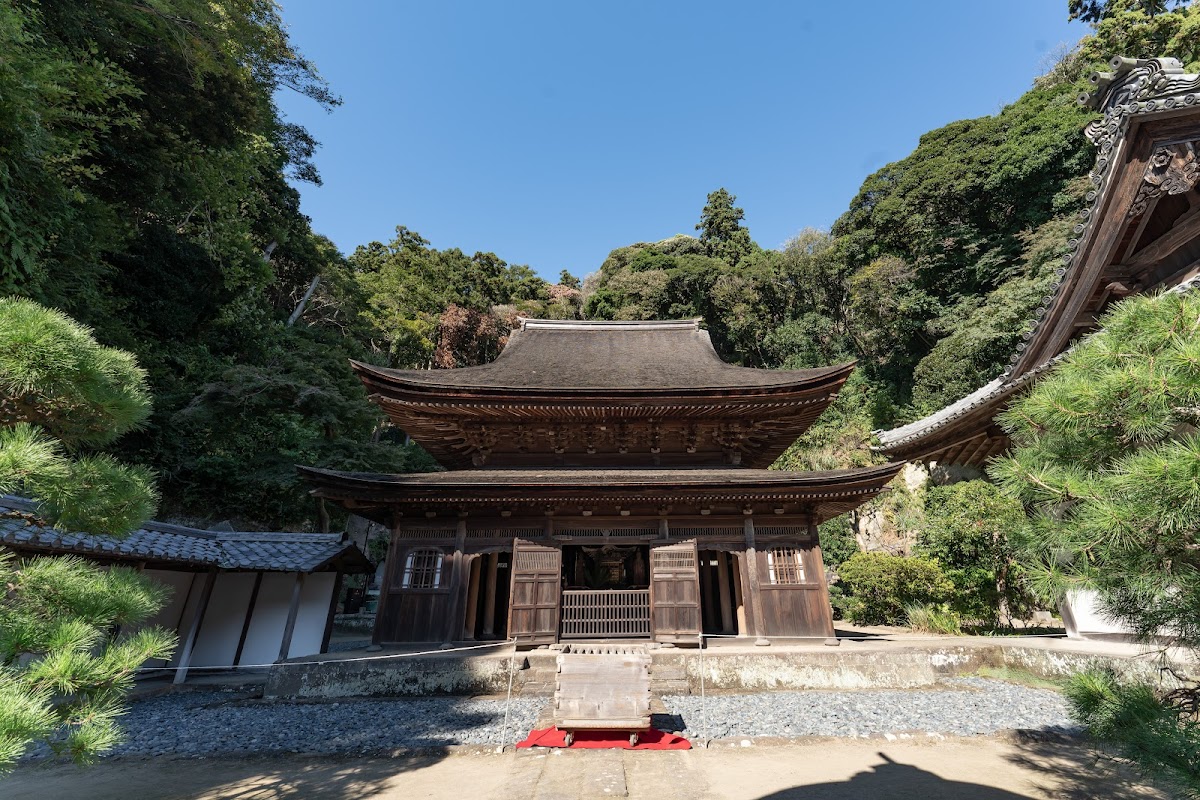
The Jodo-do Hall, built in 1192 (Kenkyu 3), is the central building of Jodo-ji Temple and is designated as a National Treasure. It has a structure with three bays in length and width, a pyramidal roof, and a tiled roof, strongly retaining the characteristics of the Daibutsu-style (Tenjiku-style) architecture.
The following are some of the characteristics of Daibutsu-style architecture:
- Sashihijiki: A structure in which horizontal members that penetrate the pillars are intricately combined.
- Thick pillars and beams: A powerful and magnificent structural beauty.
- Shitomido: A special type of door that can be opened and closed vertically.
- Simple yet powerful design: Functional beauty with restrained ornamentation.
This architectural style can also be seen in the South Gate of Todai-ji Temple, and is characterized by a rational and powerful structure influenced by Song Dynasty Chinese architecture.
The Art of Light and Space
The greatest charm of the Jodo-do Hall lies in the building’s layout and the calculation of lighting. Shitomido doors are installed on all four sides (east, west, north, and south) of the hall, and the scene in the evening, especially when the setting sun shines in, is known to embody “the Pure Land on Earth.”
When the afternoon sun shines into the hall, the standing statues of Amida and his two attendants glow golden, truly creating the Pure Land of Paradise. This lighting design is believed to have been intentionally planned by the monk Chogen, and it conveys the aesthetic sensibilities of the Kamakura period, where architecture and religious space are integrated.
National Treasure: Standing Amida Triad and Kaikei’s Buddhist Sculptures
Masterpiece by Kaikei
The standing Amida Triad enshrined in the Jodo-do Hall is a work by Kaikei, a leading Buddhist sculptor of the Kamakura period, and is designated a National Treasure. The central Amida Buddha statue is a large work, approximately 5.3 meters tall, flanked by standing Kannon Bodhisattva and Seishi Bodhisattva statues.
Kaikei, along with Unkei, is a representative Buddhist sculptor of the Kei school, and his work is characterized by its elegant and gentle style known as “Annami-yo.” The Amida Triad at Jōdo-ji Temple, a work from Kaikei’s mature period, possesses the following characteristics:
- Gentle and compassionate expression: A gentle face that brings peace to the viewer
- Elegant drapery: A natural and beautiful depiction of the folds of the robe
- Well-proportioned posture: Ideal proportions
- Exquisite sculptural technique: A form meticulously finished down to the smallest detail
Buddha statues in light
At the time when the setting sun shines in, the standing Amida Triad statues glow as if enveloped in a halo. This relationship between light and the Buddha statues, integrated with the architectural design of the Jōdo-dō hall, is considered one of the pinnacles of Japanese religious art, representing a comprehensive work of art.
National Treasure: Yakushi-dō hall and the principal image, Yakushi Nyorai
Jōdo-ji Temple has another important building: the Yakushi-dō hall. This building, believed to have been constructed around the same time as the Jōdo-dō hall, also exhibits characteristics of Daibutsu-style architecture and is designated a National Treasure.
The Yakushi-do Hall houses the principal image of Yakushi Nyorai (Medicine Buddha), making Jodo-ji Temple a distinctive temple with two principal images: Amida Nyorai (Amitabha Buddha) and Yakushi Nyorai (Medicine Buddha). This is thought to reflect the religious views of the monk Chogen, who emphasized both Pure Land Buddhism and worldly benefits.
The architectural style of the Yakushi-do Hall, like that of the Jodo-do Hall, strongly retains the characteristics of the Daibutsu-style architecture, and the relative positions of the two buildings were meticulously calculated.
Cultural Properties and Highlights of Jodo-ji Temple
Numerous Important Cultural Properties
In addition to national treasures, Jodo-ji Temple possesses numerous important cultural properties:
- Wooden Standing Statue of Jizo Bodhisattva: An excellent Buddhist sculpture from the Kamakura period
- Hachiman Shrine Main Hall: A shrine architecture located within the temple grounds
- Ancient Documents: Valuable historical materials showing the relationship with the monk Chogen and Todai-ji Temple
These cultural properties demonstrate that Jodo-ji Temple was not merely a local temple, but played an important role as a branch temple of Todai-ji Temple in Harima Province.
Temple Grounds and Buildings
The grounds of Jōdo-ji Temple retain much of the temple layout from the Kamakura period. Centered around the Jōdo-dō and Yakushi-dō halls, the temple’s sub-temples, such as Kanki-in and Hōji-in (no longer existing), are arranged to convey its former status as a branch temple of Tōdai-ji.
The temple grounds are also beautiful throughout the seasons, and the hydrangeas on the hillside behind the temple are particularly cherished by locals as being of “national treasure-level beauty.” In early summer, the hydrangeas that adorn the grounds delight visitors.
Characteristics and Value of Daibutsu-yō (Tenjiku-yō) Architecture
Daibutsu-yō as an Architectural Style
The Daibutsu-yō (Daibutsu-yō), also known as Tenjiku-yō (Tenjiku-yō), is an architectural style introduced to Japan from Song Dynasty China by the monk Chōgen. It was introduced to Japan through the reconstruction of Tōdai-ji Temple during the late Heian period and early Kamakura period.
The main characteristics of this style are:
- Inserted Bracket Structure: Extensive use of horizontal members (nuki) penetrating columns to form complex bracket systems.
- Thick Members: Thick members are used for columns and beams, creating a powerful impression.
- Rational Structure: Emphasis on structural rationality over ornamentation.
- Rapid Construction: A construction method for building large-scale buildings in a short period of time.
The Perfection of the Daibutsu Style at Jōdo-ji Temple
The Jōdo-dō and Yakushi-dō halls of Jōdo-ji Temple, along with the Nandaimon Gate of Tōdai-ji Temple, are considered among the purest and most perfect examples of Daibutsu style architecture. The Jōdo-dō, in particular, is a masterpiece that perfectly blends its function as a religious building with the structural beauty of Daibutsu style architecture.
Among architectural historians, the Jōdo-dō is sometimes considered to retain the characteristics of the Daibutsu style more purely than the Nandaimon Gate of Tōdai-ji Temple, and it holds first-class historical value in the history of Japanese architecture.
The Relationship Between Jōdo-ji Temple and Tōdai-ji Temple
Role as a Harima Branch Temple
Jōdo-ji Temple was established as a Harima branch temple of Tōdai-ji Temple. A branch temple refers to a training center or economic base located away from the main temple.
Chōgen Shōnin established a base in Harima Province (present-day Hyogo Prefecture) to procure funds and materials for the reconstruction of the Tōdai-ji Great Buddha Hall. Jōdo-ji Temple functioned as the central facility and fulfilled the following roles:
- Training Center: A place for monks to train
- Economic Base: A base for manor management
- Missionary Activities: Spreading Pure Land Buddhism
- Technical Transmission: Practice and inheritance of Great Buddha-style architectural techniques
Chōgen Shōnin’s Thought and Jōdo-ji Temple
Chōgen Shōnin was deeply devoted to Pure Land Buddhism and had a profound faith in Amida Buddha. At the same time, as a monk of Tōdai-ji Temple, he was also well-versed in Kegon Buddhism. Jōdo-ji Temple was established as a temple embodying both of these philosophies.
Having both a Jōdo-dō (Pure Land Hall) with Amida Buddha as its principal deity and a Yakushi-dō (Medicine Buddha Hall) with Yakushi Buddha as its principal deity demonstrates the coexistence of salvation in the afterlife (Pure Land faith) and worldly benefits (Medicine Buddha faith), reflecting the comprehensive religious view of the monk Chōgen.
Visiting Information and Access
Visiting Hours and Fees
Visiting Hours
- April to September: 9:00 AM to 5:00 PM
- October to March: 9:00 AM to 4:00 PM
- Note: Jodo-do Hall is closed to visitors from 12:00 PM to 1:00 PM
- The hall is closed to visitors during the New Year holidays
Admission Fee
- Grounds: Free
- Jodo-do Hall: Paid (Please check official information for fees)
Access Methods
Access by Train
- Get off at Ono Station on the Kobe Electric Railway Ao Line
- Take a taxi or Shinki Bus from the station
- Get off at the Jodo-ji bus stop and it’s right there
Access by Car
- Approximately 10 minutes from Miki-Ono IC on the Sanyo Expressway
- Approximately 15 minutes from Takino-Yashiro IC on the Chugoku Expressway
- Parking: Free parking available
Address
2094 Jōya-chō, Ono City, Hyogo Prefecture 675-1317
Combining with nearby sightseeing
Ono City has other attractions besides Jōdoji Temple:
- Ono City Traditional Industries Hall: Exhibits local specialties such as abacuses and cutlery
- Sunflower Hill Park: A park where you can enjoy seasonal flowers
- Kamoike Park: A relaxing place rich in nature
Using the tourist guides and brochures issued by the Ono City Tourism Association will allow you to sightsee efficiently.
Jōdoji Temple’s Seasons and Annual Events
Jōdoji Temple in Spring
In spring, the cherry blossoms in the temple grounds bloom, allowing you to enjoy the collaboration of the national treasure architecture and cherry blossoms. In the season of fresh greenery, the light filtering in through the shutters of the Jōdo Hall feels even more vibrant.
Early Summer Hydrangeas
The hillside behind Jōdoji Temple is a famous spot for hydrangeas, renowned for their “national treasure-level beauty.” From June to July, the mountain is adorned with colorful hydrangeas, attracting many worshippers and tourists.
Autumn Foliage
In autumn, the trees on the temple grounds change color, creating a beautiful landscape in harmony with the national treasure architecture. Especially in the evening, when the setting sun shines through, the scene, combined with the Amida Triad inside the Jōdo Hall, truly evokes the image of paradise.
Winter Serenity
In winter, Jōdoji Temple has fewer visitors, allowing for a peaceful and tranquil experience of appreciating the national treasure architecture. Spending time contemplating the Kamakura period architecture in the crisp winter air will be a truly special experience.
Architectural and Historical Value of Jōdoji Temple
Position in Architectural History
The Jōdo-dō (Pure Land Hall) of Jōdoji Temple is extremely important in architectural history for the following reasons:
- The Best Example of Daibutsu-style Architecture: A representative work alongside the Nandaimon (South Gate) of Tōdaiji Temple
- Kamakura Period Architectural Technology: Conveys the cutting edge technology of the time
- Design of Religious Space: Expression of the Pure Land through the fusion of light and architecture
- Excellent State of Preservation: Remains remarkably well-preserved from its original form
Importance as a Cultural Property
The Jōdo-dō, Yakushi-dō (Medicine Buddha Hall), and the standing statues of the Amida Triad, all designated as National Treasures, are of the highest rank among Japanese cultural properties. In particular, there are few examples of architecture and Buddhist statues being designated as a National Treasure together, making Jōdoji Temple extremely valuable as a comprehensive cultural property.
International Recognition
The architecture of Jōdoji Temple is highly regarded not only in Japan but also internationally. Because the Daibutsu-style architecture was influenced by Chinese Song Dynasty architecture, it is attracting attention from architectural historians as evidence of East Asian architectural cultural exchange.
The Role of the Sub-temple Kanki-in
Currently, Kanki-in remains as a sub-temple of Jōdo-ji Temple. Kanki-in is responsible for the maintenance and management of the temple, and also actively promotes the charm of Jōdo-ji Temple through social media (Instagram, etc.).
The photographs and explanations by the deputy head priest widely convey the beauty of Jōdo-ji Temple’s four seasons and the solemn atmosphere of the Jōdo-dō Hall bathed in the setting sun, gaining many followers. This balance between traditional temple management and modern information dissemination is attracting attention as a new form of cultural property preservation.
Points to Note When Visiting Jōdoji Temple
Best Time to Visit
The following times are recommended for visiting Jōdoji Temple:
- Afternoon Sunlight: The Jōdo Hall shines most beautifully.
- June-July: Hydrangeas on the hillside behind the temple are in full bloom.
- November: Autumn foliage season.
- Weekday Mornings: Relatively uncrowded, allowing for a more leisurely visit.
Photography
Photography is generally permitted within the temple grounds, but there may be restrictions on photography inside the halls. Please check during your visit. The view of the Jōdo Hall bathed in the setting sun is particularly photogenic, but please remember that it is a religious site and be mindful of proper etiquette when taking photos.
Estimated Time Required
For a thorough visit to Jōdoji Temple, allow approximately 1.5 to 2 hours. If you plan to observe the details of the national treasure architecture and wait for the setting sun, it is recommended to allow even more time.
Summary: The Charm of Jōdoji Temple
Jōdoji Temple in Ono City, Hyogo Prefecture, is a treasure of the Kamakura period, built by the monk Chōgen. The National Treasure Jōdo-dō and Yakushi-dō halls are masterpieces of Daibutsu-style architecture, and together with the standing Amida Triad statue by Kaikei, they represent the pinnacle of Japanese religious art and architecture.
Founded as a branch temple of Tōdai-ji Temple in Harima Province, this temple is not merely a local ancient temple, but occupies an extremely important position in the history of Japanese architecture and art. The majestic sight of the Jōdo-dō hall bathed in the setting sun conveys the religious ideals of the monk Chōgen from over 800 years ago—truly a “Pure Land on Earth.”
The harmony between the seasonal nature and the National Treasure architecture, especially the beauty of the hydrangeas on the hillside behind the temple, is another of its charms. The modern information dissemination by Kanki-in is also attracting attention as a new attraction of Jōdoji Temple.
When you visit Ono City, be sure to experience the architectural beauty and exquisite Buddhist art of the Kamakura period at this national treasure temple. Jodo-ji Temple is truly a “must-visit temple” where you can appreciate the magnificence of Japan’s cultural heritage.
.png)