Complete Guide to Mishima Shrines | History, Benefits, and Access Information for Mishima Shrines Nationwide
There are numerous shrines named “Mishima Shrine” throughout Japan. These shrines all share the name of Mishima Taisha, located in Mishima City, Shizuoka Prefecture, as their head shrine, and enshrine its divided spirits in various locations. This article provides a comprehensive explanation of Mishima Shrines, from their historical background to the characteristics, benefits, and methods of worship of representative Mishima Shrines in different regions.
What is a Mishima Shrine?
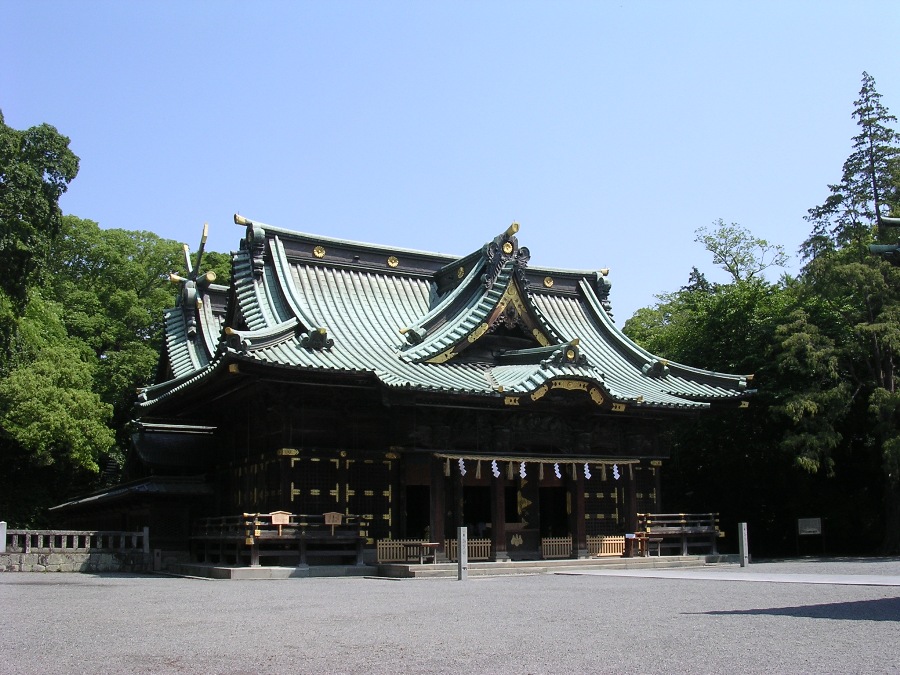
Mishima Shrine is a general term for shrines whose head shrine is Mishima Taisha (Mishima City, Shizuoka Prefecture), the Ichinomiya (first-ranked shrine) of Izu Province. Branch shrines and shrines dedicated to the divided spirits exist throughout Japan, and have long been revered in their respective regions.
Relationship with Mishima Taisha
Mishima Taisha is an ancient shrine that enshrines Oyamatsumi-no-Mikoto and Tsumihayaekotoshironushi-no-Kami as its principal deities. These two deities are collectively known as “Mishima Daimyojin,” and all Mishima shrines throughout Japan were founded by inviting a divided spirit of these deities.
Mishima Taisha Shrine is known for Minamoto no Yoritomo’s prayers offered there before raising his army, resulting in victory in his initial battles. Due to this historical background, it has become widely worshipped as a deity that grants “great wishes.”
Deities and Benefits
Main Deities
The main deities enshrined at Mishima Shrine are as follows:
Oyamatsumi-no-Mikoto
“Yamatsumi” means “the one who holds the mountains,” and this deity is revered as a mountain god. Furthermore, in the “Iyo no Kuni Fudoki” (a historical and geographical record of Iyo Province), this deity is identified as Watashi-no-Okami, and since “wata” is an archaic word for sea, this deity also has aspects of a sea god.
Tsumihayaekotoshironushi-no-kami
This deity is known as the god of business prosperity and good fortune, and is sometimes identified with Ebisu.
Main Benefits
Mishima Shrine is said to offer the following benefits:
- Fulfillment of Great Wishes: Inspired by the story of Minamoto no Yoritomo, granting the fulfillment of great wishes.
- Business Prosperity: Prosperity in business through the divine virtues of Kotoshironushi-no-kami.
- Family Safety: Health and peaceful living for the family.
- Regional Protection: Safety and development of the region.
- Abundant Harvest: Bountiful harvests in agriculture and fishing.
- Traffic Safety: Safe and secure travel.
- Good Fortune and Prosperity: Improvement of luck and the arrival of happiness.
Representative Mishima Shrines Nationwide
Mishima Taisha (Mishima City, Shizuoka Prefecture)
Location: 2-1-5 Omiya-cho, Mishima City, Shizuoka Prefecture
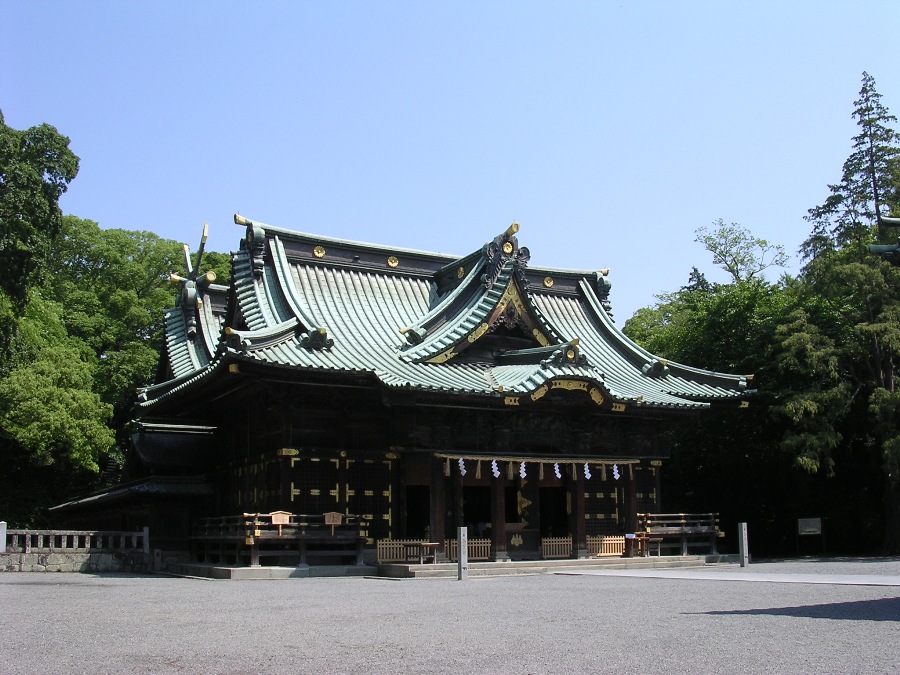
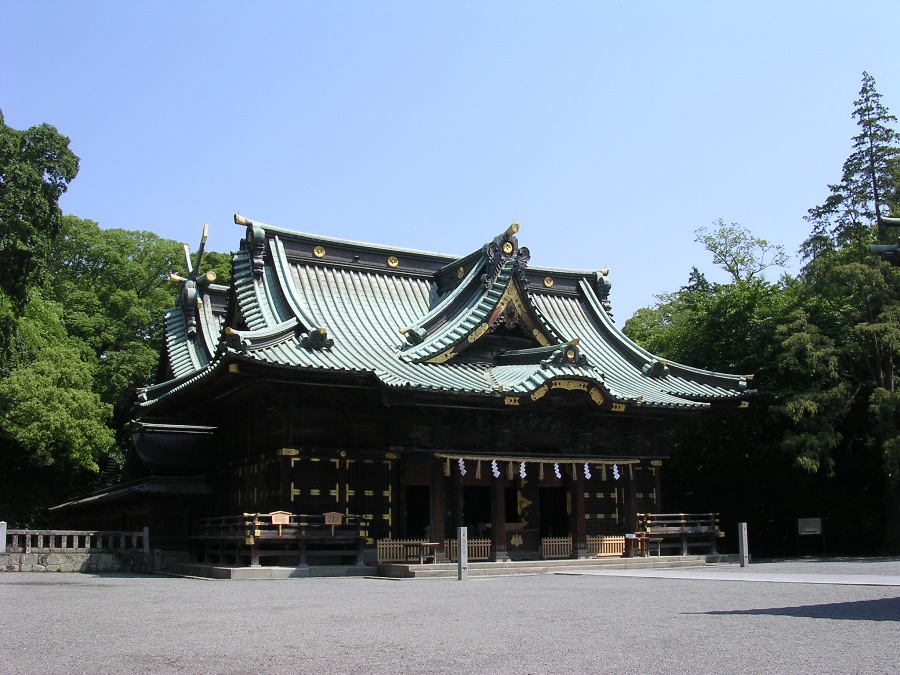
As the Ichinomiya (first-ranked shrine) of Izu Province, it is positioned as the head shrine of all Mishima Shrines nationwide. While the details of its founding are unknown, it has been revered as a central shrine in the Izu region since ancient times.
Highlights of the Shrine Grounds
- Main Hall, Offering Hall, and Worship Hall: Designated as Important Cultural Properties
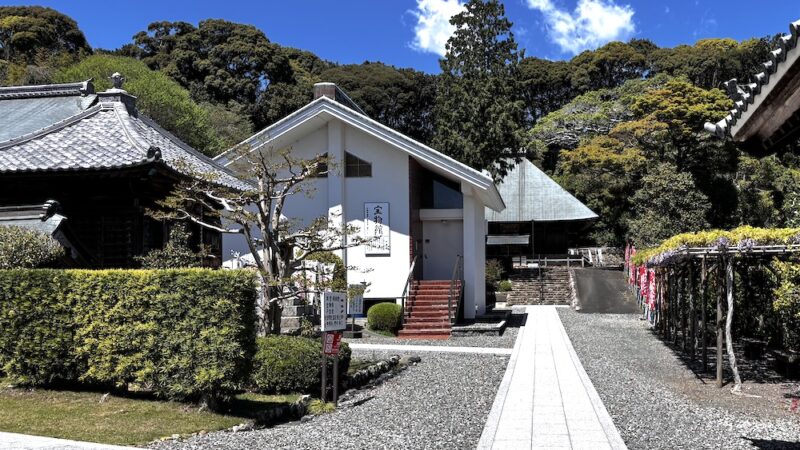
- Mishima Taisha Treasure Museum: Houses valuable cultural artifacts
- Itsukushima Shrine: Shrine within the grounds
- Sacred Pond and Cherry Blossoms: A popular cherry blossom viewing spot in spring
Festivals
Many festivals are held throughout the year, with the annual grand festival attracting many worshippers.
Mishima Shrine (Kadoma City, Osaka Prefecture)
Location: 1-15-22 Mitsushima, Kadoma City, Osaka Prefecture
Mishima Shrine is said to have been founded approximately 800 years ago. It was built with a divided spirit from Mishima Taisha in Mishima City, Shizuoka Prefecture, in gratitude for the fulfillment of the wishes of the local community. As a shrine associated with Minamoto no Yoritomo, it is affectionately known as the “Shrine where great wishes are granted.”
Features
As a shrine deeply rooted in the community, it attracts the faith of local residents and performs various prayers and wedding ceremonies.
Mishima Shrine (Yusuhara-cho, Takaoka-gun, Kochi Prefecture)
Location: Tarogawa, Yusuhara-cho, Takaoka-gun, Kochi Prefecture
This ancient shrine boasts a history of over 1,000 years and is known as the shrine where the Tsunoyama Kagura dance is passed down through generations.
Features of the Shrine Grounds
- Tsuno Shrine: Dedicated to the founder, Tsuno Tsunetaka
- Korean Pine (Apricot): A valuable tree on the shrine grounds
- Shinko Bridge: A covered wooden bridge leading to the shrine grounds
The Tsunoyama Kagura is still carefully preserved today as an important intangible cultural asset of the region.
Mishima Shrine (Hachinohe City, Aomori Prefecture)
Location: 1-6-10 Choja, Hachinohe City, Aomori Prefecture
The founding date is unknown due to the loss of records, but it is said to be in 807 AD (Daido 2). The main hall is said to have been built by Naomasa, the second head of the Hachinohe Nanbu clan.
Festivals
The Mishima Shrine Spring Festival, held annually on July 6th and 7th, features numerous stalls and attracts many worshippers. It’s a beloved summer tradition in the region.
Mishima Shrine (Hokkaido)
Location: Nanaehama, Hakodate City, Hokkaido
The shrine was established in 1504 (Eisho 1) in the Nanae-Narukawa area, with a divided spirit received from the Oyamazumi Shrine on Omishima Island in Ehime Prefecture. Initially, the shrine was built on the trunk of a cherry tree, and in 1688 (Genroku 1), the shrine was rebuilt at its current location.
History
Originally called “Oyamazumi-no-Mikoto Shrine,” it was later renamed Mishima Shrine. This shrine has a long history intertwined with the development of Hokkaido.
Mishima Shrine (Isehara City, Kanagawa Prefecture)
Location: 714 Zenba, Isehara City, Kanagawa Prefecture
This shrine protects the community as the guardian deity of Zenba.
Highlights
At the entrance to the shrine grounds, there are over a dozen weeping cherry trees, which bloom magnificently in the height of spring. It is also known as a famous cherry blossom viewing spot, attracting many visitors.
Araki Mishima Shrine (Tottori Prefecture)
Location: Araki, Tottori City, Tottori Prefecture
This is an ancient shrine with a record of a visit by the provincial governor, Taira no Tokinori, in 1099 (according to the “Tokinori-ki”). The Mishima Road and the formation of the Mishima area, which led to this shrine, are well-known.
Historical Value
During the Edo period, the area was known as “Mishima no Yabu” and a guard of the Tottori domain was stationed there. Recently, the “Akisato Ruins,” excavated from the former shrine grounds, have confirmed artifacts related to rituals from the early Kofun period to the medieval period, confirming the historical importance of this shrine.
Mishima Shrine (Ehime Prefecture)
Location: Miyaura, Omishima-cho, Imabari City, Ehime Prefecture
Strictly speaking, it is known as “Oyamatsumi Shrine” rather than “Mishima Shrine,” but it holds an important position as the origin of Mishima faith. It is the head shrine nationwide for those who enshrine Oyamatsumi-no-Mikoto, and many Mishima shrines have invited a divided spirit from this shrine.
History of Mishima Shrine
Ancient Beliefs
The origins of Mishima faith are ancient, and it is thought to be a fusion of mountain worship and sea worship in the Izu region. Oyamatsumi-no-Mikoto is both a mountain god and a sea god, a form of worship that reflects the geographical characteristics of the Izu Peninsula.
Development in the Middle Ages
From the late Heian period to the Kamakura period, the Mishima faith spread widely in samurai society due to the story that Minamoto no Yoritomo prayed at Mishima Taisha and succeeded in raising an army. As a result, Mishima shrines were invited to various parts of the country.
Many Mishima Shrines were established during this period, including the Mishima Shrine in Kadoma City, which was founded approximately 800 years ago.
Developments since the Early Modern Period
During the Edo period, Mishima Shrines throughout the country became established as guardian shrines of their respective regions, deeply intertwined with local communities. With the development of commerce and industry, the belief in them as gods of business prosperity also spread.
Following the reforms of the shrine system during the Meiji era, Mishima Shrines throughout the country now play an important role in preserving local traditions and culture.
How to Visit and Etiquette
Basic Worship Etiquette
The basic etiquette for visiting Mishima Shrine is as follows:
- Bow before passing through the torii gate: A courtesy before entering the sacred area
- Purify yourself at the water basin: Purify your left hand, right hand, and mouth in that order
- Walk along the edge of the path: The center is the path for the gods
- Bow twice, clap twice, and bow once in front of the main hall: General shrine etiquette
- Bow again at the torii gate when leaving: With gratitude
About Prayers
Many Mishima Shrines accept various types of prayers:
- Family Safety
- Business Prosperity
- Traffic Safety
- Protection from Evil
- Success in Exams
- Safe Childbirth
- First Shrine Visit for a Newborn
- Shichi-Go-San (7-5-3 Festival)
If you wish to request a prayer, it is recommended to inquire with the shrine in advance.
Items Offered
At Mishima Shrine, you can receive items such as amulets and Goshuin (stamped seals). Mishima Taisha, in particular, offers local specialties such as the auspicious mochi “Fukutaro.”
Access to Mishima Shrine
Mishima Taisha (Head Shrine)
Access by Train
- Approximately 15 minutes on foot from JR Tokaido Shinkansen/Tokaido Main Line “Mishima Station”
- Approximately 7 minutes on foot from Izuhakone Railway “Mishima Tamachi Station”
Access by Car
- Approximately 20 minutes from Tomei Expressway “Numazu IC”
- Approximately 15 minutes from Shin-Tomei Expressway “Nagaizumi Numazu IC”
Parking: Available (for visitors)
Mishima Shrines in Various Locations
For access to Mishima Shrines in various locations, it is recommended to check the official website of each shrine or the website of the local tourism association. For many shrines, it is convenient to use a bus or taxi from the nearest station, or to access them by car.
Mishima Shrine and Local Culture
Tsunoyama Kagura (Yusuhara Town, Kochi Prefecture)
At Mishima Shrine in Yusuhara Town, the Tsunoyama Kagura, with a history of over 1,000 years, is preserved. This Kagura is an important intangible cultural asset of the region and is performed during Shinto rituals and festivals.
Spring Festival (Hachinohe City, Aomori Prefecture)
At Mishima Shrine in Hachinohe City, the Spring Festival is held annually on July 6th and 7th. It is an important local event, bustling with many visitors and featuring numerous stalls.
Cherry Blossom Spot (Isehara City, Kanagawa Prefecture)
Mishima Shrine in Zenba, Isehara City, is a famous cherry blossom spot known for its dozen or so weeping cherry trees. Many visitors come to enjoy the blossoms in spring, beautifully decorating the shrine grounds.
Points to Note When Visiting Mishima Shrine
Visiting Hours
Most Mishima Shrines are primarily open for daytime visits. Shrine office hours vary by shrine, so please check in advance if you wish to receive prayers or a Goshuin (shrine stamp).
Attire
If you are receiving prayers, it is best to wear attire that is not too casual. For regular visits, no special attire is required, but please be mindful of the sacred nature of the place and dress accordingly.
Photography
Photography is generally permitted on the shrine grounds, but it is considered good manners to refrain from taking pictures inside the main hall or during Shinto rituals. If you are unsure, please check with the shrine staff.
Phone Number Confirmation
You can contact each Mishima Shrine using the phone number listed on their official website. It is recommended to check the opening hours and prayer reception hours before visiting.
Annual Events at Mishima Shrine
Mishima Shrine holds various festivals and events throughout the year. Representative events include the following:
Spring Events
- Spring Grand Festival: Many Mishima Shrines hold their annual grand festival in spring.
- Cherry Blossom Festival: Shrines famous for their cherry blossoms also hold special events during the cherry blossom viewing season.
Summer Events
- Summer Purification Ceremony: A Shinto ritual held on June 30th to purify oneself of sins and impurities accumulated over the past six months.
- Summer Festival: Depending on the region, summer festivals are held from July to August.
Autumn Events
- Autumn Grand Festival: A festival to give thanks for the harvest.
- Kagura Dedication: Traditional performing arts such as Tsunoyama Kagura are dedicated.
Winter Events
- Year-End Purification Ceremony: A ceremony held on December 31st to purify oneself of sins and impurities accumulated over the past year.
- First Shrine Visit of the New Year: Many people visit for New Year’s prayers.
Specific dates vary by shrine, so it is recommended to check the official website. ## Mishima Shrine and Sightseeing
Tourist Spots Around Mishima Taisha Shrine
Mishima City in Shizuoka Prefecture, where Mishima Taisha Shrine is located, boasts many tourist attractions as a gateway to Mt. Fuji and the Izu Peninsula:
- Mishima Skywalk: Japan’s longest pedestrian suspension bridge
- Kakitagawa Park: A clear stream fed by groundwater from Mt. Fuji
- Rakujuen: A garden designated as a national natural monument
Mishima Shrines and Sightseeing in Various Regions
Mishima Shrines throughout Japan can be visited in combination with local tourist attractions. Mishima Shrine in Yusuhara Town, Kochi Prefecture, can be enjoyed as part of sightseeing in Yusuhara Town, known as the “Town Above the Clouds,” while Mishima Shrine in Hachinohe City, Aomori Prefecture, can be enjoyed as part of a historical tour of Hachinohe.
Summary
Mishima Shrine is a historical shrine with its head shrine, Mishima Taisha Shrine in Mishima City, Shizuoka Prefecture, and branch shrines located throughout Japan. The shrine enshrines Ōyamatsumi-no-Mikoto and Tsumiha-Yaekotoshironushi-no-Kami, and is believed to grant wishes, business prosperity, and family safety.
Due to the story of Minamoto no Yoritomo’s successful uprising, it has been widely revered as a “shrine where wishes are granted,” attracting the faith of local people from approximately 800 years ago to the present day. Mishima Shrines throughout Japan are still carefully preserved, deeply intertwined with the history and culture of their respective regions.
When visiting, observing basic etiquette while learning about the unique characteristics and history of each shrine will lead to a deeper pilgrimage experience. It is recommended to check the official website of each shrine for access information, visiting hours, and phone numbers, and plan your visit accordingly.
A “Mishima Shrine Pilgrimage,” visiting Mishima Shrines throughout Japan, is also gaining attention as a new way to enjoy shrine visits. It offers a valuable opportunity to experience traditional Japanese culture while enjoying the different histories and atmospheres of each location.