Daikoji Temple Complete Guide: History, Highlights, and Visiting Information for the 67th Temple of the Shikoku Pilgrimage
Daikoji Temple is a Shingon sect Zentsuji school temple located in Tsuji, Yamamoto-cho, Mitoyo City, Kagawa Prefecture. Its formal names are Komatsuozan and Fudokoin, and its principal image is Yakushi Nyorai (Medicine Buddha). As the 67th temple of the Shikoku 88 Temple Pilgrimage, it is a historically significant temple visited by many pilgrims.
Locally, it is affectionately known as “Komatsuoji” after its mountain name, and its history dates back to the Nara period. The temple grounds boast numerous points of interest, including a giant tree associated with Kobo Daishi and one of the largest Nio statues in Shikoku.
History and Development of Daikoji Temple
From Founding to the Nara Period
Daikoji Temple’s founding dates back to the 14th year of the Tenpyo era (742 AD). It was established approximately 1 kilometer northwest of its current location as a branch temple of Todaiji Temple, to protect the Kumano Sanjo Gongen deities. Initially, it functioned as a branch temple of Todaiji Temple, playing a central role in the Buddhist culture of the region.
Connection with Kobo Daishi
In the 11th year of the Enryaku era (792 AD), Kobo Daishi Kukai visited this area and undertook a pilgrimage. It is said that at this time, the Great Master planted a small pine tree (Japanese white pine) within the temple grounds. Later, in the 13th year of the Konin era (822 AD), the temple was rebuilt by imperial decree of Emperor Saga and developed as a training ground for Shingon Esoteric Buddhism. During this period, it was designated as one of the Shikoku Pilgrimage sites and continues to attract many worshippers to this day.
Changes from the Medieval to the Early Modern Period
During the medieval period, the temple temporarily declined due to warfare, but in the Edo period, it was revived through the faith of the local people and the patronage of the Takamatsu Domain. The current main hall was rebuilt in the mid-Edo period and is a valuable cultural asset that conveys the architectural style of that time.
Developments Since the Modern Period
The impact of the anti-Buddhist movement in the Meiji era was relatively minor, and the main buildings and cultural assets of the temple were preserved. From the Showa to the Heisei and Reiwa eras, improvements were made to the temple grounds, achieving both improved convenience for visitors and protection of cultural assets. Even today, it continues to be a center of faith in the region as a temple of the Shingon sect, Zentsuji branch.
Highlights and Buildings on the Temple Grounds
Niomon Gate and Kongo Rikishi Statues
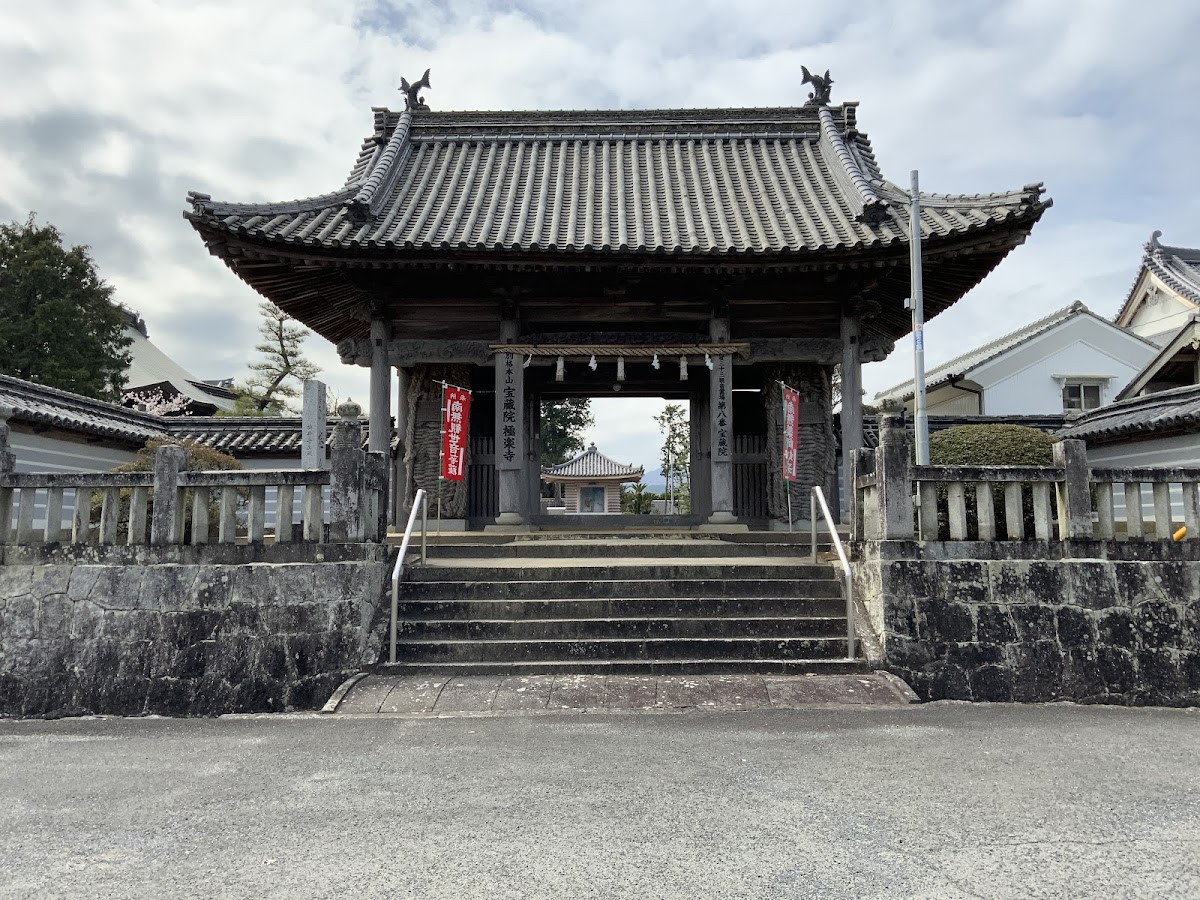
Upon entering the grounds of Daikoji Temple, the first thing that catches the eye is the magnificent Niomon Gate. This gate houses Kongo Rikishi statues made of joined wood, and at 3.14 meters tall, they are among the largest in the Shikoku Pilgrimage.
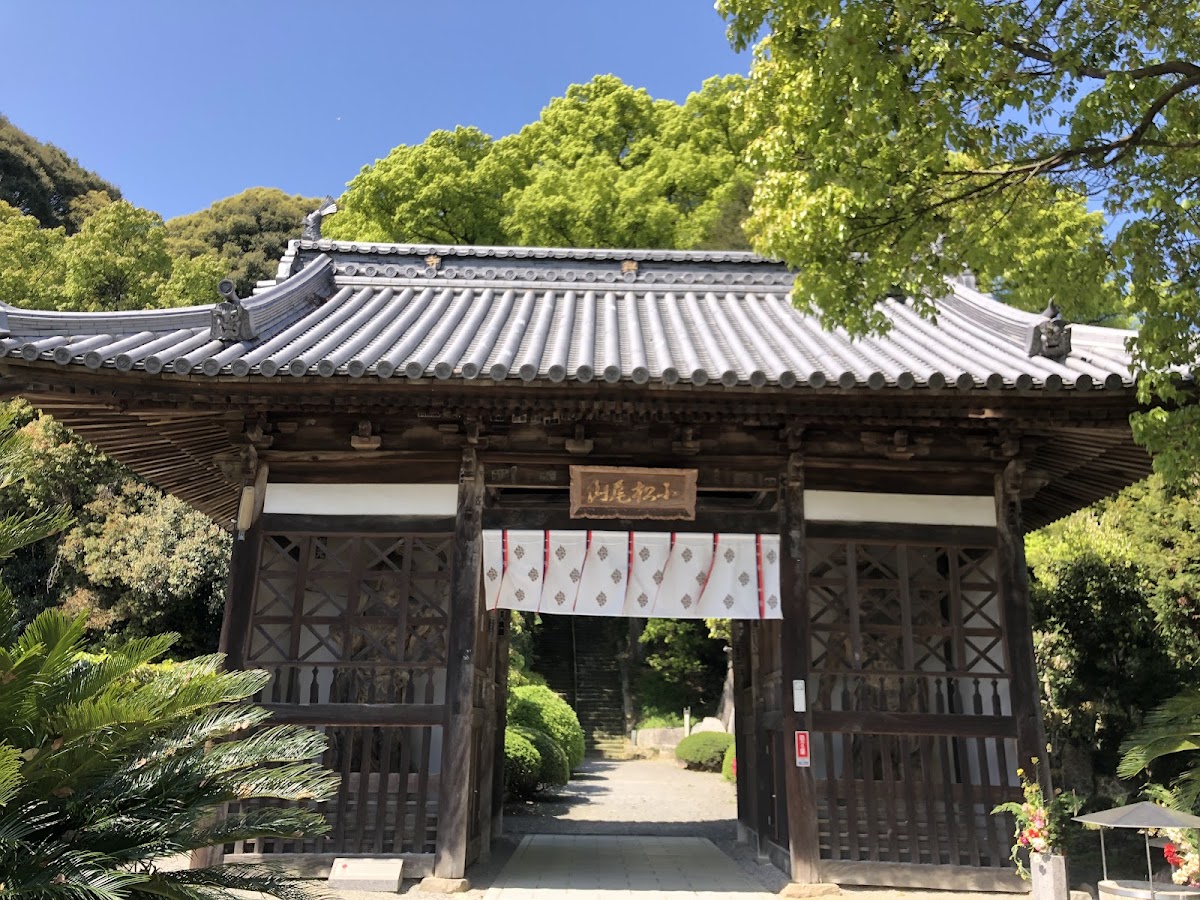
The two statues, Agyo and Ungyo, are intricately carved, from the depiction of muscles to the folds of their clothing, showcasing the high level of skill of Edo period Buddhist sculptors. The Niomon gate itself is a massive structure, and the plaque above it reads “Komatsuo-yama.” By passing through this gate, visitors step from the secular world into a sacred realm.
Main Hall
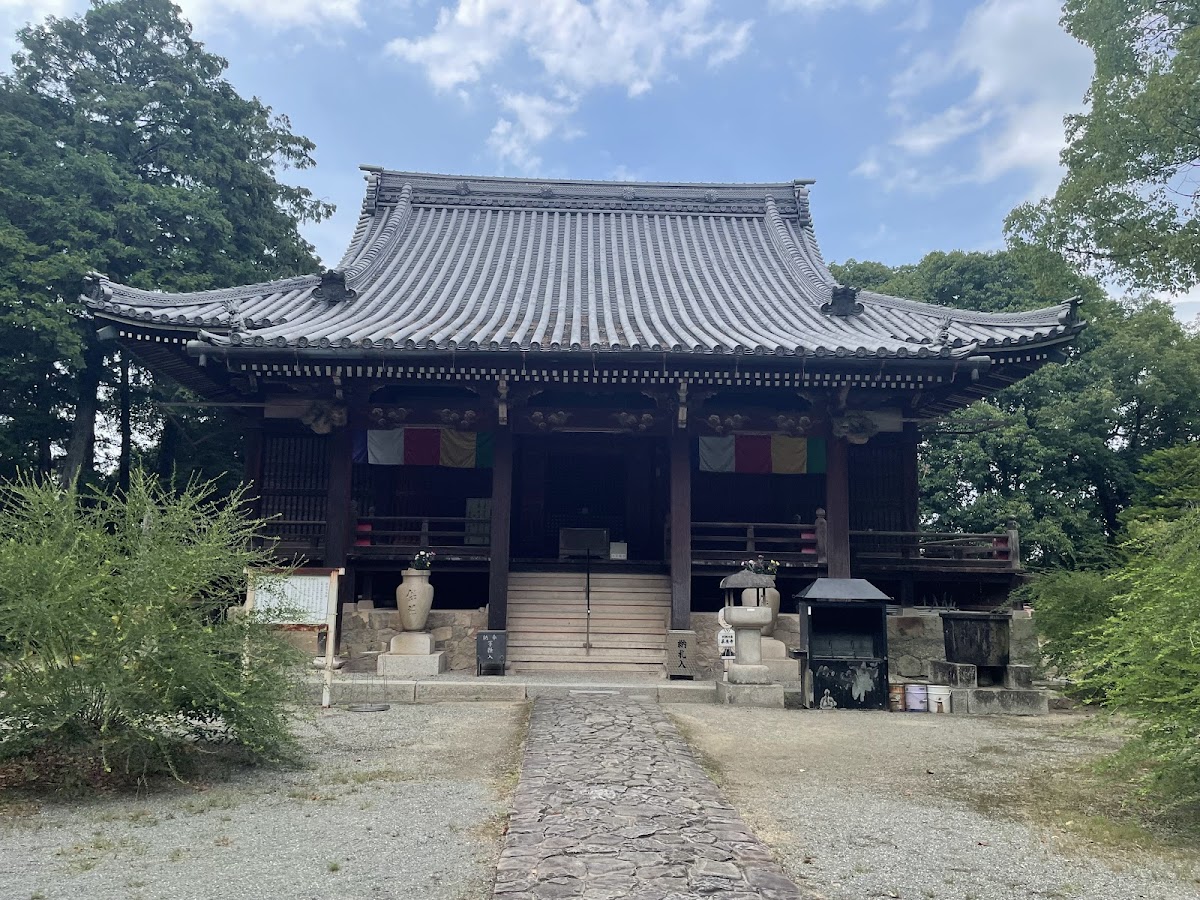
The main hall, rebuilt in the mid-Edo period, is a magnificent building with a hipped roof. The principal image, Yakushi Nyorai (Medicine Buddha), is enshrined in the inner sanctuary, flanked by Nikko Bosatsu (Sunlight Bodhisattva) and Gekko Bosatsu (Moonlight Bodhisattva). Yakushi Nyorai is believed to grant healing from illness and promote longevity, attracting many worshippers who come to pray.
Inside the main hall, images of Kobo Daishi and memorial tablets of successive chief priests are enshrined, creating a solemn atmosphere that reflects its long history. The ceiling is adorned with paintings of flowers and birds by Edo period artists, making it a building of high cultural value.
Daishido Hall
Next to the main hall stands the Daishido Hall, where a statue of Kobo Daishi is enshrined. Pilgrims offer their sutras here, forging a connection with the Daishi. Inside the hall, a hanging scroll symbolizing the spirit of “Dōgyō Ninin” (two traveling together) and items donated by successive pilgrims are displayed, allowing visitors to experience the history of the Shikoku Pilgrimage firsthand.
Giant Trees Planted by Kobo Daishi
Within the temple grounds stand giant kaya (Japanese nutmeg) and camphor trees said to have been planted by Kobo Daishi. These trees, estimated to be over 1200 years old, have trunks several meters in circumference, and their presence is overwhelming.
The kaya tree, in particular, is linked to the legend of a “small pine tree” planted by Kobo Daishi, and is the origin of the temple’s mountain name, “Komatsuo-yama.” These giant trees are designated as natural monuments of Kagawa Prefecture, and as living witnesses that have watched over the history of Daikoji Temple, they deeply impress visitors.
Bell Tower and Bell
A bell tower stands in one corner of the temple grounds, and a temple bell cast during the Edo period hangs within. This bell is still used today, announcing the time to the community during morning and evening services and on New Year’s Eve. The architectural style of the bell tower also retains characteristics of the Edo period, presenting a beautiful appearance that harmonizes with the landscape of the temple grounds.
Other Halls
Several halls are scattered throughout the temple grounds, including a hall dedicated to Bishamonten and a Jizo hall housing Jizo Bodhisattva. Bishamonten is worshipped as one of the Seven Lucky Gods and is believed to bring good fortune in competitions and business prosperity. Furthermore, various Buddhas that grant wishes, such as Mizuko Jizo and Koyasu Jizo, are enshrined here, reflecting the deep faith of the local people.
Cultural Properties and Temple Treasures
Designated Cultural Properties
Daikoji Temple preserves numerous cultural properties. The principal image, a seated statue of Yakushi Nyorai (Medicine Buddha), is believed to be a work from the late Heian period and is designated as a tangible cultural property of Kagawa Prefecture. The Kongo Rikishi statues at the Niomon Gate are also highly regarded as excellent Buddhist sculptures from the Edo period.
The large kaya and camphor trees on the temple grounds are protected as natural monuments, as mentioned above, and undergo regular health checks and conservation measures by arborists.
Temple Treasures and Relics
The temple possesses numerous temple treasures, including calligraphy attributed to Kobo Daishi, ink paintings by successive chief priests, and Buddhist paintings by Edo period artists. These are usually not open to the public, but some are occasionally displayed during special religious ceremonies.
Furthermore, a wealth of ancient documents remain, providing valuable historical materials for understanding the temple’s history from the medieval to early modern periods and its relationship with the local community.
The Principal Image and Faith
Faith in Yakushi Nyorai
The principal image of Daikoji Temple, Yakushi Nyorai, is formally known as “Yakushi Rurikō Nyorai” and is considered the principal deity of the Eastern Pure Land of Lapis Lazuli. Holding a medicine jar in his left hand, he is worshipped as a Buddha who heals illness and suffering.
He is especially believed to grant blessings for the healing of eye diseases, good health, and longevity, and many people have visited the temple since ancient times. Even today, worshippers continue to visit, praying for good health, and faith in Yakushi Nyorai remains strong.
Faith in Kobo Daishi
As a temple on the Shikoku Pilgrimage, Daikoji Temple also has a deep faith in Kobo Daishi, and visiting the Daishi Hall is essential. Under the spirit of “Two Traveling Together,” pilgrims continue their pilgrimage with the belief that they are walking alongside the Great Master.
Waka Poem
The waka poem of Daikoji Temple is: “Looking upon Komatsuo-ji Temple, where the pine tree was planted, the wind of the teachings of the Dharma blows.” This poem speaks of the pine tree planted by Kobo Daishi and how the teachings of Buddhism spread like the wind, expressing the history of the temple and the essence of faith.
Positioning as one of the 88 Sacred Sites of Shikoku
Temple No. 67
Daikoji Temple holds an important position among the 88 sacred sites of Shikoku as the 67th temple. It is located approximately 20 kilometers from Unpenji Temple (Temple No. 66) and approximately 8 kilometers from Jin’ein/Kannonji Temple (Temple No. 68), making it a key point on the pilgrimage route.
Relationship with Preceding and Following Temples
Temple No. 66 Unpenji
A mountain sacred site located at an altitude of 927 meters on the border between Tokushima and Kagawa prefectures. From Unpenji Temple, also known as “Shikoku Koya,” to Daikoji Temple, the pilgrimage route descends the mountain and heads towards the plains.
Temple No. 68: Jin’ein/Kannonji
A rare type of temple in Kannonji City, where two temples stand side-by-side within the same grounds. From Daikoji Temple, head west to the next pilgrimage site.
Connection to Pilgrimage Culture
Daikoji Temple has long warmly welcomed pilgrims. A rest area for pilgrims is provided on the temple grounds, and courteous service is offered at the temple’s stamp office. Furthermore, a culture of “osettai” (hospitality) by local people is deeply rooted, allowing pilgrims to receive warm hospitality.
Annual Events and Memorial Services
Major Annual Events
Hatsumode (January 1st-3rd)
The temple is bustling with worshippers praying for happiness in the new year. The ringing of the temple bell on New Year’s Eve is a traditional event in which local people can participate in welcoming the new year.
Setsubun Festival (February 3rd)
Bean-throwing ceremonies are held, a popular event for warding off evil and inviting good fortune.
Spring Equinox Ceremony (around the Spring Equinox in March)
A memorial service for ancestors is held, attended by many parishioners and believers.
Yakushi Nyorai Festival (8th of every month)
Special chanting and prayers are performed on the festival day of the principal deity, Yakushi Nyorai.
Kobo Daishi Birthday Celebration (June 15th)
A memorial service is held to celebrate the birth of Kobo Daishi.
Autumn Equinox Ceremony (around the Autumn Equinox in September)
Ancestral memorial services are held, similar to the spring ceremony.
New Year’s Eve Bell Ringing (December 31st)
The bell is rung 108 times to dispel worldly desires and welcome the new year.
Visiting Information and Access
Basic Information
Temple Name: Komatsuozan Fudokoin Daikoji
Sect: Shingon-shu Zentsuji-ha
Principal Image: Yakushi Nyorai (Medicine Buddha)
Founder: Unknown (Tradition says a monk from Todaiji Temple)
Founded: Tenpyo 14 (742)
Pilgrimage Site: Shikoku 88 Temple Pilgrimage, No. 67
Location: 4209 Tsuji, Yamamoto-cho, Mitoyo City, Kagawa Prefecture
Phone: 0875-63-2341
Visiting Hours and Sutra Copying Hours
Temple Grounds Visiting Hours: Free (within reasonable hours)
Sutra Copying Hours: 7:00 AM – 5:00 PM (may vary depending on the season)
Admission Fee: Free
Access Information
By Car
- Approximately 15 minutes from the Mitoyo-Torisaka Interchange on the Takamatsu Expressway
- Approximately 20 minutes from the Sanuki-Toyonaka Interchange on the Takamatsu Expressway
- Parking: Approximately 50 spaces for regular cars (free)
By Public Transportation
- Approximately 10 minutes by taxi from Motoyama Station on the JR Yosan Line
- Approximately 20 minutes by taxi from Kannonji Station on the JR Yosan Line
- Bus service is infrequent, so please check the timetable in advance.
By Pilgrimage on Foot
- Approximately 20 km (6-8 hours) from Temple No. 66, Unpenji
- Approximately 8 km (2-3 hours) to Temple No. 68, Jin’ein/Kannonji
Nearby Facilities
There are pilgrimage supply shops, restaurants, and accommodations around the temple. Additionally, there are hot spring facilities and tourist attractions scattered throughout Mitoyo City, which can be visited in conjunction with your pilgrimage.
Manners and Etiquette for Visiting a Temple
Basic Visiting Etiquette
- Bow at the Temple Gate: Bow before passing through the Niomon Gate to compose your mind.
- Purify at the Water Basin: Cleanse your hands and mouth to purify yourself.
- Worship at the Main Hall: Join your hands and bow to the principal image, Yakushi Nyorai, and recite the sutras.
- Worship at the Daishi Hall: Join your hands and bow to Kobo Daishi.
- Sutra Copying: Receive a Goshuin (temple stamp) at the sutra copying office.
- Bow at the Temple Gate: Bow again when leaving the temple grounds.
Advice for Pilgrims
- While pilgrim attire such as white robes and straw hats is not mandatory, wearing them can enhance the spirituality of the pilgrimage.
- Prepare your sutra copying notebook and Goshuin stamp notebook in advance.
- Photography is permitted, but some areas, such as inside the main hall, are off-limits, so please check beforehand.
- Please maintain silence within the temple grounds and be considerate of other visitors.
The Charm and Characteristics of Daikoji Temple
Depth of History
With a history spanning over 1200 years, Daikoji Temple has witnessed the changing times from its founding in the Nara period to the present day. The traces of Kobo Daishi remain vividly present, and the ancient trees within the grounds are living witnesses to its history.
Shikoku’s Largest Nio Statues
The 3.14-meter-tall Kongo Rikishi statues are among the largest in the Shikoku Pilgrimage, and their imposing presence overwhelms visitors. They are valuable cultural assets that convey the high level of skill of Edo-period Buddhist sculptors.
Harmony with Nature
The temple grounds retain abundant nature, including ancient trees said to have been planted by Kobo Daishi himself. The temple grounds, which display different expressions in each season, offer peace of mind.
Connections to the Community
Daikoji Temple, affectionately known as “Komatsuo-dera,” continues to be a center of faith for the local people. It is deeply involved in local festivals and events, forming a culture where the temple and the community are integrated.
Nearby Tourist Attractions
Miyatani-ji Temple (Seventh Temple on the Shikoku Pilgrimage)
Located about 30 minutes by car from Daikoji Temple, Miyatani-ji Temple is a sacred site with a unique landscape, featuring temple buildings built on the rock face of a mountainside.
Kotohiki Park and Zenigata Sand Painting
Kotohiki Park in Kanonji City features a giant sand painting of the “Kanei Tsuho” coin, which can be viewed from the observation deck. It’s about 20 minutes by car from Daikoji Temple.
Chichibugahama Beach
A popular photo spot known as “Japan’s Uyuni Salt Flats.” The beautiful reflections at sunset are particularly popular.
Hot Spring Facilities in Mitoyo City
Several hot spring facilities in the city offer a perfect place to relax after a pilgrimage.
Donations and Preservation Activities
Daikoji Temple accepts donations for the protection of cultural properties and the maintenance of its grounds. Cooperation in preservation activities is encouraged to ensure that the temple buildings and cultural properties, which have a long history, are passed on to future generations.
Donations are accepted at the temple office, and any generous donation, regardless of the amount, is welcome. Donors may also have their names recorded in the guest book or receive a special amulet.
Summary
Daikoji Temple, the 67th temple of the Shikoku 88 Temple Pilgrimage, boasts a history of over 1200 years and has been cherished by many pilgrims and local people. It offers numerous attractions, including a giant tree planted by Kobo Daishi, one of the largest Nio statues in Shikoku, and temple buildings from the Edo period.
With Yakushi Nyorai (Medicine Buddha) as its principal deity, the temple continues to attract a steady stream of worshippers seeking healing from illness and blessings for health and longevity. Named “Komatsuo-ji Temple” after its mountain name, “Komatsuo-san,” this temple is a deeply rooted place of faith in the community and will continue to provide comfort and hope to many people.
Daikoji Temple is an indispensable and important temple for anyone undertaking the Shikoku Pilgrimage or learning about the region’s history and culture. We highly recommend visiting it to experience its history and charm firsthand.