Complete Guide to Shonenji Temple | A Thorough Explanation of Imai Gobo’s History, Highlights, and Access Information
What is Shonenji Temple? | An Ancient Jodo Shinshu Honganji-ha Temple at the Heart of Imai Town
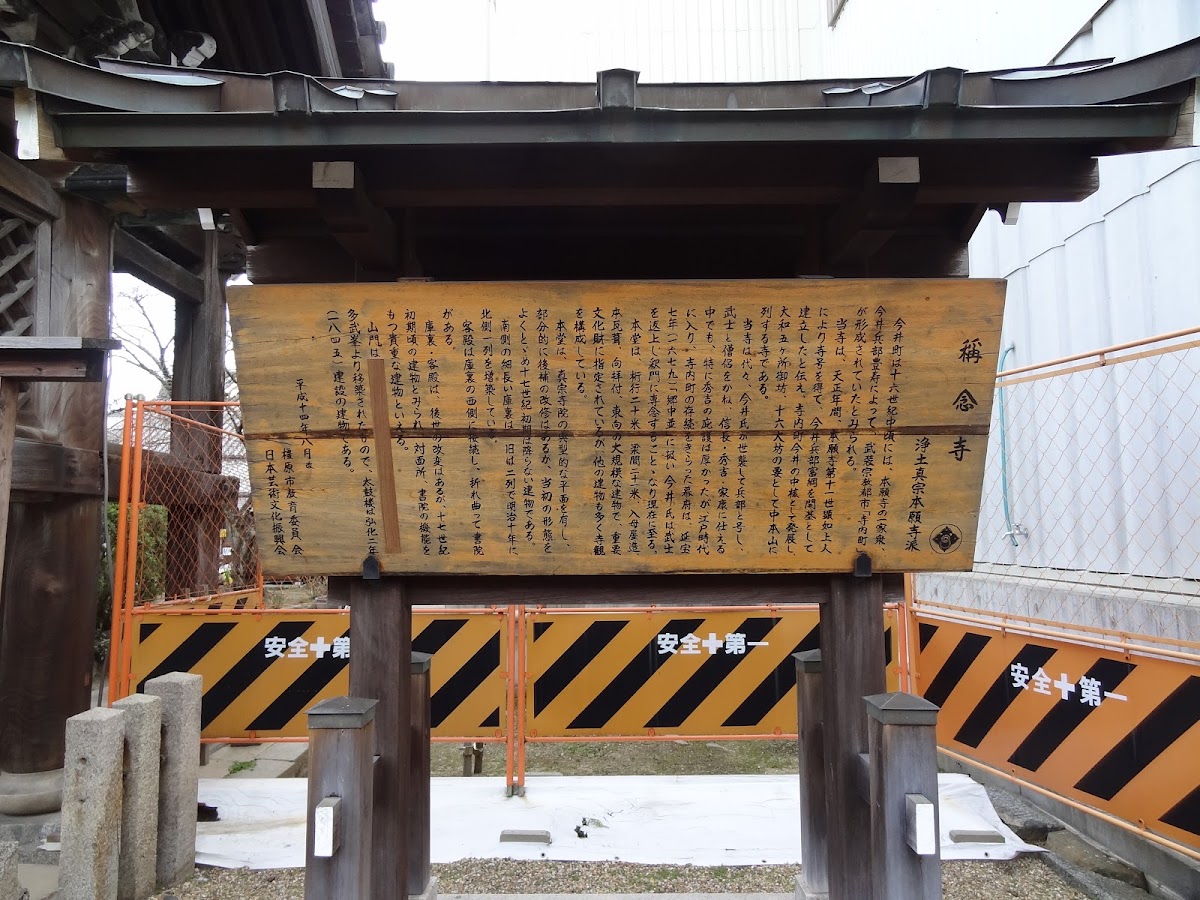
Shonenji Temple (稱念寺・Shōnenji) is a Jodo Shinshu Honganji-ha temple located in Imai Town, Kashihara City, Nara Prefecture. Its mountain name is Imai-san, and its principal image is Amida Buddha. Also known as “Imai Gobo,” it is a prestigious central temple, counted among the Five Great Temples of Yamato and one of the Sixteen Great Temples.
Shonenji Temple was more than just a religious facility; it was a central figure supporting the formation and development of Imai Town, a temple town that flourished from the late medieval period to the early modern period. A temple town was a self-governing city formed around a temple, and Shonenji Temple functioned as the base for all aspects of its administration.
Currently, Imai Town is designated as an “Important Preservation District for Groups of Traditional Buildings,” and its historical landscape, which retains a strong Edo-period streetscape, is highly valued. Shōnenji Temple, situated at its heart, is an indispensable part of the history of Imai-cho.
History of Shōnenji Temple | The Establishment and Development of Imai, a Temple Town
The Founding of Imai Gobō and its Relationship with Honganji Temple
The founding of Shōnenji Temple dates back to the Sengoku period (Warring States period). It is believed to have begun during the Tenbun era (1532-1555), during the time of the 10th head priest of Honganji Temple, Shōnyo Shōnin, when a man named Imai Hyōbu-kyō opened a Jōdo Shinshū (Ikkō-shū) training hall.
At that time, Honganji Temple, centered around Ishiyama Honganji Temple (Osaka), was expanding its influence by establishing base temples called “Gobō” in various locations. Shōnenji Temple, as one of these Gobō, came to play a central role in Jōdo Shinshū in Yamato Province.
The Development of Imai-cho as a Temple Town
Imai-cho, formed with Shōnenji Temple at its core, developed as a highly independent city with autonomy and the right to arm itself. The town, surrounded by a moat, prospered economically, so much so that it was said, “Seven-tenths of Yamato’s wealth is in Imai,” and flourished as a commercial center.
During the Sengoku period, there was conflict with Oda Nobunaga, but the town maintained its autonomy through skillful diplomacy. In the Edo period, under the protection of the shogunate, it further developed as a commercial city. Even after the Meiji Restoration, Shonenji Temple has remained deeply rooted in the community as the spiritual pillar of Imai town.
Changes in the Main Hall and its Current Appearance
The current main hall of Shonenji Temple was constructed in the early 17th century (early Edo period) and is designated as a National Important Cultural Property. It is a large-scale Shinshu Buddhist temple building with seven bays in length and seven bays in width. Defensive structures known as “warrior windows” can be seen on the exterior, indicating its character as a central facility in the temple town.
The interior of the main hall is divided into an inner and outer sanctuary, and features such as coffered ceilings and carvings preserve the architectural style of the early Edo period. Although it has undergone several restorations throughout its long history, it is a valuable building that retains much of its original appearance, and holds high architectural value.
Highlights of Shonenji Temple | Important Cultural Properties and Historic Buildings
Main Hall (Important Cultural Property)
The greatest highlight of Shonenji Temple is undoubtedly the main hall, which is designated as an Important Cultural Property. Built in the early 17th century, this building exhibits a typical style of Shinshu Buddhist temple architecture and also served as a defensive stronghold for the temple town.
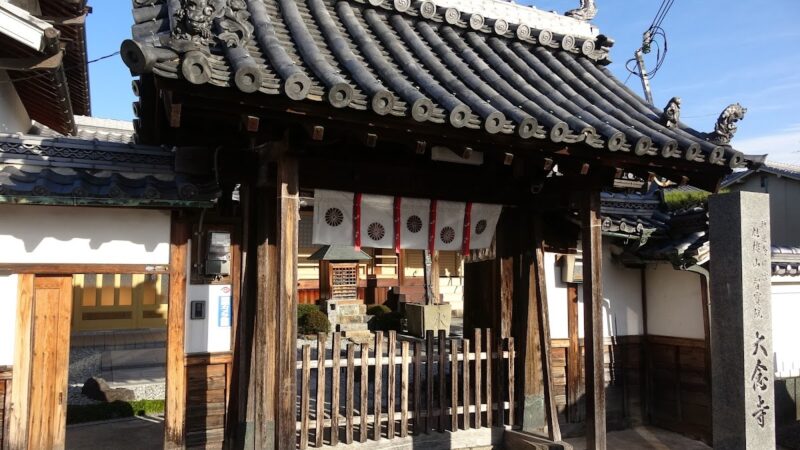
The exterior is a stately tiled hip-and-gable roof, creating an impressive and imposing presence. The presence of defensive windows called “musha-mado” (warrior windows) is a distinctive feature that shows the remnants of the Sengoku period (Warring States period). The solemn space inside evokes a deep spiritual feeling in visitors.
Bell Tower and Temple Grounds
Along with the main hall, the bell tower adorns the temple grounds. Even today, it is a tradition for local people to gather here to welcome the new year during the New Year’s Eve bell-ringing season. The temple grounds are meticulously maintained and display different appearances with each season.
Especially during the autumn foliage season, the trees on the grounds turn beautiful colors, creating a magnificent landscape in harmony with the historical buildings. You can enjoy the charm of each season: the fresh green of spring, the deep green of summer, the vibrant autumn leaves, and the tranquil atmosphere of winter.
Integration with the Imai-cho Townscape
When visiting Shonenji Temple, be sure to also stroll through the surrounding Imai-cho townscape. Imai-cho, designated as an Important Preservation District for Groups of Traditional Buildings, has approximately 500 Edo-period townhouses remaining, nine of which are designated as Important Cultural Properties.
You can see traces of the urban planning of the temple town everywhere, such as the streets radiating out from Shonenji Temple, the remains of the moat, and the appearance of merchant houses. By viewing Shonenji Temple and the townscape as a whole, you will gain a deeper understanding of the city’s appearance from the medieval to early modern periods.
Tourist Attractions Around Shonenji Temple
Imai-cho Historic Town Preservation District
The entire Imai-cho district, where Shonenji Temple is located, can be considered a tourist attraction in itself. Within an area of approximately 600 meters east-west and 310 meters north-south, Edo-period townhouses are densely preserved, offering an experience akin to stepping back in time.
Several townhouses are open to visitors, including the Imanishi Residence, Toyoda Residence, and Takagi Residence, all designated as Important Cultural Properties. Visitors can learn about the distinctive architectural styles and lifestyles of merchant families, and a visit to both Shonenji Temple and Imai-cho provides a comprehensive overview of the temple town.
Kashihara Shrine
Located approximately 2 kilometers southeast of Shonenji Temple, Kashihara Shrine was founded during the Meiji era as a shrine dedicated to Emperor Jimmu, the first emperor of Japan. Its vast grounds and magnificent shrine buildings make it one of Nara Prefecture’s most representative tourist attractions.
In contrast to the tranquil atmosphere of Shonenji Temple, it offers a solemn and sacred Shinto atmosphere. Visiting both will allow you to experience the diversity of Japanese religious culture.
Ofusa Kannon
Located in Obusa-cho, Kashihara City, Ofusa Kannon is a Shingon Buddhist temple known as the “Temple of Flowers.” Seasonal flowers such as roses in spring, wind chimes in summer, and cosmos in autumn adorn the temple grounds, making it a particularly popular spot for women and families.
Its bright and cheerful atmosphere, different from the historical solemnity of Shonenji Temple, is its charm, making it a must-visit when touring temples in Kashihara City.
Iruka Shrine and Shorenji Dainichido
There are other historical shrines and temples scattered around Imai-cho. Iruka Shrine is said to have been the guardian shrine of the now-abandoned Fugenji Temple, and its enshrined deities are Susanoo-no-Mikoto and Soga no Iruka.
Shorenji Dainichido is also a nearby historical building, and visiting it together with Shonenji Temple will allow you to feel the depth of the religious culture in this region.
How to Access Shonenji Temple
Access by Train
The nearest station to Shonenji Temple is Yagi-Nishiguchi Station on the Kintetsu Kashihara Line. It’s very easily accessible, about a 5-minute walk from the station to the temple.
- Approximately a 10-minute walk from Yamato-Yagi Station on the Kintetsu Osaka Line and Kashihara Line.
- Approximately a 20-minute walk from Kashihara-Jingu-mae Station on the Kintetsu Minami-Osaka Line, or using the bus is convenient.
From Osaka, it’s about a 40-minute ride on the Kintetsu Osaka Line to Yamato-Yagi Station. From Kyoto, it’s about a 50-minute ride on the Kintetsu Kyoto Line to Yamato-Yagi Station, making it ideal for day trips from the Kansai region.
Access by Car and Parking Information
If you are visiting by car, the following route is convenient.
- Approximately 20 minutes from the Nishimeihan Expressway “Koriyama IC” via National Route 24
- Approximately 15 minutes from the Minami-Hanna Expressway “Katsuragi IC” via National Route 165
- Approximately 10 minutes from the Keina-Wa Expressway “Kashihara-Kita IC”
There is no large parking lot specifically for Shonenji Temple, but several parking lots are available for tourists in Imai-cho. The parking lot at the Imai-cho Townscape Exchange Center “Hana-Iraka” (free) is the most convenient, and it’s about a 3-minute walk from there to Shonenji Temple.
During peak tourist seasons and weekends, parking lots can get crowded, so using public transportation is recommended.
Access by Bus
Nara Kotsu buses are also available. It’s about a 5-minute ride from Kintetsu “Kashihara-Jingu-mae Station” to the “Imai-cho” bus stop, and about a 3-minute walk from the bus stop to Shonenji Temple. However, bus services are limited, so it’s recommended to check the timetable in advance.
Basic Information for Visiting Shonenji Temple
Visiting Hours and Admission Fee
Shonenji Temple is an active temple, and the grounds are generally open to visitors. However, prior inquiry may be necessary for viewing the interior of the main hall.
- Visiting Hours: Daytime (approximately 9:00 AM to 5:00 PM)
- Admission Fee: Free entry to the grounds (inquiry required for viewing the interior of the main hall)
- Closed Days: No specific closing days (may be closed for religious services, etc.)
Contact Information
Shonenji Temple (Imai Gobo)
- Address: 3-2-29 Imai-cho, Kashihara City, Nara Prefecture 634-0812
- Phone: 0744-22-3593
For detailed information regarding visits and tours, we recommend checking the official website or contacting the temple by phone. Prior contact is especially necessary for group visits or detailed viewings of the interior of the main hall.
Manners and Precautions for Visiting the Temple
Shonenji Temple is an active temple and a place of worship for the local community. Please observe the following points when visiting:
- Visit in silence and refrain from loud conversations.
- Photography is permitted, but please check beforehand as photography may be prohibited inside the main hall or during religious services.
- Eating, drinking, and smoking are prohibited on the temple grounds.
- Do not touch the buildings or cultural artifacts.
- Please take all your trash with you.
Annual Events and Activities at Shonenji Temple
New Year’s Eve Bell Ringing
Every year on December 31st, the New Year’s Eve bell is rung. This traditional event, where local people gather to dispel the year’s worldly desires and welcome the new year, is still carefully preserved. General participation may be possible, so please inquire if you plan to visit at the end of the year.
Regular Buddhist Services
As a temple of the Jodo Shinshu Honganji sect, regular Buddhist services, including the monthly Hoonko (memorial service), are held. Especially important events such as the spring and autumn equinox services and the Obon festival are attended by many parishioners.
Special Public Openings
The main hall, a designated Important Cultural Property, is occasionally opened to the public for special viewings. This is a rare opportunity to see the interior of the main hall in detail, which is usually only viewable from the outside. It’s a good idea to check the tourist information for Imai-cho and Kashihara City.
Recommended Sightseeing Courses for Shonenji Temple and Imai-cho
Half-Day Course (Approx. 3 Hours)
- Arrive at Kintetsu “Yagi-Nishiguchi Station” (9:30)
- Visit Shonenji Temple and tour the main hall (9:40-10:30)
- Stroll through the streets of Imai-cho (10:30-11:30)
- Visit important cultural property townhouses (Imanishi Residence, etc.) (11:30-12:00)
- Lunch at a cafe or restaurant in Imai-cho (12:00-13:00)
Full-Day Course (Approx. 6 Hours)
- Arrive at Kintetsu “Yagi-Nishiguchi Station” (9:30)
- Visit Shonenji Temple (9:40-10:30)
- Visit Imai-cho Townscape Exchange Center “Hana-Iraka” (10:30-11:00)
- Stroll through Imai-cho townscape and visit to a designated Important Cultural Property townhouse (11:00-12:30)
- Lunch (12:30-13:30)
- Visit to Kashihara Shrine (14:00-15:30)
- Visit to Ofusa Kannon Temple (15:45-16:30)
This model course allows you to efficiently visit the main tourist spots in Kashihara City, centered around Shonenji Temple.
Accommodation Information near Shonenji Temple
There are several hotels and inns convenient for sightseeing in Kashihara City.
Nearby Hotels
- Kashihara Royal Hotel: Conveniently located directly connected to Kintetsu Yamato-Yagi Station
- THE KASHIHARA: Luxury hotel near Kashihara-Jingu-mae Station
- Hotel Wellness Asukaji: Business hotel within walking distance of Imai-cho
Accommodation in the Surrounding Area
Visiting Shonenji Temple on a day trip from accommodation in Nara City or the Asuka region is also an option. It’s easily accessible, about 30 minutes by train from Nara City and about 20 minutes by car from the Asuka region.
Shonenji Temple News | Latest Information and Announcements
Shonenji Temple publishes information on memorial service schedules, events, and the temple grounds through its official website and social media. Checking the latest information before your visit will allow for a more fulfilling experience.
Especially during the autumn foliage and cherry blossom seasons, beautiful photos of the temple grounds are sometimes posted, which can be helpful in deciding when to visit. Information on special openings of the main hall and cultural property-related events is also updated regularly. ## Summary | Experiencing the History and Culture of the Temple Town at Shonenji Temple
Shonenji Temple is not merely a single temple; it is a historical entity that has supported the formation and development of the temple town of Imai-cho. The main hall, a designated Important Cultural Property, the urban structure of the temple town, and its continued role as a center of local faith—all of these elements come together to shape the value of Shonenji Temple.
When visiting Kashihara City in Nara Prefecture, be sure to visit Shonenji Temple and Imai-cho, in addition to Asuka and Kashihara Shrine. Walking through the quiet alleys where the Edo-period townscape remains, and standing before Shonenji Temple’s imposing main hall, you will surely feel the depth of Japan’s urban and religious culture that has continued since the Middle Ages.
Shonenji Temple is easily accessible and can be visited on a day trip from Osaka or Kyoto. It is a recommended tourist spot not only for history buffs, but also for those interested in old townscapes and architecture, and for those who want to find peace of mind in a quiet place. Please come and experience the unique atmosphere of Shonenji Temple and Imai Town, along with the scenery that changes with the seasons.