What is Senshoji Temple? A Complete Guide to the History, Characteristics, and Access of Senshoji Temples Nationwide
Senshoji is the name of several temples located throughout Japan. Many of them belong to the Jodo sect, and each has its own unique history and characteristics. This article comprehensively explains the history, cultural assets, cemetery information, and access methods for major Senshoji temples nationwide.
Basic Information on Senshoji Temples
The name Senshoji is used throughout Japan as a temple name based on the teachings of the Jodo sect. “Sensho” means exclusively chanting the name of Amida Buddha, representing the fundamental doctrine of the Jodo sect.
Several Senshoji temples exist throughout Japan, mainly in the following regions:
- Kanagawa Prefecture, Yokohama City, Kanagawa Ward
- Kyoto Prefecture, Kyoto City
- Fukushima Prefecture, Iwaki City
- Osaka Prefecture, Settsu City
- Tokyo, Minato Ward
- Nara Prefecture, Kashiba City
- Saitama Prefecture, Yashio City
Each Senshoji temple has functioned as a center of faith for its parishioners and local residents, closely intertwined with the history of its region.
Senshoji Temple in Kanagawa Ward, Yokohama City
Location and Access
Senshoji Temple, located at 766 Sugata-cho, Kanagawa Ward, Yokohama City, is a temple cemetery accessible by bus from the Yokohama and Shin-Yokohama areas.
Basic Information
- Location: 766 Sugata-cho, Kanagawa-ku, Yokohama City, Kanagawa Prefecture
- Sect: Jodo-shu (Pure Land Buddhism)
- Management Type: Temple-operated cemetery
- Membership Obligation: None
- Pet Burial: Not permitted
Features and Highlights
The most impressive feature of Senshoji Temple in Yokohama is the approximately 400-year-old ginkgo tree on the temple grounds. This ginkgo tree is a symbol of the temple and is beloved by local residents, displaying magnificent yellow foliage in autumn.
In the main hall, a rosary hand-carved by Hikobei Mabuchi in the early Meiji period is displayed, conveying the pinnacle of craftsmanship from the transition period from Edo to Meiji.
Cemetery Information
As the cemetery is directly managed by the temple, it offers a sense of security. The absence of membership obligations makes it accessible regardless of sect, meeting modern needs. However, it is recommended to check with the temple in advance regarding facilities such as dining halls, memorial service halls, parking lots, and shops.
Senshoji Temple (Batozan Senrinji Temple) in Kyoto City
History and Sect
Senshoji Temple in Kyoto was originally a branch temple of the Tendai sect, but is now affiliated with the Jodo sect’s Seizan Zenrinji branch. This change of sect is a valuable example illustrating the evolution of sects in the history of Japanese Buddhism.
The Origin of the Bato Kannon and the Temple’s Name
Within the temple grounds is enshrined a statue of Bato Kannon, a personal devotional image created by Rigen Daishi, the founder of Daigo Sanboin Temple, when he opened Mount Omine. Because of this Bato Kannon, the temple is also called “Batozan Senrinji Temple” and is affectionately known locally as “Bato-san’s Temple.”
Bato Kannon, as one of the Six Kannon, has been worshipped as a Buddha who saves sentient beings lost in the animal realm. It is especially known as a guardian deity of animals, particularly horses, and in the past, when horses were an important means of transportation, many pilgrims visited the temple.
Cultural Value
Located within the historical city of Kyoto, Senshoji Temple is an important temple for Buddhist history research due to its history of sectarian changes and the presence of Buddhist statues associated with Rigen Daishi.
Senshoji Temple (Former Oshu Sohonzan) in Iwaki City, Fukushima Prefecture
Basic Information and History
Official Name: Baifukuzan Hoon-in Senshoji Temple
Location: Iwaki City, Fukushima Prefecture
Founding: Oei 2 (1395)
Sect: Jodo-shu (formerly the Sohonzan of the Jodo-shu Nagoshi branch)
Senshoji Temple in Iwaki City is an ancient temple with a history of over 600 years. Founded in Oei 2 (1395), it formerly functioned as the Sohonzan of the Jodo-shu Nagoshi branch and as a training ground for monks.
Temple Layout and Architecture
Senshoji Temple is located in the eastern part of Iwaki City, with its main gate facing east. A unique feature is its distinctive layout, with the main temple buildings situated near the top of a small hill behind the main gate.
In 1668, the temple suffered a major disaster when most of its buildings were destroyed by fire, but it was gradually rebuilt afterward. This history of reconstruction speaks to the strength of the local faith and the unity of the parishioners.
Cultural Property: Senshoji Temple Main Gate
The Senshoji Temple Main Gate is registered as a cultural heritage site and is a valuable structure that conveys the characteristics of Edo period temple architecture. Built during the reconstruction period after the fire, the gate transmits the architectural techniques and aesthetic sensibilities of that time to the present day.
Famous Plum Blossom Spot
Senshoji Temple is also known as one of the leading plum blossom spots in the Tohoku region. In spring, the numerous plum trees planted on the temple grounds bloom all at once, attracting many worshippers and tourists. The temple’s mountain name, “Umefukuzan,” also reflects its deep connection to plum blossoms.
Senshoji Temple, Settsu City, Osaka Prefecture
Basic Information
Location: Settsu City, Osaka Prefecture
Sect: Jodo-shu (Pure Land Buddhism)
Features: Funeral services, memorial services, cemeteries, and perpetual ossuary services
Senshoji Temple, located in Settsu City in the northern Osaka area, is a temple that operates in a modern manner.
Temple Philosophy
Based on the philosophy of “providing peace of mind and warmth to everyone through the teachings of Buddha,” the temple strives to operate in an open manner to the community.
Services Offered
- Funeral and memorial service services
- Provision and management of cemeteries
- Operation of perpetual ossuary services
- Buddhist consultations
In response to the needs of modern society, the temple also offers new forms of memorial services, such as perpetual ossuary services.
Senshoji Temple, Minato Ward, Tokyo
Location and History
Senshoji Temple, located in the Azabu area near Roppongi, is a Jodo sect temple. Despite its central Tokyo location, it is known as a temple of historical value.
Origin of Founding
It is said to have been founded by a nun named Sankoin Seishin Bikuni, the niece of the Sengoku period daimyo Tsutsui Junkei, who received the patronage of Oda Nobunaga. This history is an interesting example illustrating the relationship between the samurai class and Buddhism during the transition from the Sengoku period to the Edo period.
Grave of Okita Soji
Senshoji Temple is known for housing the grave of Okita Soji, a swordsman of the Shinsengumi. As the grave of a young swordsman who lived through the turbulent Bakumatsu period, it is a constant source of visits from history enthusiasts.
Although Okita Soji died young from tuberculosis, the fact that his grave is preserved in a quiet temple in the heart of the city evokes a sense of the layered nature of history.
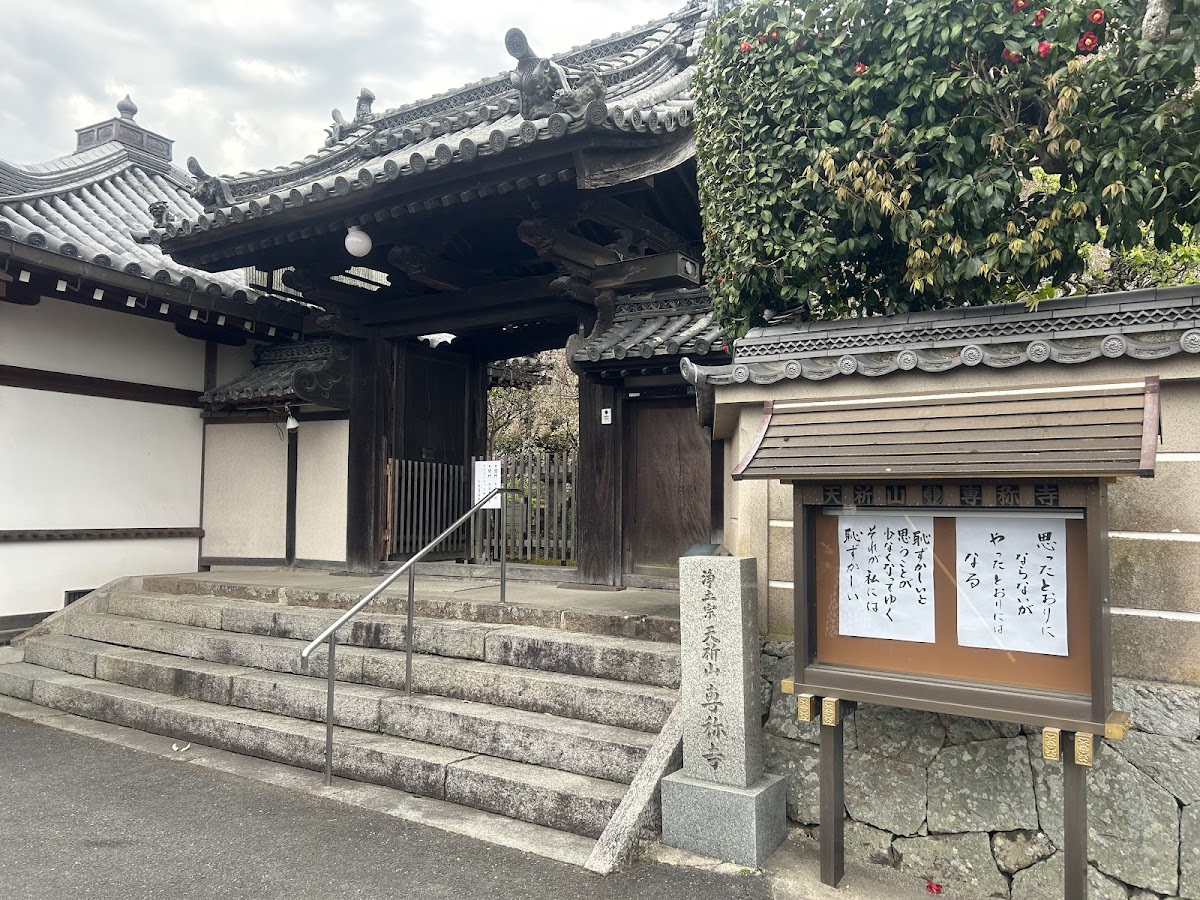
Senshoji Temple, Kashiba City, Nara Prefecture
Basic Information
Official Name: Jodo-shu Tenkizan Bodaiin Senshoji Temple
Location: Kashiba City, Nara Prefecture
Sect: Jodo-shu
Famous Weeping Cherry Blossom Spot
Senshoji Temple in Kashiba City is a temple famous for its weeping cherry blossoms. In spring, the magnificent weeping cherry blossoms bloom, attracting many visitors. Located in the tranquil environment of the Nara Basin, it is a beloved temple where visitors can enjoy the traditional beauty of Japan.
Senshoji Temple, Yashio City, Saitama Prefecture
Basic Information and History
Location: Minami-Kawasaki, Yashio City, Saitama Prefecture
Sect: Jodo-shu (Pure Land Buddhism)
Founder: Keicho 5 (1600)
Founding Priest: Doyo Shonin
An Ancient Temple Associated with the Tokugawa
Senshoji Temple in Yashio City is an ancient temple associated with the Tokugawa, founded in Keicho 5 (1600). Established in the year the Edo Shogunate was founded, this temple functioned as a center of local faith throughout the Edo period.
Its connection with the Tokugawa family is a valuable example of the relationship between temples and the shogunate during the Edo period, and it occupies an important position in local history research.
Points to Note When Visiting Senshoji Temple
Visiting Etiquette
When visiting Senshoji Temple, please observe the following basic visiting etiquette.
- Dress Code: Modest, understated attire is preferred.
- Photography: Obtain prior permission before photographing the interior of the main hall or the Buddha statues.
- Quietness: Please be quiet on the temple grounds and be considerate of other visitors.
- Offering: Place your offering in front of the main hall and pray with your hands clasped together.
If you wish to visit the cemetery
If you are considering using a cemetery plot, please check the following points:
- Prior Contact: Contact the temple before your visit.
- Confirmation Items: Sales price, annual maintenance fee, usage rules, and whether or not there are obligations to become a temple parishioner.
- Facilities: Availability of parking, memorial service facilities, rest areas, etc.
- Access: Access methods by public transport and travel time from the nearest station.
- Sect: Whether or not sects are accepted, and whether or not reburial (grave closure) is permitted.
Seasonal Highlights
When visiting Senshoji Temple, there are different attractions depending on the season.
- Spring: Plum blossoms in Iwaki City, weeping cherry blossoms in Kashiba City
- Summer: A tranquil time in the lush temple grounds
- Autumn: The golden leaves of a 400-year-old ginkgo tree in Yokohama City
- Winter: A serene atmosphere amidst a snowy landscape
Memorial Services and Ceremonies at Senshoji Temple
Funerals and Memorial Services
Many Senshoji temples can conduct funerals and memorial services. They are characterized by their respectful ceremonies following the customs of the Jodo sect.
Main Memorial Services:
- Funeral (Wake and Farewell Ceremony)
- First Seven-Day Memorial Service
- Forty-Ninth Day Memorial Service
- Annual Memorial Services (First Anniversary, Third Anniversary, etc.)
- Joint Memorial Services during Obon and Higan
Perpetual Memorial Services and Interment
Some Senshoji temples offer perpetual memorial services and perpetual interment graves to suit modern lifestyles.
Features:
- Peace of mind even for those without successors
- Perpetual memorial services and management by the temple
- A wide range of options from individual graves to communal graves
- Many temples accept people of all denominations
Consultation on Grave Closure/Reburial
Some temples accept consultations from those considering moving a distant grave to Senshoji Temple (reburial) or closing a grave.
Procedure Flow:
- Contact the current cemetery administrator
- Obtain a reburial permit
- Retrieve and transport the remains
- Interment ceremony at the new cemetery
Cultural Properties and Historical Value of Senshoji Temple
Buildings
- Iwaki City Senshoji Temple Main Gate: Edo period architecture registered as a cultural heritage site
- Main Hall and Bell Tower: Traditional temple architecture remaining at Senshoji temples throughout Japan
Buddhist Statues and Buddhist Artifacts
- Kyoto Senshoji Temple’s Hayagriva: A personal devotional image said to have been made by Rigen Daishi himself
- Yokohama Senshoji Temple’s Hand-Carved Prayer Beads: A craft item that conveys the craftsmanship of the early Meiji period
Natural Heritage
- Yokohama Senshoji Temple’s 400-Year-Old Ginkgo Tree: A symbolic tree of the region
- Iwaki Senshoji Temple’s Plum Grove: One of the leading plum blossom viewing spots in the Tohoku region
- Kashiba Senshoji Temple’s Weeping Cherry Tree: Cherry Blossom Viewing Spots in Nara Prefecture
These cultural properties and natural heritage sites are not merely tourist attractions, but valuable relics that convey the history of the region and the faith of its people.
Senshoji Temple and the Local Community
As a Center of Local Faith
Senshoji Temple has functioned as a center of faith in its respective region for hundreds of years. Through the danka system (parishioner system), it has been deeply connected to the local community, supporting community cohesion through funeral rites and annual events.
Cultural Inheritance
Temples are also places for the inheritance of Buddhist culture.
- Buddhist Events: Obon, Higan, Segaki memorial services, etc.
- Traditional Performing Arts: Traditional events held at temples in some regions
- Education: Formerly provided educational facilities as terakoya (temple schools)
Role in Modern Times
In modern society, Senshoji Temple also plays the following new roles:
- Spiritual Sanctuary: A place of mental peace in a stressful society
- End-of-Life Support: A consultation service for the end of life
- Community Interaction: Holding community events utilizing the temple
- Tourism Resources: Regional revitalization utilizing cultural assets and nature
Access Information Summary
Kanagawa Ward, Yokohama City
- Nearest Station: Bus from Yokohama Station or Shin-Yokohama Station
- Location: 766 Sugata-cho, Kanagawa Ward, Yokohama City, Kanagawa Prefecture
- Access Method: Use of public transportation is recommended (parking information must be confirmed)
Kyoto City
- Access: Within Kyoto City; see Kyoto City Tourism Association website for details
- Public Transportation: Kyoto City buses are convenient
Iwaki City
- Location: Eastern Iwaki City, Fukushima Prefecture
- Access: See temple website for details
- Special Notes: Crowds are expected during the plum blossom season.
Other Senshoji Temples
For access to Senshoji temples in various locations, it is recommended to inquire with the temple in advance or check their website.
Summary
Senshoji is a name for Jodo sect temples located throughout Japan, each with its own unique history and characteristics. From the 400-year-old ginkgo tree in Yokohama, the Bato Kannon in Kyoto, the plum grove in Iwaki, to the grave of Okita Soji in Tokyo, each Senshoji temple offers worthwhile sights to see.
For those considering using a cemetery plot, many temples operate in a way that meets modern needs, such as not requiring temple membership or accepting people of all sects, making them a worthwhile option to consider.
Senshoji temples, possessing historical buildings and cultural assets, are not merely religious facilities, but valuable entities that convey the history and culture of the region to the present day. Understanding their historical background will lead to a deeper experience during your visit or tour.
When visiting Senshoji Temple, you can have a more fulfilling experience by checking information on the temple’s website or by phone beforehand and by observing proper etiquette during your visit.