Myorenji Temple Complete Guide: History, Highlights, and Visiting Information for Famous Temples in Kyoto and Yokohama
While there are several temples named Myorenji throughout Japan, the most famous are Myorenji Temple, the head temple of the Honmon Hokke sect in Kamigyo-ku, Kyoto City and Chogosan Myorenji Temple, a Nichiren sect temple in Kohoku-ku, Yokohama City. This article comprehensively guides visitors to these two Myorenji temples, covering everything from their historical background to their current state.
Kyoto Myorenji Temple: History and Charm of the Head Temple of the Honmon Hokke Sect
The Founding of Kyoto Myorenji Temple and Nichizo Shonin
Myorenji Temple in Kyoto holds an important position as the head temple of the Honmon Hokke sect. Its mountain name is Ubokusan, and its principal image is the Ten Realms Mandala.
The history of this temple begins in 1294 (Einin 2) when it was founded by Nichizo Shonin, who received a dying wish from the founder of the sect, Nichiren Daishonin, to spread the teachings in the imperial capital (Kyoto). Nichizo Shonin, who studied under Nichiro Shonin, a senior disciple of Nichiren Shonin, entered Kyoto following his master’s dying wish, and Myorenji Temple was the first place where he took off his sandals as a practitioner.
Initially located in Nishinotoin Gojo, it moved several times before settling in its current location in Myorenji-mae-cho, Kamigyo-ku. This history of relocation reflects the spread of Nichiren Buddhism in Kyoto and the changing times.
Highlights and Cultural Assets within the Temple Grounds
Fusuma Paintings by the Hasegawa Tohaku School
In the entrance and inner study of Myorenji Temple in Kyoto, there are fusuma paintings with rich colors and gold leaf, said to be the work of the Hasegawa Tohaku school. As a valuable cultural asset that conveys the opulent and magnificent artistic style of the Momoyama period, it attracts many art lovers.
Myorenji Temple Garden and the Gagyūseki Stone
Myorenji Temple Garden is known as a garden for viewing, and features the Gagyūseki (Reclining Ox Stone) gifted by Toyotomi Hideyoshi. This stone is shaped like a reclining ox and is the central feature of the garden. Furthermore, stones representing the Sixteen Arhats are arranged expressively around Shakyamuni Buddha, expressing Zen tranquility and a Buddhist worldview.
A Famous Spot for Hibiscus Flowers
Myorenji Temple is also famous as a famous spot for hibiscus flowers. The hibiscus flowers that bloom on the temple grounds from summer to autumn allow visitors to feel the changing seasons. The hibiscus flowers planted around the main hall are ephemeral, blooming in the morning and wilting by evening, yet their fleeting beauty captivates many.
Annual Events at Myorenji Temple, Kyoto
Reiwa 7 (2025) Memorial Service for the Founder, Nichizo Bodhisattva
At Myorenji Temple, the head temple of the sect in Kyoto, the Memorial Service for the Founder, Nichizo Bodhisattva, the Three Masters’ Meeting of Nichikei, Nichio, and Nichichu, and the Memorial Services for Successive High Priests will be held in Reiwa 7 (2025). This is an important memorial service aimed at expressing gratitude to Nichizo Shonin, who brought the teachings of the founder Nichiren Daishonin to Kyoto, and offering prayers for the successive high priests.
2026 Spring Special Viewing “Koo”
From March 28th to April 6th, 2026, Myorenji Temple will hold a Spring Special Viewing “Koo”. During this period, cultural properties and gardens that are normally closed to the public are specially opened, offering a precious opportunity to enjoy the beauty of Kyoto’s spring. Because it coincides with the cherry blossom season, you can enjoy both the natural beauty of the temple grounds and the cultural properties simultaneously.
Access to Myorenji Temple, Kyoto
Location: Myorenji-mae-cho, Kamigyo-ku, Kyoto City
Transportation Access:
- Approximately 10 minutes on foot from Kuramaguchi Station on the Kyoto Municipal Subway Karasuma Line
- Approximately 5 minutes on foot from the Horikawa Teranouchi bus stop (Kyoto City Bus)
- Approximately 20 minutes by taxi from JR Kyoto Station
Despite being located in the heart of Kyoto city, it maintains a tranquil environment, providing a valuable space for worship away from the hustle and bustle of the city.
Yokohama Myorenji Temple (Kikuna Myorenji): A Historic Temple in Kohoku Ward
History and Origins of Yokohama Myorenji Temple
Myorenji Temple, located in Kohoku Ward, Yokohama City, is commonly known as “Kikuna Myorenji” and is a Nichiren Buddhist temple. The former head temple was Ikegami Honmonji Temple, and it belongs to the Tsuchifuten lineage of the Ikegami Chudo Fujian Dharma School.
The history of this temple begins in 1350 (Kannō 1), when Zentarō Hakii founded Chōkōzan Daikyōin Myōsenji Temple in what is now Shinmei-chō, Kanagawa-ku, Yokohama City, with Daikyō Ajari Nichirin as the founding priest. Initially called Myōsenji Temple, it later became Myōrenji Temple.
History of Yokohama Myōrenji Temple’s Relocation
Like Myōrenji Temple in Kyoto, Yokohama Myōrenji Temple has also experienced several relocations. Initially located in Shinmei-chō, Kanagawa-ku, it moved to its current location in Kikuna, Kōhoku-ku, due to regional development and urban planning. Its convenient location in front of Myōrenji Station on the Tokyu Toyoko Line makes it a local landmark, and it is even the origin of the station’s name.
The Statue of Nichiren Shonin and Nichizo Shonin
The statue of Nichiren Shonin enshrined at Yokohama Myorenji Temple is believed to be the work of Nichizo Shonin, one of the nine outstanding disciples of Nichiro Shonin, the second patriarch of Ikegami Honmonji Temple. This statue is a valuable artifact both from a religious and art historical perspective, as it dates from a period close to that of Nichiren Shonin’s direct disciples.
Myorenji Temple Funeral Hall and Modern Temple Functions
Yokohama Myorenji Temple has an attached Myorenji Funeral Hall, providing modern temple functions for conducting funerals and memorial services. Its convenient location in front of a Tokyu Toyoko Line station makes it easily accessible from within Yokohama and Tokyo, and it is used by many parishioners and the general public.
Inquiries about the funeral hall: 045-431-4411
Address: 2-1-5 Kikuna, Kohoku-ku, Yokohama City, Kanagawa Prefecture 222-0011
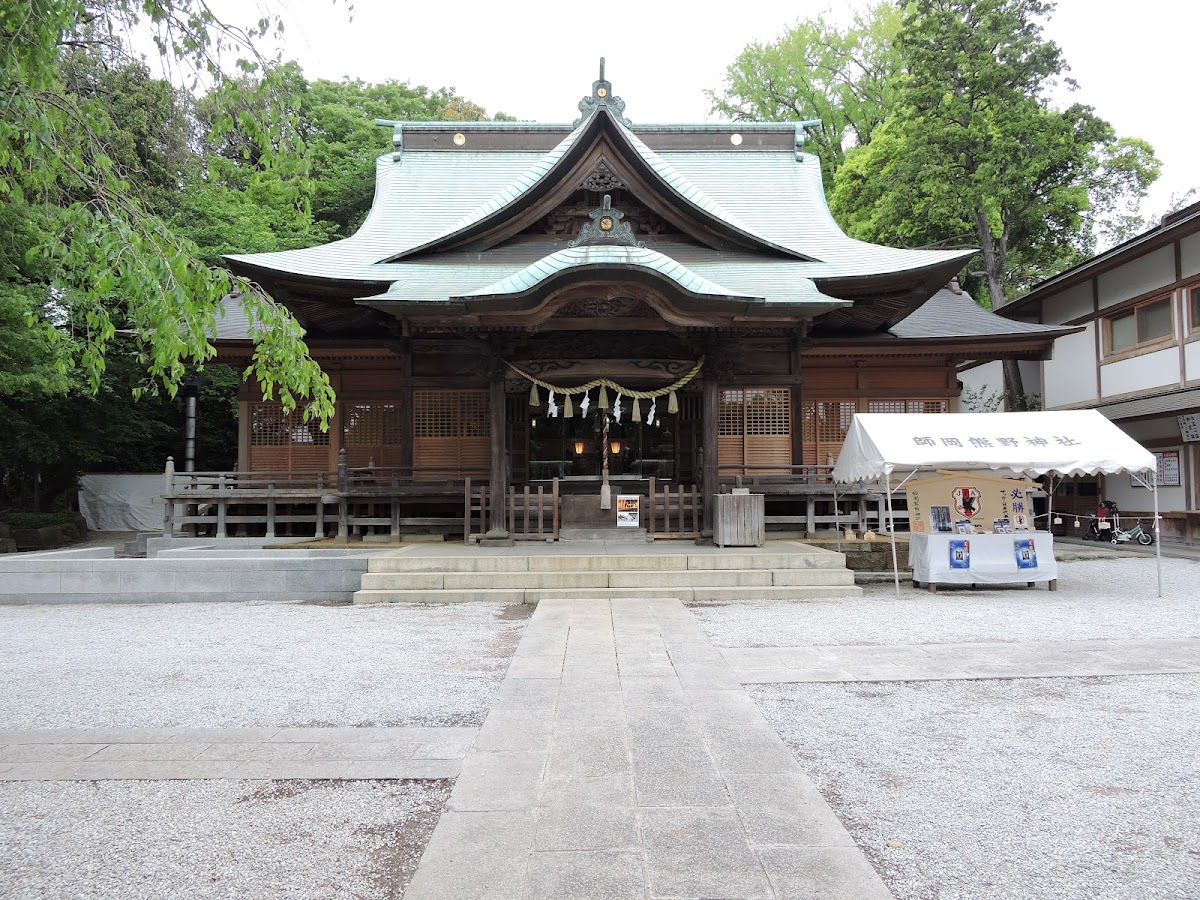
The temple grounds are surrounded by lush greenery, maintaining a quiet and peaceful atmosphere despite being in an urban area. The main hall and other temple buildings retain the style of traditional temple architecture while incorporating modern facilities.
Information on Myorenji Cemetery
Yokohama Myorenji Temple has the Myorenji Cemetery attached to it, offering perpetual memorial services and general burial plots. Despite its proximity to the city center, it is a popular choice for many families due to its lush green environment for honoring ancestors.
For cemetery visits and further details, we recommend contacting the temple in advance. Currently, they accommodate various forms of memorial services, demonstrating a flexible approach to meet the needs of the times.
Access to Yokohama Myorenji Temple
Location: 2-1-5 Kikuna, Kohoku-ku, Yokohama City, Kanagawa Prefecture
Transportation Access:
- Immediately after alighting at Myorenji Station on the Tokyu Toyoko Line (right in front of the station)
- Approximately 8 minutes on foot from Kikuna Station on the JR Yokohama Line
- Approximately 10 minutes by train from Yokohama Station
Its excellent location right in front of the station makes it easily accessible even without a car, which is a major attraction.
Origin of the Temple Name Myorenji and its Relationship to the Nichiren Sect
The temple name “Myorenji” originates from the “Myoho Renge Kyo (Lotus Sutra)**, the fundamental scripture of the Nichiren sect. “Myo” represents the Myoho (Wise Law), and “Ren” represents the Lotus Sutra, a name that signifies the core of Nichiren Shonin’s teachings.
Nichiren sect and Honmon Hokke sect temples throughout Japan bear the name “Myorenji” due to their deep faith in this scripture. Myorenji Temples in Kyoto and Yokohama are particularly historically significant and large-scale representative temples.
Points to Note and Manners When Visiting
Visiting Hours and Admission Fees
Kyoto Myorenji Temple:
- Daytime hours are recommended for regular visits.
- An admission fee may be required during special viewings.
- It is recommended to check the latest information on the official website beforehand.
Yokohama Myorenji Temple:
- Visiting the temple grounds is generally free, but consideration is required when using the funeral hall.
- If you wish to view the main hall, it is recommended to contact the temple in advance.
Photography
Photography is generally permitted on the temple grounds, but please note the following:
- Obtain permission in advance before photographing the main hall or cultural properties.
- Refrain from taking photographs during memorial services or funerals.
- Be considerate of the privacy of other visitors.
- Check in advance before using a tripod.
Clothing and Belongings
Clean and subdued attire is desirable for visiting the temple. Especially when entering the main hall, you will need to remove your shoes, so choose footwear that is easy to take off and put on. Bringing a hat or parasol in the summer, and warm clothing in the winter, will make your visit more comfortable.
About Goshuin (Temple Seals) and Gifts
Issuance of Goshuin
Both Myorenji temples offer Goshuin (temple seals). Bring your Goshuincho (seal book) and request one at the reception or temple office. Kyoto’s Myorenji temple sometimes offers limited-edition Goshuin during special viewing periods.
Goshuin are not merely commemorative stamps, but sacred items bestowed by the temple as proof of your visit. Handle them carefully and keep them safe.
Amulets and Gifts
Each temple offers various amulets for traffic safety, academic success, family safety, etc., as well as talismans, prayer beads, and other gifts. Please inquire at the temple office for details.
Places to Visit Alongside Nearby Tourist Attractions
Around Myorenji Temple, Kyoto
Myorenji Temple in Kyoto is located in the northern part of Kyoto city, and there are many tourist attractions nearby:
- Daitoku-ji Temple: A major Rinzai Zen temple within walking distance
- Imamiya Shrine: A shrine famous for its “aburi mochi” (grilled rice cakes)
- Funaoka-yama: A small hill offering panoramic views of Kyoto city
- Kitano Tenmangu Shrine: A famous shrine dedicated to the god of learning (a bit of a distance away)
Around Myorenji Temple, Yokohama
Myorenji Temple in Yokohama is located in a residential area of Kohoku Ward, but there are several places nearby:
- Kikunaike Park: A local community gathering place
- Kikuna Shopping Street: A traditional shopping street
- Tressa Yokohama: A large shopping mall (about 10 minutes by car)
- Shin-Yokohama Ramen Museum: A popular spot a few train stops away
Summary: The Charms of the Two Myorenji Temples
The Myorenji temples in Kyoto and Yokohama, while sharing the same name, possess distinct histories and characteristics.
Kyoto’s Myorenji is the starting point of Nichizo Shonin’s missionary work in Kyoto and a major head temple of the Honmon Hokke sect, blessed with historical and cultural treasures such as fusuma paintings by the Hasegawa Tohaku school and a garden associated with Toyotomi Hideyoshi. It attracts many visitors during special spring viewings and the lotus season.
Yokohama’s Myorenji, while boasting a history dating back to the Middle Ages, has developed as a community-based temple, equipped with modern funeral halls and cemeteries. Its convenient location near the station and lush green grounds are particularly appealing.
Both Myorenji temples are important centers for conveying the teachings of Nichiren Shonin and attract many followers. When visiting Kyoto or Yokohama, be sure to visit these Myorenji temples and experience their history and tranquil atmosphere.
For the latest information and event schedules of each temple, we recommend checking their official websites or contacting them directly. Visiting these temples will be a valuable opportunity to experience Japanese Buddhist culture and local history.