Complete Guide to Wakamiya Hachiman Shrine: A Thorough Explanation of History, Benefits, and Major Shrines Nationwide
Wakamiya Hachiman Shrines are Hachiman worship shrines located throughout Japan, boasting a long history as the tutelary deity of the Minamoto clan. Known by various names such as “Wakamiya Hachimangu,” “Wakamiya Hachimansha,” and “Wakamiya Hachimangu-sha,” they have fostered unique beliefs and cultures in each region. This article provides a comprehensive explanation, from the origins of Wakamiya Hachiman Shrines to details of major shrines nationwide, their benefits, and information on visiting them.
What is Wakamiya Hachiman Shrine?: The Meaning of “Wakamiya” and Hachiman Worship
The Meaning and Origin of “Wakamiya”
“Wakamiya” refers to a shrine that enshrines the children or divided spirits of the main deity of the main shrine. In Hachiman worship, Wakamiya shrines often enshrine the children of Emperor Ojin, the principal deity, or related gods, holding an important position second only to the main shrine. Many Wakamiya Hachiman Shrines were founded by receiving divided spirits from Usa Shrine in Oita Prefecture and Tsurugaoka Hachiman Shrine in Kanagawa Prefecture.
Deep Connection with the Minamoto Clan
Wakamiya Hachiman Shrine holds special significance as the tutelary shrine of the Minamoto clan. Minamoto no Yoriyoshi, Minamoto no Yoshiie (Hachiman Taro Yoshiie), and other members of the Minamoto family revered Hachiman as their tutelary deity and established Wakamiya Hachiman Shrines in various locations. During the Muromachi period, it received the patronage of the Ashikaga shogunate, becoming an important object of worship in samurai society.
Spread of Hachiman Worship
Hachiman worship is one of the largest Shinto beliefs in Japan, with approximately 44,000 Hachiman shrines nationwide. Among them, Wakamiya Hachiman Shrine has attracted the faith of many worshippers as a guardian deity of the region and as a shrine that bestows specific blessings.
Major Wakamiya Hachiman Shrines and Wakamiya Hachimangu Shrines Nationwide
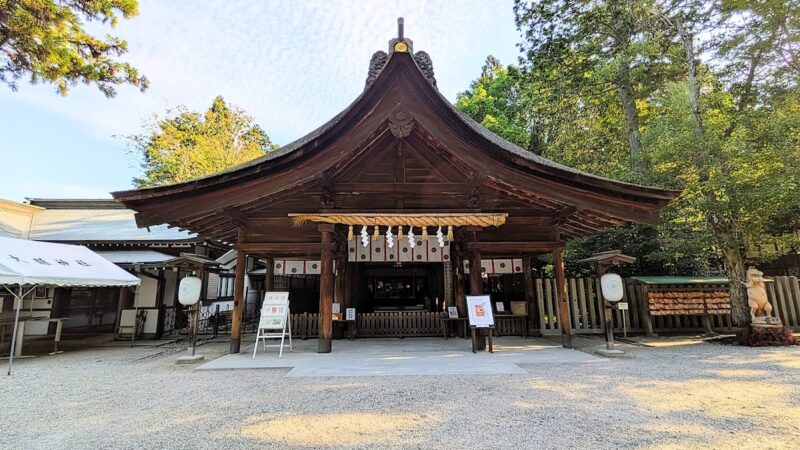
Wakamiya Hachiman Shrine (Sakae, Naka-ku, Nagoya City, Aichi Prefecture)
Wakamiya Hachiman Shrine, a representative shrine of Nagoya, is a historical shrine located in Sakae, Naka-ku, Nagoya City, Aichi Prefecture. According to shrine tradition, it was founded in Imaichiba, Nagoya-sho during the reign of Emperor Monmu (697-707).
History and Changes
- 901-923 (Engi era): Reconstruction
- March 11, 1532 (Tenbun 1): Destroyed by fire during Oda Nobuhide’s attack on Nagoya Castle
- 1539 (Tenbun 8): Reconstruction
Wakamiya Hachiman Shrine, which has developed alongside the development of Nagoya’s castle town, continues to attract many worshippers as a guardian deity of the region. Its annual events, including the annual festival, are thriving, and it plays a central role in the local community.
Wakamiya Hachimangu Shrine (Kyoto City, Kyoto Prefecture)
Wakamiya Hachimangu Shrine in Kyoto is known as a “shrine for praying for beauty” and is located on Gojo-zaka in Kiyomizu-ku, Kyoto. Originally located in Rokujo Samegai, it is said to have been established by Minamoto no Yoriyoshi (father of Hachiman Taro Yoshiie) as the young Hachiman shrine.
Characteristics and Beliefs
- Initially called “Rokujo Hachiman” and “Samegai Hachiman”
- It was deeply revered by the Minamoto clan and many samurai, and during the Muromachi period, it attracted the devotion of successive Ashikaga shoguns
- Currently known for its blessings of beauty and safe childbirth, it attracts many female worshippers in particular
- The beauty amulet is a popular item specially blessed during the festival.
As a shrine dedicated to the god of eternal beauty, it is bustling with worshippers praying for beauty in both body and mind.
Wakamiya Hachiman Shrine (Ukiha City, Fukuoka Prefecture)
Wakamiya Hachiman Shrine in Ukiha City is a historic shrine known for its blessings of abundant harvests. It is said to have been founded in 1153 by Minamoto no Tametomo, who received a divided spirit from Tsurugaoka Hachimangu Shrine in Kamakura City, Kanagawa Prefecture (one of Japan’s three great Hachiman shrines).
Blessings and Characteristics
- Abundant Harvests: It is revered as the guardian deity of agriculture and attracts local worshippers.
- A historically significant shrine with a divided spirit from Tsurugaoka Hachimangu Shrine.
- A form of worship deeply intertwined with the local agricultural culture.
Wakamiya Hachiman Shrine (Konan City, Aichi Prefecture)
Wakamiya Hachiman Shrine in Konan City has long been known as the guardian deity of safe childbirth. It is said that receiving sand from within the shrine’s enclosure guarantees a safe delivery, and it attracts many worshippers from far and wide.
Highlights of the Shrine Grounds
- Chionanthus retusus (Nanjamonja): Beautiful pure white flowers bloom from early to mid-May.
- Sand for Safe Childbirth: A special object of worship.
- Functions as a center of local prayers for safe childbirth.
Wakamiya Hachiman Shrine (Bungo Takada City, Oita Prefecture)
Wakamiya Hachiman Shrine in Bungo Takada City is a sub-shrine of Usa Jingu in Kurinawa-go, one of the six villages of the Kunisaki Peninsula. It is said that in 824 (Tenchō 1), a divine oracle was given to Sakai Kadonojo, the mother of Ōgami Unmaro, a resident of Usa County in Buzen Province, and the shrine was founded in December of 852 (Ninju 2) in response.
Wakamiya Hachiman Shrine Autumn Festival
- A grand annual festival considered one of Japan’s three greatest naked festivals.
- A traditional festival giving thanks for a bountiful harvest.
- The largest festival in the region, attracting many spectators.
It has a deep connection with Usa Shrine and is an important shrine that preserves the syncretic Shinto-Buddhist culture of the Kunisaki Peninsula.
Wakamiya Hachiman Shrine (Otsu City, Shiga Prefecture)
Wakamiya Hachiman Shrine in Zeze, Otsu City, is an ancient shrine said to have been founded in 676 AD (Hakuhō 4), and is located along the old Tōkaidō road in Zeze.
Origin of Founding
It is said that when Emperor Tenji visited this area, he saw purple clouds and a golden dove perched on a nearby tree, and decided to build a shrine here.
Historical Buildings
- During the Edo period, it received the patronage of the Zeze Domain.
- The current main gate is a relocated gate from Zeze Castle’s Inubashiri Gate, making it a building of high historical value.
- It conveys the history of Zeze, which flourished as a post town on the Tokaido road.
Wakamiya Hachiman Shrine (Kita Ward, Tokyo)
Wakamiya Hachiman Shrine in Kita Ward, Tokyo, is a shrine dedicated to Toyoshima Kiyomoto (Kiyomitsu), a powerful local lord of the medieval period. It is also introduced as Wakamiya Hachiman Shrine in the Edo period guidebook “Edo Meisho Zue” (Illustrated Guide to Famous Places of Edo).
Origin and History
- It originated as a village shrine in the former Wakamiya town.
- It is said that Toyoshima Kiyomoto (Kiyomitsu) enshrined the spirit of his son, Kiyoyasu, in mourning his death.
- It continues to be revered as the local guardian deity.
Wakamiya Hachimangu Shrine (Nirasaki City, Yamanashi Prefecture)
Wakamiya Hachimangu Shrine in Nirasaki City is an ancient shrine said to have been founded between 885 and 889 (Ninna era) according to old records (ridgepole inscriptions).
Historical Changes
- Originally located on Shichiriwa Rock.
- In 1583 (Tensho 11), a landslide caused by a storm destroyed the shrine building.
- It was rebuilt in its current location in 1585.
It is affectionately known as “Kawarabe-san” in the region and is a central figure in the local community.
The Benefits and Faith of Wakamiya Hachiman Shrine
Diverse Benefits
Wakamiya Hachiman Shrines are worshipped for various benefits depending on the region where they are located and their historical background.
Main Benefits
- Safe Childbirth and Child-Rearing: Many Wakamiya Hachiman Shrines, including the one in Konan City, are worshipped as guardians of safe childbirth.
- Abundant Harvest: Worshipped as a guardian deity of agriculture, such as the Wakamiya Hachiman Shrine in Ukiha City.
- Beauty and Beauty Prayers: The Wakamiya Hachiman Shrine in Kyoto is particularly known for its benefits related to beauty.
- Long-Lasting Military Fortune: Due to its history as the tutelary deity of the Minamoto clan, it is also worshipped as a guardian deity of martial arts.
- Protection from Misfortune and Family Safety: Worshipped as a guardian deity of the region, protecting against various calamities.
Unique Forms of Worship
Each Wakamiya Hachiman Shrine has its own unique form of worship. Special, locally rooted beliefs are passed down, such as the “sacred sand” worship at Wakamiya Hachiman Shrine in Konan City and the beauty amulets at Wakamiya Hachiman Shrine in Kyoto.
Annual Festivals and Events of Wakamiya Hachiman Shrine
Major Annual Festivals
The annual festivals of Wakamiya Hachiman Shrines are held as important cultural events in the region. In particular, the Autumn Grand Festival of Wakamiya Hachiman Shrine in Bungo-Takada City is nationally known as one of Japan’s three major naked festivals, attracting many spectators.
Characteristics of Annual Festivals
- Inheritance of traditional Shinto rituals
- Role in strengthening community bonds
- Many festivals possess cultural value
Annual Events
Many Wakamiya Hachiman Shrines hold seasonal events, such as the New Year’s visit, Setsubun festival, summer purification ritual, and the autumn annual festival. These events are important opportunities to pass on the region’s traditional culture to future generations.
Architecture and Cultural Properties of Wakamiya Hachiman Shrine
Historical Buildings
Many Wakamiya Hachiman Shrines throughout Japan retain buildings of high historical value. Some, like the main gate of Wakamiya Hachiman Shrine in Otsu City (a relocated gate from Zeze Castle’s Inubashiri Gate), preserve remnants of castle architecture.
Cultural Landscape
The natural environment within the shrine grounds is also an important element, as exemplified by the fringe tree at Wakamiya Hachiman Shrine in Konan City. The seasonal changes in nature allow visitors to feel the passage of time, embodying a traditional Japanese view of nature.
Etiquette and Manners for Worship
Basic Worship Etiquette
The basic etiquette for visiting Wakamiya Hachiman Shrine is the same as for general shrine visits.
- Bow before passing through the torii gate.
- Cleanse your hands and mouth at the purification fountain.
- Bow twice, clap twice, and bow once in front of the main hall.
- Quietly convey your wish in your heart.
Special Worship Methods
For shrines with unique worship methods, such as the practice of receiving sand at Wakamiya Hachiman Shrine in Konan City, please follow the local information and instructions of the shrine priests.
Access and Worship Information for Wakamiya Hachiman Shrine
Points to Note When Visiting
- Check the visiting hours and the operating hours of the shrine’s gift shop in advance.
- Expect crowds on special days such as annual festivals.
- It is recommended to check the availability of parking and public transportation access.
- Please note that photography may be restricted in some areas.
Visiting from Afar
Wakamiya Hachiman Shrines, located throughout Japan, each have their own unique history and characteristics. Visiting multiple Wakamiya Hachiman Shrines during your travels will allow you to experience the diversity of Hachiman faith and the richness of regional culture.
Wakamiya Hachiman Shrine and the Local Community
Center of the Local Community
Wakamiya Hachiman Shrine is more than just a place of worship; it plays a central role in the local community. Through its annual festivals and events, intergenerational exchanges are fostered, strengthening community bonds.
Cultural Inheritance
The festivals and traditional events passed down at the shrine are preserved as intangible cultural assets of the region and passed down to future generations. Participation in these festivals by younger generations cultivates an understanding of and pride in traditional culture.
Value as a Tourism Resource
With its historical buildings and beautiful natural environment, Wakamiya Hachiman Shrine is also an important tourism resource for the region. Festivals that attract large crowds, such as the Wakamiya Hachiman Shrine Autumn Festival in Bungo-Takada City, contribute to the local economy.
Significance of Research on Wakamiya Hachiman Shrine
Importance in Historical Research
Research on Wakamiya Hachiman Shrine is important for understanding medieval Japanese samurai society and local history. The shrines have many connections to historical events, including their relationship with the Minamoto clan and their involvement with Oda Nobuhide and the Ashikaga shogunate, providing valuable historical materials.
Folkloric Value
The unique forms of worship passed down at Wakamiya Hachiman shrines throughout Japan are important subjects of folklore research. Regional beliefs, such as the worship of sacred sand and prayers for beauty, provide clues to understanding the Japanese religious and worldview.
Architectural and Art History Research
Shrine architecture and donated artworks are valuable resources that convey the architectural and artistic styles of various eras. They also contribute to the study of architectural history beyond shrines, such as the relocated castle gates.
Summary: The Charm and Future of Wakamiya Hachiman Shrines
Wakamiya Hachiman shrines originated as the tutelary deities of the Minamoto clan and have developed uniquely in each region. They are worshipped for various blessings, including safe childbirth, abundant harvests, and beauty, and play an important role as the center of local communities.
Wakamiya Hachiman shrines scattered throughout Japan each possess their own unique history and culture, offering different attractions to visitors. The world of Wakamiya Hachiman shrines, with its diverse aspects—from the urban presence of Wakamiya Hachiman Shrine in Sakae, Naka Ward, Nagoya City, to the beauty prayers at Wakamiya Hachiman Shrine in Kyoto, the harvest festivals in Ukiha City, the safe childbirth festivals in Konan City, and the magnificent naked festivals in Bungo Takada City—symbolizes the richness of Japanese religious culture.
In modern society, Wakamiya Hachiman shrines are not only places of traditional worship but also important centers for maintaining regional cultural identity. Even amidst urbanization and depopulation, they play a role in maintaining community bonds through annual festivals and events, and in passing on traditional culture to future generations.
Visiting a Wakamiya Hachiman shrine will be more than just sightseeing or worship; it will be a valuable experience that touches upon the depths of Japanese history, culture, and faith. We hope you will discover the unique charm of each Wakamiya Hachiman shrine and feel the profoundness of Hachiman faith.