Minatogawa Shrine Complete Guide | History, Benefits, and Access Information for Kobe’s Famous Shrine Dedicated to Kusunoki Masashige
What is Minatogawa Shrine?
Minatogawa Shrine is a special government-sponsored shrine located in Chuo-ku, Kobe City, Hyogo Prefecture, and is affectionately known locally as “Nanko-san.” It enshrines Kusunoki Masashige, a loyal retainer of the Nanboku-cho period, as its main deity, and was founded in 1872 (Meiji 5) by imperial decree of Emperor Meiji.
Despite its convenient location within walking distance of JR Kobe Station in the heart of Kobe, the shrine maintains a magnificent atmosphere and grand shrine buildings within its vast grounds, attracting approximately 2 million visitors annually, making it one of Kobe’s most renowned shrines.
The Rank and Importance of Minatogawa Shrine
Minatogawa Shrine holds the special rank of “Special Government-Sponsored Shrine.” This is a rank bestowed upon shrines dedicated to individuals who rendered distinguished service to the nation during the Meiji era, placing it on par with shrines like Yasukuni Shrine and Nogi Shrine. This rank reflects the historical achievements of Kusunoki Masashige and the high regard the Meiji government held him as a “loyal subject.”
The Life of Kusunoki Masashige and the Battle of Minatogawa
Who was Kusunoki Masashige?
Kusunoki Masashige (1294?–1336) was a samurai who was active from the late Kamakura period through the Nanboku-cho period. He participated in Emperor Go-Daigo’s movement to overthrow the shogunate and is known as a warrior with exceptional intelligence and tactical skill.
Born in Kawachi Province (present-day Minami-Kawachi region of Osaka Prefecture), he played a key role in the downfall of the Kamakura shogunate by outmaneuvering the large shogunate army with a small force during the sieges of Chihaya Castle and Akasaka Castle. Afterward, he played a crucial role in supporting Emperor Go-Daigo during the Kenmu Restoration.
The Battle of Minatogawa and the End of Lord Masashige
On May 25, 1336 (Engen 1st year/Kenmu 3rd year), the imperial army led by Kusunoki Masashige and Nitta Yoshisada clashed with the forces of Ashikaga Takauji and Ashikaga Tadayoshi at Minatogawa in Settsu Province (present-day Chuo Ward, Kobe City). This was the Battle of Minatogawa.
Lord Masashige suggested intercepting the enemy in Kyoto, but was forced to fight the decisive battle at Minatogawa by order of Emperor Go-Daigo. Despite the overwhelming difference in troop numbers, Lord Masashige fought to the end alongside his younger brother, Masasue, and it is said that he committed suicide after uttering the words “Shichishō Hōkoku”—that he would serve his country even if he were reborn seven times.
This heroic end and his absolute loyalty to the Emperor are the reasons why Kusunoki Masashige is celebrated in later generations as a “model of loyalty.”
The Meiji Restoration and the Re-evaluation of Kusunoki Masashige
Throughout the Edo period, Kusunoki Masashige was highly regarded by Confucian scholars and loyalist thinkers. After the Meiji Restoration, the Meiji government, aiming for a national system centered on the Emperor, positioned Masashige as a symbol of “loyalty to the Emperor and patriotism,” and in 1872, they built Minatogawa Shrine on the site where Masashige died in battle.
The History and Founding of Minatogawa Shrine
Circumstances Leading to the Founding
After the Battle of Minatogawa, Kusunoki Masashige’s tomb was long protected by local people as “Ah, the Tomb of the Loyal Subject Kusunoki.” This tombstone was erected by Tokugawa Mitsukuni (Mito Kōmon) in 1692 and is still preserved on the shrine grounds.
After the Meiji Restoration, in 1868 (Meiji 1), Emperor Meiji expressed his intention to honor Masashige during his visit to Tokyo, and on May 24, 1872 (Meiji 5), Minatogawa Shrine was founded. Prince Arisugawa Taruhito became the first chief priest, demonstrating a deep connection with the Imperial family.
War Damage and Reconstruction
In 1945 (Showa 20), the shrine buildings of Minatogawa Shrine were completely destroyed in the Kobe air raids. After the war, reconstruction progressed thanks to the enthusiasm of parishioners and devotees, and a temporary shrine was built in 1952, followed by the current magnificent shrine building in 1970.
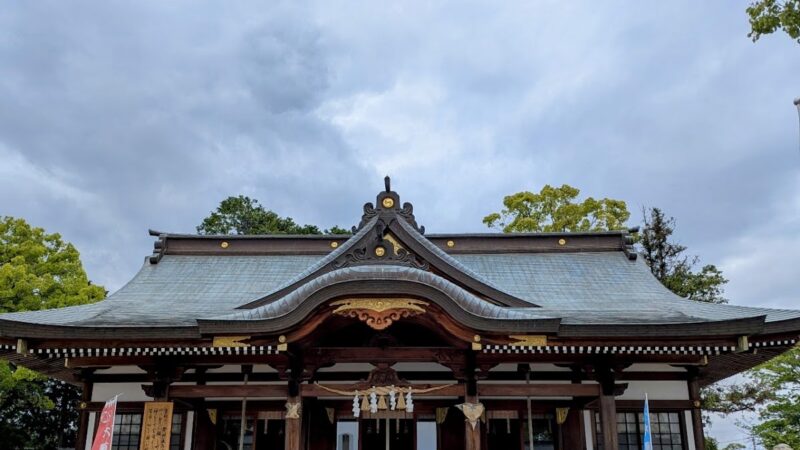
Although the current shrine building is made of reinforced concrete, it retains the aesthetic beauty of traditional shrine architecture, creating a solemn atmosphere. ## Benefits of Minatogawa Shrine
Minatogawa Shrine is believed to offer various benefits due to the life and achievements of Kusunoki Masashige.
Good Fortune and Protection from Evil
From Masashige’s wisdom and tactical talent, it is believed that one can be granted the strength to overcome difficulties and the resilience to overcome adversity. It is especially revered by those at crossroads in life and those embarking on new challenges.
Academic Success and Passing Exams
Masashige, while a military commander, was highly educated and excelled in military strategy and tactics. Because of this strategic brilliance, it is believed to bring benefits for academic success and passing exams, and many students and their parents visit the shrine during exam season.
Business Prosperity and Success
Masashige’s strategic vision, which allowed him to defeat large armies with few troops, is considered a symbol of success in business. Many business owners and entrepreneurs visit the shrine, praying for business development and prosperity.
Family Safety and Traffic Safety
Due to Lord Masashige’s deep love for his family and the strong bonds of his clan, the shrine is believed to offer blessings for family safety. Furthermore, as it is located in Kobe, a key transportation hub, many people pray for traffic safety.
Victory and Success Prayer
In honor of Lord Masashige, who achieved numerous victories in battles, many visitors pray for victory in sports, competitions, and examinations.
Highlights of the Shrine Grounds
The grounds of Minatogawa Shrine are dotted with historical sites and buildings of high historical value.
Main Hall and Worship Hall
The current shrine buildings, rebuilt after the war, are made of reinforced concrete, yet they are magnificent structures that follow traditional shrine architectural styles. Passing through the large torii gate at the front, a spacious approach leads to the main hall.
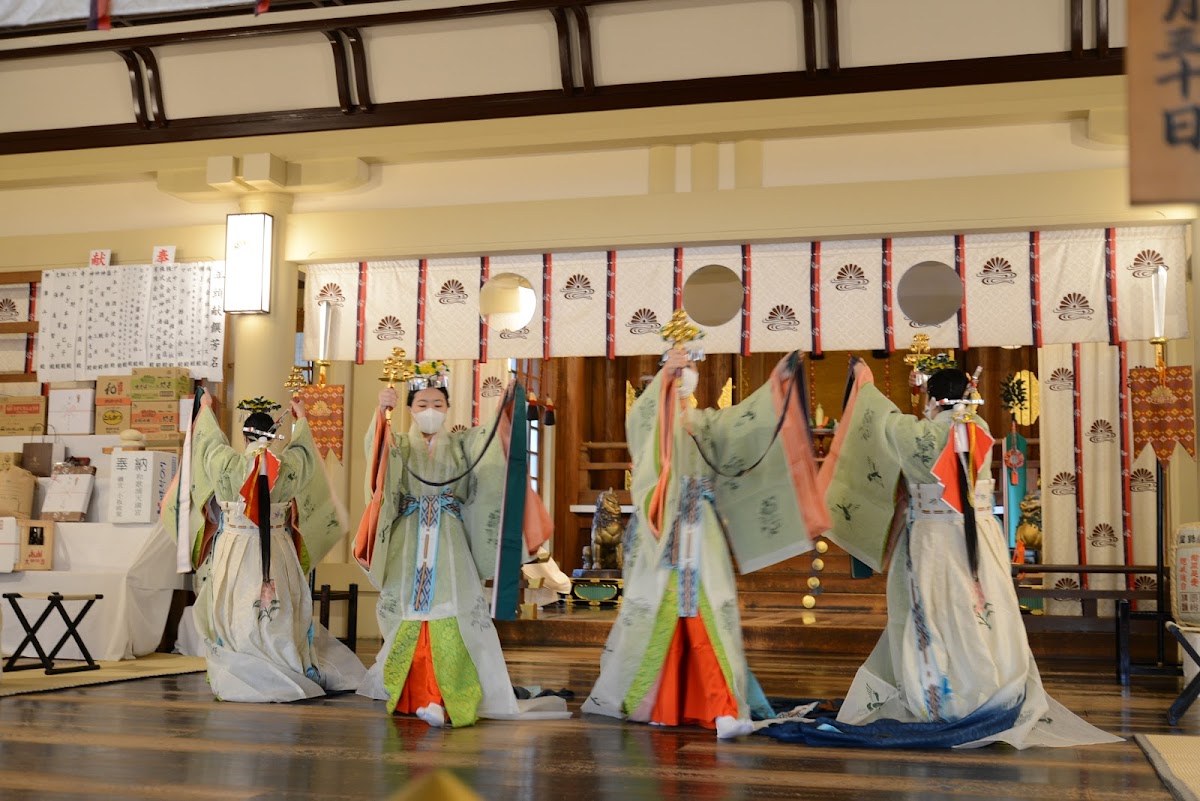
Prayers are offered daily by Shinto priests in the worship hall, and both individuals and groups can receive prayers.
Mausoleum of Kusunoki Masashige (Site of Martyrdom)
At the back of the temple grounds lies the “Site of Martyrdom,” believed to be the place where Kusunoki Masashige committed suicide. A stone monument erected by Tokugawa Mitsukuni, inscribed “Ah, the Tomb of the Loyal Subject Kusunoki,” still stands here, and the site is designated a national historical site.
The area surrounding the mausoleum is enveloped in a serene atmosphere, a sacred space where one can reflect on Masashige’s loyalty and courage.
Treasure Hall
Within the temple grounds is a treasure hall displaying items related to Kusunoki Masashige and valuable historical materials concerning the history of Minatogawa Shrine. Visitors can see a replica of Masashige’s armor, historical documents, and paintings.
Opening hours and fees vary depending on the season, so it is recommended to check official information before visiting.
Kikusui Tenman Shrine
Within the shrine grounds stands the Kikusui Tenman Shrine as a subsidiary shrine. This shrine, dedicated to Sugawara no Michizane, the god of learning, is known for its blessings of academic success and is particularly popular with students preparing for exams.
The name comes from the fact that the Kusunoki family crest is “Kikusui” (chrysanthemum and water).
Statue of Kusunoki Masashige
A dignified bronze statue of Kusunoki Masashige stands within the shrine grounds. This statue is a popular spot for visitors to take commemorative photos.
Amulets and Goshuin (Shrine Seals)
Amulets of Minatogawa Shrine
Minatogawa Shrine offers a variety of amulets.
- Victory Charm: A charm to receive the good fortune of Masashige-sama and pray for victory in exams and competitions.
- Academic Achievement Charm: A charm for academic improvement and passing exams.
- Good Fortune Charm: A charm to pray for good luck and improved fortune.
- Traffic Safety Charm: A charm to pray for safety when traveling by car, bicycle, or on foot.
- Exorcism Charm: A charm to ward off evil and misfortune during unlucky years.
These charms are available at the shrine office, and their beautiful designs make them a welcome gift.
Goshuin (Shrine Seal)
At Minatogawa Shrine, you can receive a goshuin with beautiful calligraphy. In addition to the regular goshuin, special seasonal goshuin are sometimes available.
Goshuin are available at the shrine office, and the offering fee is generally around 300 to 500 yen. Goshuin notebooks are also sold, and the original Minatogawa Shrine designs are popular as souvenirs of your visit. ## Annual Events and Festivals
Minatogawa Shrine holds various festivals and events throughout the year.
Kusunoki Festival (May)
This is Minatogawa Shrine’s largest festival, held annually from May 24th to 26th. Centered around the anniversary of Kusunoki Masashige’s death (May 25th), various Shinto rituals and dedication ceremonies are held. Traditional events such as warrior processions and Noh performances adorn the shrine grounds.
New Year’s Visit (January)
During the first three days of the New Year, approximately 500,000 visitors come to the shrine for their first visit of the year. The shrine grounds are bustling with worshippers praying for good fortune, family safety, academic success, and more.
On New Year’s Day, the Saitansai Festival is held, featuring special Shinto rituals to celebrate the New Year.
Setsubun Festival (February)
On February 3rd, Setsubun, the Setsubun Festival is held, featuring bean-throwing. Many worshippers visit to pray for protection from evil and for good fortune.
Shichi-Go-San Festival (November)
In November, the temple is bustling with families celebrating Shichi-Go-San. This traditional event prays for the healthy growth of children, and a photo spot is set up on the temple grounds for commemorative pictures.
Monthly Festival
On the 25th of each month, the Monthly Festival is held to express gratitude and pray for peace.
Access and Visiting Information
Location
3-1-1 Tamon-dori, Chuo-ku, Kobe City, Hyogo Prefecture 650-0015
Access by Train
- JR Kobe Line “Kobe Station”: Approximately 3 minutes on foot from the North Exit
- Hankyu Railway, Hanshin Electric Railway, Kobe Municipal Subway “Kosoku Kobe Station”: Approximately 1 minute on foot from the East Exit
- Kobe Municipal Subway Yamate Line “Okurayama Station”: Approximately 5 minutes on foot from the South Exit
Minatogawa Shrine is characterized by its excellent accessibility, being within walking distance of major Kobe stations.
Access by Car
- Approximately 5 minutes from Hanshin Expressway Route 3 Kobe Line “Kyobashi IC”
- Approximately 3 minutes from Hanshin Expressway Route 31 Kobe Yamate Line “Minatogawa IC”
Parking
Minatogawa Shrine has a parking lot for visitors, but the number of spaces is limited. During New Year’s visits and major festivals, congestion is expected, so we recommend using public transportation.
There are also several coin-operated parking lots nearby, so please consider using those as well.
Visiting Hours
- Shrine Grounds: Open 24 hours
- Shrine Office: 9:00 AM – 5:00 PM (Goshuin stamps and amulets available)
- Prayer Reception: 9:00 AM – 4:30 PM
*Hours may vary depending on the season, so please check the official website for the latest information.
Admission Fee
Entry to the shrine grounds is free. A separate fee is required to visit the Treasure Hall.
Nearby Tourist Attractions
Many of Kobe’s tourist attractions are located around Minatogawa Shrine.
Kobe Harborland
Approximately a 15-minute walk from Minatogawa Shrine, this is a complex of shopping, dining, and entertainment facilities facing Kobe Port. Kobe’s symbol, Port Tower, is also nearby, making it ideal for sightseeing.
Shinkaichi
Shinkaichi, located north of Minatogawa Shrine, was once a bustling commercial district known as “Asakusa of the East, Shinkaichi of the West.” Even today, it boasts a row of shops and restaurants, offering a charming, old-town atmosphere.
Hyogo Daibutsu (Nofuku-ji Temple)
Nofuku-ji Temple, located about a 10-minute walk from Minatogawa Shrine, houses the Hyogo Daibutsu, one of Japan’s three great Buddha statues. The 11-meter-tall Buddha is truly awe-inspiring.
Kobe City Museum
This museum, located about a 20-minute walk from Minatogawa Shrine, offers insights into Kobe’s history and culture. It features a rich collection of art related to the opening of Kobe Port and Nanban art.
Manners for Visiting Minatogawa Shrine
There are basic manners to observe when visiting a shrine.
How to Pass Through the Torii Gate
The torii gate is the entrance to the sacred area. Bow before passing through. The center of the approach to the shrine is considered the path of the gods, so it is polite to walk along the sides.
Proper Ritual for Washing Hands
- Hold the ladle in your right hand and wash your left hand.
- Switch the ladle to your left hand and wash your right hand.
- Switch the ladle back to your right hand, receive water in your left hand, and rinse your mouth.
- Wash your left hand again.
- Hold the ladle upright, wash the handle, and return it to its original position.
Proper Ritual for Worship
The basic worship ritual at a shrine is “two bows, two claps, one bow.”
- Place your offering in the offering box.
- Ring the bell if there is one.
- Bow deeply twice.
- Clap your hands twice.
- Make your wish while keeping your hands together.
- Finally, bow deeply once.
Cultural Influence of Minatogawa Shrine
Minatogawa Shrine in Literary Works
The story of Kusunoki Masashige has been depicted in many literary works and military chronicles. From the *Taiheiki* to Edo-period storytelling and puppet plays, and historical novels from the Meiji era onward, Kusunoki Masashige holds a significant place in Japanese culture.
Role in Education
In pre-war Japan, the spirit of loyalty of Kusunoki Masashige was widely used as educational material. Even today, his life is treated as an important theme in Japanese history education.
Center of the Local Community
Minatogawa Shrine is not merely a tourist destination for the citizens of Kobe, but a place of faith deeply rooted in their lives. It serves as a spiritual pillar of the local community, a place visited at important life events such as a baby’s first shrine visit, Shichi-Go-San (a traditional rite of passage for children), weddings, and exorcisms.
Summary: The Significance of Visiting Minatogawa Shrine
Minatogawa Shrine is an important shrine that conveys the spirit of loyalty and courage of Kusunoki Masashige to the present day. Despite its convenient location in the heart of Kobe, the shrine grounds maintain a solemn atmosphere, allowing visitors to feel the weight of history.
Minatogawa Shrine is believed to offer a variety of blessings, including good fortune, academic success, and business prosperity, attracting many worshippers throughout the year. With a rich array of seasonal events such as New Year’s visits, the Kusunoki Festival, and Shichi-Go-San (a traditional Japanese rite of passage for children), you’re sure to discover something new with each visit.
When sightseeing in Kobe, be sure to visit Minatogawa Shrine and offer your prayers in quiet contemplation, reflecting on the life of Kusunoki Masashige. You’re sure to receive the courage to face challenges and the strength to achieve your goals.
Minatogawa Shrine boasts excellent accessibility, being just a 3-minute walk from Kobe Station. Why not receive the blessings of “Kusunoki-san” at this shrine where history, tradition, and modern vibrancy blend seamlessly?