Complete Guide to Nagata Shrine | A Guardian Deity of Protection from Evil and Business Prosperity in Kobe with 1800 Years of History
Nagata Shrine, located in Nagata Ward, Kobe City, Hyogo Prefecture, is a venerable shrine with over 1800 years of history, affectionately known as “Nagata-san” or “Nagata-han” by locals. Along with Ikuta Shrine and Hirota Shrine, it boasts a history dating back to Empress Jingu and is one of Kobe’s representative shrines, attracting many worshippers throughout the year. This article provides detailed information you should know before visiting Nagata Shrine, including its history, enshrined deities, highlights within the grounds, and access methods.
What is Nagata Shrine?
Nagata Shrine is located at 3-1-1 Nagata-cho, Nagata Ward, Kobe City, Hyogo Prefecture. It is a Shikinaisha (Myojin Taisha) and a prestigious shrine with the former rank of Kanpei Chusha (a medium-ranked government-supported shrine). Situated at the southeastern foot of Mount Takatori, it historically had deep ties with the imperial court as the center of Hachibe District.
Nagata Shrine is a historic shrine said to have been established in the first year of Empress Jingu’s regency (201 AD), and celebrated its 1800th anniversary in 2001. During the New Year’s pilgrimage, over one million worshippers visit the shrine in three days, and it is known as an important shrine that attracts the faith of Kobe citizens.
One of Kobe’s Three Great Shrines
Nagata Shrine is counted as one of Kobe’s three great shrines, along with Ikuta Shrine and Minatogawa Shrine. Furthermore, alongside Ikuta Shrine, Hirota Shrine, and Sumiyoshi Taisha in Osaka, it is recognized as a prestigious shrine with a history dating back to Empress Jingu, and its historical value from ancient times is acknowledged.
Deity and Divine Virtues
Kotoshironushi-no-Okami
The deity enshrined at Nagata Shrine is Kotoshironushi-no-Okami. Kotoshironushi-no-Okami is known as the son of Okuninushi-no-Kami of Izumo and is also called “Emi-no-Sama” and “God of Fortune.”
According to the *Nihon Shoki* (Chronicles of Japan), Empress Jingu received a divine oracle at Mukono-no-Minomoto (near present-day Kobe Port) during her return from Silla. Kotoshironushi-no-Kami instructed her, “Enshrine me in the land of Nagata, as you desire. The village where the rooster crowing can be heard is the land to which I have a special connection.” Following this instruction, Empress Jingu founded the shrine in the land of Nagata.
Divine Virtues and Benefits
Nagata Shrine’s divine virtues are numerous, and it is particularly known for the following benefits:
- Business Prosperity and Industrial Protection: Many worshippers visit to pray for the development of their businesses, as the shrine is revered as the guardian deity of commerce, industry, and manufacturing.
- Exorcism and Protection from Evil: Famous for prayers to ward off evil during unlucky years, attracting many worshippers from the Kansai region.
- Good Fortune and Prosperity: Revered as a deity that brings good fortune and prosperity to daily life.
- Prayers for Success in Exams: Many students and families visit to pray for academic success and passing exams.
- Healing from Illness: The large camphor tree at Kusunomiya Inari Shrine is particularly famous for its blessings of healing from illness and hemorrhoids.
History of Nagata Shrine
From Founding to Ancient Times
Nagata Shrine is said to have been founded in the first year of Empress Jingu’s regency (201 AD). The Nihon Shoki (Chronicles of Japan) records that Empress Jingu, on her return from the conquest of the Three Kingdoms of Korea, received a divine oracle from Kotoshironushi-no-kami at the Muko water gate and founded the shrine in the Nagata area.
The Heian period’s *Engishiki Jinmyocho* (a list of shrines compiled in the Heian period) lists Nagata Shrine as “Settsu Province, Hachibe District, Myojin Taisha (a major shrine),” indicating its importance to the imperial court. Myojin Taisha were shrines considered to possess particularly remarkable spiritual power and were the subject of national worship.
Medieval to Early Modern Period
During the Muromachi period, the “Ancient Setsubun Ritual,” which continues to this day, was established and became a regular annual event at the shrine. This ritual is designated as a National Important Intangible Folk Cultural Property and symbolizes the traditions of Nagata Shrine.
During the Edo period, with the development of local industries, the shrine’s reputation as a guardian deity of commerce and industry spread, and many merchants and craftsmen began to visit.
Modern Period and Beyond
Under the Meiji era’s shrine ranking system, it was ranked as a Kanpei Chusha (a medium-ranking government-supported shrine), recognized as an important shrine by the state. Even after World War II, it continued to attract much reverence as a central shrine in the region.
In the 1995 Great Hanshin-Awaji Earthquake, Nagata Ward suffered extensive damage, but Nagata Shrine played a crucial role as a spiritual pillar in the region’s recovery. It has continued to watch over the recovery from the earthquake and remains a source of hope and comfort for the local people.
Highlights of the Shrine Grounds
Nagata Shrine’s grounds contain numerous points of interest that tell the story of its history and faith.
Main Hall and Worship Hall
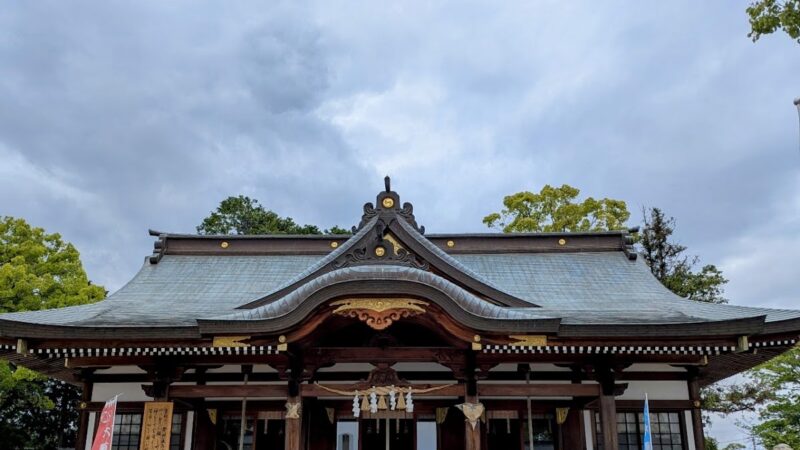
The main hall is a stately structure, showcasing the beauty of traditional shrine architecture. Many worshippers offer prayers daily in the worship hall. Prayers for protection against misfortune and business prosperity can be received here.
Kusunomiya Inari Shrine
The Kusunomiya Inari Shrine within the grounds is particularly famous for its blessings of healing illnesses and hemorrhoids. The sacred camphor tree is said to be several hundred years old, and its mystical presence attracts many worshippers. It is said that praying to this large camphor tree will cure illnesses, and worshippers come from far and wide.
Kagura Hall
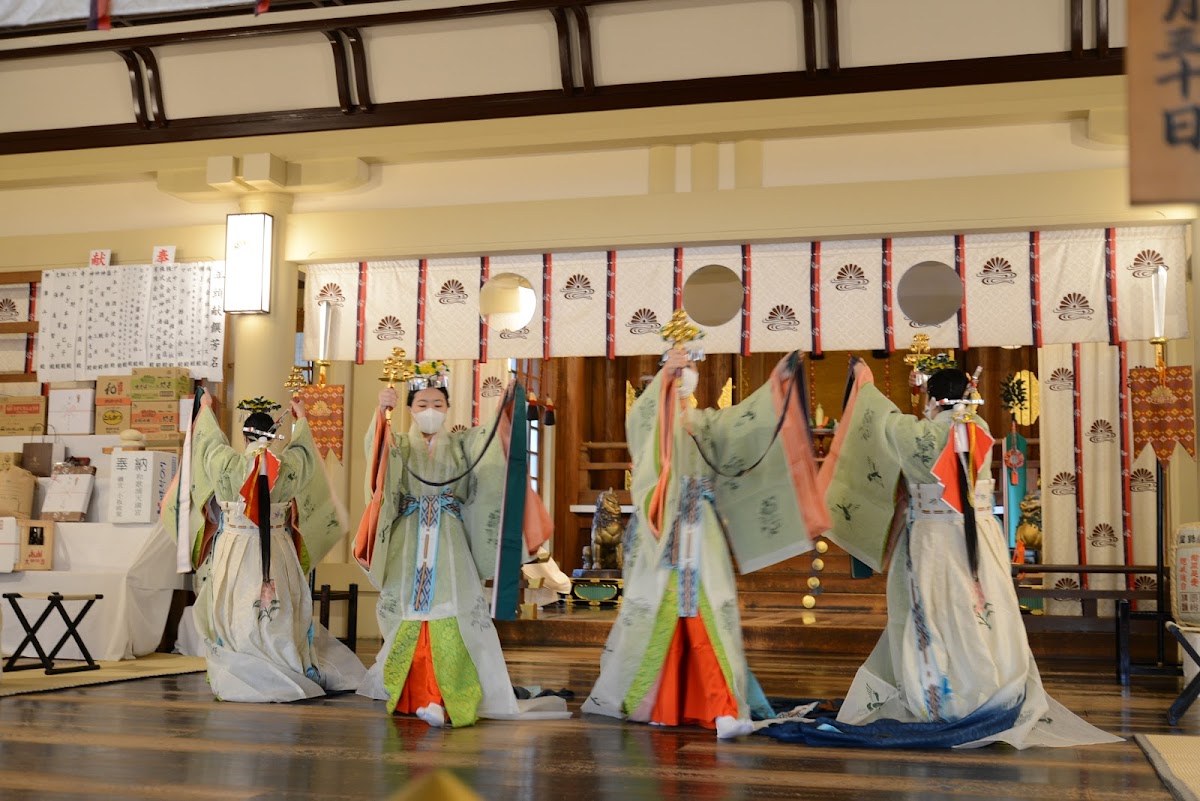
Kagura (sacred dance and music) is performed in the Kagura Hall during festivals. Especially during the Tsuina ritual, various Shinto ceremonies are held centered around the Kagura Hall, attracting many worshippers.
Ema (votive tablet) Hanging Area
There is an ema hanging area on the shrine grounds, where ema are offered with various wishes such as business prosperity, success in exams, and protection from evil. You can also offer an ema as a memento of your visit.
Shrine Office/Amulet Shop
The shrine office offers goshuin (stamped seals), various amulets, and talismans. Amulets for protection from evil and business prosperity are particularly popular. Applications for prayers are also accepted here.
Cultural Properties and Important Events
Nagata Shrine Ancient Exorcism Ritual (Nationally Designated Important Intangible Folk Cultural Property)
The most famous ritual at Nagata Shrine is the “Ancient Exorcism Ritual,” held annually on February 3rd, Setsubun (the day before the beginning of spring). This ritual is a traditional event that has continued since the Muromachi period and is designated as a Nationally Important Intangible Folk Cultural Property.
The Exorcism Ritual is a magnificent event in which seven demons—a red demon, a blue demon, a grandmother demon, an old man demon, an old woman demon, a large demon, and a tengu—appear and parade through the shrine grounds carrying torches. While typical Setsubun rituals involve driving away demons with the cry “Demons out!”, the Nagata Shrine Exorcism Ritual has a unique belief system where demons are considered messengers of the gods, and welcoming them wards off misfortune and invites good fortune.
After the ritual, mochi (rice cakes) are scattered, attracting many worshippers. This exorcism ceremony is the largest event at Nagata Shrine, attracting tens of thousands of visitors every year.
Other Annual Events
Besides the exorcism ceremony, Nagata Shrine holds various other annual events.
- New Year’s Visit: Over 1 million visitors come between January 1st and 3rd.
- Spring Grand Festival: An important festival held in spring.
- Autumn Grand Festival: A festival to give thanks for the autumn harvest.
- Shichi-Go-San Festival: Many families visit in November to pray for the healthy growth of their children.
Access and Transportation Information
Public transportation is the most convenient way to access Nagata Shrine.
Access by Train
Kobe Municipal Subway
- Get off at Shin-Nagata Station on the Kobe Municipal Subway Yamate Line or Kaigan Line, approximately 10 minutes on foot from the west exit.
- Get off at Nagata-jinja-mae Station on the Kobe Municipal Subway Kaigan Line, approximately 3 minutes on foot (nearest station).
JR
- Get off at Shin-Nagata Station on the JR Kobe Line, approximately 10 minutes on foot.
Kobe Rapid Railway
- Get off at Kosoku-Nagata Station on the Kobe Rapid Railway, approximately 5 minutes on foot.
Access by Bus
Get off at the Nagata-jinja-mae bus stop on any Kobe Municipal Bus route. Major routes include those from Sannomiya and Itayado.
Access by Car
Approximately 10-15 minutes from the Yanagihara IC or Tsukimiyama IC on the Hanshin Expressway Route 3 Kobe Line. However, while there is a dedicated parking lot on the shrine grounds, it becomes extremely crowded during events such as New Year’s Day and the Setsubun ceremony, so we recommend using public transportation.
Address and Contact Information
Address: 3-1-1 Nagata-cho, Nagata-ku, Kobe City, Hyogo Prefecture 653-0812
Phone Number: 078-691-0333
Official Website: https://nagatajinja.jp/
Etiquette and Manners for Visiting the Shrine
We will introduce the basic etiquette for visiting Nagata Shrine.
Basic Etiquette for Visiting a Shrine
- Bow Before Passing Through the Torii Gate: Before entering the shrine grounds, bow before the torii gate.
- Purify at the Water Basin: Purify your hands and mouth at the water basin.
- Walk Along the Edge of the Path: The center of the path is considered the path of the gods, so walk along the edge.
- Worship at the Main Hall: Worship using the two bows, two claps, and one bow ritual.
- Bow Upon Exiting: When leaving the shrine grounds, turn around and bow after passing through the torii gate.
Receiving Prayers
For formal prayers such as those for warding off evil or praying for business prosperity, apply at the shrine office. Prayer fees vary depending on the prayer requested, so it is recommended to check in advance. Reservations may be required, so it is advisable to call ahead, especially during busy periods.
Nearby Facilities and Tourist Attractions
Around Nagata Shrine, there are numerous facilities and tourist spots where you can experience Kobe’s history and culture.
Shin-Nagata Shopping Street
A lively shopping street stretches from Nagata Shrine to Shin-Nagata Station. It’s a place where locals live their lives, and also a tourist spot where you can enjoy the atmosphere of old Tokyo.
Tetsujin 28-go Monument
South of Shin-Nagata Station stands a giant 18-meter-tall monument of Tetsujin 28-go (Iron Man 28). Built as a symbol of post-earthquake reconstruction, it’s a popular spot visited by many tourists.
Takatori Mountain
Takatori Mountain, towering behind Nagata Shrine, is a popular hiking destination. From the summit, you can enjoy panoramic views of Kobe city and Osaka Bay, and it’s also known as a cherry blossom viewing spot in spring.
Kobe City Museum
This museum allows you to learn about Kobe’s history and culture, and it also has exhibits on the history of Nagata Shrine. It’s a must-visit spot when sightseeing in Kobe.
Prayers and Amulets at Nagata Shrine
Nagata Shrine offers a variety of prayers and amulets.
Main Prayers Offered
- Exorcism/Protection from Evil Spirits: Prayers for protection from evil spirits for those in their unlucky year
- Business Prosperity: Prayers for the development and success of your business
- Family Safety: Prayers for the health and safety of your family
- Prayers for Success in Exams: Prayers for success in exams and qualification tests
- Recovery from Illness: Prayers for recovery from illness
- Prayers for Safe Childbirth: Prayers for a safe delivery
- Traffic Safety: Prayers for blessing your car and for traffic safety
Popular Amulets
- Exorcism Amulet: Amulet for protection from evil spirits
- Business Prosperity Amulet: Amulet for business prosperity
- Success Amulet: Amulet for success in exams
- Health Amulet: Amulet for good health
- Traffic Safety Amulet: Amulet for traffic safety
Amulets are available at the amulet office. Also, old amulets can be burned at the shrine, so please return them with gratitude.
About Goshuin (Shrine Seals)
At Nagata Shrine, you can receive a goshuin as proof of your visit. It is available at the shrine office, and the offering fee is usually around 300 yen.
If you bring your goshuincho (seal book), they will write it directly in it. If you don’t have a goshuincho, you can purchase an original Nagata Shrine goshuincho.
Receiving a goshuin is one of the pleasures of visiting a shrine, both as a memento of your visit and as a hobby for shrine enthusiasts.
The Charm of Nagata Shrine
A Faith Rooted in the Community
The greatest charm of Nagata Shrine is its history and tradition, which has been loved by the local people for over 1800 years. The affectionate nicknames “Nagata-san” and “Nagata-han” show how deeply rooted it is in the community.
Guardian Deity of Commerce and Industry
Nagata Shrine, dedicated to Kotoshironushi-no-Okami, has long been revered as the guardian deity of commerce, industry, and manufacturing. As Kobe developed as a port city, it attracted the faith of merchants and artisans, and even today, many business owners and entrepreneurs visit to pray for business prosperity.
Unique Exorcism Ceremony
The unique Exorcism Ceremony, in which demons are welcomed as messengers of the gods, is a tradition unique to Nagata Shrine and not seen at other shrines. Through this ceremony, one can feel that the ancient form of faith is still being passed down today.
Symbol of Recovery from Earthquake
In Nagata Ward, which suffered great damage in the Great Hanshin-Awaji Earthquake, Nagata Shrine became a spiritual pillar of regional recovery. Having overcome difficult times, its significance as a presence that continues to give hope to the people of the region is immeasurable.
Best Season for Visiting
Nagata Shrine can be visited throughout the year, but different times of year offer different charms.
New Year’s Visit (January 1st-3rd)
The New Year’s visit to the shrine is extremely crowded, with over 1 million visitors. It’s the perfect time to pray for happiness in the new year, but be prepared for crowds.
Setsubun/Tsuina Ceremony (February 3rd)
This is the best day to witness the Tsuina Ceremony, the largest event at Nagata Shrine. You can see the magnificent demon dance and experience the traditions of Nagata Shrine firsthand.
Spring (March-May)
The weather is mild, making it a pleasant time to visit. During cherry blossom season, the surrounding Takatori Mountain is also beautiful, making it a great time to combine a visit with a hike.
Autumn (September-November)
This is the time of the Autumn Grand Festival, and there are many visitors for Shichi-Go-San (a traditional Japanese rite of passage for children). The weather is pleasant, making it a good time to visit the shrine at a leisurely pace.
Summary
Nagata Shrine is a representative shrine of Kobe with a history of over 1800 years, said to have been founded by Empress Jingu. It enshrines Kotoshironushi-no-Okami and is known for its many divine blessings, including business prosperity, protection from evil, and good fortune.
In particular, the ancient Tsuina ritual, which has continued since the Muromachi period, is designated as a National Important Intangible Folk Cultural Property, and is characterized by its unique form of worship, welcoming demons as messengers of the gods.
Affectionately known as “Nagata-san” or “Nagata-han” by the locals, Nagata Shrine has watched over the recovery from the Great Hanshin-Awaji Earthquake. It is not merely a tourist spot, but a living sacred place where the history, culture, and faith of the region breathe life into.
With its convenient access, just a 3-minute walk from Nagata-jinja-mae Station on the Kobe Municipal Subway, it is a shrine you should definitely visit when sightseeing in Kobe. For those wishing for business prosperity, protection from misfortune, or simply to experience Kobe’s history and culture, Nagata Shrine is a must-see.
Visiting the shrine amidst its tranquil atmosphere and reflecting on its 1800-year history is sure to be a soul-cleansing experience.