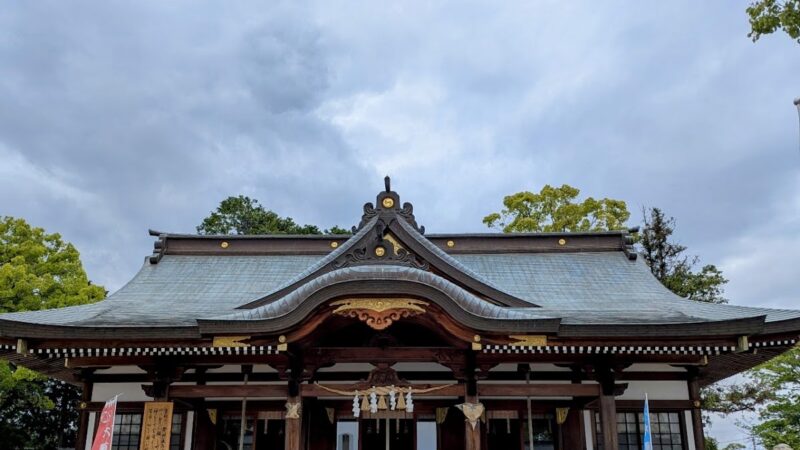
Complete Guide to Iwa Shrine | A Thorough Explanation of the History, Benefits, and Highlights of Harima Province’s Ichinomiya
Iwa Shrine, located in Ichinomiya-cho, Shiso City, Hyogo Prefecture, is a venerable shrine that has long been revered as the Ichinomiya (first-ranked shrine) of Harima Province. It is a Shikinaisha (a shrine listed in the Engishiki, an ancient Japanese legal code), a former Kokuhei Chusha (a national shrine of the second rank), and currently designated as a Beppyo Jinja (a shrine listed in the special register) of the Association of Shinto Shrines. This article provides detailed information you should know before visiting Iwa Shrine, including its history, enshrined deities, highlights of the grounds, festivals, and access information.
What is Iwa Shrine?
Iwa Shrine, as the Ichinomiya of Harima Province (present-day southwestern Hyogo Prefecture), is a highly prestigious shrine collectively known as the “Three Great Shrines of Harima,” along with Kai Shrine and Iibonimasu Amaterasu Shrine.
The shrine is located at 407 Sugyōna, Ichinomiya-chō, Shisō City, Hyogo Prefecture. It sits in a tranquil environment surrounded by lush green mountains in the upper reaches of the Ibo River. As the principal guardian deity of the region, and as a god of industrial protection, matchmaking, healing from illness, and traffic safety, it continues to attract many worshippers.
What is an Ichinomiya?
An “Ichinomiya” refers to a shrine that held the highest rank in each province under the Ritsuryo system (ancient Japanese legal and administrative system). As the highest-ranking shrine in Harima Province, Iwa Shrine received the reverence of the provincial governor from ancient times to the Middle Ages and played a role as a spiritual pillar of the region.
Deities and Divine Virtues
Main Deity
The main deity of Iwa Shrine is Ōnamuchi-no-kami. Ōnamuchi-no-kami is another name for Ōkuninushi-no-mikoto and is also called Iwa-no-Ōkami.
Ōkuninushi-no-Kami is a god of nation-building, also known as the enshrined deity of Izumo Taisha Shrine. It is said that he traveled throughout Harima Province, developing the land, promoting industry, establishing ways of life, and teaching healing techniques by establishing medical laws. According to mythology, he finally arrived in the land of Iwa, declared, “My work is complete,” and disappeared. People, revering his divine virtues, then built a shrine to him.
Enshrined Deities
Along with the main deity, the following gods are enshrined:
- Sukunahikona-no-Kami: A god who worked with Ōkuninushi-no-Kami in nation-building
- Shitateruhime-no-Kami: A child of Ōkuninushi-no-Kami
These gods all possess divine attributes related to land development, industrial promotion, and medicine, and are revered as protectors of regional prosperity and the happiness of the people.
Divine Virtues (Benefits)
Iwa Shrine is believed to offer a variety of divine virtues, including:
- Protection of Industry: Development of all industries, such as agriculture, manufacturing, and commerce
- Matchmaking: Success in finding a good partner, marital harmony
- Healing from Illness: Prayers for good health, recovery from illness
- Bringing Good Fortune: Faith as a god of good fortune
- Traffic Safety: Safe travels, prevention of traffic accidents
The shrine is particularly revered as a god of industry and matchmaking, attracting worshippers from all over Japan who pray for business prosperity and good relationships.
History of Iwa Shrine
Founding Legend
There are several theories regarding the founding of Iwa Shrine.
One theory places it in the year of the Wood Monkey (144 AD) during the reign of Emperor Seimu, while another theory places it in the 25th year of the Wood Monkey (564 AD) during the reign of Emperor Kinmei. In any case, it is undoubtedly an ancient shrine with a history of over 1400 years.
According to shrine tradition, at the time of its founding, a man named Iwa Tsunesato received a divine oracle from the great deity. He was astonished to find that overnight, the area had transformed into a sacred place overgrown with cedar and cypress trees, and cranes were soaring in the sky. Legend says that two large white cranes were sleeping facing north, and a shrine facing north was built in that location.
Ancient to Medieval Period
The Harima Province Fudoki (ancient provincial gazetteer) records the place name Iwa and the deities’ activities, indicating that it was an important center of faith in the Harima region from ancient times.
The Engishiki Jinmyocho (a list of shrines compiled in the Heian period) lists it as “Iwa-ni-imasu Oonamuchi-no-Mitama Shrine, Shisō District, Harima Province, Myōjin Taisha (a major shrine),” indicating its importance to the imperial court. Myōjin Taisha was the highest rank given to shrines considered to possess particularly remarkable spiritual power.
During the Middle Ages, the shrine suffered damage, including the burning of its buildings due to frequent wars, but it was rebuilt each time with the support of local people and feudal lords. Its divine rank also steadily increased, eventually reaching the rank of First Rank, and its status continued to rise.
Early Modern and Modern Periods
During the Edo period, it received the reverence of the Himeji Domain, and the shrine buildings were constructed and repaired. In the Meiji era, with the establishment of shrine rankings, it was ranked as a National Shrine of the Second Rank in 1871 (Meiji 4), placing it under national control.
After World War II, due to reforms in the shrine system, it was separated from national control and is now a special shrine of the Association of Shinto Shrines, continuing to be a center of faith for the local people.
Highlights of the Shrine Grounds
The grounds of Iwa Shrine contain many points of interest steeped in history and legend.
Shrine Buildings
The most distinctive feature of Iwa Shrine is its north-facing shrine buildings. While shrine main halls are typically built facing south or east, Iwa Shrine faces north, in keeping with the legend of the white cranes in its founding story.
The current main hall was constructed between the late Edo period and the Meiji era, preserving the unique architectural style of the Harima region. The magnificent shrine complex, with its connected worship hall, offering hall, and main hall, deeply impresses visitors.
Tsuruishi (Crane Stone)
The Tsuruishi (Crane Stone) located behind the main hall is an essential sacred site in the history of Iwa Shrine. According to the founding legend, this is the place where two white cranes slept, and it is revered as a sacred rock formation (iwakura).
The mystical legend of cedar and cypress trees sprouting overnight and many cranes descending continues to captivate visitors. The area around Tsuruishi is particularly sacred, and visitors can be seen quietly offering their prayers.
Nature within the Shrine Grounds
The shrine grounds are home to towering trees, some said to be hundreds of years old, and the sacred area, enveloped in a deep forest, displays beauty throughout the seasons. From cherry blossoms in spring, lush greenery in summer, vibrant autumn leaves, and snowscapes in winter, each visit offers a different experience.
Especially during the autumn foliage season, the grounds are painted in vivid reds and yellows, attracting many worshippers and tourists.
Subsidiary Shrines
In addition to the main shrine, several subsidiary shrines are located within the grounds. Each of these smaller shrines has its own unique beliefs and history, deeply intertwined with the lives of the local people.
Major subsidiary shrines include Inari Shrine, Kasuga Shrine, and Hachiman Shrine, all believed to bestow blessings such as abundant harvests, military success, and family safety. Visiting these subsidiary shrines in addition to the main shrine will enhance your pilgrimage experience.
Festivals and Annual Events
Iwa Shrine holds various festivals throughout the year.
Wind Calming Festival
Held every February, the Wind Calming Festival is a traditional festival to appease wind damage and pray for a bountiful harvest. In the Harima region, where agriculture is thriving, preventing wind damage is a matter of life and death, and this festival has been held as an important event since ancient times.
Grand Festival (Autumn Grand Festival)
Held every October, the Autumn Grand Festival is the most important festival at Iwa Shrine. In this festival, which expresses gratitude for a bountiful harvest and prays for the prosperity of the region, numerous yatai (festival floats) from the parish area enter the shrine grounds, creating a lively atmosphere.
The sight of the magnificent and opulent yatai, unique to the Harima region, parading through the streets is spectacular and provides a valuable opportunity to pass on the region’s traditional culture to the present day. The festival includes a portable shrine procession and Kagura (sacred dance) performances, attracting many worshippers and tourists.
Other Festivals
- New Year’s Day Festival (January 1st): Celebrating the New Year and praying for peace throughout the year
- Setsubun Festival (around February 3rd): Driving away evil spirits and inviting good fortune
- Summer Purification Ceremony (June 30th): Cleansing away the sins and impurities accumulated over the past six months
- Niiname-sai Festival (November 23rd): Offering new grain to the gods and giving thanks for the harvest
- Year-End Purification Ceremony (December 31st): Cleansing away the sins and impurities of the past year and preparing for the New Year
These festivals are deeply intertwined with the daily lives of the local people, demonstrating that Iwa Shrine remains a central presence in the community.
Cultural Assets
Iwa Shrine houses numerous valuable cultural assets accumulated over its long history.
Among the ancient documents and sacred treasures are important materials for understanding the history of Harima Province, and they are attracting attention from researchers. Furthermore, votive paintings and offerings from the Edo period remain, conveying the faith of the people of that time.
The shrine architecture itself is a valuable cultural heritage that conveys the traditional architectural techniques of the Harima region, and its preservation and transmission are considered crucial.
Visiting Information
Location and Access
Location
407 Sugyonaga, Ichinomiya-cho, Shiso City, Hyogo Prefecture 671-4133
Access by Train
- Take the Shinki Bus bound for “Yamazaki” or “Tokura” from JR Himeji Station and get off at “Iwa Shrine Mae” bus stop.
- Travel time: Approximately 60 minutes
Access by Car
- Approximately 10 minutes from the Yamazaki IC on the Chugoku Expressway
- Approximately 20 minutes from the Harima Shingu IC on the Harima Expressway
Parking
Free parking is available on the shrine grounds for visitors (approximately 50 spaces). However, congestion is expected during festival periods, so the use of public transportation is recommended.
Visiting Hours
Visiting the shrine grounds is generally free. However, the shrine office is usually open from 9:00 to 17:00. Those wishing to receive a Goshuin (temple/shrine stamp) or amulet are advised to visit during these hours.
Goshuin
Iwa Shrine offers Goshuin as proof of worship. The prestigious Goshuin of Harima Province’s Ichinomiya (first-ranked shrine) will be a valuable item for those collecting Goshuin.
Nearby Sightseeing
The area surrounding Iwa Shrine is dotted with the rich natural beauty and historical sites of Shiso City.
- Mikata Shrine: An ancient shrine closely associated with Iwa Shrine
- Mogamiyama Park Momijiyama: Known as a famous spot for autumn foliage
- Hara Fudo Falls: A famous waterfall selected as one of Japan’s Top 100 Waterfalls
- Akanishi Valley: A scenic spot surrounded by clear streams and greenery
By visiting these tourist spots in conjunction with your visit to Iwa Shrine, you can more deeply appreciate the charm of Shiso City.
Iwa Shrine and the Harima Province’s Local History
The “Harima Province Local History” is a geographical record compiled during the Nara period, detailing the geography, products, and traditions of Harima Province. Within it, the origin of the place name Iwa and the deities of the great god are recounted, revealing the ancient importance of Iwa Shrine.
According to the local history, the area came to be called “Iwa” because the great god said “Iwa” (or “Iwau”). This deep connection between the place name and the shrine demonstrates that Iwa Shrine has been a central part of the region’s identity since ancient times.
The Charm of Iwa Shrine and Guidelines for Visiting
The greatest charm of Iwa Shrine lies in its history and traditions, preserved for over 1400 years, and its continued central role in the lives and faith of the local people.
The north-facing shrine building, the legend of the crane stone, and the mystical founding story of how it became a sacred site overnight leave a deep impression on visitors. Standing within the shrine grounds, you can feel the passage of time and the presence of the gods close at hand.
To make your visit more fulfilling, please keep the following points in mind:
- Worship with a calm heart: The shrine grounds are a sacred place. Please worship with reverence and without making noise.
- Observe the correct worship etiquette: Two bows, two claps, and one bow are the basics.
- Respect the nature of the shrine grounds: Please be careful not to damage the trees and plants.
- Photography etiquette: Photography is prohibited in some areas, such as inside the main hall. Please follow the signs.
- Respect local festivals: During festival periods, please respect the local traditions and observe proper etiquette as a visitor.
Summary
Iwa Shrine boasts a long history and prestige as the Ichinomiya (first-ranked shrine) of Harima Province, and is known for its diverse divine blessings, including protection of industry, matchmaking, and healing from illness. With its north-facing shrine buildings and the legend of the crane stone, Iwa Shrine possesses unique characteristics, and the spirit of ancient faith remains strongly present within its grounds.
The festivals held throughout the year, such as the Wind Calming Festival and the Autumn Grand Festival, are valuable opportunities to pass on the region’s traditional culture, attracting many people.
When visiting Shiso City in Hyogo Prefecture, be sure to visit Iwa Shrine and experience its long history and the divine virtues of its gods. You will find purification of mind and renewed vitality in its tranquil grounds. As a spiritual pillar of Harima Province, Iwa Shrine will undoubtedly continue to attract the faith and reverence of many people.