A Complete Guide to Tenjin Shrines: A Thorough Explanation of History, Origin, Blessings, and Famous Tenjin Shrines Nationwide
Tenjin shrines are one of the many shrines found throughout Japan, primarily dedicated to Sugawara no Michizane, known as the god of learning. This article provides a comprehensive explanation of Tenjin shrines, from basic knowledge to representative shrines throughout Japan, how to worship, and the blessings they offer.
What is a Tenjin Shrine? Basic Knowledge and History
Definition and Origin of Tenjin Shrines
Tenjin shrines (Tenjin Jinja) are a general term for shrines that enshrine Sugawara no Michizane, affectionately known as Tenjin-sama, as their main deity. While there are various regional names such as “Tenmangu,” “Tenjin Shrine,” and “Tenman Jinja,” they all share the commonality of enshrining Sugawara no Michizane.
Sugawara no Michizane was a nobleman and scholar of the Heian period, known for his outstanding scholarship and political acumen. However, due to slander from political enemies, he was exiled to Dazaifu and died in despair in 903. Following a series of natural disasters in Kyoto, Kitano Tenmangu Shrine was founded to appease the vengeful spirit of Sugawara no Michizane, marking the beginning of Tenjin worship.
Spread of Tenjin Worship
Tenjin worship spread throughout Japan from the mid-Heian period, and it is said that there are currently approximately 12,000 Tenjin shrines and Tenmangu shrines throughout the country. Especially during the Edo period, with the spread of terakoya (private temple schools), the worship of Tenjin as the god of learning became widespread among ordinary people.
Benefits and Faith of Tenjin Shrines
Main Benefits
The main benefits of Tenjin shrines are as follows:
Academic Success and Prayer for Passing Exams
Because Sugawara no Michizane was an excellent scholar, students and those taking exams visit the shrine to pray for success in their studies and passing exams. The shrines are particularly crowded during exam season.
Improvement in Literary and Performing Arts
Because Michizane was also an excellent poet and man of letters, he is worshipped by people who wish to improve their skills in literature and performing arts.
Protection from Misfortune and Disaster
Due to its history of being founded to appease vengeful spirits, it is believed to offer protection from misfortune and disaster.
Virtue of Sincerity and Honesty
Many worshippers pray to cultivate an honest and sincere heart, inspired by Michizane’s sincere character.
Symbols of Tenjin Shrine
Plum Blossoms
Because Michizane loved plum blossoms, many Tenjin shrines have plum trees planted, and the plum blossom crest is used as the shrine’s emblem. Michizane’s waka poem, “When the east wind blows, send forth your fragrance, plum blossoms; do not forget spring, even though your master is gone,” is particularly famous.
Ox Statues
Many Tenjin shrines have statues of oxen called “Nade-ushi” (stroking oxen). There are several legends surrounding Sugawara no Michizane and oxen, and there is a belief that stroking the same part of the ox’s body as the part of one’s own body that is ailing will bring healing.
Representative Tenjin Shrines Nationwide
Tenjin Shrines in the Fukuoka Area
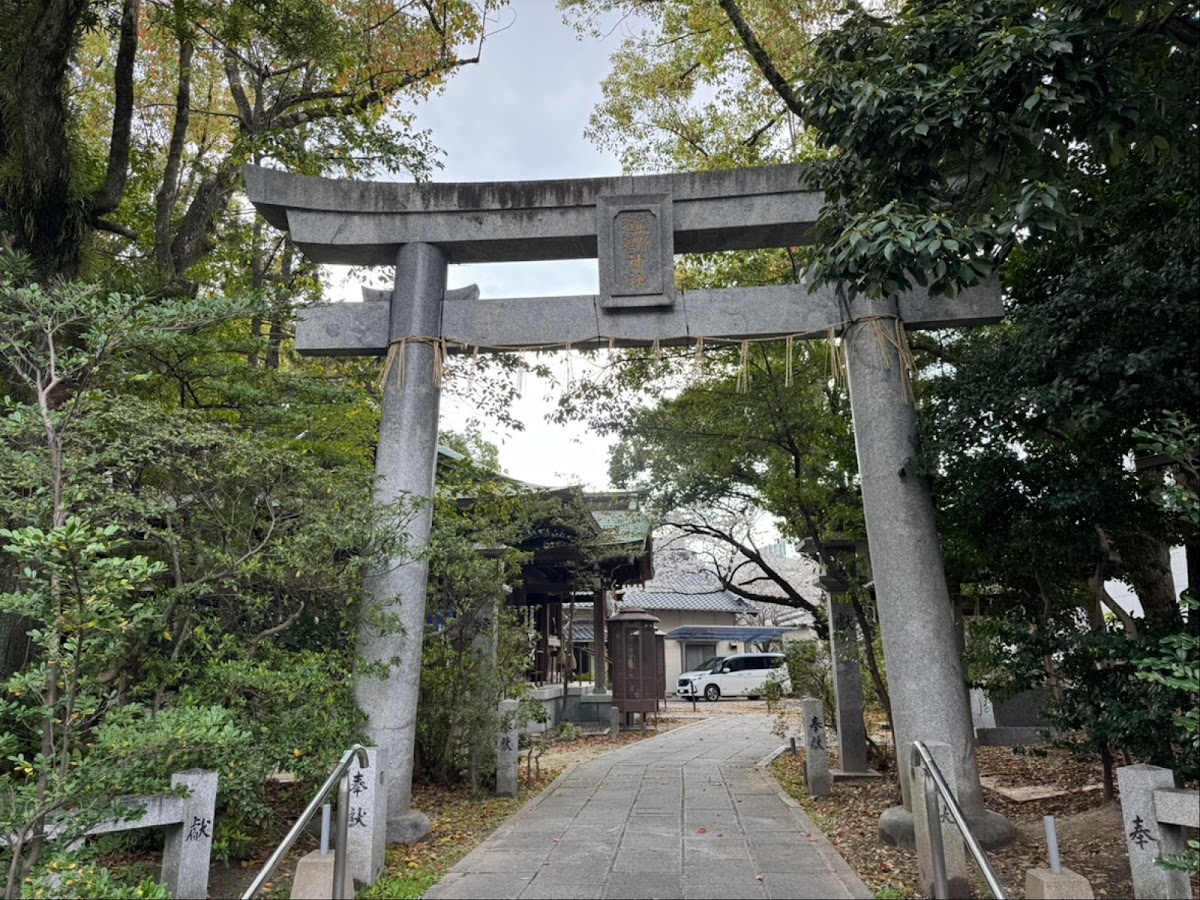
Suikyō Tenmangu Shrine (Chuo-ku, Fukuoka City)
This shrine is the origin of the name of “Tenjin,” Fukuoka City’s bustling downtown area. Located in the heart of Tenjin, Kyushu’s largest downtown area, it is known as an urban oasis nestled quietly amidst the skyscrapers.
It is said that the name “Suikyō” (water mirror) comes from a legend that Sugawara no Michizane, who was exiled to Dazaifu, saw his haggard reflection in the river’s surface. The shrine grounds are spacious and maintain a tranquil atmosphere despite being in the middle of the city.
Access
- Approximately 5 minutes on foot from Nishitetsu Fukuoka Tenjin Station
- Approximately 3 minutes on foot from Tenjin Station on the Fukuoka City Subway
Dazaifu Tenmangu Shrine (Dazaifu City)
One of the head shrines of the approximately 12,000 Tenmangu shrines nationwide, the shrine buildings are built on the tomb of Sugawara no Michizane. It is a representative tourist spot in Kyushu, attracting approximately 8 million visitors annually.
The shrine grounds have approximately 6,000 plum trees, and the plum blossoms are in full bloom from late January to early March. There are also many historical buildings, including the main hall (a National Treasure) and the gatehouse (an Important Cultural Property).
Tenjin Shrines in the Kyoto Area
Kitano Tenmangu Shrine (Kamigyo Ward, Kyoto City)
Founded in 947, it is the head shrine of Tenmangu shrines and the center of Tenjin worship throughout Japan. Parts of the earthen ramparts built by Toyotomi Hideyoshi remain, and there are many historically valuable buildings, including the main hall (a National Treasure) and the worship hall (an Important Cultural Property).
On the 25th of every month, “Tenjin-san Day,” an antique market is held on the grounds, attracting many visitors. Furthermore, visitors can enjoy the beautiful scenery of each season, such as the opening of the plum garden from February to March and the autumn foliage illumination.
Tenjin Shrine (Kyotanabe City, Kyoto Prefecture)
Located in the “Tea of Kyoto” area, Tenjin Shrine enshrines a divided spirit of Okada Kuni Shrine, which boasts a history of over 300 years. Due to its mystical atmosphere, it has recently become a popular spot for photography.
Tenjin Shrines in the Kanto Area
Yushima Tenmangu Shrine (Yushima Tenjin) (Bunkyo Ward, Tokyo)
A representative Tenjin shrine in Tokyo, it is said to have been founded in 458. Known affectionately as “Yushima Tenjin” since the Edo period, it attracts many students preparing for exams as a shrine dedicated to the god of learning.
The “Plum Blossom Festival,” held from February to March, is a springtime tradition in Tokyo, with approximately 300 plum trees in full bloom. From the shrine grounds, you can also enjoy a panoramic view of Tokyo.
Access
- Approximately 2 minutes’ walk from Yushima Station on the Tokyo Metro Chiyoda Line
- Approximately 5 minutes’ walk from Ueno-Hirokoji Station on the Tokyo Metro Ginza Line
- Approximately 8 minutes’ walk from JR Okachimachi Station
Tenjin Shrines in the Nara Area
Tenjin Shrine (Ando-cho, Nara Prefecture)
Located in Kubota, Ando-cho, Nara Prefecture, Tenjin Shrine is a small shrine dedicated to Amatsuhikohikoho Ninigi-no-Mikoto. During the Edo period, it was known as “Sage Daimyojin.”
It is said that in 1505, by order of Tsutsui Junsei, the Gobai-gu shrine, the tutelary shrine of the Tsutsui clan located within Tsutsui Castle, was moved and made the tutelary shrine of the Kubota clan, who were related to the Tsutsui clan. As a shrine deeply intertwined with the history of the region, it remains cherished by the local people today.
Related Shrines and Temples to Tenjin Shrine
Kego Shrine (Tenjin, Chuo-ku, Fukuoka City)
This shrine, located in Tenjin, Chuo-ku, Fukuoka City, is known for its blessings of protection against evil and good fortune. It boasts a prime location right in front of Nishitetsu Fukuoka Tenjin Station, and as its name suggests, it is believed to protect oneself and loved ones from evil.
Amidst the commercial facilities of the Tenjin area, it is a beloved urban oasis, popular with citizens as a place to easily visit during shopping or work breaks.
Kushida Shrine (Hakata Ward, Fukuoka City)
Kushida Shrine, known as the guardian shrine of Hakata, is famous as the stage for the Hakata Gion Yamakasa festival. Easily accessible from the Tenjin area, it’s an important shrine where you can feel the history and culture of Hakata.
The shrine grounds permanently display the decorative floats used in the Hakata Gion Yamakasa festival, allowing visitors to experience the power of the floats even outside of the festival season.
Hakozaki Shrine (Higashi Ward, Fukuoka City)
Hakozaki Shrine, counted as one of Japan’s three great Hachiman shrines, is known as the “god of victory.” In particular, the “Hojo-e” festival held in September is one of Hakata’s three major festivals and attracts many worshippers.
Koun Shrine (Chuo Ward, Fukuoka City)
This shrine enshrines Kuroda Kanbei (Kuroda Josui), a famous military strategist of the Sengoku period, and Kuroda Nagamasa, who played an active role in the Battle of Sekigahara. Located near Ohori Park, this shrine is popular with history buffs due to its connection to the Kuroda family, the lords of the Fukuoka domain.
One of its highlights is the painting of a red-crowned crane on the ceiling of the main hall, symbolizing good fortune. It is also known for its beautiful goshuin (shrine stamps) and amulets.
Access
- Approximately 14 minutes on foot from Ohori Park Station on the Fukuoka City Subway
- Approximately 7 minutes on foot from the Minato Post Office bus stop (Nishitetsu Bus)
How to Visit and Etiquette at Tenjin Shrine
Basic Worship Etiquette
How to Pass Through the Torii Gate
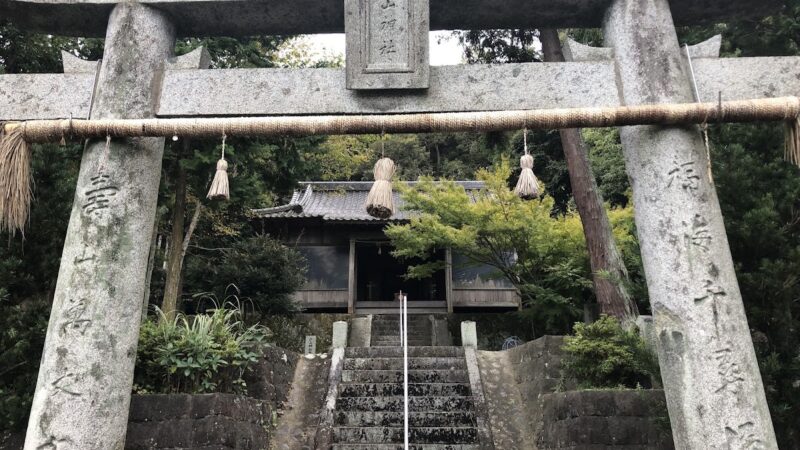
The torii gate is the entrance to the sacred area. Bow before passing through, and walk along the sides of the path, as the center is considered the path of the gods.
How to Purify Yourself at the Water Basin
- Hold the ladle in your right hand and purify your left hand.
- Switch the ladle to your left hand and purify your right hand.
- Switch the ladle back to your right hand, receive water in your left hand, and rinse your mouth.
- Purify your left hand once more.
- Hold the ladle upright, purify the handle, and return it to its original position.
How to Worship at the Main Hall
- Gently place your offering in the offering box.
- If there is a bell, ring it.
- Perform the two bows, two claps, and one bow (bowing deeply twice, clapping twice, and bowing deeply once).
How to Obtain a Goshuin (Shrine Stamp)
A Goshuin is a stamp written directly by the shrine as proof of your visit. Bring your Goshuincho (stamp book) and politely request one at the shrine office or reception. Having a small offering (around 300-500 yen) ready will make the process smoother.
Tenjin Shrine’s goshuin (seal stamps) often feature plum blossoms and the characters for “Tenmangu,” and each shrine has its own unique design.
Amulets and Ema (votive tablets)
At Tenjin Shrine, amulets for academic success and passing exams are particularly popular. You can also write your wishes on ema and dedicate them. Ema often feature designs of cows and plum blossoms.
Tourist Spots Around Tenjin Shrine
Fukuoka/Tenjin Area
Shopping Facilities
The Tenjin area is Kyushu’s largest shopping district, with a large concentration of commercial facilities. Tenjin Underground Shopping Mall, Solaria Plaza, Fukuoka Parco, and other shopping destinations are all within walking distance.
Gourmet Spots
There are many restaurants where you can enjoy Fukuoka’s local cuisine, such as Hakata ramen, motsunabe (offal hot pot), and mizutaki (chicken hot pot). Hidden cafes and restaurants are scattered throughout the Imaizumi area.
Cultural Facilities
Fukuoka City Museum of Art, Fukuoka Asian Art Museum, and other art appreciation facilities are also abundant. Furthermore, there are nearby urban relaxation spots such as Tenjin Central Park and Ohori Park.
Transportation Access and Parking Information
Public Transportation The Tenjin area of Fukuoka has excellent public transportation, including Nishitetsu Fukuoka Tenjin Station, Fukuoka City Subway Tenjin Station, and Nishitetsu buses. It’s easily accessible from Hakata Station, about 5 minutes by subway and 10 minutes by bus.
Parking While there are many paid parking lots in the Tenjin area, they are often crowded on holidays, so using public transportation is recommended. Many shrines do not have their own parking lots, so you will need to use nearby coin-operated parking lots.
Annual Events at Tenjin Shrine
Main Festivals and Events
Hatsumode (January 1st-3rd) This is the busiest time of year for New Year’s visitors. Many students visit to pray for success in their exams and academic achievements.
Plum Blossom Festival (February-March)
Many Tenjin shrines hold plum blossom festivals around February 25th, the anniversary of Sugawara no Michizane’s death. Various Shinto rituals and events are held in the shrine grounds, which are filled with blooming plum blossoms.
Tenjin Festival (July 24th-25th)
The Tenjin Festival held at Osaka Tenmangu Shrine in Osaka is famous as one of Japan’s three major festivals, but summer festivals are also held at Tenjin shrines throughout the country.
Chrysanthemum Exhibition (October-November)
Many shrines hold chrysanthemum exhibitions in the autumn, allowing visitors to admire the beautiful chrysanthemums.
Tenjin-ko (25th of each month)
Since the 25th is both the birthday and death anniversary of Sugawara no Michizane, the 25th of each month is designated as “Tenjin-san’s Day,” with special Shinto rituals and markets being held.
How to Enjoy Visiting Tenjin Shrine
Seasonal Highlights
Spring (February-April)
This is the most beautiful season, when plum blossoms are in full bloom. Early-blooming varieties can be enjoyed from late January, while late-blooming varieties can be enjoyed until March. Visiting the shrine while surrounded by the fragrance of plum blossoms is a special experience.
Summer (June-August)
The fresh greenery is beautiful, and the shrine grounds are enveloped in a cool atmosphere. Some shrines hold summer festivals and nighttime visits.
Autumn (September-November)
This is a beautiful season for autumn leaves. In particular, Kitano Tenmangu Shrine in Kyoto opens its “Maple Garden” to the public, where approximately 350 maple trees change color. Chrysanthemum exhibitions are also held, allowing visitors to enjoy the autumn atmosphere.
Winter (December-January)
The shrine is bustling with many visitors during the New Year’s visit period. Furthermore, with the exam season approaching, numerous ema (votive tablets) praying for success are offered.
Attractiveness as a Photo Spot
Tenjin Shrine is also a popular photo spot, harmoniously blending historical buildings and natural beauty. Especially during the plum blossom season, many photos are posted on social media such as Instagram.
There are many photogenic spots, including the statue of the ox (Nade-ushi), plum trees, and the vermilion-lacquered shrine buildings. However, please be mindful of other visitors and observe proper etiquette when taking photos.
Tenjin Shrine and Japanese Culture
History of the Faith in Learning
Tenjin worship is central to the faith in learning in Japan. During the Edo period, it spread widely among ordinary people along with the proliferation of terakoya (temple schools). Even today, during exam season, Tenjin shrines throughout Japan are constantly visited by people praying for success.
Connection to Literature and Art
Sugawara no Michizane was also an excellent Chinese poet and waka poet, leaving behind many waka and Chinese poems. Therefore, Tenjin Shrines have been worshipped as the god of literature and art, and many writers and artists have visited them.
There are also works in Kabuki and Joruri that feature Sugawara no Michizane as their subject, and “Sugawara Denju Tenarai Kagami” is a popular play that is still performed today.
Center of the Local Community
Tenjin Shrines have functioned not only as places of worship but also as the center of local communities. They are deeply rooted in the lives of local people, hosting festivals and markets, and serving as playgrounds for children.
Even today, many Tenjin Shrines serve as oases in urban areas, providing a place of relaxation for citizens, maintaining tranquility despite being located in business districts, and offering peace of mind.
Summary: The Charm and Significance of Tenjin Shrines
Tenjin Shrines represent a traditional Japanese form of faith with a history of over 1000 years, and are still beloved by many people today as the god of learning. Tenjin Shrines scattered throughout Japan each have their own unique characteristics and are deeply connected to the history and culture of their respective regions.
Major Tenjin shrines, such as Suikyō Tenmangū and Dazaifu Tenmangū in Fukuoka, Kitano Tenmangū in Kyoto, and Yushima Tenjin in Tokyo, are all popular tourist destinations where visitors can enjoy beautiful scenery throughout the seasons.
Tenjin shrines are worth visiting not only for students praying for success in exams, but also for those who want to experience traditional Japanese culture, appreciate historical buildings and natural beauty. Leaving the hustle and bustle of the city and finding peace in the tranquil grounds can lead to new insights and renewed energy.
A “Tenjin pilgrimage,” visiting Tenjin shrines throughout Japan, is also a wonderful way to experience history and culture. Why not discover the unique charm of each shrine and touch upon the depth of Japanese spiritual culture?