Complete Guide to Fukoji Temples: A Thorough Explanation of Famous Temples Nationwide, from Rock-Carved Buddhas to Access Information
There are several temples named “Fukoji” throughout Japan, each possessing its own unique history and cultural assets. This article comprehensively explains the historical background, highlights, and access information for the particularly famous Fukoji temples in Bungo-Ono City, Oita Prefecture; Minamiuonuma City, Niigata Prefecture; Okazaki City, Aichi Prefecture; Hiki District, Saitama Prefecture; and Omuta City, Fukuoka Prefecture.
What is Fukoji Temple?: Origin of the Name and Nationwide Distribution
The temple name “Fukoji” means “to emit light universally” in Buddhism and is used by temples of various sects, including Shingon and Jodo Buddhism. Because temples with the same name exist throughout Japan, each region has a history of developing its own unique faith and culture.
This article will introduce the characteristics and attractions of each Fukoji temple, focusing on those that are particularly noteworthy as tourist destinations.
Fukoji Temple, Bungo-Ono City, Oita Prefecture: Japan’s Largest Rock-Carved Buddha
Overview of the Fukoji Rock-Carved Buddha
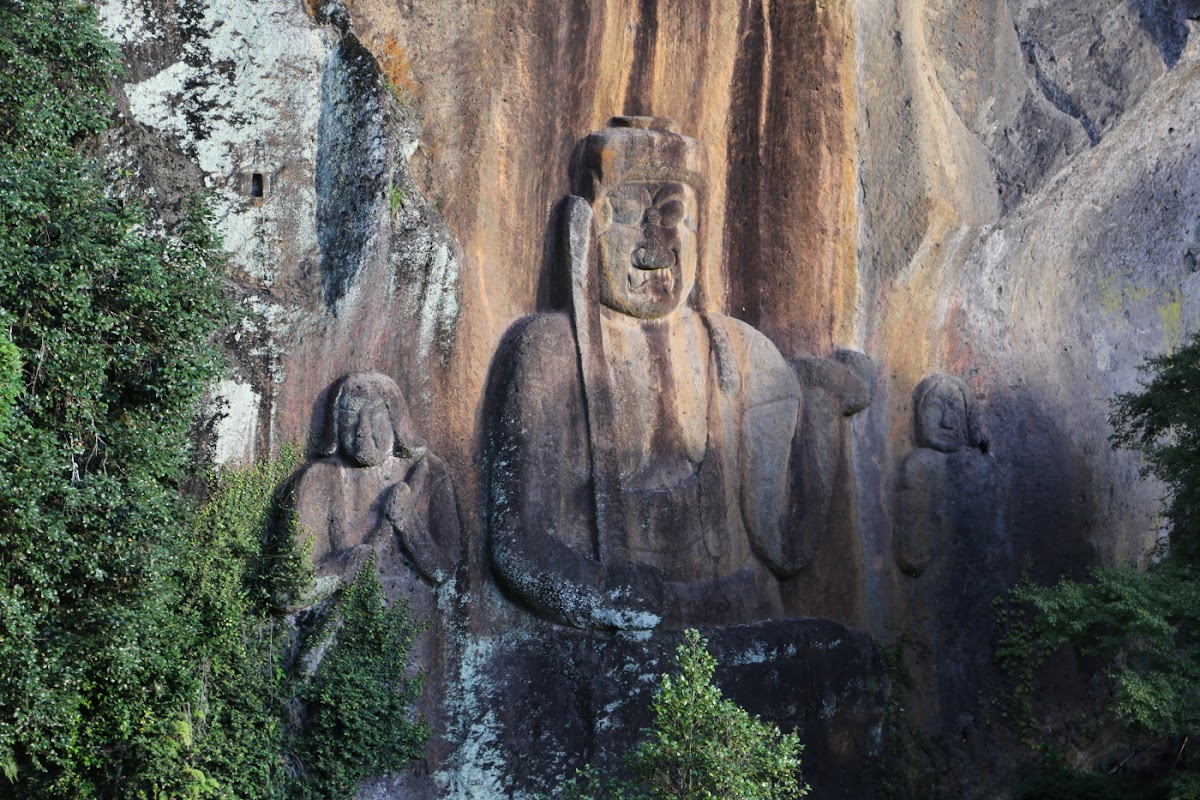
Fukoji Temple, located in Bungo-Ono City, Oita Prefecture, is a training ground for esoteric Buddhism, known for having one of Japan’s largest rock-carved Buddhas. The Fudo Myoo statue, carved directly into the cliff face, boasts a height of 11.3 meters, and its imposing presence overwhelms visitors.
History and Cultural Background
Fukoji Temple flourished as a training ground for esoteric Buddhism from the Heian period to the Kamakura period. The temple grounds, surrounded by steep rock walls, were a place where ascetic monks underwent rigorous training, and it still retains a strong sacred atmosphere.
Characteristics of the Rock-Carved Buddha
The Fukoji rock-carved Buddha is a triad, with Fudo Myoo in the center and two attendant figures on either side. The carving technique, utilizing the natural rock surface, speaks to the high level of stonemasonry skill of the time. In particular, the wrathful expression of Fudo Myoo (Acala) is intricately carved down to the smallest detail, leaving a strong impression on the viewer.
Famous Hydrangea Spot
Approximately 4,000 hydrangea plants are planted within the grounds of Fukoji Temple, and their vibrant flowers bloom profusely from June to July. The contrast between the rock-carved Buddha and the hydrangeas makes it a popular spot for photography.
Access Information
- Address: Kamiotsuka, Asaji-machi, Bungo-Ono City, Oita Prefecture
- Phone Number: 0974-72-1111 (Bungo-Ono City Tourism Association)
- Access: Approximately 10 minutes by car from Asaji Station on the JR Hohi Main Line, approximately 30 minutes from the Oita Mera IC on the Higashi-Kyushu Expressway
- Parking: Free parking available
- Visiting Hours: Grounds are freely accessible
- Admission Fee: Free
Nearby Attractions
Around Fukoji Temple, there are many tourist attractions in Bungo-Ono City, including Harajiri Falls, Yosaku Park, and Inazumi Underwater Limestone Cave. It is also positioned as one of the highlights of the Kyushu Olle Okubungo Course and is popular with tourists who enjoy trekking.
Fukoji Temple, Minamiuonuma City, Niigata Prefecture: An Ancient Temple Associated with Uesugi Kenshin
Urasa Bishamondo and Fukoji Temple
Fukoji Temple, located in Urasa, Minamiuonuma City, Niigata Prefecture, is a Shingon sect temple of the Buzan school, and its principal image is the Dainichi Nyorai of the Vajradhatu Mandala. It is believed to have been built as the head temple of the adjacent Urasa Bishamondo, and the two are closely related.
Historical Background
Bishamondo is said to have been founded in 807 (Daido 2), and Fukoji Temple played an important role as its managing temple. During the Sengoku period, it is known that famous generals such as Uesugi Kenshin, Uesugi Kagekatsu, and Naoe Kanetsugu visited to pray for victory in battle.
Naked Sumo Wrestling Festival
The “Naked Sumo Wrestling Festival,” held annually on March 3rd, is a traditional event designated as a National Important Intangible Folk Cultural Property. This magnificent festival, in which hundreds of men in loincloths push and shove each other, has a history of over 1,200 years and is held to pray for a bountiful harvest and good health.
Highlights of the Temple Grounds
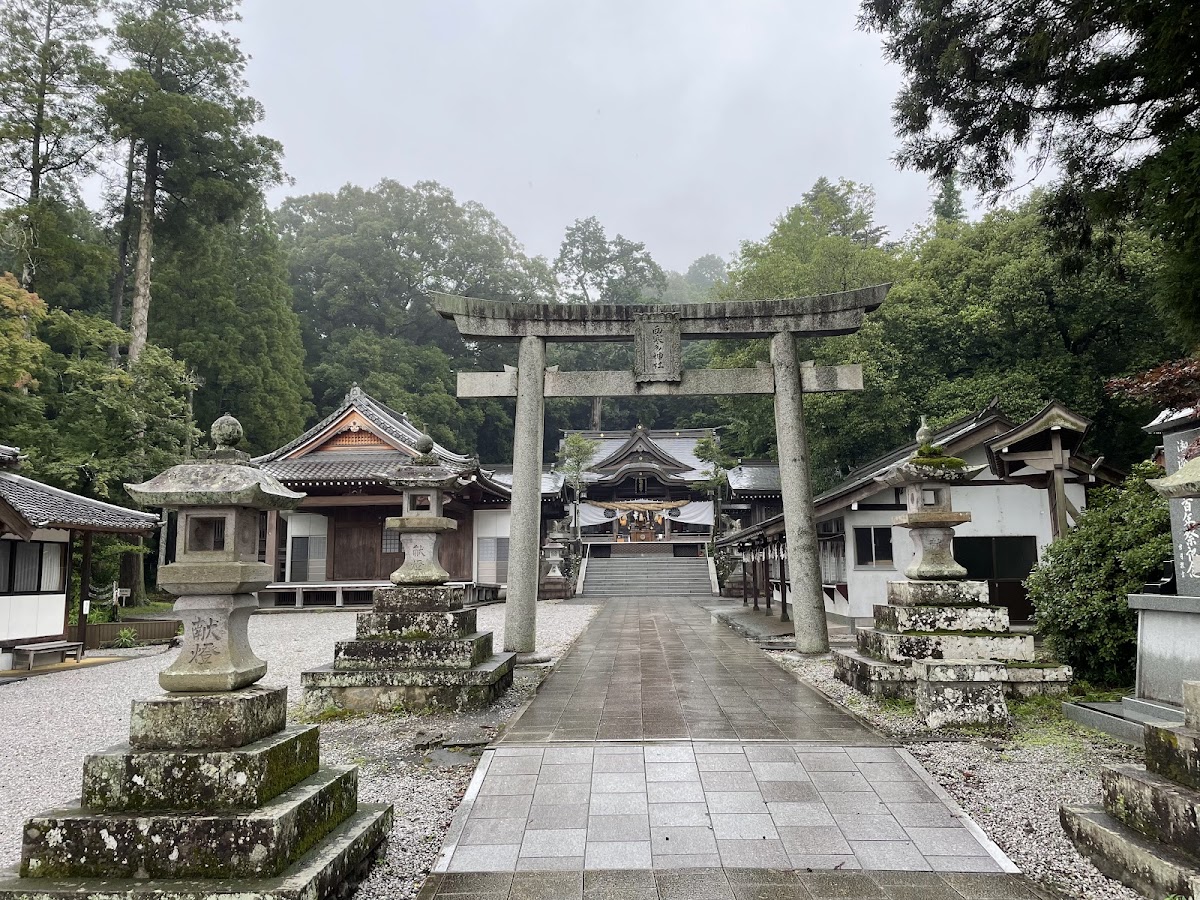
The grounds of Fukoji Temple house the main hall, which retains the architectural style of the Edo period, and valuable Buddhist statues and paintings. In particular, the statue of Bishamonten attracts many worshippers.
Access Information
- Address: 2495 Urasa, Minamiuonuma City, Niigata Prefecture
- Phone Number: 025-777-2600
- Access: 5-minute walk from Urasa Station on the JR Joetsu Line, approximately 10 minutes from Muikamachi IC on the Kan-etsu Expressway
- Parking: Free parking available
- Visiting Hours: Grounds are open freely (reservations required for viewing the main hall)
Perpetual Memorial Graves and Cemetery Plots for Sale
Fukoji Temple offers perpetual memorial graves and cemetery plots for sale, providing peace of mind for those concerned about successors. Please see our website or contact us directly for details.
Fukoji Temple in Okazaki City, Aichi Prefecture: An Ancient Temple Known for its Kitadaibutsu (Northern Buddha)
Origin of the Kitadaibutsu (Northern Buddha)
Fukoji Temple in Okazaki City, Aichi Prefecture, is famous for its golden Buddha statue, affectionately known as the “Kitadaibutsu” (Northern Buddha). This large Buddha statue is known locally as “Kita no Daibutsu” (Kita’s Great Buddha) and is a center of faith in northern Okazaki City.
Temple Characteristics
Fukoji Temple is located in a quiet residential area, offering a peaceful atmosphere for worship. The temple grounds are well-maintained, and seasonal flowers delight visitors.
Access Information
- Address: Kitano-cho, Okazaki City, Aichi Prefecture
- Access: Approximately 15 minutes by bus or car from Higashi-Okazaki Station on the Meitetsu Nagoya Main Line
- Parking: Available
Fukoji Temple in Ogawa-machi, Hiki-gun, Saitama Prefecture: A Sacred Site for Warding Off Evil
Temple for Prayers for Warding Off Evil
Fukoji Temple, located in Ogawa-machi, Hiki-gun, Saitama Prefecture, is known as a place for prayers for warding off evil and protection against misfortune. It is a trusted temple in the community, attracting many worshippers every year seeking protection from evil.
Setsubun Festival and Exorcism Ceremony
Every year on Setsubun, a grand exorcism ceremony (bean-throwing) is held, attracting many local residents and worshippers. Lucky beans and lucky rice cakes are scattered, and it has become a well-established traditional event to pray for good health and protection from illness throughout the year.
Goma Prayer Ceremony
Fukoji Temple regularly holds Goma prayer ceremonies, with many people participating to pray for family safety, business prosperity, academic success, and more. The New Year’s Grand Goma Prayer Ceremony is particularly grand.
Access Information
- Address: Ogawa-machi, Hiki-gun, Saitama Prefecture
- Access: Approximately 10 minutes by car from Ogawa-machi Station on the Tobu Tojo Line, approximately 15 minutes from the Ranzan-Ogawa Interchange on the Kan-Etsu Expressway
- Parking: Available
Information on Unlucky Years and Directional Protection
Fukoji Temple’s website publishes an annual chart of unlucky years and information on directional protection, allowing you to check your own unlucky year. We recommend checking beforehand before visiting.
Fukoji Temple, Omuta City, Fukuoka Prefecture: A Temple Rooted in the Community
Fukoji Temple, Omuta City
Fukoji Temple, located in Omuta City, Fukuoka Prefecture, is a temple beloved by local residents, supporting their daily religious lives. It values its connection with the community through memorial services, funerals, and various other memorial services.
Access Information
- Address: Omuta City, Fukuoka Prefecture
- Phone Number: Please contact the Cultural Properties Section of Omuta City Hall
- Access: Approximately 10 minutes by car from Omuta Station on the JR Kagoshima Main Line
Fukoji Temple, Yokohama City, Kanagawa Prefecture: Izumi-no-Oka Kannon Cemetery
Koyasan Shingon Sect Koozan Fukoji Temple
Fukoji Temple, located in Yokohama City, Kanagawa Prefecture, is a temple of the Koyasan Shingon sect and offers a new type of cemetery called “Izumi-no-Oka Kannon Cemetery.” ### Features of Izumi-no-Oka Kannon Cemetery
Izumi-no-Oka Kannon Cemetery was established as a perpetual memorial grave where even those who are worried about successors can rest assured about their loved ones’ well-being. It offers a form of memorial service that suits modern lifestyles.
Pet Cemetery
Fukoji Temple also provides a cemetery for pets, who are considered members of the family, allowing you to respectfully commemorate your beloved pet.
Access Information
- Address: Yokohama City, Kanagawa Prefecture
- Homepage: http://www.fukouji.jp/
- Access: Please check the homepage for details.
Points to Note When Visiting Fukouji Temple
Temple Visiting Manners
When visiting a temple, please observe the following basic manners:
- Bow at the main gate before entering the temple grounds.
- Quietly join your hands in prayer at the main hall.
- Take photographs only in designated areas.
- Do not speak loudly on the temple grounds.
- Always take your trash with you.
About Goshuin (Temple Seals)
Many Fukouji temples offer Goshuin. Bring your Goshuincho (stamp book) and politely request one at the temple office or sutra copying office. Remember that Goshuin are proof of your visit, not a collection item.
Seasonal Highlights
- Spring: A beautiful season with cherry blossoms and fresh greenery. The plants and trees in the temple grounds are budding, creating a refreshing atmosphere.
- Summer: Hydrangeas are in full bloom at Fukoji Temple in Oita Prefecture. Enjoy a peaceful visit in the cool temple grounds.
- Autumn: Autumn leaves adorn the temple grounds, allowing you to enjoy a tranquil atmosphere.
- Winter: Visiting the temple amidst a snowy landscape is a special experience. Popular for New Year’s visits to the temple
Tourist Information around Fukoji Temple
Around Bungo-Ono City, Oita Prefecture
- Harajiri Falls: A 120-meter-wide waterfall known as the “Niagara of the East”
- Inazumi Underwater Limestone Cave: One of Japan’s largest underwater limestone caves
- Oka Castle Ruins: A national historical site located in Taketa City
Around Minamiuonuma City, Niigata Prefecture
- Hakkaisan: One of Japan’s three major Yakushi temples; popular for hiking and ropeway rides
- Uonuma no Sato: Enjoy tours of Hakkaisan sake breweries and local cuisine
- Shiozawa-juku Makinodori: A streetscape that retains the atmosphere of a post town in a snowy region
Summary: The Charm of Visiting Fukoji Temples
Fukoji temples throughout Japan each possess their own unique history and culture, supporting local faith. From Oita Prefecture’s largest cliffside Buddha statue to Niigata Prefecture’s temple associated with Uesugi Kenshin, Aichi Prefecture’s Kitadaibutsu (Great Buddha of Kita), and Saitama Prefecture’s sacred site for warding off evil, each temple offers a unique and worthwhile experience.
Temple pilgrimages are more than just sightseeing; they offer a precious opportunity to connect with Japanese history, culture, and the faith of its people. You can find peace of mind in the tranquil temple grounds, escaping the hustle and bustle of everyday life and finding time for self-reflection.
Access information and visiting hours for each temple may change, so it’s recommended to check the latest information on each temple’s website or by phone before your visit. Also, general visits may be restricted during religious services and events, so prior confirmation is essential.
A journey visiting the various temples scattered throughout Japan will be a fulfilling experience, allowing you to enjoy the local culture and nature while seeking inner peace. We encourage you to embark on a pilgrimage to these temples.