Complete Guide to Chogenji Temples: A Summary of History, Grounds, and Access Information for Chogenji Temples Nationwide
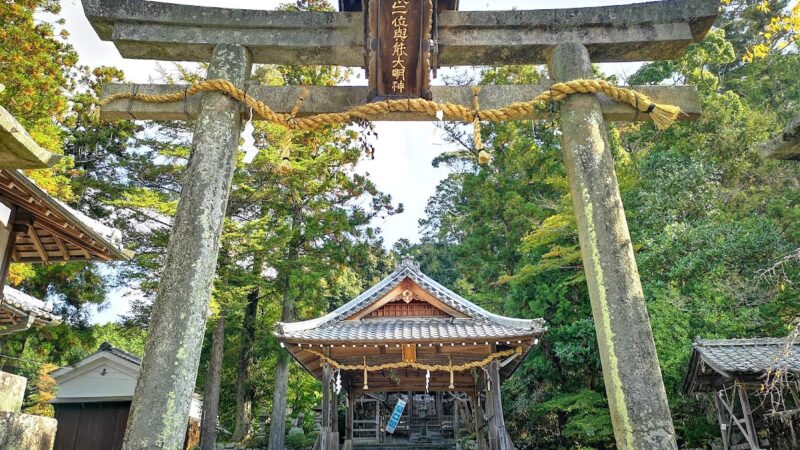
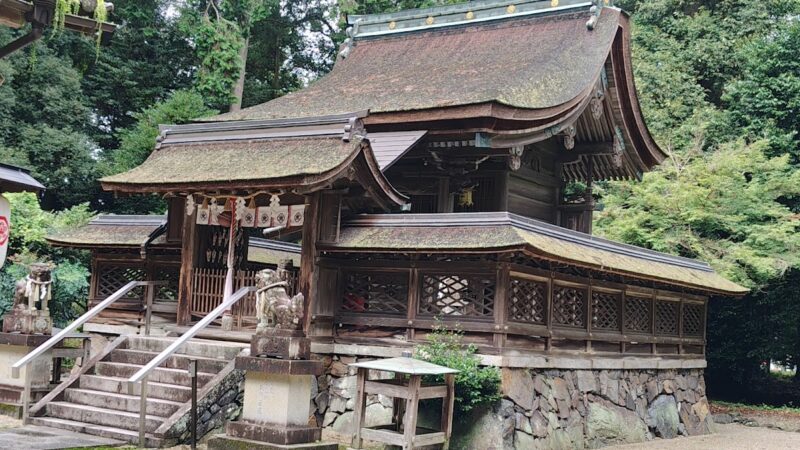
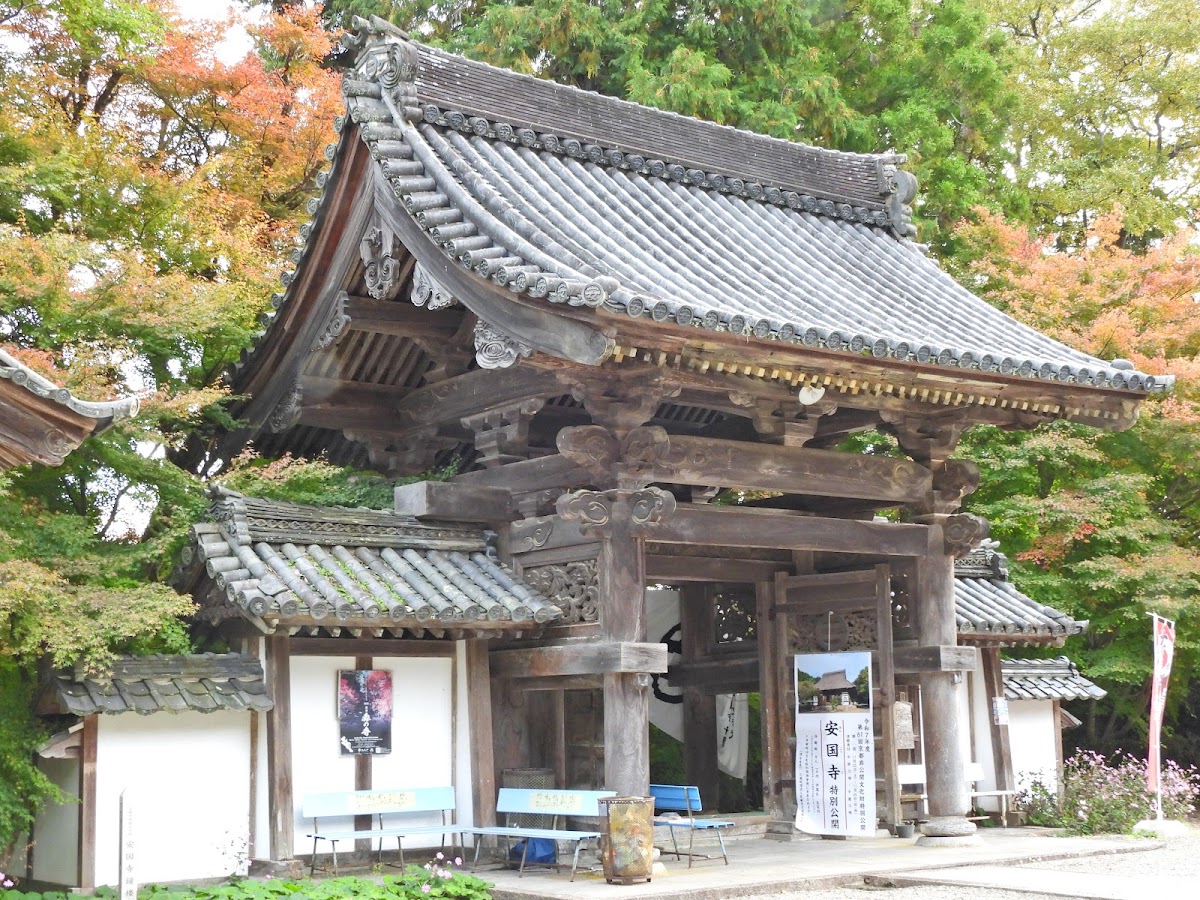
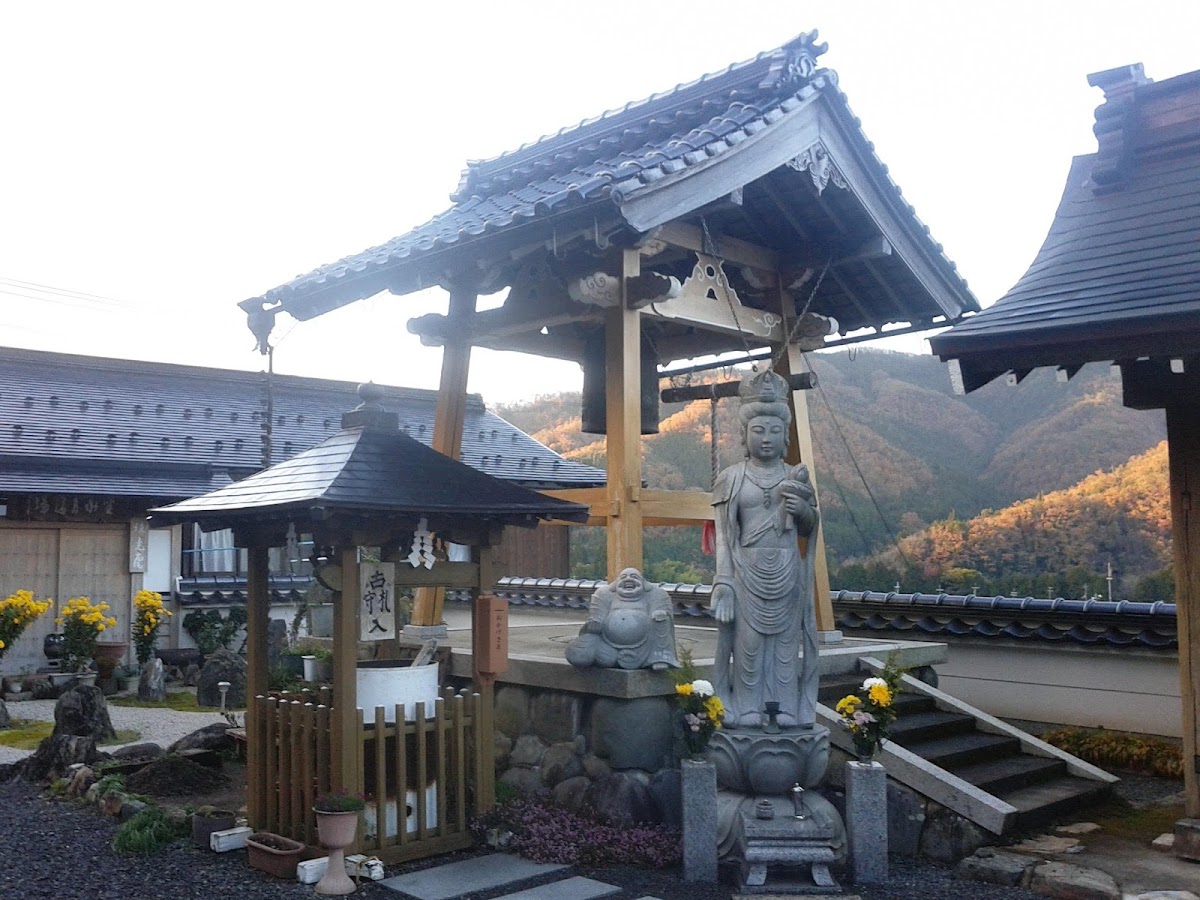
There are several temples named “Chogenji” throughout Japan, each with its own unique history and characteristics. This article provides detailed explanations of Chogenji temples in various locations, offering helpful information for those considering a visit.
Table of Contents
- What is Chogenji?: An Overview of Temples Scattered Across Japan
- Chogenji Temple in Kannami Town, Shizuoka Prefecture (Soto Zen Buddhism)
- Chogenji Temple in Kyotamba Town, Kyoto Prefecture (Temple for Cancer Prevention)
- Chogenji Temple in Shiso City, Hyogo Prefecture
- Chogenji Temple in Bunkyo Ward, Tokyo (Shinshu Otani School)
- Chogenji Temple in Shinjuku Ward, Tokyo (Soto Zen Buddhism)
- Chogenji Temples in Other Regions
- Etiquette and Manners for Visiting Chogenji Temples
What is Chogenji?: An Overview of Temples Scattered Across Japan
The temple name “Chogenji” is the name of several temples that exist throughout Japan. These temples differ in their sect, founding dates, and origins, and have played an important role as centers of faith in their respective regions. There are various Chogenji temples belonging to different sects, including the Soto Zen, Rinzai Zen, and Shinshu Otani-ha, each possessing its own unique history and cultural assets.
These Chogenji temples in various locations serve as spiritual havens for local residents and attract many visitors as tourist attractions. In particular, temples with distinctive features, such as the Chogenji in Kyotamba Town, known for its “cancer prevention” rituals, and the Chogenji in Kannami Town, famous for its giant trees, are attracting attention.
Chogenji Temple in Kannami Town, Shizuoka Prefecture (Soto Zen)
History and Origin
Located in Kuwahara, Kannami Town, Tagata District, Shizuoka Prefecture, Chogenji Temple belongs to the Soto Zen sect. This temple is deeply intertwined with the history of the region and has long functioned as a center of faith in the Kuwahara area. Based on the teachings of the Soto Zen sect, training centered on Zen meditation is practiced here.
Highlights of the Temple Grounds
The most striking feature of Chogenji Temple in Kannami Town is the giant trees standing within its grounds. The massive evergreen oaks and Japanese nutmeg trees, in particular, are breathtaking, estimated to be several hundred years old. These giant trees have been nominated for the “50 Cultural Properties of Kannami Town to Preserve for Future Generations” and are protected as valuable natural heritage of the town.
The evergreen oak is an evergreen broad-leaved tree, and its majestic appearance leaves a deep impression on visitors. The Japanese nutmeg tree similarly boasts a magnificent form, bringing a solemn atmosphere to the temple grounds. These giant trees can be considered living witnesses to the long history of the temple.
The temple grounds are enveloped in a tranquil atmosphere, making it an ideal place to escape the hustle and bustle of the city and find peace of mind. The buildings, including the main hall and the priest’s quarters, also maintain the traditional style of a Soto Zen temple.
Connection to Kuwahara Yakushido
Nearby Chogenji Temple is Kuwahara Yakushido, which plays an important role in local religious beliefs. The Yakushi-do Hall, which enshrines Yakushi Nyorai (the Medicine Buddha) as its principal deity, is known as a place visited by worshippers praying for recovery from illness. Chogenji Temple and the Yakushi-do Hall are important elements in shaping the local religious culture.
Location and Access
Location: Kuwahara, Kannami-cho, Tagata-gun, Shizuoka Prefecture
Access:
- Approximately 10 minutes by car from JR Tokaido Main Line “Kannami Station”
- Approximately 15 minutes by car from Izuhakone Railway Sunzu Line “Oba Station”
- Approximately 20 minutes by car from Tomei Expressway “Numazu IC”
If using public transportation, taking a taxi or bus from Kannami Station is convenient. If visiting by car, it is recommended to check in advance whether there is parking space on the temple grounds or nearby.
Chogenji Temple (Cancer-Preventing Temple) in Kyotamba-cho, Kyoto Prefecture
History and Faith
Chogenji Temple, located in Kyotamba-cho, Funai-gun, Kyoto Prefecture, is a temple belonging to the Rinzai sect and is nationally known as a “cancer-preventing temple.” Its history is ancient, dating back to 874 (Jōgan 14), when Prince Koretaka, after becoming a monk, is said to have taught the villagers a secret method for “preventing cancer.”
Prince Koretaka was a member of the imperial family during the Heian period, born as the first son of Emperor Montoku. After losing the struggle for the imperial succession, he became a monk and entered the Buddhist priesthood, where he is said to have bestowed upon the villagers a secret method for healing illnesses. This legend forms the basis of the current “cancer prevention” belief.
Cancer Prevention Belief and Prayers
Chōgenji Temple’s cancer prevention belief remains a source of solace for many people today. Worshippers from all over Japan visit the temple, seeking cancer prevention and healing, and can receive special prayers. This belief continues to be supported by people seeking peace of mind, even in today’s age of advanced medical technology.
The temple also offers cancer prevention amulets and talismans, sought after by those wishing for the health of their families. Prayers are recommended to be booked in advance, and the temple is known for its courteous service.
Kannon Festival and Annual Events
The Kannon Festival is held every year on the first Sunday of July. This event is one of the most important annual events at Chogenji Temple, attracting many worshippers. During the Kannon Festival, special prayers for protection against cancer are performed, and worshippers pray for good health, relying on the compassion of Kannon Bodhisattva.
On the day of the festival, the temple grounds are bustling with worshippers, and sometimes stalls are set up. Local residents and worshippers work together to preserve this traditional religious event.
Location and Access
Location: Kyotamba-cho, Funai-gun, Kyoto Prefecture
Access:
- Approximately 30 minutes by car from Sonobe Station on the JR Sanin Main Line
- Approximately 15 minutes by car from Tanba IC on the Kyoto Jukan Expressway
Public transportation is not very convenient, so visiting by car is recommended. Temporary parking may be provided during events such as the Kannon Festival.
Chogenji Temple, Shiso City, Hyogo Prefecture
History and Origin
Chogenji Temple, located in Shiso City, Hyogo Prefecture, is a temple with a history dating back to the Heian period. It is said to have originated when Ujisuke, the son of Sakanoue no Tamuramaro (known as the Seii Taishogun), enshrined Kannon Bodhisattva and Benzaiten to pray for the prosperity of worshippers and the blessings of water in the Ibo River basin.
Sakanoue no Tamuramaro was a military commander in the early Heian period who distinguished himself in the subjugation of the Emishi people in the Tohoku region. The fact that his descendants also exerted influence in western Japan demonstrates the breadth of the Sakanoue clan’s power at that time.
Highlights on the Temple Grounds: Taiko Stone
Within the grounds of Chogenji Temple is a historical site called the “Taiko Stone.” This is a stone where Toyotomi Hideyoshi is said to have removed his shoes, and an anecdote about Hideyoshi’s visit to this area is told. The Taiko Stone is a fascinating historical site for history buffs, offering a glimpse into the Sengoku period (Warring States period).
The temple grounds are blessed with nature throughout the seasons, and in autumn, in particular, visitors can enjoy magnificent autumn foliage. Many tourists visit during the autumn foliage season, and the temple grounds are enveloped in the beautiful colors of autumn.
Benzaiten Worship
At Chogenji Temple, Benzaiten is enshrined alongside Kannon Bodhisattva. Benzaiten is worshipped as the goddess of water and performing arts, and is deeply connected to the blessings of water in the Ibo River basin. For local residents engaged in agriculture and fishing, the worship of Benzaiten, the goddess of water, was closely intertwined with their lives.
Location and Access
Location: Shiso City, Hyogo Prefecture
Access:
- Approximately 20 minutes by car from Harima-Shingu Station on the JR Kishin Line
- Approximately 25 minutes by car from Yamazaki Interchange on the Chugoku Expressway
Due to its mountainous location, visiting by car is recommended. During the autumn foliage season, surrounding roads can become congested, so it is advisable to allow ample time for your visit.
Chogenji Temple (Shinshu Otani School) in Bunkyo Ward, Tokyo
History and Relocation History
Chogenji Temple, located in Bunkyo Ward, Tokyo, is an independent temple of the Shinshu Otani School. It was founded in 1612 (Keicho 17) by Shaku Saigen. Initially located in Shimonerima Village, Toshima District, Musashi Province (present-day Nerima Ward, Tokyo), it later moved to Ochanomizu before relocating to its current location in Bunkyo Ward.
This history of relocation is deeply connected to the urban development of Tokyo from the Edo period to the Meiji period. Temple relocation is often a consequence of changes in urban planning and land use, and many temples have experienced similar situations.
The Teachings of the Shinshu Otani School
Chogenji Temple, as a temple following the Shinshu Otani School, is based on the teachings of Shinran Shonin. It continues to uphold the doctrines of Jodo Shinshu Buddhism, which centers on faith in Amida Buddha and preaches salvation through the recitation of the Buddha’s name.
Currently, it operates independently as an independent temple, but the traditions of Shinshu Buddhism are still carefully preserved.
Temple Grounds and Facilities
Chogenji Temple in Bunkyo Ward maintains a tranquil environment despite being in the heart of the city. The temple grounds are well-maintained, with buildings such as the main hall and priest’s quarters. It offers a peaceful space for visitors amidst the hustle and bustle of the city.
Location and Access
Location: Bunkyo-ku, Tokyo
Access:
- Accessible from various Tokyo Metro lines (nearest station varies depending on the specific location)
- Easily accessible from the JR Yamanote Line
Located in the city center, it is very convenient to access by public transportation. It is recommended to check with the temple before visiting regarding the specific nearest station.
Chogenji Temple (Soto Zen sect) in Shinjuku-ku, Tokyo
History and Characteristics
Chogenji Temple, located in Yokoteramachi, Shinjuku-ku, Tokyo, is a temple belonging to the Soto Zen sect. Despite its central location in Shinjuku, it fulfills the role of a traditional Soto Zen temple. The name Yokoteramachi itself indicates that many temples were concentrated in this area.
Temple Cemetery
Chogenji Temple in Shinjuku-ku has a temple cemetery, which functions as a valuable cemetery in the city center. Securing burial plots is difficult in the city center, making temple cemeteries an important resource. The cemetery at Chogenji Temple is well-maintained, and perpetual memorial services are also provided. ### Role as a Temple in the City Center
Despite its location near the bustling Shinjuku district, Chogenji Temple offers a tranquil space for worship. For those living in the city, it provides a precious sanctuary of peace. Buddhist services such as memorial services and funerals are also held, demonstrating its continued involvement in the local community.
Location and Access
Location: Yokoteramachi, Shinjuku-ku, Tokyo
Access:
- Within walking distance of Ushigome-Yanagicho Station on the Toei Oedo Line
- Within walking distance of Kagurazaka Station on the Tokyo Metro Tozai Line
Located within Shinjuku Ward, it is accessible from multiple train lines. Due to its central location, public transportation is convenient.
Other Chogenji Temples
Chogenji Temple in Yoshida Town, Shizuoka Prefecture
There is also a Chogenji Temple in Yoshida Town, Haibara District, Shizuoka Prefecture. As a temple deeply connected to the local history, it attracts the faith of the townspeople. Detailed information can be found on the town’s official website.
Chogenji Temple, Iwaki City, Fukushima Prefecture
Chogenji Temple, located in Iwaki City, Fukushima Prefecture, is also introduced as a local tourist spot. It is listed on the Iwaki City tourism information website and welcomes visitors.
Chogenji Temple, Tokai City, Aichi Prefecture
Chogenji Temple, located in Takayokosuka-cho, Tokai City, Aichi Prefecture, is a temple belonging to the Soto Zen sect. It is registered with Soto Zen Navi and disseminates information through its official website and social media. It actively participates in local events and activities.
Location: 15 Yamayashiki, Takayokosuka-cho, Tokai City, Aichi Prefecture
Each Chogenji Temple has its own unique history in its respective region and functions as a place of worship.
Guidelines and Manners for Visiting Chogenji Temple
Basic Manners for Visiting
When visiting Chogenji Temple, please observe the following basic manners:
- Clothing: Avoid revealing clothing and wear clean attire when visiting.
- Greetings: Bow when passing through the temple gate and behave quietly within the temple grounds.
- Photography: Confirm whether photography is permitted and be considerate of other visitors.
- Offerings: When receiving prayers or amulets, offer an appropriate donation.
Understanding Differences Between Sects
Chogenji Temple has different sects depending on the region. Each sect, such as the Soto Zen, Rinzai Zen, and Shinshu Otani sects, has its own unique doctrines and customs. When visiting, it is desirable to understand the temple’s sect and worship with appropriate etiquette.
Importance of Prior Confirmation
If you plan to participate in special prayers or events, contact the temple in advance to confirm details. Knowing the visiting hours, prayer reservations, and parking availability beforehand will allow for a smoother visit.
Seasonal Highlights
Chogenji temples throughout Japan offer different charms depending on the season:
- Spring: Cherry blossoms and fresh greenery adorn the temple grounds.
- Summer: Events such as the Kannon Festival are held.
- Autumn: The autumn foliage is beautiful, and the Chogenji temple in Hyogo Prefecture is particularly magnificent.
- Winter: A tranquil atmosphere allows for peaceful worship.
Summary
Chogenji temples, scattered throughout Japan, each possess their own unique history and characteristics, playing an important role as centers of local faith. Visiting the diverse attractions of Chogenji temples—from the giant tree in Kannami Town, Shizuoka Prefecture, to the cancer-prevention faith in Kyotamba Town, to the Taiko Stone in Hyogo Prefecture, and temples in central Tokyo—allows you to experience the profound depth of Japanese temple culture.
When planning your visit, please check the location, transportation access, and annual events of each temple in advance, and visit while observing appropriate manners. By visiting the temple in quiet contemplation, you can enjoy a peaceful time away from the hustle and bustle of everyday life.
We hope that your visit to Chogenji Temple will be a enriching experience for you.