Complete Guide to Ryugenji Temples: A Comprehensive Explanation of the History, Characteristics, and Access Information of Ryugenji Temples Nationwide
Numerous temples bearing the name “Ryugenji” exist throughout Japan. Each Ryugenji has its own unique history and tradition, and has played a vital role as a center of local faith. This article provides a detailed explanation of major Ryugenji temples across Japan, including their history, sect, grounds, and access methods.
What is Ryugenji?: Origin of the Name and Nationwide Distribution
The temple name “Ryugenji” is found throughout Japan, primarily among Zen Buddhist temples. In Buddhism, the dragon is revered as a mythical creature that controls water and rain, and as a protector of Buddhist teachings. “Gen” means the beginning or origin of things, so “Ryugen” carries the profound meaning of the source of Buddhist teachings and the source of enlightenment.
Currently, Ryugenji temples of various sects, including the Soto, Rinzai, and Jodo sects, exist throughout Japan, each preserving the history and culture of its region.
Detailed Information on Major Ryugenji Temples
Ryugenji Temple (Toyokawa City, Aichi Prefecture)
Located in Toyokawa City, Aichi Prefecture, Ryugenji Temple is an important temple that attracts the faith of the local community. Toyokawa City is known for Toyokawa Inari Shrine, and this temple also plays a part in the local Buddhist culture. The temple grounds are enveloped in tranquility, providing peace of mind to visitors.
It is also featured on the official website of the Toyokawa City Tourism Association and is attracting attention as a local tourist resource. It is also known for housing numerous cultural assets, including historical buildings and Buddhist statues.
Ryugenji Temple (Takasaki City, Gunma Prefecture) Jiunzan Matsudain
Located in Tago, Takasaki City, Gunma Prefecture, this is a Soto Zen temple, and its official name is “Jiunzan Matsudain Ryugenji.” According to temple records, the temple was founded by Abbot Kaōzon’ei, but during the time of the fifth abbot, Abbot Chigen Keisatsu, a landslide buried both the temple buildings and the cemetery. It was then relocated to its current, safe location in Tago-aza-Kanizawa.
This history of relocation speaks to the efforts of the ancestors who persevered in the face of natural disasters while maintaining their faith. The temple grounds are now well-maintained, providing a safe and secure environment for visitors.
Ryūgen-ji Temple (Suzuka City, Mie Prefecture) Zuiunzan
Located in Shiroko, Suzuka City, Mie Prefecture, Zuiunzan Ryūgen-ji Temple is a Zen Buddhist temple boasting an 800-year history. Suzuka City has long flourished as a transportation hub, and the temple has functioned as a spiritual pillar for the community throughout its long history.
Despite being located in a quiet residential area, it enjoys convenient transportation access and continues to attract many parishioners and visitors. The Zen teachings cultivated over its 800-year history continue to be a source of spiritual support for many people today.
Ryugenji Temple (Ōharu-chō, Ama-gun, Aichi Prefecture) – Sōtō Zen Buddhism
Located in Ōharu-chō, Ama-gun, Aichi Prefecture, Ryūgenji Temple is a Sōtō Zen Buddhist temple offering a wide range of services to meet modern needs, including perpetual memorial graves and memorial services for stillborn babies.
In particular, the “Perpetual Memorial Grave PA II Type” is attracting attention as a form of memorial service that eliminates future worries. The “Pinkoro Jizō” (a Jizo statue) is also a beloved object of worship for those praying for health, longevity, and a peaceful death. Because it is open to people of all faiths and denominations, it attracts visitors from a wide area, including Nagoya city, Gifu prefecture, and Mie prefecture.
Ryūgenji Temple (Yurihonjō City, Akita Prefecture) – Kinreizan
Located in Yajima-chō, Yurihonjō City, Akita Prefecture, Kinreizan Ryūgenji Temple is a Sōtō Zen Buddhist temple with Shakyamuni Buddha as its principal image. It has a history of supporting the faith of local people amidst the harsh natural environment of the Tohoku region.
Yajima-cho is a region that has flourished as a castle town since ancient times, and this temple is deeply intertwined with the history of the area. From the temple grounds, you can enjoy beautiful natural scenery and appreciate the changing seasons.
Ryugenji Temple (Minato-ku, Tokyo) Rinzai Zen Myoshinji School
Located in Minato-ku, Tokyo, Ryugenji Temple is a Rinzai Zen Myoshinji school temple. While the exact founding date is unknown, it is presumed to have been founded in the early Edo period, given that its founder, Matsumine Inni, was the daughter of Uesugi Sadakatsu, the second lord of the Yonezawa Domain.
Despite its central location, it maintains a tranquil environment, serving as a haven for those seeking peace of mind amidst modern urban life. Its history, deeply intertwined with samurai society, provides valuable historical records of Edo-period religious practices.
Ryugenji Temple (Hachioji City, Tokyo) Shiramine-san
Located in Kasumi-cho, Hachioji City, Tokyo, this is a Soto Zen temple with the mountain name Shiramine-san. Founded by Osawa Shōgen Yasumasa, a former retainer of the Takeda clan who settled in the area, and established by Keigan Gyōro, this temple’s founder is Keigan Gyōro.
Its connection to the Takeda clan’s retainers is an interesting example illustrating the relationship between samurai and Buddhism during the transition from the Sengoku period to the Edo period. Hachioji City was an important military base during the Sengoku period, and this temple stands as a witness to that history to this day.
Ryūgenji Temple (Sanda City, Hyogo Prefecture) Rinzai Zen Myoshinji School
Ryūgenji Temple, a Rinzai Zen Myoshinji school temple located in Sanda City, Hyogo Prefecture, is undertaking initiatives to meet modern memorial needs, such as establishing the “Gōdōsen” (Joint Ship) perpetual memorial tower.
Sanda City is easily accessible from Osaka and Kobe, and is a region blessed with a rich natural environment despite being close to urban areas. Within this environment, the temple continues its activities to transmit the teachings of Zen to the modern age.
Ryugenji Temple’s Sect and Characteristics
Soto Zen Ryugenji Temples
Among all Ryugenji temples nationwide, the most numerous are Soto Zen temples. Soto Zen is a branch of Zen Buddhism founded by Zen Master Dogen, and emphasizes “shikantaza,” or simply sitting in meditation.
Soto Zen Ryugenji temples offer opportunities for the general public to experience Zen teachings through activities such as Zen meditation sessions and sutra copying sessions. The temple grounds are kept simple yet pristine, embodying the spirit of Zen.
Rinzai Zen Ryugenji Temples
Rinzai Zen Ryugenji temples are characterized by their practice using koans (Zen dialogues). Rinzai Zen was introduced to Japan by Zen Master Eisai and has strong ties to the samurai class.
Ryugenji temples in Minato Ward, Tokyo, and Sanda City, Hyogo Prefecture, belong to the Myoshinji branch of the Rinzai school, inheriting the Zen tradition with Myoshinji as its head temple. The temple grounds often feature architectural styles and gardens unique to Zen Buddhism, allowing visitors to experience traditional Japanese beauty.
Ryugenji Temple of the Jodo Sect
There is also a Ryugenji Temple of the Jodo sect. The Jodo sect, founded by Honen Shonin, teaches that salvation from Amida Buddha is attained through chanting the Buddha’s name.
While having different doctrines from Zen Buddhism, the fact that they share the same temple name, “Ryugenji,” demonstrates the diversity and richness of Japanese Buddhism.
Ryugenji Temple Grounds and Highlights
Main Hall and Buddhist Statues
Each Ryugenji temple houses the principal image of its respective sect in its main hall. In Soto and Rinzai Zen temples, Shakyamuni Buddha is often the principal image, allowing for a solemn and dignified experience.
Many Ryugenji temples also house numerous Buddhist statues, including Kannon Bodhisattva and Jizo Bodhisattva, each of which is an object of worship. Some of these Buddhist statues are designated as local cultural properties and are highly valued for their artistic and historical significance.
Gardens and Natural Environment
At Ryugenji Temple, a Zen Buddhist temple, one of the highlights is its garden, which expresses the spirit of Zen. The meticulously designed space, with its carefully calculated stonework and plantings, calms the mind of the viewer.
Ryugenji Temple in Suzuka City, in particular, boasts a history of 800 years, and its grounds are home to a natural environment nurtured over many years. The seasonal flowers and trees allow visitors to feel the changing seasons.
Cultural Properties and Historical Buildings
Many Ryugenji Temples preserve cultural properties and historical buildings that tell the story of the region’s history. Numerous materials, including ancient documents, temple bells, and Buddhist implements, are preserved, serving as important resources for local history research.
Buildings that retain the architectural style of the time of their construction are valuable examples that convey traditional Japanese architectural techniques to the present day. In recent years, preservation and restoration activities have been actively carried out to pass on these cultural properties to future generations.
Annual Events and Activities at Ryugenji Temple
Regular and Special Memorial Services
At each Ryugenji temple, various memorial services are held throughout the year. Seasonal events such as the spring and autumn equinox services, the Obon memorial service, and the ringing of the temple bell on New Year’s Eve are important opportunities for religious practice for parishioners.
Special memorial services include events based on the unique history of each temple, such as the anniversary of the temple’s founder and the anniversary of the principal image. These services deepen the bond between the temple and its parishioners.
Zen Meditation and Sutra Copying Sessions
At Ryugenji, a Zen Buddhist temple, Zen meditation sessions are held regularly for the general public. Even beginners are welcome, as instruction on the proper way to meditate is provided.
Sutra copying sessions are also a popular activity, offering an experience of calming the mind through quietly copying Buddhist scriptures. In today’s stressful society, such activities are gaining attention as an effective means of maintaining mental health.
Community Interaction Activities
Many Ryugenji temples value interaction with the local community. They promote open temple culture through various activities such as children’s events, cultural lectures, and concerts.
In particular, Ryugenji Temple in Ōharu-chō, Aichi Prefecture, welcomes visitors from a wide area by offering memorial services regardless of religious affiliation. This initiative demonstrates a new role for temples in modern times.
Access to Ryugenji Temples
Access by Public Transportation
Access to each Ryugenji temple varies depending on its location. Ryugenji temples located in urban areas are easily accessible by public transportation such as trains and buses, and many are within walking distance of train stations.
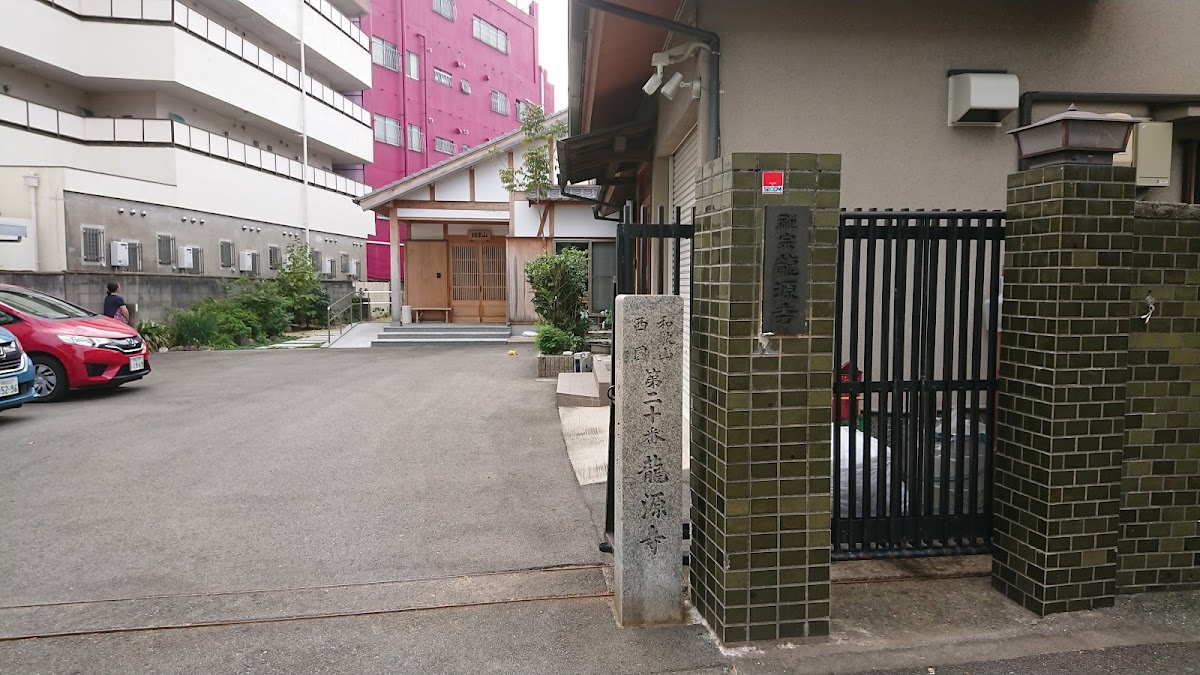
Ryugenji Temple in Suzuka City, Mie Prefecture, is relatively close to Kintetsu Shiroko Station and is characterized by its convenient transportation access. Ryugenji temples in Minato-ku and Hachioji City, Tokyo, are also easily accessible due to their well-developed urban transportation networks.
Access by Car
For Ryugenji temples located in rural areas, access by car is convenient. Many temples have parking facilities for visitors, making it possible to visit by car.
For temples located in mountainous or suburban areas, such as Ryugenji Temple in Yurihonjo City, Akita Prefecture, and Takasaki City, Gunma Prefecture, visiting by car is recommended. Searching for the temple name on a car navigation system will ensure a smooth arrival.
How to Check Access Information
Detailed access information for each Ryugenji Temple can be found on their official website. It is recommended to check the latest traffic information, parking availability, and memorial service schedules before visiting.
Perpetual Memorial Services and Cemeteries at Ryugenji Temples
The Modern Significance of Perpetual Memorial Services
In modern society, due to declining birth rates, an aging population, and the rise of nuclear families, traditional cemetery inheritance is becoming increasingly difficult. In response to this situation, many Ryugenji Temples offer perpetual memorial graves.
The “Perpetual Memorial Grave PA II Type” offered by Ryugenji Temple in Oharu Town, Aichi Prefecture, is attracting attention as a form of memorial service that eliminates future worries. Since the temple takes responsibility for performing perpetual memorial services, you can rest assured even if there are no successors.
Joint Memorial Towers and Individual Cemeteries
Perpetual memorial services include the option of interring ashes in a joint memorial tower and the option of having an individual cemetery. The “Joint Ship” at Ryugenji Temple in Sanda City, Hyogo Prefecture, is an example of a joint memorial tower.
Some temples offer plans that allow for a transition to perpetual memorial services in the future, even if an individual cemetery is desired. You can choose the most suitable memorial service form according to your family’s circumstances and wishes.
Memorial Services for Stillborn Babies and Special Memorial Services
Ryugenji Temple in Oharu-cho, Aichi Prefecture, also performs memorial services for stillborn babies. A baby memorial service is an important ceremony that provides emotional healing for grieving families.
Many Ryugenji temples accept memorial services from non-parishioners as well, and are characterized by their accessibility regardless of religious affiliation or sect.
Modern Initiatives at Ryugenji Temples
Digitalization and Information Dissemination
Many Ryugenji temples are focusing on information dissemination using websites and social media. They strive to connect with more people by sharing daily activities and events through social media such as Facebook and Instagram.
Many temples also maintain blogs, allowing visitors to learn about the daily life of the temple, including the head priest’s sermons and the changing seasons of the temple grounds. These initiatives are particularly effective in creating connections with younger generations.
Environmental Considerations
Some Ryugenji temples are also undertaking environmentally conscious initiatives, such as installing solar power generation systems. This is an attempt to practice the Buddhist teaching of “harmony with nature” in a modern way.
Methods that consider the natural environment are also adopted in the maintenance of the temple grounds, contributing to the conservation of biodiversity.
Preservation of Local Culture
Each Ryugenji temple also plays a role in preserving the history and culture of the region. They continue activities to protect the regional identity, such as preserving ancient documents and works of art, and continuing traditional events.
Even in the Reiwa era, passing on these traditions to future generations is an important mission. Many Ryugenji temples actively engage in educational activities for children.
Manners and Etiquette for Visiting Ryugenji Temple
Basic Visiting Manners
When visiting Ryugenji Temple, it is important to observe basic visiting manners. Bow before entering the temple grounds and walk quietly.
When praying in the main hall, clasp your hands together and bow. Maintaining silence is especially important in Zen temples. Put your mobile phone on silent mode and refrain from loud conversations.
Regarding Photography
Photography is generally permitted on the temple grounds, but photography inside the main hall or of Buddha statues may be prohibited. Always check before taking photos and be considerate of other visitors.
When posting on social media, be careful not to tarnish the temple’s dignity.
Offerings and Stupa Memorial Services
When participating in a memorial service or requesting a special memorial service, an offering is made. The amount varies depending on the region and the service, so it’s best to check with the temple beforehand.
If you wish to have a stupa memorial service, you should also contact the temple in advance to make arrangements. Many Ryugenji temples allow applications by phone or through their website.
Historical Significance of Ryugenji Temples
Role in Local History
Each Ryugenji temple has played a significant role in the history of its respective region. Temples had diverse functions beyond mere places of worship, including connections with samurai society, roles as centers of regional development, and educational institutions.
The history recorded in temple records is a valuable resource that conveys the memory of the region to the present day. The history of overcoming difficulties such as relocation due to landslides and destruction and reconstruction due to war speaks to the strong faith of the local people.
Value as Cultural Assets
The numerous Buddhist statues, ancient documents, and buildings housed in Ryugenji temples possess high value as Japanese cultural heritage. These cultural artifacts are invaluable resources for understanding the religious practices and artistic styles of the time.
Long-established temples, such as Ryugenji Temple in Suzuka City with its 800-year history, have become cultural symbols of their respective regions.
Summary: The Charm and Future of Ryugenji Temples
Ryugenji temples, scattered throughout Japan, each possess their own unique history and tradition, while continuing to play a vital role in modern society. With diverse functions such as places of Zen training, community centers, and cultural heritage preservation institutions, Ryugenji temples form the foundation supporting Japan’s spiritual culture.
Currently, many Ryugenji temples are undertaking new initiatives to meet modern needs while preserving tradition. These include the development of perpetual memorial graves, information dissemination through websites and social media, and environmental considerations, demonstrating their adaptability to the times.
Visiting a Ryugenji temple is a valuable opportunity to experience Japanese history and culture. Calming your mind in the tranquil grounds and connecting with the spirit of Zen can help restore the peace of mind often lost in today’s busy life.
Access information and detailed information can be found on the official websites of each Ryugenji temple. If you’re interested, please do visit and experience their charm for yourself. Each Ryugenji temple will warmly welcome visitors.