Complete Guide to Chuzenji Temple (Tachiki Kannon) | History, Principal Image, and Visiting Information for Nikkozan Rinnoji Temple’s Branch Temple
What is Chuzenji Temple?
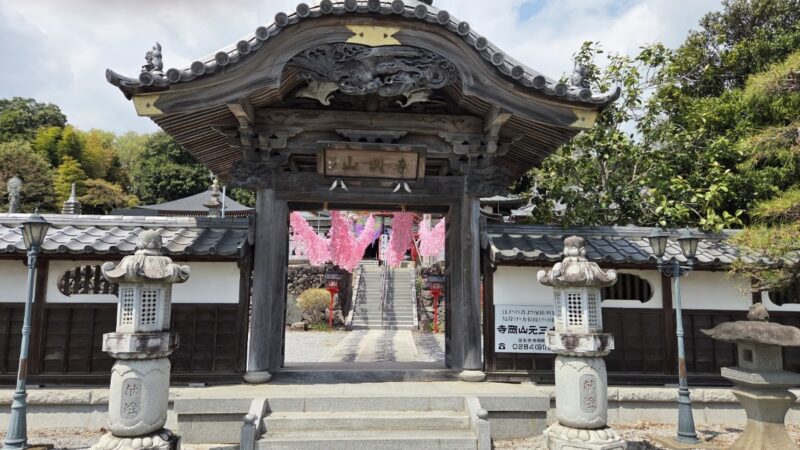
Chuzenji Temple is a Tendai sect temple located on the shores of Lake Chuzenji in Nikko City, Tochigi Prefecture. Officially known as “Nikkozan Chuzenji,” it has long welcomed many worshippers as a branch temple of Nikkozan Rinnoji Temple (a World Heritage Site) and as the 18th temple on the Bando Thirty-Three Kannon Pilgrimage.
This temple, affectionately known as “Tachiki Kannon,” derives its name from the fact that its principal image, the Eleven-Faced Thousand-Armed Kannon Bodhisattva, was carved from a single Katsura tree. Located in Oku-Nikko at an altitude of approximately 1,269 meters, and combined with the beautiful scenery of Lake Chuzenji, it continues to attract many worshippers as a sacred site with profound spiritual power.
History of Chuzenji Temple
Founded by Shodo Shonin
The history of Chuzenji Temple begins in 784 (Enryaku 3) when it was founded by Shodo Shonin, the founder of Nikkozan. Shodo Shonin opened Nikkozan in 766 (Tenpyo-Jingo 2) and continued his attempts to climb Mount Nantai (Mount Futara).
In 782 (Enryaku 1), Shodo Shonin finally succeeded in reaching the summit of Mount Nantai, and two years later, in 782 (Enryaku 3), he established Chuzenji Temple. The original temple was located near the entrance to the climbing route of Mount Nantai and functioned as a training ground for ascetic monks.
The Legend of the Birth of the Standing Kannon
The most famous legend surrounding the founding of Chuzenji Temple is the story of the birth of the Standing Kannon. While the monk Shōdō was praying by Lake Chūzenji, the figure of the Thousand-Armed Kannon Bodhisattva appeared on the lake’s surface. Deeply moved by its divine form, the monk is said to have carved the image of Kannon into a Katsura tree standing on the lakeshore, while it was still standing.
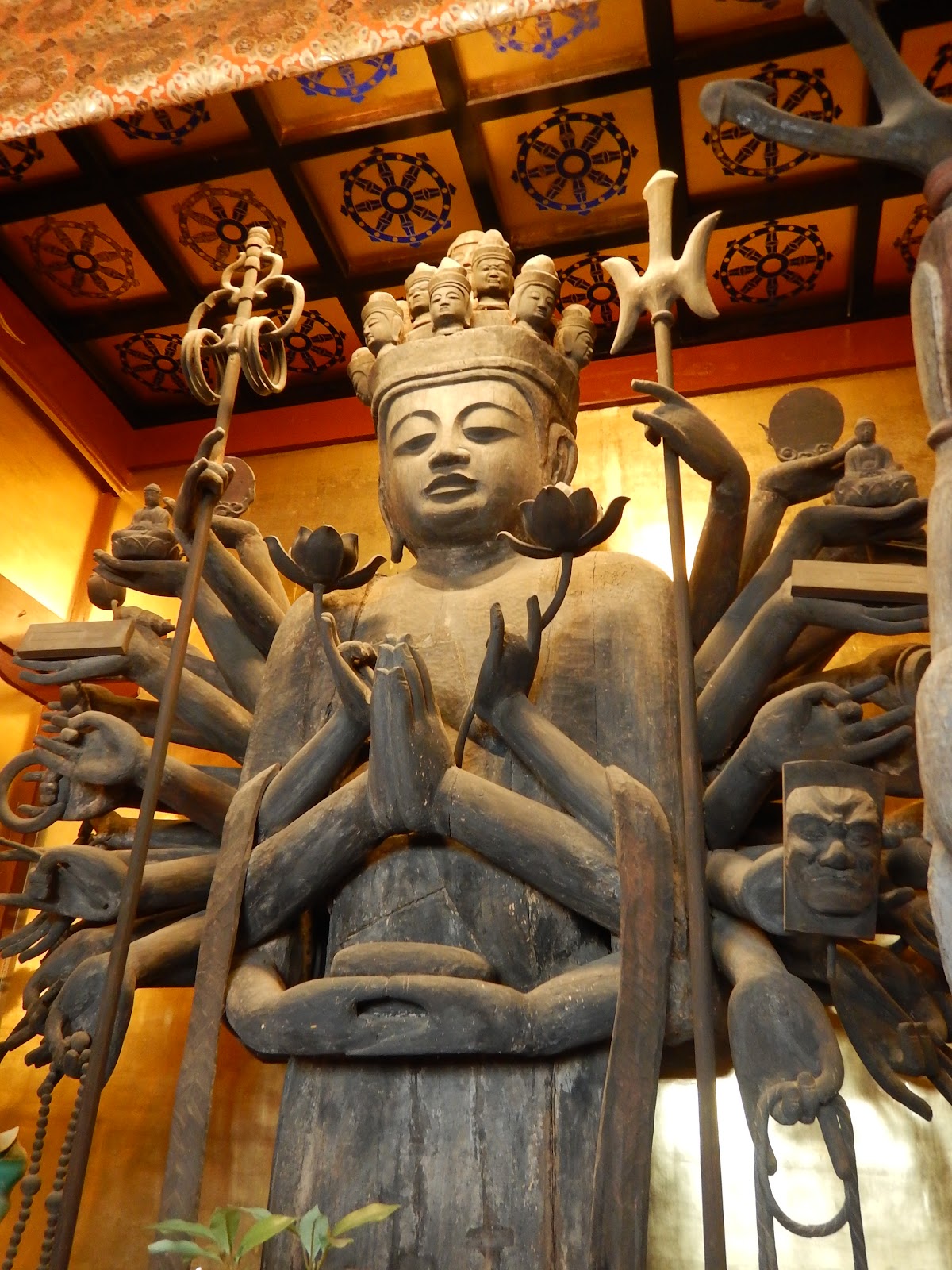
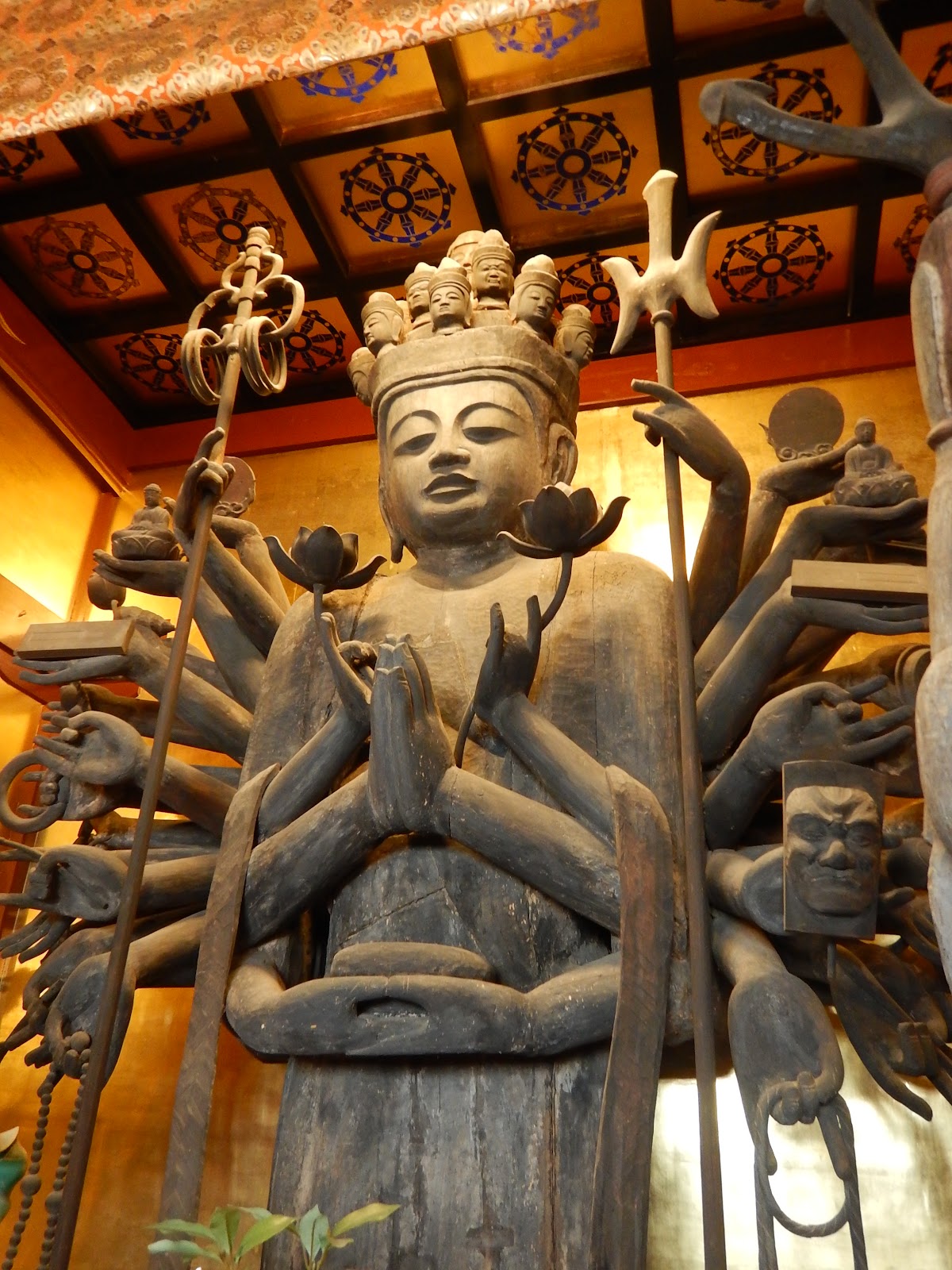
This principal image stands approximately 6 meters tall, and because it was carved with its roots still embedded in the ground, it came to be known as the “Standing Tree Kannon.” Even after more than a thousand years, its majestic presence still welcomes visitors.
Relocation in the Meiji Era
Originally, Chūzenji Temple was located near the entrance to Mount Nantai, but it underwent a major turning point in 1902 (Meiji 35). The temple suffered immense damage from a massive tsunami that occurred that year.
This disaster led to the relocation of Chūzenji Temple to its current location at Utagahama on Lake Chūzenji. Rebuilt on a new site, Chuzenji Temple boasts a magnificent location overlooking Lake Chuzenji, transforming it into a more accessible sacred site for worshippers.
World Heritage Registration and the Modern Era
In 1999, Nikkozan Rinnoji Temple was registered as a World Heritage Site as part of the “Shrines and Temples of Nikko.” Chuzenji Temple, as a branch temple of Rinnoji Temple, is part of this World Heritage Site.
Even today, Chuzenji Temple welcomes pilgrims as the 18th temple of the Bando Thirty-Three Kannon Pilgrimage, and as a representative tourist spot in Oku-Nikko, it attracts many worshippers and tourists from both Japan and abroad.
The Charm of the Principal Image, the Standing Kannon
Eleven-Faced Thousand-Armed Kannon Bodhisattva
The Eleven-Faced Thousand-Armed Kannon Bodhisattva, the principal image of Chuzenji Temple, is a precious Buddhist statue designated as a National Important Cultural Property. As mentioned earlier, it is said that Shodo Shonin carved the statue directly into a single standing Katsura tree, reaching a height of approximately 6 meters.
The Eleven-Faced Thousand-Armed Kannon is a compassionate Buddha with eleven faces on its head and a thousand arms to save people in all directions. The Standing Kannon at Chuzenji Temple is a unique and invaluable cultural asset due to its immense size and the distinctive method of carving it while it was still standing.
The Miracle of Carving While Still Standing
The most striking feature of the Standing Kannon is that it was carved while its roots were still embedded in the ground. Normally, Buddhist statues are carved after the tree has been cut down, but the Standing Kannon was carved while it was still alive. This was an extremely advanced technique even for the time, demonstrating Shodo Shonin’s strong faith and exceptional skill.
Even today, the roots remain in the ground, and visitors can see the base of the tree inside the hall. The sight of the Kannon standing for over a thousand years is truly miraculous.
Benefits of Kannon
The Standing Kannon at Chuzenji Temple is especially believed to bring blessings for matchmaking, good fortune, and protection from evil. The Thousand-Armed Kannon, meaning “saving people with a thousand hands,” is worshipped as a Buddha who grants all wishes.
For pilgrims of the Bando Thirty-Three Kannon Pilgrimage, it is an important pilgrimage site as the 18th temple, and many people visit to obtain a temple stamp (Goshuin).
Highlights of the Temple Grounds
Main Hall (Kannon Hall)
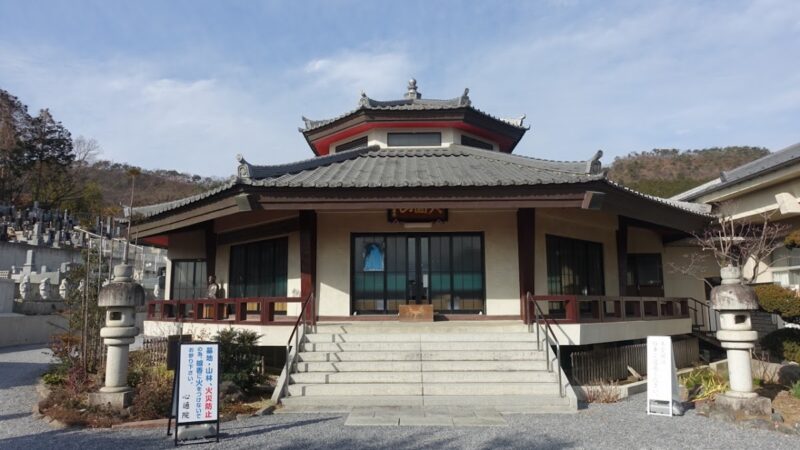
The main hall of Chuzenji Temple houses the principal image, the Standing Kannon. The hall is enveloped in a solemn atmosphere, allowing visitors to quietly offer prayers before the Kannon. By paying an entrance fee, you can enter the hall and feel the power of the Standing Kannon up close.
Inside the hall, you can feel the meaning behind the base of the Kannon and each of its thousand hands. The staff’s detailed explanations allow for a deeper understanding of Chuzenji Temple’s history and faith.
Naminori Daikokuten
Another important Buddhist statue at Chuzenji Temple is Naminori Daikokuten. This statue is called “Naminori Daikokuten” because, according to legend, it appeared when Shodo Shonin crossed Lake Chuzenji, riding on a wave.
Daikokuten is one of the Seven Lucky Gods and is believed to bring good fortune and wealth, making him popular with worshippers seeking business prosperity and increased wealth. It is believed that worshipping him together with Tachiki Kannon will grant even greater blessings.
Godaido Hall
Within the temple grounds is a building called Godaido Hall, where the Five Great Wisdom Kings are enshrined. The Five Great Wisdom Kings are five deities, centered around Fudou Myoo, and are believed to have the power to crush worldly desires and guide people to enlightenment.
From Godaido Hall, you can enjoy a beautiful view of Lake Chuzenji, making it a spot where you can appreciate the natural beauty of Oku-Nikko while praying.
Aizen-do Hall
Aizen-do Hall enshrines Aizen Myoo, and is believed to bring good fortune in matchmaking and romantic relationships. It is particularly popular with young visitors and couples, and many ema (votive tablets) wishing for good relationships are dedicated there.
The Substitute Knot
Within the temple grounds, there is a mysterious tree knot called the “Substitute Knot.” It is believed that stroking this knot will heal the ailment of one’s own body, and many visitors touch it.
A Stunning View of Lake Chuzenji
From the grounds of Chuzenji Temple, you can enjoy a panoramic view of the beautiful Lake Chuzenji. Especially during the autumn foliage season (mid-October to early November), the reflection of the autumn leaves on the lake surface and the figure of Mount Nantai create a spectacular view, attracting many tourists.
The ever-changing scenery of Lake Chuzenji—from the fresh green of spring, the deep green of summer, the vibrant autumn foliage, to the snowy winter landscape—makes your visit even more special.
Cultural Properties
Nationally Designated Important Cultural Property
The most important cultural property at Chuzenji Temple is the principal image, the standing statue of the Eleven-Faced Thousand-Armed Kannon Bodhisattva. This standing Kannon is designated a National Important Cultural Property and is highly regarded as a masterpiece of early Heian period Buddhist sculpture.
Its unique production technique of being carved from a standing tree, its enormous scale of 6 meters, and its excellent state of preservation, having been preserved for over a thousand years, all contribute to its recognized academic value.
Other Cultural Properties
Chuzenji Temple houses many Buddhist statues and treasures, including the statue of Naminori Daikokuten. These are valuable cultural heritage items that convey the long history of Nikkozan and the tradition of faith since the time of Shodo Shonin.
18th Temple of the Bando Thirty-Three Kannon Pilgrimage
What is the Bando Thirty-Three Kannon Pilgrimage?
The Bando Thirty-Three Kannon Pilgrimage is a pilgrimage route that visits 33 Kannon temples scattered throughout the Kanto region (Bando). It is believed to have been established during the Kamakura period and is considered one of Japan’s three major Kannon pilgrimage routes, along with the Saigoku Thirty-Three and Chichibu Thirty-Four.
Chuzenji Temple, as the 18th temple, is an important base for this pilgrimage. It is located at a relay point on the pilgrimage route that continues from Izurusan Manganji Temple in Takasaki City, Gunma Prefecture (temple number 17) to Otani-ji Temple in Kasama City, Ibaraki Prefecture (temple number 19).
Waka Poem
The waka poem of Chuzenji Temple is: “Climbing up to Chuzenji Temple, I pray to the lake; white waves rise on the shore of the song-filled beach.” This poem is about the Tachiki Kannon statue standing on Utagahama beach on Lake Chuzenji, expressing the beauty of the lake and the faith in Kannon.
Goshuin (Temple Seal)
At Chuzenji Temple, you can receive a Goshuin (temple seal) for the Bando Thirty-Three Kannon Pilgrimage. The Goshuin is given out at the sutra copying office in the main hall, and many pilgrims seek it as proof of their visit. You can bring your own Goshuincho (stamp book) or purchase one on the spot.
Visiting Information
Visiting Hours
Chuzenji Temple’s visiting hours vary by season.
- April to October: 8:00 AM to 5:00 PM
- November to March: 8:00 AM to 4:00 PM
Last entry is 30 minutes before closing time, so it is recommended to visit with plenty of time to spare.
Admission Fee
- Adults (Junior High School Students and older): 500 yen
- Elementary School Students: 200 yen
Group and disability discounts are available. Please inform the reception if you are eligible.
Estimated Time Required
The estimated time for visiting the temple grounds and viewing the main hall is approximately 30 minutes to 1 hour. If you wish to carefully view the Kannon statue or enjoy the scenery of Lake Chuzenji, it is recommended to allow 1 hour or more.
Access
Location
2578 Nakamiya-cho, Nikko City, Tochigi Prefecture 321-1661
Phone: 0288-55-0013
Access by Train and Bus
From JR Nikko Station or Tobu Nikko Station, take a Tobu Bus bound for “Chuzenji Onsen” or “Yumoto Onsen,” get off at the “Chuzenji Onsen” bus stop, and walk for approximately 5 minutes.
The bus journey takes approximately 45-50 minutes and costs around 1,200 yen one way. The route offers scenic views as you ascend Iroha-zaka.
Access by Car
From the Kiyotaki Interchange on the Nikko-Utsunomiya Expressway, it’s about a 30-minute drive via Iroha-zaka. There are several parking lots around Lake Chuzenji, but congestion is expected during the autumn foliage season, so early arrival is recommended.
Parking
There is a free parking lot specifically for Chuzenji Temple. However, it can become full during the autumn foliage season (October to early November) and during long holidays, so please consider using public transportation.
Nearby Tourist Attractions
Lake Chuzenji
Lake Chuzenji, located directly in front of Chuzenji Temple, is a representative lake of Oku-Nikko, boasting a circumference of approximately 25 km and a maximum depth of 163 m. Formed by the eruption of Mount Nantai approximately 20,000 years ago, this lake offers beautiful scenery throughout the seasons.
In addition to activities such as sightseeing boats, boats, and kayaks, there are also well-maintained walking paths along the lakeshore, allowing you to fully enjoy nature.
Kegon Falls
Located about a 5-minute drive from Chuzenji Temple, Kegon Falls is one of Japan’s three most famous waterfalls. The sheer power of the water cascading down from a height of 97 meters is breathtaking, and from the observation deck, accessible by elevator, you can see all the way to the base of the falls.
Mount Nantai
Mount Nantai, at an elevation of 2,486 meters, is a sacred mountain representative of Nikko. Known as the mountain successfully summited by the monk Shodo Shonin, it still attracts many climbers today. The trailhead is located at Futarasan Shrine Chugushi, offering a challenging 8-hour round-trip climb.
Senjogahara
Senjogahara, located north of Lake Chuzenji, is a vast wetland situated at an elevation of approximately 1,400 meters. A wooden boardwalk, which can be completed in about two hours, is maintained, making it a popular spot for nature walks where you can observe alpine plants and wild birds in all four seasons.
Ryuzu Falls
Ryuzu Falls, located on the Yukawa River which flows from Senjogahara into Lake Chuzenji, is named for its appearance, where the waterfall splits into two streams resembling a dragon’s head. It is particularly beautiful during the autumn foliage season and attracts many tourists.
Annual Events at Chuzenji Temple
Chuzenji-ko (Late April)
Held annually in late April, the Chuzenji-ko is an important Buddhist service commemorating the virtues of Shodo Shonin and offering gratitude to Tachiki Kannon. Many believers participate, and chanting and sermons are held.
Bando Thirty-Three Kannon Pilgrimage
Throughout the year, pilgrims of the Bando Thirty-Three Kannon Pilgrimage visit. Especially during the pleasant spring and autumn seasons, many group pilgrimages can be seen.
Autumn Foliage Season (Mid-October to Early November)
The autumn foliage at Chuzenji Temple is considered particularly beautiful even within Oku-Nikko, and the temple is bustling with tourists during this time. The contrast between Lake Chuzenji and the autumn leaves viewed from the temple grounds is a spectacular sight.
Manners and Points for Visiting
Clothing
Because Chuzenji Temple is located at an altitude of approximately 1,300 meters, the temperature is lower than in the lowlands. Especially in spring and autumn, it is recommended to take precautions against the cold, and even in summer, it is advisable to bring a light jacket or cardigan.
Photography
Photography is permitted within the temple grounds and of Lake Chuzenji, but photography of the standing Kannon statue inside the main hall is prohibited. Please observe proper etiquette when visiting.
Proper Etiquette for Visiting the Temple
- Bow at the temple gate before entering the grounds.
- Cleanse your hands and mouth at the water basin.
- Offer your donation at the main hall and quietly clasp your hands together in prayer.
- Temple stamps and amulets can be obtained at the temple office.
Recommended Time to Visit
Early mornings are relatively quiet, allowing for peaceful worship. The sight of the morning sun shining on Lake Chuzenji is also beautiful and recommended for photography.
Amulets and Souvenirs
Chuzenji Temple offers a variety of amulets and souvenirs.
- Tachiki Kannon Amulet: A representative amulet of Chuzenji Temple, offering blessings for good fortune and protection from evil.
- Matchmaking Amulet: An amulet for successful love, bestowing the blessings of Aizen Myoo.
- Traffic Safety Amulet: An amulet for praying for safe travels.
- Goshuincho (Stamp Book): A special stamp book for the Bando Thirty-Three Kannon Pilgrimage is also available for purchase.
- Prayer Beads: Various types of prayer beads are available.
These can be obtained at the sutra copying office in the main hall.
Summary
Chuzenji Temple (Tachiki Kannon) has attracted many worshippers as a branch temple of Nikkozan Rinnoji Temple, which boasts a history of over 1200 years, and as the 18th temple of the Bando Thirty-Three Kannon Pilgrimage. The principal image, the Eleven-Faced Thousand-Armed Kannon Bodhisattva, carved by Shodo Shonin from a single standing tree, is a valuable cultural asset designated as a National Important Cultural Property, and its majestic appearance continues to fascinate many visitors.
Surrounded by the beautiful scenery of Lake Chuzenji, the temple grounds offer an excellent location to enjoy the natural beauty of each season. It’s a special place where you can immerse yourself in the nature of Oku-Nikko while praying, and refresh both mind and body. Please visit it at least once.
Chuzenji Temple, where history, faith, and nature harmonize, is a must-see sacred site when visiting Nikko. Why not quietly clasp your hands together in front of the Tachiki Kannon statue and feel the power of faith that has been passed down for over a thousand years?