Complete Guide to Isasumi Shrine | History, Benefits, Goshuin (Shrine Seals), and Access Information for this Ancient Shrine in Aizu
What is Isasumi Shrine?
Isasumi Shrine is an ancient shrine representing the Aizu region, located in Aizumisato-machi, Onuma-gun, Fukushima Prefecture. Boasting a history of over 2000 years as the “Guardian Shrine of Aizu,” it has long attracted fervent devotion as the Ichinomiya (first-ranked shrine) of Iwashiro Province.
Near the lush greenery of the southern Aizu Basin, the shrine grounds showcase the beauty of each season, offering visitors a tranquil experience. Affectionately known as “Isasumi-sama” by locals, it is bustling with people visiting for important life events such as New Year’s prayers, Shichi-Go-San (a traditional rite of passage for children), and exorcisms.
Status as the Guardian Shrine of Aizu
Isasumi Shrine is one of the most prestigious shrines in the Tohoku region, designated as the “Second-Ranked Shrine of Mutsu Province” or the “Ichinomiya (first-ranked shrine) of Iwashiro Province.” From ancient times, it was deeply revered by the imperial court and is listed in the Engishiki Jinmyocho (a list of shrines compiled in the Heian period). In the Middle Ages, it received protection from the Aizu lords, and during the Edo period, it flourished as a revered shrine of the Matsudaira family, the lords of the Aizu domain.
History of Isasumi Shrine
Founding and Mythology
Isasumi Shrine is said to have been founded during the reign of Emperor Sujin, the 10th emperor (around 97 BC). According to historical sources such as the “Shinpen Aizu Fudoki” (New Edition of the Aizu Topography), Ōhiko-no-mikoto, one of the Four Generals, and his son, Takenunakawawake-no-mikoto, arrived in this area during their pacification of the eastern provinces and founded the shrine to pray for the development of the land and the peace and security of the people.
According to the shrine’s legend, when Ōhiko-no-Mikoto and Takenumakawawake-no-Mikoto met in Aizu, Takenumakawawake-no-Mikoto married Iitoyohime-no-Mikoto, the daughter of a local powerful family, and the development of Aizu progressed from there. These three deities are enshrined as the main deities.
From Ancient to Medieval Times
By the Nara period, the shrine was already established as a central shrine in the Aizu region, and it is listed in the Engishiki Jinmyōchō (927 AD) as “Isasumi Shrine, Aizu District, Mutsu Province.” During this period, it was granted a divine rank, and offerings were frequently made by the imperial court.
In the medieval period, it received strong protection from warlords who ruled Aizu, such as the Ashina and Date clans, who donated land and constructed shrine buildings. Even amidst the turmoil of the Sengoku period, it continued to attract worshippers as a spiritual pillar of the region.
Reverence of the Aizu Domain Lords in the Early Modern Period
During the Edo period, the Gamo, Uesugi, and Matsudaira (Hoshina) clans, who became the lords of the Aizu Domain, held the Isasumi Shrine in high esteem for generations. Especially after Hoshina Masayuki became the lord of the Aizu Domain, it was positioned as the domain’s principal guardian shrine, and repairs to the shrine buildings and the development of festivals were carried out.
The Aizu Matsudaira family would visit the shrine annually, either personally or through a representative, to pray for the peace and prosperity of the domain and the happiness of its people. During the turbulent period at the end of the Edo period, it is said that Aizu samurai prayed for military success at the Isasumi Shrine during the Aizu War.
Changes in the Modern Era
With the Meiji-era separation of Shinto and Buddhism, the Isasumi Shrine, which had previously been a syncretic blend of Shinto and Buddhism, became a purely Shinto shrine, removing its Buddhist elements. In 1871 (Meiji 4), it was ranked as a National Shrine of the second rank, receiving national protection.
During the Showa era, following post-war reforms to the shrine system, the current structure as a religious corporation was established. Unfortunately, in October 2008, the main shrine buildings, including the main hall, were destroyed by fire. However, thanks to the support of local residents and worshippers nationwide, reconstruction is currently underway.
Deities and Benefits
Main Deities
Isasumi Shrine enshrines the following four deities as its main deities:
Izanagi-no-Mikoto
The god of creation in Japanese mythology. One of the supreme gods who presides over creation and the source of life.
Izanami-no-Mikoto
A goddess who, together with Izanagi-no-Mikoto, created the land and gave birth to many gods. She is worshipped as the goddess of marital harmony and safe childbirth.
Ōhiko-no-Mikoto
A warrior god who pacified the eastern provinces as one of the Four Generals. He is the god of development and national peace.
Takenunakawawake-no-Mikoto
The son of Ōhiko-no-Mikoto, he worked alongside his father to pacify the eastern provinces. He is revered as the ancestral god of Aizu’s development.
In addition to these, the shrine is known for its diverse divine blessings, including those of Iitoyohime-no-Mikoto and the other deities enshrined in the auxiliary shrines.
Main Benefits
Isasumi Shrine is known as a “shrine where any wish can be granted,” and is said to offer a wide range of benefits.
Matchmaking and Marital Harmony
Because it enshrines the married deities Izanagi-no-Mikoto and Izanami-no-Mikoto, it is particularly famous for its blessings of successful relationships, marital harmony, and family safety.
Good Fortune & Business Prosperity
As it enshrines the gods of land development, many people visit to pray for the success of new ventures, business prosperity, and business development.
Protection from Evil & Protection from Inauspicious Directions
As the guardian shrine of Aizu, it is also known for prayers for protection from evil and inauspicious directions. A constant stream of worshippers visit at important turning points in their lives.
Safe Childbirth & Child-Rearing
Due to the maternal divine virtues of Izanami-no-Mikoto, it also offers blessings for safe childbirth, conception, and protection of child-rearing.
Abundant Harvest & Industrial Development
It also has an aspect as a god of agriculture, and is deeply revered by local farmers, who pray for abundant harvests and industrial development.
Highlights of the Shrine Grounds
Shrine Buildings and Grounds Layout
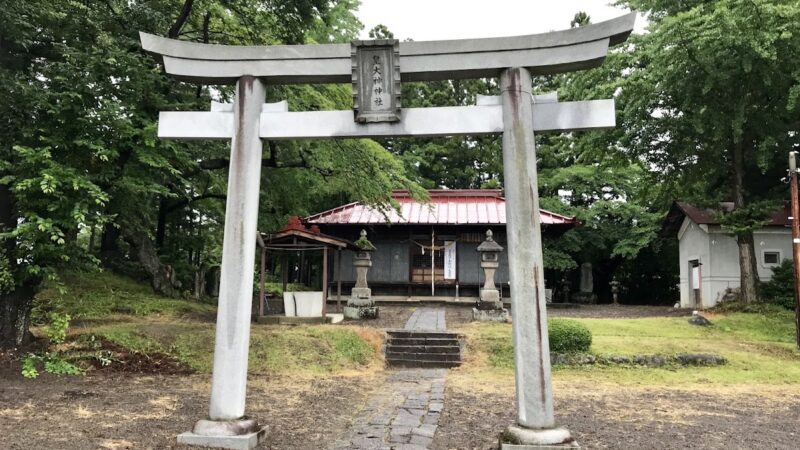
Although the main hall and worship hall were destroyed by fire in 2008, worship is currently possible at the temporary hall. Reconstruction plans are underway, and a magnificent shrine building is expected to be restored in the future.
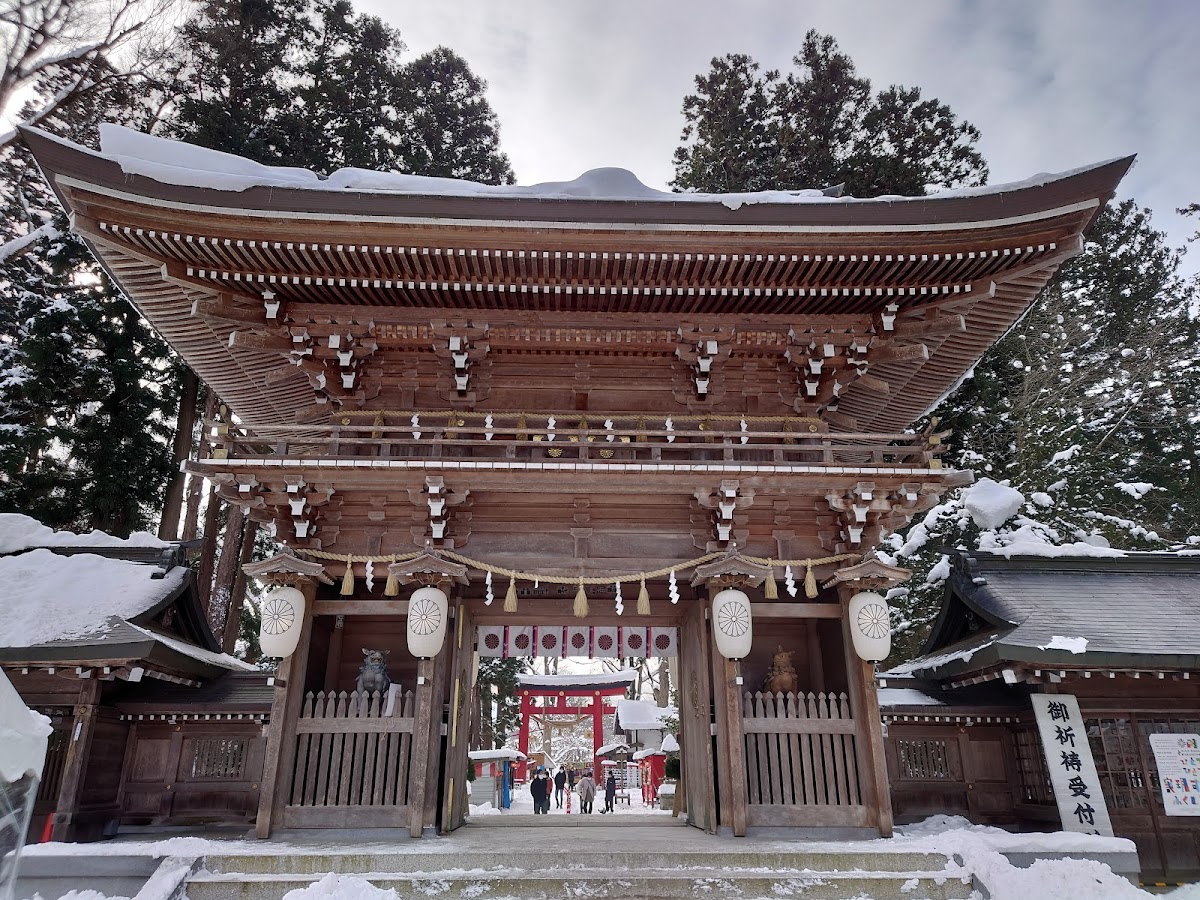
The shrine grounds are vast, and as you walk along the approach, you are enveloped in a solemn atmosphere. Hundreds of years old cedar trees stand in rows, creating a sense of sacredness.
Usuzumi Cherry Tree
Within the shrine grounds is an ancient tree called the “Usuzumi Cherry Tree” (the effects of the fire need to be confirmed). This cherry tree is said to be several hundred years old, and its name comes from the fact that it blooms with pale, ink-colored flowers. It is also counted as one of the five famous cherry trees of Aizu, and many visitors come to see the blossoms in spring.
Iris Garden
Within the grounds of Isasumi Shrine is the “Iris Garden,” where approximately 100,000 irises of about 150 varieties are planted. The irises are in full bloom from mid-June to early July each year, and the sight of the colorful irises in purple, white, and yellow is breathtaking.
During the iris season, the “Iris Festival” is held, attracting many tourists. Walking paths are maintained within the grounds, allowing visitors to enjoy the flowers at their leisure.
Treasure Hall
Isasumi Shrine houses many treasures donated throughout its long history. These include the “Vermilion Lacquer and Gilt Bronze Portable Shrine,” a nationally designated Important Cultural Property, as well as ancient documents, swords, votive tablets, and other valuable cultural artifacts.
Some of these are open to the public in the Treasure Hall (please check the opening dates and times), offering insights into the history and deep faith of Aizu.
Subsidiary Shrines
In addition to the main shrine, several subsidiary shrines are enshrined within the grounds. Each offers specific blessings, and visitors can visit each shrine according to their wishes.
Goshuin (Shrine Seals) and Amulets
About Goshuin
Isasumi Shrine offers beautiful goshuin (shrine seals). The basic goshuin (temple/shrine stamp) features the calligraphy and red seal of “Iwaki Province’s Ichinomiya, Isasumi Shrine.” Its elegant calligraphy is a distinctive feature, making it popular among goshuin collectors.
Limited edition goshuin are sometimes offered depending on the season and festivals. Special designs are sometimes available during special times such as iris season or New Year’s.
Goshuin are available at the shrine office, with a donation of approximately 300 to 500 yen. Goshuin notebooks are also available, and the original Isasumi Shrine designs are popular.
Amulets and Souvenirs
Isasumi Shrine offers a variety of amulets and souvenirs.
- Matchmaking Charm: Popular with those seeking a good relationship.
- Exorcism Charm: For those in their unlucky year or seeking protection from misfortune.
- Safe Childbirth Charm: For pregnant women praying for a safe delivery.
- Academic Success Charm: For students and those taking exams.
- Traffic Safety Charm: Also available in a type that can be placed on a car’s dashboard.
- Good Fortune Charm: For those wishing for overall good luck.
Other items such as votive tablets, amulets, and sacred sake are also available. The amulets with iris motifs are popular as unique items offered at Isasumi Shrine.
Main Annual Festivals
Rice Planting Festival (July 12th)
One of the most important festivals at Isasumi Shrine is the “Rice Planting Festival.” This festival, praying for a bountiful harvest, is designated as an important intangible folk cultural property of the prefecture as a traditional Shinto ritual.
This festival, featuring women dressed as rice-planting maidens, musical performances, and sacred dances, is a valuable event that preserves Aizu’s agricultural culture. It’s an important annual event for local residents and attracts many visitors.
Iris Festival (Mid-June to Early July)
Held during the peak blooming season of irises, this festival features various events. Nighttime illuminations, sales of local products, and performances of traditional arts draw large crowds of worshippers and tourists to the shrine.
New Year’s Day Festival (January 1st)
The Isazumi Shrine is also bustling with worshippers for the New Year’s Day pilgrimage, where people pray for happiness in the coming year. The New Year’s Day Festival includes a solemn Shinto ritual praying for peace and a bountiful harvest.
As a popular New Year’s Day pilgrimage spot in the Aizu region, tens of thousands of worshippers visit during the first three days of the year, filling the shrine grounds with energy.
Other Festivals and Rituals
- Saitansai (January 1st): A festival celebrating the New Year
- Setsubunsai (February 3rd): A ritual to ward off evil spirits through bean-throwing
- Spring Grand Festival (April): A festival celebrating the arrival of spring
- Autumn Grand Festival (September): A festival to give thanks for the harvest
- Shichi-Go-San (November): A visit to celebrate the growth of children
- Oharai (June 30th, December 31st): A Shinto ritual to purify oneself of sins and impurities accumulated over the past six months
Points to Note When Visiting a Shrine
Etiquette for Visiting a Shrine
By observing basic etiquette for visiting a shrine, you can offer a more heartfelt prayer.
- Bow at the Torii Gate: Bow before entering the shrine grounds at the torii gate.
- Purify at the Water Basin: Purify your left hand, then your right hand, then your mouth.
- Walk along the Edge of the Path: The center is considered the path for the gods.
- Etiquette in Front of the Main Hall: The basic procedure is two bows, two claps, and one bow.
- Express Gratitude: Express your gratitude not only for your requests but also for your daily blessings.
About Prayers
Isasumi Shrine accepts various types of prayers.
- Prayers for Protection from Evil
- Prayers for Safety (traffic safety, family safety, etc.)
- Prayers for Business Prosperity
- Prayers for Success in Exams/Academic Achievement
- Prayers for Safe Childbirth/First Shrine Visit for a Newborn
- Shichi-Go-San (7-5-3 Festival)
- Prayers for Finding a Partner
If you wish to receive a prayer, please apply at the shrine office. Reservations may be required, so it is recommended to check by phone in advance. The offering fee varies depending on the prayer requested, but generally starts from 5,000 yen.
Regarding Photography
Photography is generally permitted on the temple grounds, but please note the following:
- Do not take photos in areas where photography is prohibited, such as inside the main hall.
- Be considerate of other worshippers.
- Refrain from taking photos during religious ceremonies, or obtain permission beforehand.
- Avoid using tripods during crowded times.
The iris garden is a popular photo spot, but please be careful not to damage the flowers.
Access Information
Location
Address: 4377 Miyabayashi-ko, Aizumisato-machi, Onuma-gun, Fukushima Prefecture 969-6263
Phone: 0242-54-5050
Access by Train
Using the JR Tadami Line
- Get off at JR Aizu-Takada Station, approximately 20 minutes on foot (approx. 1.5 km)
- Approximately 5 minutes by taxi
From Aizu-Wakamatsu Station, it takes approximately 20 minutes to Aizu-Takada Station on the Tadami Line. Since the Tadami Line has infrequent service, it is recommended to check the timetable in advance.
Access by Car
Using the Ban-etsu Expressway
- Approximately 15 minutes (approx. 10 km) from Aizu-Wakamatsu IC
- Approximately 5 minutes (closest) from Shin-Tsuru Smart IC
Parking: Free parking available (approx. 200 regular cars)
Temporary parking is also available during peak times such as the Iris Festival. ### Access by Bus
Aizu Bus operates from Aizu-Wakamatsu Station, but the number of buses is limited, so please check the timetable in advance. Get off at the “Miyabayashi” or “Isasumi Shrine” bus stop.
Combining with Nearby Sightseeing
Isasumi Shrine is conveniently located for inclusion in Aizu region sightseeing routes.
- Aizu-Wakamatsu City (Tsuruga Castle, Aizu Samurai Residences, etc.): Approximately 20 minutes by car
- Ouchi-juku: Approximately 40 minutes by car
- Kitakata City (Warehouse Town, Ramen): Approximately 30 minutes by car
We recommend including it in your plans as an important stop when touring the Aizu region.
Nearby Facilities and Gourmet Food
Highlights of Aizu-Misato Town
Hoyoji Temple
An ancient temple located approximately 10 minutes by car from Isasumi Shrine. The site features a three-story pagoda, a nationally designated Important Cultural Property, and is known as the oldest pagoda in the Aizu region.
Mukaihaguroyama Castle Ruins The ruins of the castle of the Ashina clan, a powerful daimyo family of Aizu during the Sengoku period. It boasts one of the largest scales among mountain castles in Tohoku and is a popular spot for history buffs.
Local Cuisine
Aizu Soba The Aizu region is known for its soba noodles, and many delicious soba restaurants are scattered throughout the area. Enjoying local soba after visiting the shrine is highly recommended.
Aizu Local Sake Aizu is a famous sake-producing region. Sacred sake is also offered at Isasumi Shrine, and visiting local sake breweries is another enjoyable activity.
Horse Sashimi and Kozuyu Aizu’s local dishes, horse sashimi and kozuyu (a soup with scallops and vegetables), can be enjoyed at local restaurants and eateries.
A Summary of the Charms of Isasumi Shrine
Isasumi Shrine is a spiritual pillar of the Aizu region with a history of over 2000 years. It is a fascinating shrine offering diverse blessings, beautiful nature, important cultural assets, and deeply rooted local festivals.
Having overcome the tragedy of a fire in 2008, it continues to attract the faith of many people. It is an indispensable presence for understanding Aizu’s history and culture, and a visit will allow you to feel the faith and love for the region of the Aizu people.
The shrine grounds, which show different expressions in each season—from the pale ink cherry blossoms of spring, irises in early summer, autumn leaves, and snowscapes in winter—offer new discoveries with every visit. When sightseeing in Aizu, be sure to visit Isasumi Shrine and experience its history and sacred atmosphere.
Isasumi Shrine warmly welcomes people with various wishes, such as finding love, good fortune, and protection from evil. Why not visit this historic shrine at an important milestone in your life?