Complete Guide to Otomi Shrine | A Thorough Explanation of History, Deities, Goshuin (Shrine Seals), and the Hachiya Gion Festival
Otomi Shrine, located in Buzen City, Fukuoka Prefecture, is a historic shrine beloved by the local people as the “god of great wealth and a rich heart.” It flourished as a major shrine within the former Buzen Province and is currently designated as a special shrine by the Association of Shinto Shrines. This article provides detailed information you should know before visiting, including the history of Otomi Shrine, its enshrined deities, goshuin (shrine seals), festivals, and access information.
What is Otomi Shrine?
Otomi Shrine is located in Hachiya, Buzen City, Fukuoka Prefecture, and its former shrine rank was Prefectural Shrine. It enshrines a total of 10 deities: Sumiyoshi Okami, Munakata Okami, Hachiman Okami, and Saishujin. It is believed to offer a wide range of blessings, including business prosperity, protection from evil, traffic safety, and family safety.
In ancient times, it was called “Munakata Hachimangu Shrine,” and as a shrine mentioned in the “Nihon Sandai Jitsuroku” (a historical record of the Three Reigns of Japan), it had deep ties with the imperial court from ancient times. Within the shrine grounds is a beautiful sanctuary with a cypress bark roof, notably featuring magnificent carvings.
Origin of the Name of Otomi Shrine
The name “Otomi” is an auspicious name symbolizing wealth and prosperity. Local people revere it as “the god of great wealth and a generous heart,” and many worshippers visit to pray for business success and increased financial fortune. This name is believed to have become established after the Edo period, and it has watched over the development of Buzen as the guardian shrine of the region.
History and Origins of Otomi Shrine
Founding and Ancient Legends
According to shrine records, the founding of Otomi Shrine began when Munakata Okami gave a divine oracle and enshrined the deity. Records indicate that prayers for the eradication of plagues were offered at the shrine in the 5th year of Emperor Sujin’s reign (93 BC), suggesting a history of over 2000 years.
Traditions also exist that during Emperor Keiko’s tour of Kyushu, prayers for pacification were offered by imperial command, and Empress Jingu also visited the shrine. These traditions indicate that Otomi Shrine was an important site of religious ceremonies in the Buzen region during ancient times.
Development during the Nara and Heian Periods
The “Nihon Sandai Jitsuroku” (Chronicles of Three Reigns of Japan) records the bestowal of rank upon Otomi Shrine, indicating its recognition by the imperial court as a shrine mentioned in national history. During the Fujiwara Hirotsugu Rebellion of 740 AD, a festival is said to have begun when Ki no Umaro, the acting chief of Kōge County who played a key role in suppressing the rebellion, returned triumphantly. This is considered the origin of the current Shinkōsai (procession festival), “Hachiya Gion.”
From the Middle Ages to the Early Modern Period
In the Middle Ages, the shrine, known as “Munakata Hachimangu,” enshrined Munakata Okami and Hachiman Okami as its main deities, attracting the faith of local samurai and commoners. Although it suffered damage during the Sengoku period (Warring States period), it was restored under the patronage of the Kokura Domain during the Edo period and flourished as a major shrine within Buzen Province.
With the Meiji Restoration’s Separation of Shinto and Buddhism, it was ranked as a prefectural shrine under the modern shrine ranking system, establishing its position as a central shrine in the region.
Deities and Benefits
Ootomi Shrine enshrines a total of 10 deities, each offering different benefits.
Munakata no Okami
- Tagorihime no Mikoto
- Tagitsuhime no Mikoto
- Ichikishimahime no Mikoto
Known as the Munakata Three Goddesses, these are guardian deities of the sea, offering blessings for safe voyages, safe travels, and business prosperity. They are considered the oldest enshrined deities at Otomi Shrine.
Hachiman no Okami
- Emperor Ojin
- Emperor Chuai
- Empress Jingu
The god of military fortune, offering blessings for success in competitions, career advancement, and protection from evil. Hachiman worship is widespread throughout Japan, and Hachiman is revered as an important enshrined deity at Otomi Shrine.
Sumiyoshi Okami
- Uwatsutsuno-no-Mikoto
- Nakatsutsuno-no-Mikoto
- Sokotsutsuno-no-Mikoto
These deities are believed to grant blessings for maritime safety, protection of voyages, business prosperity, and improvement in waka poetry and literature. The three Sumiyoshi deities are also known as gods of purification and are worshipped for warding off evil and cleansing.
Saishushin
As the god who presides over rituals, this deity grants blessings for the fulfillment of various wishes and family safety.
With these 10 deities enshrined, Otomi Shrine is believed to offer a wide range of blessings, including business prosperity, protection from evil, traffic safety, family safety, maritime safety, and good fortune in competitions, attracting worshippers with various wishes.
Highlights of the Shrine Grounds
Main Hall and Worship Hall
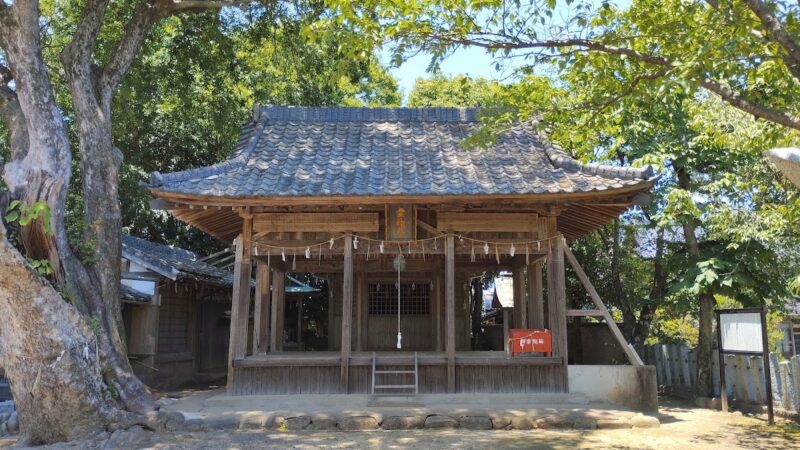
The main hall of Otomi Shrine is a beautiful building with a cypress bark roof, a rare sight in the area. Cypress bark roofing is a traditional Japanese roofing technique, involving layering thin strips of cypress bark. Over time, it develops a unique patina, reflecting the dignity of shrine architecture.
The worship hall features magnificent carvings, showcasing the high level of craftsmanship. Traditional motifs such as dragons, phoenixes, and Chinese lions are used in the carvings, delighting the eyes of visitors.
Atmosphere of the Shrine Grounds
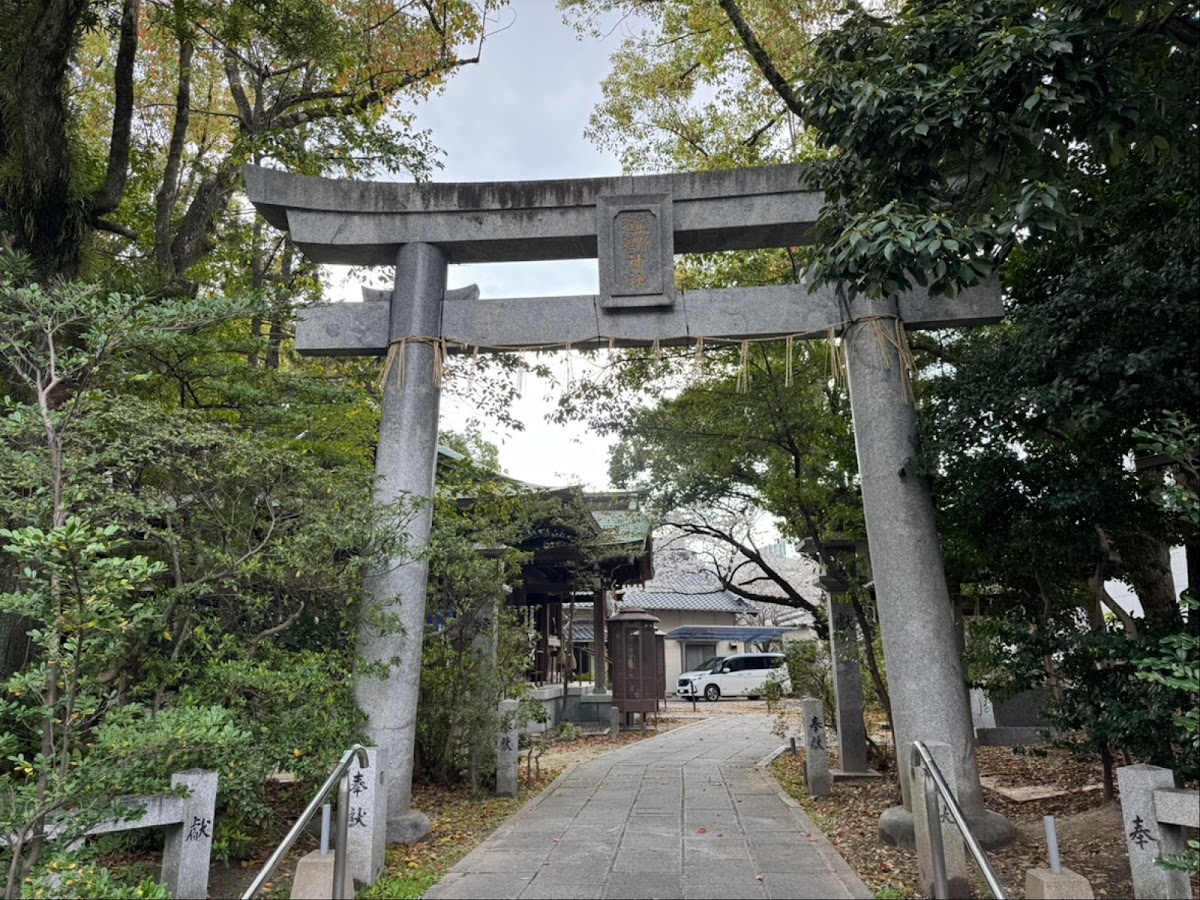
The shrine grounds are enveloped in a tranquil atmosphere, providing a peaceful space for worship. Ancient trees line the path, allowing visitors to appreciate the beauty of nature throughout the seasons. Cherry blossoms in spring, fresh greenery in early summer, and vibrant autumn leaves—each season offers a different face.
Water Basin and Worship Etiquette
When visiting the shrine, first purify your body and mind at the water basin. The water basin at Otomi Shrine is traditionally built, with pure water flowing. After purifying your hands and mouth using the correct etiquette, proceed to the main hall.
About Goshuin (Shrine Seals)
At Otomi Shrine, you can receive a goshuin as a memento of your visit. The goshuin is carefully handwritten by the shrine priests, and includes the date of your visit, the words “Otomi Shrine” in ink, and a red seal.
Goshuin Reception Hours
Goshuin can be obtained at the shrine office. Reception hours are usually from 9:00 AM to 5:00 PM, but these may change during festivals and religious ceremonies. If you want to be sure to receive a goshuin, it is recommended to check in advance.
About Goshuin Notebooks
Otomi Shrine may also offer its own original goshuin notebooks; please inquire at the shrine office. For those receiving a Goshuin (temple/shrine stamp) for the first time, this is a good opportunity to purchase a Goshuincho (stamp book).
Ohtomi Shrine Spring Procession Festival “Hachiyagion”
The most important festival at Ohtomi Shrine is the Spring Procession Festival “Hachiyagion,” held annually from April 29th to May 1st (or April 30th and May 1st). Designated as an Intangible Folk Cultural Property of Fukuoka Prefecture, this festival is the largest in the region and attracts many people.
Origin of Hachiyagion
According to the “Munakata Hachimangu Engi” (History of Munakata Hachimangu Shrine), the festival originated from a depiction of the triumphant return of Ki no Umaro, the acting governor of Kōge County, who distinguished himself in suppressing the “Fujiwara Hirotsugu Rebellion” in 740 AD. It is a traditional festival with a history of over 1200 years.
Details of the Shinko-sai Festival
During the Shinko-sai festival, the portable shrine is paraded through the parish area, with the gods watching over the community and praying for a bountiful harvest, business prosperity, and good health. The magnificent procession parading through the town is a breathtaking sight, attracting many spectators.
Kanno-gaku
One of the highlights of the Hachiya Gion Festival is the traditional performing art of “Kanno-gaku.” Kanno-gaku is a type of gagaku (court music), where dancers in traditional costumes perform elegant dances. This traditional art is preserved and passed down as an important cultural asset of the region, enhancing the prestige of the Shinko-sai festival.
Festival Atmosphere
During the festival, numerous stalls line the shrine grounds and surrounding areas, and the entire region is enveloped in the festive atmosphere. Many tourists, not only locals but also those from far away, visit, making it a valuable opportunity to experience the traditional culture of Buzen.
Annual Events and Festivals
At Otomi Shrine, various festivals are held throughout the year, in addition to the Spring Shinko Grand Festival.
Main Annual Events
- January 1st: New Year’s Day Festival/First Shrine Visit of the Year
- February (Setsubun): Setsubun Festival
- April 29th – May 1st: Spring Shinko Grand Festival (Hachiya Gion)
- July: Summer Purification Ceremony
- October: Autumn Grand Festival
- November: Shichi-Go-San Festival
- December: Year-End Purification Ceremony, New Year’s Eve
For detailed dates of each festival, we recommend checking the official website or social media of Otomi Shrine.
Prayers and Purifications
At Otomi Shrine, you can receive various prayers and purifications.
Main Types of Prayers
- Business Prosperity: Prayers for the development and prosperity of your business
- Exorcism: Prayers for protection from misfortune during unlucky years and for peace and tranquility
- Traffic Safety: Prayers for the blessing of your car and for the safety of drivers
- Family Safety: Prayers for the health of your family and peace in your home
- Shichi-Go-San (7-5-3 Festival): Prayers for the healthy growth of your children
- Safe Childbirth: Prayers for the health of mother and child and a safe delivery
- Success in Exams: Prayers for success in exams and tests
- Recovery from Illness: Prayers for recovery from illness
Prayer Reception
Prayers may require advance reservations. Especially during busy periods such as New Year’s and festivals, we recommend calling ahead to confirm and make a reservation. The offering fee (prayer fee) varies depending on the content of the prayer; please inquire at the shrine office.
Access Information
Location
〒828-0021 Yahaya, Buzen City, Fukuoka Prefecture
Access by Car
- Approximately 10 minutes from the Higashi-Kyushu Expressway “Buzen IC”
- Approximately 15 minutes from the Higashi-Kyushu Expressway “Shiida Minami IC”
- Parking: Free parking available for visitors on the shrine grounds
Access by Public Transportation
- Approximately 15 minutes on foot from JR Nippo Main Line “Ujima Station”
- Approximately 5 minutes by taxi from JR Nippo Main Line “Mikado Station”
Nearby Tourist Attractions
There are several tourist attractions around Otomi Shrine where you can experience the history and culture of Buzen City.
- Mount Kubotei: A mountain that flourished as a sacred site for Shugendo (mountain asceticism) and is designated as a national historical site.
- Buzen City Historical Museum: A facility where you can learn about the history and culture of the region.
- Buzen Sea Oysters: Restaurants serving Buzen’s famous oysters are scattered throughout the area.
Combining a visit to Otomi Shrine with a sightseeing plan to fully enjoy the charms of Buzen City is highly recommended.
Manners and Etiquette for Visiting Shrines
There are basic manners and etiquette for visiting shrines. When visiting Otomi Shrine, please pay attention to the following points.
How to Pass Through the Torii Gate
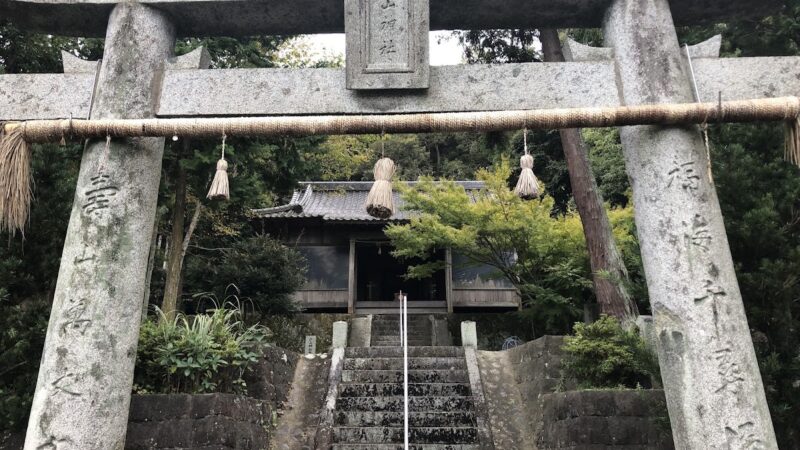
The torii gate is the entrance to the sacred area. Bow before passing through the torii gate, and since the center of the path is considered the path of the gods, walk to either the left or right.
Proper Ritual for Washing Hands
- Take the ladle with your right hand and wash your left hand.
- Switch the ladle to your left hand and wash your right hand.
- Take the ladle back into your right hand, receive water in your left hand, and rinse your mouth.
- Wash your left hand once more.
- Hold the ladle upright, wash the handle, and return it to its original position.
Proper Ritual for Worship
- Stand upright in front of the main hall.
- Quietly place your offering in the offering box.
- Ring the bell if there is one.
- Two bows, two claps, one bow (two bows, two claps, one bow)
- Bow deeply twice.
- Clap your hands twice at chest height.
- Finally, bow deeply once.
How to Behave on the Shrine Grounds
The shrine grounds are a sacred place. Please be quiet and refrain from making loud noises or running around. Photography is generally permitted, but there may be restrictions inside the main hall or during festivals, so please follow the signs. ## Summary of the Charms of Otomi Shrine
Otomi Shrine, a venerable shrine with a history of over 2000 years, has remained a center of faith in the Buzen region. It enshrines 10 deities, including Munakata Okami, Hachiman Okami, Sumiyoshi Okami, and Saishu-no-kami, and offers a wide range of blessings, from business prosperity to protection from evil and traffic safety.
The beautiful cypress bark-roofed main hall, magnificent carvings, and tranquil atmosphere of the grounds provide peace of mind to visitors. The handwritten goshuin (shrine stamp) is a cherished memento of the visit.
The “Hachiya Gion” festival, held every spring, is a traditional event with a history of over 1200 years and is designated as an Intangible Folk Cultural Property of Fukuoka Prefecture. The traditional Gagaku (court music) performance of Kanno-gaku is one of its highlights, offering a valuable opportunity to experience local culture.
When visiting Buzen City, Fukuoka Prefecture, be sure to visit Ootomi Shrine and receive the blessings of the “God of Great Wealth and a Rich Heart.” The time spent quietly offering prayers in the shrine grounds, steeped in history and tradition, will surely become a cherished memory.
Contact Information
You can contact Ootomi Shrine using the following methods:
- Telephone: Please contact the shrine office directly.
- Official Website: https://ootomijinja.or.jp/
- Instagram: @ootomijinja.official
- Facebook: Ootomi Shrine Official Account
We recommend checking details such as festival dates, prayer reservations, and Goshuin (shrine stamp) issuance times in advance.
Ootomi Shrine is a representative shrine of Buzen, nurtured by history, tradition, and the faith of the local people. Many people with various wishes, such as business prosperity and protection from evil, have visited and received the blessings of the gods. I encourage you to visit Otomi Shrine and experience its history and charm firsthand.