Complete Guide to Tosa Shrine | A Thorough Explanation of the History, Deities, Cultural Properties, and Festivals of Tosa’s Ichinomiya Shrine
What is Tosa Shrine?
Tosa Shrine (Tosa Jinja) is a venerable shrine located in Ichinomiya, Kochi City, Kochi Prefecture, and is the Ichinomiya (first-ranked shrine) of Tosa Province. It has been revered by the people of Tosa since ancient times. Locally, it is affectionately called “Shinane-sama” and is widely worshipped as the guardian deity of Tosa.
Its founding is said to date back to the 5th century, making it an ancient shrine with a history of over 1500 years. The current shrine building was constructed by the Sengoku period daimyo Chosokabe Motochika and features a unique architectural style called “Iritombo,” which is designated as a National Important Cultural Property. The “Shinane Matsuri,” one of Tosa’s three major festivals, is known as a traditional event that has continued since ancient times.
Overview
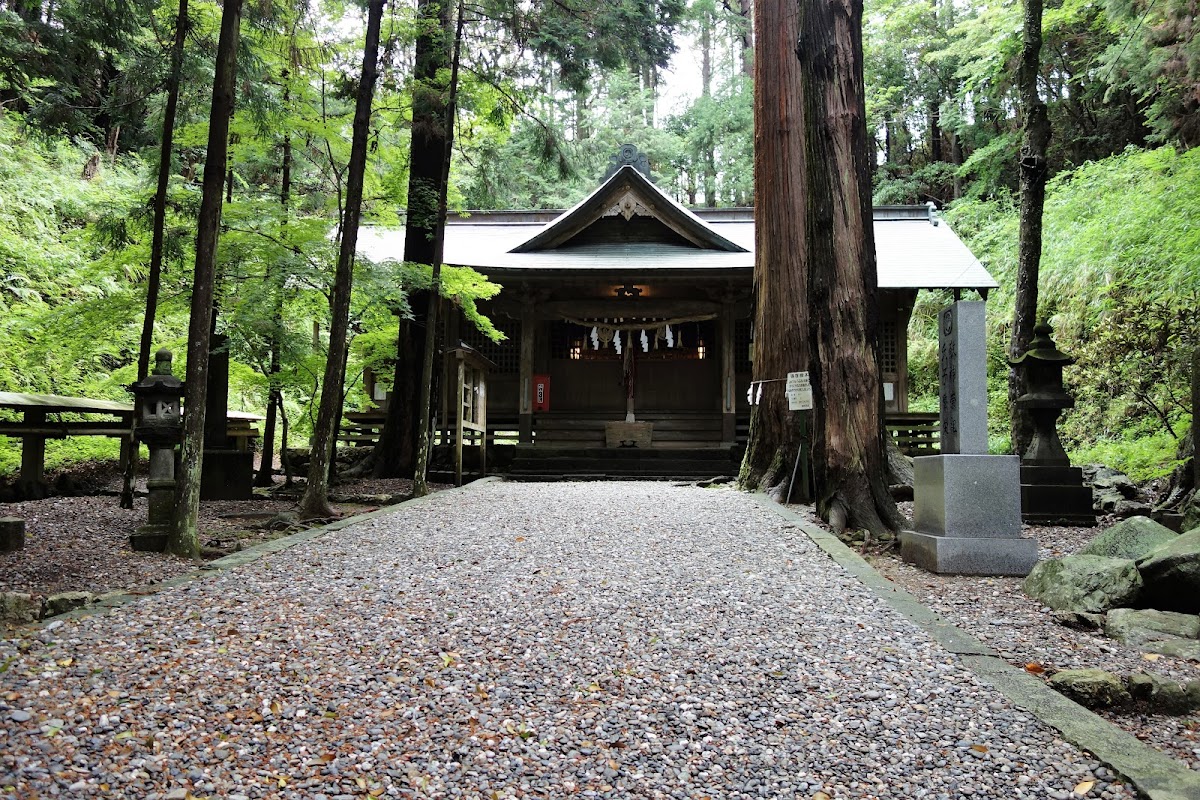
Tosa Shrine is a Shikinaisha (a shrine listed in the Engishiki Jinmyocho, a historical record of shrines) and is considered the most prestigious shrine in Tosa Province. Located at 2-16-1 Shinane, Ichinomiya, Kochi City, Kochi Prefecture, its vast grounds are densely covered with centuries-old cedar and cypress trees, creating a sacred atmosphere.
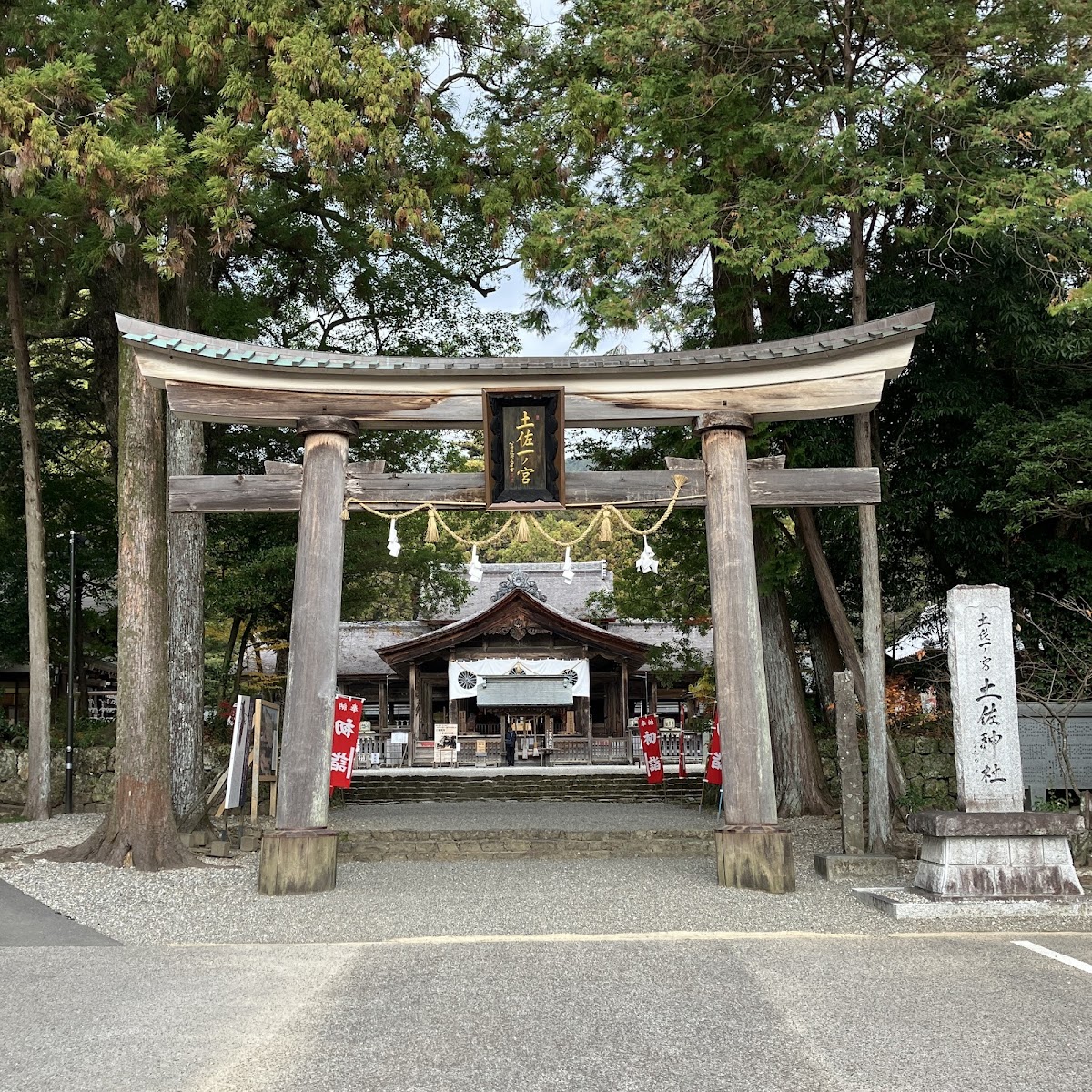
Passing through the gatehouse (Shinkomon) leading from the prefectural road, a 300-meter-long approach leads to the main shrine. Ancient trees line both sides of this approach, instilling a sense of solemnity in visitors. The grounds contain several important cultural properties, including the main shrine, worship hall, offering hall, drum tower, and gatehouse, making it a treasure trove of shrine architecture and of high value from an architectural history perspective.
Origin of the Shrine Name
Tosa Shrine’s alternative name, “Shinane-sama,” has been a familiar local name for centuries. The name “Shinane” is also used in the shrine’s annual festival, the “Shinane Festival,” and is deeply connected to the history of Tosa Shrine.
While generally known as “Tosa Shrine,” its official name is “Tosa Ichinomiya Tosa Shrine.” As the Ichinomiya (first-ranked shrine) of Tosa Province, the inclusion of the place name “Tosa” indicates the shrine’s importance and status in the region.
Deities Enshrined
The deities enshrined at Tosa Shrine are Ajisukitakahikone-no-kami and Hitokotonushi-no-kami.
Ajisukitakahikone-no-kami
Ajisukitakahikone-no-kami is a deity appearing in the Kojiki and Nihon Shoki, and is considered a son of Okuninushi-no-kami. The name “Ajisukitakahikone” means a farming tool, and the deity has been worshipped as a god of agriculture and pioneering. As a god who pioneered the land of Tosa and developed agriculture, he has been revered by the people of Tosa since ancient times.
Hitokotonushi-no-Kami
Hitokotonushi-no-Kami is known as a god who grants wishes with just one word. There is a theory that he is the same god as Ajisukitakahikone-no-Kami, and both gods are enshrined as the main deities at Tosa Shrine. This god is also worshipped as the god who governs the power of words, and it is believed that wishes will be granted if they are clearly expressed in a single word.
Divine Virtues
The divine virtues of Tosa Shrine are wide-ranging, including good fortune, prosperity in various industries, land development, and protection of agriculture. In particular, as a pioneering god associated with the farming tool plow, he is deeply revered by those starting businesses or taking on new challenges, and many worshippers visit to pray for business prosperity and family safety.
History
Founding and Ancient Times
Tosa Shrine is said to have been founded during the reign of Emperor Yuryaku (late 5th century). According to the “Tosa no Kuni Fudoki” and the “Tosa Jinja Engi,” the shrine’s origins lie in the descent of Ajisukitakahikone-no-kami to the land of Tosa and the subsequent development of the area.
In ancient times, Tosa Shrine served as the principal guardian shrine of Tosa Province, a crucial site for rituals praying for national peace and abundant harvests. It is listed in the “Engishiki Jinmyocho” as “Tosa-no-Kuni Tosa-gun Tosa-ni-imasu Jinja,” possessing the status of a Shikinaisha (a shrine listed in the Engishiki).
Development in the Middle Ages
In the Middle Ages, the shrine received deep reverence from the samurai who ruled Tosa. In particular, during the Sengoku period, Chosokabe Motochika, who unified Tosa, deeply revered Tosa Shrine and constructed the current shrine buildings in 1570 (Genki 1).
Chosokabe Motochika’s construction of the shrine buildings was not merely a repair, but a grand-scale reconstruction. The main hall, worship hall, and offering hall built at this time possess a unique architectural style called “Iritombo” (dragonfly), and are still preserved today as important national cultural properties.
Edo Period
During the Edo period, the Yamauchi clan, the lords of the Tosa Domain, continued their reverence for Tosa Shrine. In particular, the second lord, Yamauchi Tadayoshi, constructed the tower gate (Shinkomon) and drum tower in 1651 (Keian 4), enhancing the shrine’s grandeur. These tower gate and drum tower are also currently designated as important national cultural properties.
In the Tosa Domain, it was customary for the lord himself to visit the shrine and pray for the peace and prosperity of the domain and the happiness of its people. Furthermore, Tosa Shrine was a center of faith for ordinary people, and it was bustling with many worshippers throughout the year.
Modern Era
Although Tosa Shrine was greatly affected by the Meiji-era separation of Shinto and Buddhism, it maintained its status as the Ichinomiya (first-ranked shrine) of Tosa Province. In 1871 (Meiji 4), it was ranked as a National Shrine of the second rank, and remained under national control until 1946 (Showa 21).
After the war, it became a special shrine of the Association of Shinto Shrines, and even today, it continues to attract the faith of the local people as the guardian shrine of Tosa. From the Heisei to the Reiwa era, preservation and repair work on the gate tower was carried out, and efforts have been made to preserve this valuable cultural property.
Shrine Grounds
Gate Tower (Shinkomon)
The vermilion-lacquered gate tower standing at the entrance to the grounds of Tosa Shrine, also known as the “Shinkomon,” was built in 1651 by Yamauchi Tadayoshi. This magnificent two-story gate is designated as a National Important Cultural Property. Passing through the gate tower welcomes worshippers into the sacred area.
Approach to the Shrine
The approach to the shrine, stretching approximately 300 meters from the gate tower to the main hall, is lined on both sides with cedar and cypress trees hundreds of years old, creating a sacred atmosphere. Walking along this approach allows you to escape the hustle and bustle of everyday life and purify your mind. There is also a water basin along the path where you can purify yourself before praying.
Worship Hall, Offering Hall, and Main Shrine
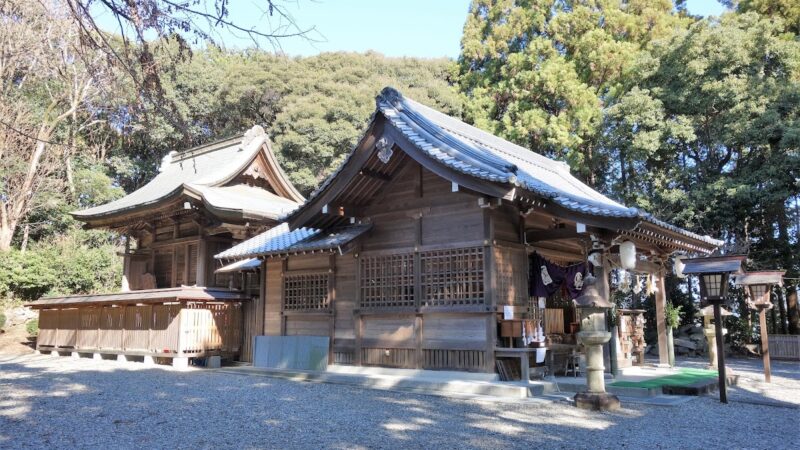
The most distinctive feature of Tosa Shrine is its unique architectural style called “Iritombo” (dragonfly). This structure features the worship hall, offering hall, and main shrine arranged in a cross shape, with wing corridors (wing worship halls) extending out to the left and right. It is named this because, when viewed from above, it resembles a dragonfly with its wings spread.
This architectural style is rare throughout Japan and is a valuable example in the history of shrine architecture. The main shrine, worship hall, and offering hall are collectively designated as a National Important Cultural Property. Built in 1570 by Chosokabe Motochika, it preserves the architectural style of the Momoyama period.
Drum Tower
The drum tower, standing to the left of the worship hall, was built by Yamauchi Tadayoshi at the same time as the gate tower. This beautiful vermilion-painted building once housed a drum used to announce the time. This drum tower is also designated a National Important Cultural Property and is one of the architectural features that characterize the landscape of Tosa Shrine.
Nature within the Shrine Grounds
The grounds of Tosa Shrine are home to numerous ancient trees over several hundred years old. In particular, the ancient cedar and cypress trees tell the story of the shrine’s long history, and some are designated as natural monuments of Kochi Prefecture. These ancient trees enhance the sacred atmosphere of the shrine and are also protected as valuable natural heritage.
Subsidiary Shrines
Within the grounds of Tosa Shrine, several subsidiary shrines are situated surrounding the main hall.
Main Subsidiary Shrines
Within the grounds are subsidiary shrines dedicated to various deities, including Inari Shrine, Ebisu Shrine, and Kotohira Shrine. Each of these subsidiary shrines offers different divine blessings, such as business prosperity, maritime safety, and abundant harvests, catering to the diverse wishes of worshippers.
Local people have a custom of visiting these subsidiary shrines after praying at the main shrine, offering their daily gratitude and prayers. Each subsidiary shrine is meticulously maintained, demonstrating the deep faith in Tosa Shrine as a whole.
Related Sites
Otabisho (Temporary Shrine)
Tosa Shrine has an Otabisho where the portable shrine is carried during the annual Shinane Festival. This Otabisho is located at the site where the shrine was once situated or at an important location related to the Shinto rituals. During the Shinane Festival, many parishioners and worshippers gather at this Otabisho to watch the rituals.
Ichinomiya District
The Ichinomiya district of Kochi City, where Tosa Shrine is located, is a historic area that developed as a temple town for the shrine. The name “Ichinomiya” itself originates from Tosa Shrine, the Ichinomiya (first-ranked shrine) of Tosa Province. Even today, a community centered around the shrine is formed, and local festivals and events are deeply intertwined with Tosa Shrine.
Festivals
Shinane Festival
The most important festival at Tosa Shrine is the annual Shinane Festival, held on August 24th and 25th. This festival is considered one of the three major festivals of Tosa and is a traditional Shinto ritual that has continued since ancient times.
The Shinane Festival includes rituals such as a portable shrine procession, Kagura (sacred dance) performances, and Yabusame (mounted archery). The portable shrine procession, in particular, is held on a grand scale, with many parishioners and worshippers participating. During the festival, the shrine grounds and surrounding areas are bustling with numerous stalls, and the entire region is enveloped in a festive atmosphere.
There are various theories about the origin of the name “Shinane,” but as a valuable festival that preserves the remnants of ancient Shinto rituals, it is designated as an Intangible Folk Cultural Property of Kochi Prefecture.
Igomori Festival
The Igomori Festival is an important Shinto ritual held every January. This festival preserves the ancient custom of “Igomori,” in which Shinto priests and parishioners purify themselves and serve the gods for a certain period. The rituals are performed in a solemn atmosphere, praying for a bountiful harvest and the safety of the parishioners throughout the year.
Other Annual Events
Tosa Shrine holds various festivals throughout the year. Beginning with the New Year’s Day Festival, seasonal rituals are performed, including the Spring Festival, Summer Purification Ceremony, Autumn Festival, and Niiname-sai (harvest festival).
Monthly festivals are held on the 1st and 15th of each month, praying for peace in the community and the happiness of worshippers. Prayers are also accepted at any time to meet individual wishes, including prayers for family safety, business prosperity, protection from evil, and safe childbirth.
Cultural Properties
Nationally Designated Important Cultural Properties
Tosa Shrine has several buildings designated as Nationally Designated Important Cultural Properties.
The Main Hall, Worship Hall, and Offering Hall were constructed in 1570 by Chosokabe Motochika and feature a unique architectural style called “Iri-Tonbo” (meaning “dragonfly entering”). As a valuable structure that preserves the characteristics of Momoyama period shrine architecture, it was designated a National Important Cultural Property in 1950.
The Romon Gate (Shinko-mon Gate) and Koro (Drum Tower) were constructed in 1651 by Yamauchi Tadayoshi and are important structures exhibiting early Edo period architecture. Their beautiful vermilion exteriors form an iconic part of Tosa Shrine’s landscape.
These structures undergo regular preservation and repair work, and even in the Reiwa era, preservation and repair work on the Romon Gate is being carried out. Because preserving cultural properties requires significant expense, the shrine continues its efforts to pass on this valuable cultural heritage to future generations by soliciting donations.
Kochi Prefecture Designated Cultural Property
Some of the trees on the shrine grounds are designated as natural monuments of Kochi Prefecture. Cedar and cypress trees over several hundred years old are carefully protected as living witnesses that have watched over the history of Tosa Shrine.
Cultural Properties Held by the Shrine
Tosa Shrine houses many cultural properties, including ancient documents, sacred treasures, and votive offerings. These are valuable resources for studying the history and culture of Tosa, and some are entrusted to the Kochi Prefectural Museum of History and Folklore for preservation and research.
Prayer Information
Tosa Shrine accepts various prayers. The main prayers include the following:
- Family Safety: Praying for the health and peace of the family
- Business Prosperity: Praying for the development and prosperity of the business
- Exorcism: Purifying and warding off misfortune during the unlucky year
- Traffic Safety: Praying for safety related to cars and traffic
- Prayer for Safe Childbirth: Praying for the safety of the pregnant woman and baby
- First Shrine Visit: Praying for the healthy growth of the baby
- Shichi-Go-San: Celebrating the growth of a child and praying for their future health
- Prayer for Success: Praying for success in exams and tests
- Recovery from Illness: Praying for recovery from illness
Advance reservations are recommended for prayers, but same-day registration is also possible. Please contact the shrine directly for details.
Items Offered
Tosa Shrine offers a variety of items.
Amulets
Various types of amulets are available, including those for good fortune, traffic safety, academic success, matchmaking, and safe childbirth. Tosa Shrine also offers original amulets with unique designs, which are popular as souvenirs of visits.
Goshuin (Shrine Seals)
Tosa Shrine offers goshuin as proof of worship. In addition to regular goshuin, limited-edition goshuin are sometimes offered on special days such as festivals. Goshuin notebooks are also available; the beautiful goshuin notebooks featuring Tosa Shrine’s designs are popular among goshuin collectors.
Ema (Votive Tablets)
Ema, on which people can write their wishes and dedicate them, are also available. Tosa Shrine’s ema feature designs related to the shrine’s buildings and enshrined deities.
Access
Location
2-16-1 Ichinomiya Shinane, Kochi City, Kochi Prefecture 781-8131
Access by Train
- Approximately 15 minutes on foot from JR Dosan Line “Tosa-Ichinomiya Station”
- Approximately 20 minutes on foot from Tosaden Kotsu tram stop “Ichinomiya”
Access by Bus
- Approximately 10 minutes on foot from Tosaden Kotsu bus stop “Ichinomiya”
Access by Car
- Approximately 10 minutes from Kochi IC on the Kochi Expressway
- Approximately 15 minutes from Kochi city center via National Route 32
Parking
There is a free parking lot on the temple grounds. There is space for approximately 50 regular cars, and visitors can use it free of charge. However, congestion is expected during major events such as festivals, so we recommend using public transportation.
Visiting Hours and Inquiries
Visiting Hours
While entry to the shrine grounds is generally unrestricted, the shrine office is open from 9:00 AM to 5:00 PM. Prayers and the purchase of amulets are also handled during these hours.
Contact Information
Tosa Shrine Office
- Phone: 088-845-1096
- Official Website: https://tosajinja.com/
For reservations for prayers and details about festivals, please contact the above number.
Nearby Attractions
There are many spots around Tosa Shrine where you can experience Kochi’s history and culture.
Kochi Castle
Kochi Castle, located about 20 minutes by car from Tosa Shrine, is one of Japan’s 100 Famous Castles and a valuable castle with its keep and main palace still standing. It was built by Yamauchi Kazutoyo and functioned as the political center of the Tosa Domain.
Katsurahama Beach
Katsurahama Beach, a representative scenic spot of Kochi Prefecture, is about a 30-minute drive from Tosa Shrine. It is famous for the statue of Sakamoto Ryoma and offers magnificent views of the Pacific Ocean.
Kochi Prefectural Museum of History and Folklore
Located about a 15-minute drive from Tosa Shrine, this museum exhibits materials related to the history and folklore of Tosa. It also houses materials related to Tosa Shrine, allowing visitors to learn more about the history of Tosa.
The Charm of Tosa Shrine
The greatest charm of Tosa Shrine lies in its history and tradition, which has attracted the faith of the people of Tosa for over 1500 years. From ancient rituals and shrine buildings revered by Sengoku-era warlords and feudal lords, to its enduring presence as “Shinane-sama,” beloved by the local people to this day.
The “Iri-Tonbo” architectural style, designated as a National Important Cultural Property, possesses a unique beauty not seen elsewhere, making it a must-see spot for anyone interested in shrine architecture. Furthermore, the solemn atmosphere of the shrine grounds and the sacred space created by centuries-old trees purify and heal the hearts of visitors.
Traditional festivals, including the Shinane Festival, one of Tosa’s three major festivals, are precious opportunities to convey the culture of Tosa that has continued since ancient times. The sight of local people uniting to enliven the festivals makes you realize that Tosa Shrine is not merely a tourist destination, but a living place of faith.
Summary
Tosa Shrine, as the Ichinomiya (first-ranked shrine) of Tosa Province, has existed as a spiritual center for the people of Tosa from ancient times to the present day. It enshrines Ajisukitakahikone-no-kami and Hitokotonushi-no-kami, and is known for its divine virtues of bringing good fortune and prosperity in all endeavors.
The shrine grounds, lined with nationally important cultural properties such as the shrine building in the “Iri-Tonbo” style by Chosokabe Motochika, and the gate and drum tower by Yamauchi Tadayoshi, are a treasure trove of history and culture. Traditional festivals such as the Shinane Festival preserve the culture of Tosa, which has continued since ancient times.
When you visit Kochi, be sure to visit Tosa Shrine and experience the history, culture, and deep faith of the people of Tosa. Tosa Shrine, affectionately known as “Shinane-sama,” will surely leave a lasting impression on your heart.