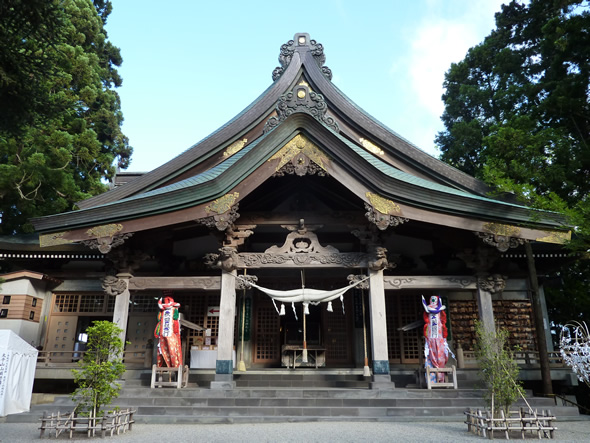
Taiheizan Miyoshi Shrine Headquarters: The Complete Picture of Akita’s Sacred Mountain Worship Dedicated to the God of Strength and Victory
Located in Akita City, Akita Prefecture, Taiheizan Miyoshi Shrine Headquarters is a venerable shrine boasting a history of approximately 1350 years. With its inner shrine at the summit of the sacred Mount Taihei and its lower shrine in Hiroomote, Akita City, it is affectionately known as “Miyoshi-san” and “Sankichi-san.” This shrine, deeply revered as the headquarter shrine of Miyoshi shrines and the Taiheizan sect throughout Japan and even as far as São Paulo, Brazil, offers a detailed introduction to its charm, from its history and rituals to its methods of worship.
History and Origins of Taiheizan Miyoshi Shrine
Founding and Ancient Beliefs
Taiheizan Miyoshi Shrine is said to have been founded in May of the second year of the Hakuhō era (673 AD) during the reign of Emperor Tenmu, by En no Gyōja Ozunu. Mount Taihei (elevation 1,170 meters), a sacred peak, has long been an object of mountain worship and has flourished as a sacred site for Shugendo (mountain asceticism).
In 801 AD, during the reign of Emperor Kanmu in the Heian period, Sakanoue no Tamuramaro, the Shogun, prayed for victory during his campaign against the eastern barbarians and erected a temple. The sacred arrow (okabura) offered at that time is still carefully preserved as a sacred treasure. This historical fact is one of the origins of Taiheizan Miyoshi Shrine’s reverence as a “god of victory.”
About Miyoshi Okami
Miyoshi Okami, the enshrined deity of Taiheizan Miyoshi Shrine, is known as the god of strength, victory, and the god who presides over dispelling evil and upholding justice. According to shrine tradition, Miyoshi Reijin is believed to be the deified Fujiwara Miyoshi (Tsurujumaru), the lord of Taihei Castle. However, essentially, he is a deity rooted in mountain worship, embodying the spiritual power of Mount Taihei itself.
Miyoshi Reijin is believed to possess strength, good fortune in competitions, and the power to defeat evil and reveal justice. Since ancient times, he has been worshipped by people of all social classes, including samurai and merchants, as a guardian deity of victory, success, and business prosperity.
Satomiya and Okumiya: Two Sacred Sites
Satomiya (Hiroomote, Akita City)
Located in Akanuma, Hiroomote, Akita City, the Satomiya is the central base of Taiheizan Miyoshi Shrine, accessible year-round. It boasts good access from the city center, attracting many visitors for New Year’s prayers, various rituals, and daily worship.
The grounds of the lower shrine include the main hall, a worship hall, and a shrine office. Various prayers are offered at any time, including exorcism for unlucky years, first shrine visits for newborns, car blessings, prayers for passing exams, and prayers for family safety. Reception hours are from 8:30 AM to 5:00 PM (prayers are offered from 9:00 AM to 4:00 PM), and no reservation is required. The shrine is open year-round, so you can visit anytime.
Inner Shrine (Taiheizan Summit)
Located on the summit of Taiheizan Mountain at an altitude of 1,170 meters, the inner shrine is a sacred site that can be considered the source of faith for Taiheizan Miyoshi Shrine. It is open only during the summer months, and can be visited by hiking up the mountain.
Climbing to the inner shrine is not merely sightseeing, but also carries the meaning of spiritual training that inherits the traditions of Shugendo (mountain asceticism). The view from the summit is magnificent, overlooking the Akita Plain, the Oga Peninsula, and even the Sea of Japan. Standing before this magnificent scenery, you’ll naturally understand why mountain worship flourished here.
Mount Taihei Climbing and Visiting the Inner Shrine
Main Climbing Routes
There are several climbing routes to Mount Taihei, but the main ones are as follows:
Asahimata Course: The most common route, reaching the summit in about 3 hours from the trailhead. It’s a well-maintained trail, making it relatively easy even for beginners.
Nibetsu Course: A slightly longer course, taking about 4 hours. You can walk through a lush forest and enjoy the vegetation of each season.
Maedake Course: A route for advanced climbers, with some steep sections, suitable for those who want to enjoy a more serious mountain climb.
Precautions for Hiking
When planning a pilgrimage to the inner shrine, please note the following:
- The climbing season is generally from late May to late October.
- Prepare equipment to cope with changing weather conditions.
- Carry sufficient water and snacks.
- Submit a climbing plan.
- Climbing is impossible in winter due to snow.
At the inner shrine at the summit, you can worship in a solemn atmosphere different from that of the lower shrine. The refreshing air that makes you forget the fatigue of the climb, and the space filled with a sacred presence, deeply move many worshippers.
Miyoshi Bonten Festival: A magnificent festival that colors winter in Akita
History and Significance of the Bonten Festival
The Miyoshi Bonten Festival, held annually on January 17th, is one of the most important festivals of Taiheizan Miyoshi Shrine. It is a special Shinto ritual in which young men vigorously jostle each other while offering a Yorishiro (a sacred object decorated with brightly colored cloth called “Bonden”) to the god of strength. This festival symbolically expresses the faith in Miyoshi Reijin, the god of strength, and the enthusiasm and bravery of the participants are overwhelming to behold. The fierce competition unfolding in the harsh winter of Akita attracts many spectators from both within and outside the prefecture, making it a winter tradition.
Highlights of the Bonten Festival
The greatest highlight of the Bonten Festival is the competition to be the first to present the Bonten, which is offered by each group. Young men, carrying Bonten beautifully decorated with colorful cloths and ornaments, fiercely jostle and push each other within the shrine grounds, competing to present their offerings to the gods.
This intense jostling is not merely a test of strength, but a sacred ritual praying for a bountiful harvest, business prosperity, and family safety throughout the year. The serious expressions of the participants and the enthusiastic cheers of the spectators combine to create a unique festival atmosphere.
Major Annual Festivals and Events
At Taiheizan Miyoshi Shrine, various festivals and events are held throughout the year, in addition to the Miyoshi Bonten Festival.
Major Annual Events
New Year’s Day Festival (January 1st): A festival to celebrate the New Year and pray for peace throughout the year. Many worshippers visit for the first shrine visit of the year, making the shrine grounds lively.
Miyoshi Bonten Festival (January 17th): As mentioned above, this is one of the most important festivals.
Spring Grand Festival (May 15th): A festival to celebrate the arrival of spring and pray for a bountiful harvest and the prosperity of the parishioners.
Summer Purification Ceremony (June 30th): A Shinto ritual to purify and cleanse away the sins and impurities accumulated over the past six months.
Autumn Grand Festival (October 15th): An important festival to express gratitude for the harvest.
Year-End Purification Ceremony (December 31st): This Shinto ritual cleanses away the sins and impurities of the past year, allowing one to welcome the new year with a pure heart.
These ceremonies are important pillars supporting the faith of Taiheizan Miyoshi Shrine and demonstrate its deep connection with the local community.
Various Prayers and Benefits
Types of Prayers Offered
At Taiheizan Miyoshi Shrine, you can receive prayers tailored to various milestones and wishes in life.
Prayer for Victory and Success: This prayer prays for success in all competitive endeavors, such as exams, job hunting, competitions, and elections. It is the prayer that most directly bestows the blessings of Miyoshi Reijin, the god of strength and victory.
Prayer for Business Prosperity: This prayer prays for business prosperity, company development, and the success of new ventures. It is a popular prayer among business owners and self-employed individuals.
Family Safety: This prayer prays for the health and happiness of all family members and peace in the home.
Exorcism for the Year of Misfortune: A prayer is offered to ward off misfortune for those entering their unlucky year, ensuring a safe and peaceful year.
First Shrine Visit for a Newborn: A prayer is offered to report the birth of a baby to the gods and to pray for their healthy growth.
Shichi-Go-San (7-5-3 Festival): A prayer is offered to celebrate a child’s growth and to pray for their future health and happiness.
Prayer for Success in Exams: A prayer is offered for students to achieve academic success and gain admission to their desired school.
Car Blessing: A prayer is offered for traffic safety when purchasing a new car or at the beginning of the year.
How to Receive a Prayer
No reservation is required for prayers. Applications can be made at the shrine office during reception hours (9:00 AM to 4:00 PM). The offering fee varies depending on the type of prayer, so it is recommended to check in advance. Prayers are offered continuously, and waiting times are relatively short, making it easy to participate.
The Nationwide Spread Miyoshi Faith
Taiheizan-ko and Branch Shrines
The Taiheizan Miyoshi Shrine Headquarters is the central hub for Miyoshi Shrines and Taiheizan-ko groups spread throughout Japan. Miyoshi Shrines are enshrined from Hokkaido in the north to Fukushima Prefecture in the south, and even as far away as São Paulo, Brazil, numbering in the hundreds.
These branch shrines and religious groups maintain strong ties with the Taiheizan Miyoshi Shrine Headquarters, preserving the faith in their respective regions. Every year, representatives from these groups visit the Headquarters to offer prayers of gratitude for divine blessings.
Characteristics of Miyoshi Faith
The defining characteristics of Miyoshi faith lie in its clear deities: “strength,” “victory,” and “repelling evil and upholding justice.” This responds to the universal desires of people seeking the strength to face life’s difficulties, the courage to walk the right path, and the power of justice to repel evil.
Historically, it was particularly revered by the samurai class, but in modern times, it attracts followers from people facing challenges in all fields, including students, athletes, business leaders, and politicians.
Information for Visitors
Access
Access by Train and Bus
- Approximately 20 minutes by Akita Chuo Kotsu bus bound for “Taihei” from JR Akita Station, get off at “Miyoshi Shrine Entrance” bus stop, 5-minute walk.
- Approximately 15 minutes by taxi from JR Akita Station.
Access by Car
- Approximately 10 minutes from Akita Chuo IC on the Akita Expressway.
- Parking: Free parking available on the shrine grounds (approximately 50 cars).
Visiting Hours and Shrine Office Reception
- Visiting Hours: Open all day (shrine grounds are always open).
- Shrine Office Reception Hours: 8:30 AM – 5:00 PM
- Prayer Reception Hours: 9:00 AM – 4:00 PM
- Closed: None (Open all year round)
Etiquette for Visiting Shrines
Observing basic shrine etiquette will allow for a more heartfelt visit.
- Bow before passing through the torii gate.
- Walk along the approach to the shrine, avoiding the center (the center is the path for the gods).
- Purify your body and mind at the water basin.
- At the front of the main hall, pray using the “two bows, two claps, one bow” ritual.
- After praying, turn around and bow once you leave the torii gate.
Items and Amulets
Taiheizan Miyoshi Shrine offers a variety of items and amulets.
Main Items
Victory Amulet: A popular amulet believed to bring good fortune in all kinds of competitions. Particularly popular with students taking exams and athletes.
Strength Amulet: An amulet that bestows the protection of the god of strength, believed to give you the power to face difficulties.
Business Prosperity Amulet: An amulet suitable for those wishing for business prosperity and development.
Traffic Safety Amulet: An amulet for praying for safety when driving or cycling.
Goshuin (Shrine Seal): You can receive a Goshuin as a memento of your visit. It is available at the shrine office.
Highlights of the Shrine Grounds
Main Hall and Worship Hall
The main hall of the lower shrine preserves the beauty of traditional shrine architecture. The worship hall has an open design that warmly welcomes visitors, and is a place where many people offer prayers.
Subsidiary Shrines
Several subsidiary shrines are enshrined around the main hall. Each offers different blessings, and many visitors pray to them in addition to the main hall.
Sacred Tree
Within the shrine grounds stands a sacred tree estimated to be several hundred years old, quietly watching over a long history. A sacred atmosphere can be felt from this tree, and many visitors offer prayers.
Nearby Tourist Attractions
When visiting Taiheizan Miyoshi Shrine, we recommend also visiting nearby tourist attractions.
Taiheizan Resort Park
A nature-rich park spread out at the foot of Mt. Taiheizan, where you can enjoy the scenery of all four seasons. The cherry blossoms in spring and the autumn foliage are particularly magnificent.
Akita City Folk Performing Arts Museum (Neburi-nagashi Hall)
A facility where you can learn about Akita’s traditional festivals and folk performing arts. You can also see demonstrations of the Kanto Festival.
Senshu Park
A park developed on the site of the castle of the Satake clan, the lords of the Akita domain, located in the heart of Akita City. A beautiful park where history and nature harmonize.
Cultural Value of Taiheizan Miyoshi Shrine
Tradition of Mountain Worship
Taiheizan Miyoshi Shrine is a valuable place that conveys the tradition of Japanese mountain worship to the present day. The form of worship, which developed under the influence of Shugendo (mountain asceticism), is an important subject of study for understanding the Japanese view of nature and religion.
Connections to Local Culture
Festivals such as the Miyoshi Bonten Festival are deeply intertwined with the local culture of Akita. Through these festivals, community bonds are strengthened, and traditional culture is passed down to future generations.
Taiheizan Miyoshi Shrine in the Modern Age
Diverse Visitors
In addition to traditional parishioners and members of religious associations, Taiheizan Miyoshi Shrine today attracts a diverse range of visitors, including students, athletes, business owners, and tourists. While each visits harbors different wishes, their collective prayers for the powerful protection of Miyoshi Reijin demonstrate the timeless universality of faith.
Information Dissemination Efforts
Taiheizan Miyoshi Shrine actively disseminates information about festivals and visitor guides through its website and social media. This allows the shrine’s appeal to visitors from afar and younger generations, expanding the circle of faith.
Summary: As the Guardian Deity of Strength and Victory
Taiheizan Miyoshi Shrine, the main shrine of the Taiheizan Miyoshi Shrine, is a venerable shrine with a history of over 1350 years, revered nationwide as the god of strength and victory. It has two sacred sites: the inner shrine located at the summit of the sacred Mount Taiheizan, and the lower shrine in Akita city, each receiving the faith of worshippers in different ways.
From its magnificent festivals, exemplified by the Miyoshi Bonten Festival, to its traditions of mountain worship and its response to modern-day requests for blessings, Taiheizan Miyoshi Shrine balances tradition and innovation, becoming a spiritual haven for many people.
When facing a crucial moment in life, embarking on a new challenge, or simply praying for daily peace, Taiheizan Miyoshi Shrine will grant you powerful protection. When you visit Akita, be sure to visit this historic shrine and experience the divine power of Miyoshi Reijin.