Complete Guide to Fujirokushō Sengen Shrine | Thorough Explanation of History, Benefits, and Goshuin Information
Fujirokushō Sengen Shrine, located in Fuji City, Shizuoka Prefecture, is a venerable shrine that has long been revered as the Gakunan Sōsha (main shrine) protecting the southern foot of Mt. Fuji. It is affectionately known locally as “Mikkaichi Sengen Shrine” and is a highly prestigious shrine serving as the principal of the Five Shrines of the Lower Mt. Fuji (Gosha Sengen).
This article provides a thorough explanation of everything you need to know before visiting Fujirokushō Sengen Shrine, from its history, enshrined deities, benefits, highlights within the grounds, access methods, and goshuin information.
Basic Information on Fujirokushō Sengen Shrine
Fujirokushō Sengen Shrine is located at 5-1 Sengen Honmachi, Fuji City, Shizuoka Prefecture. It is a candidate for a Shikinaisha (shrine listed in the Engishiki), formerly a Gōsha (village shrine), and is currently designated as a Beppyo Jinja (special shrine) by the Association of Shinto Shrines. As the only shrine in Fuji City designated as a special shrine, it serves as a central point of worship in the region.
Location and Access
Address: 5-1 Asama Honmachi, Fuji City, Shizuoka Prefecture
Phone Number: 0545-52-1270
Access by Car:
- Approximately 8 minutes from JR Fuji Station
- Approximately 10 minutes from JR Yoshiwara Station
- Approximately 3 minutes from Tomei Expressway Fuji IC
Access by Public Transportation:
- Approximately 8 minutes on foot from Yoshiwara Chuo Station bus stop
- Approximately 10 minutes on foot north from Fuji City Hall
Parking is available, making it convenient to visit by car.
Deities and Characteristics of the Shrine
Main Deity
The most distinctive feature of Fuchirokushō Asama Shrine is its unusual composition of deities for an Asama Shrine. While many Asama Shrines enshrine Konohanasakuya-hime no Mikoto as their principal deity, our shrine enshrines her father, Oyamatsumi no Mikoto, as its principal deity.
Enshrined Deities
In addition to the main deity, the following five deities are enshrined:
- Konohana-no-Sakuya-hime-no-Mikoto – Goddess of Mount Fuji, goddess of safe childbirth and child-rearing
- Fukabuchi-no-Mizuyarehana-no-Kami – Goddess of water
- Awanome-no-Kami – Goddess of foam
- Oyamakui-no-Kami – God of mountains
- Takaokami-no-Kami – Dragon god who controls rainwater
The name “Rokusho” (Six Shrines) comes from the enshrinement of these six deities.
Benefits
Fuchirokushō Sengen Shrine is particularly known for the following benefits:
- Protection from Evil and Directional Misfortune: Widely worshipped as “Fuji’s protection from evil and directional misfortune.”
- Prayer for Safe Childbirth: As it enshrines Konohanasakuya-hime, it offers blessings for safe childbirth and child-rearing.
- Family Safety: Safety of the family through the protection of the mountain gods.
- Good Fortune and Prosperity: Divine efficacy as the main shrine of Gakunan.
- Business Prosperity: As the guardian deity of the region.
History and Origin
Founding Legend
The founding of Fuchirokushō Sengen Shrine is said to date back to the time of Emperor Kōshō, the fifth emperor. It is said that it was originally enshrined on the summit of Mount Fuji, but was moved to its current location due to a volcanic eruption.
The Four Generals and Imperial Offerings
Records show that during the time when the Four Generals were dispatched in ancient times, the shrine received imperial offerings from the imperial court, indicating a deep connection with the court from ancient times.
Establishment in the First Year of the Daido Era
In the first year of the Daido era (806 AD), the deities of the Five Shrines of Mount Fuji (Gosha Sengen) were established, and this shrine was positioned as the principal one. This made it the center of faith in the southern foothills of Mount Fuji, known as “Rokushogu.”
From the Early Modern Period to the Present
Throughout the Edo period, it was revered as the guardian shrine of the region, and in the Meiji era, it was ranked as a local shrine. After World War II, it was designated as a special shrine by the Association of Shinto Shrines, a status it maintains to this day.
In June 2016, a major reconstruction of the shrine building, the first in approximately 250 years, was completed, preserving its magnificent appearance to the present day.
Highlights of the Shrine Grounds
The Main Shrine Building
Completed in 2016, the current shrine building is a magnificent structure that revives the beauty of traditional shrine architecture in a modern setting. This major renovation, the first in approximately 250 years, gives it a dignified presence that welcomes visitors.
The Sacred Camphor Tree
The most noteworthy feature of the shrine grounds is the sacred camphor tree, designated as a natural monument of Shizuoka Prefecture.
- Age: Over 1200 years
- Trunk Circumference: Approximately 13 meters
- Height: Over 20 meters
This camphor tree, a living witness to the long history of the shrine, deeply moves visitors. Standing before this giant tree, over 1200 years old, one can feel a sacred atmosphere that transcends time.
Other Shrine Facilities
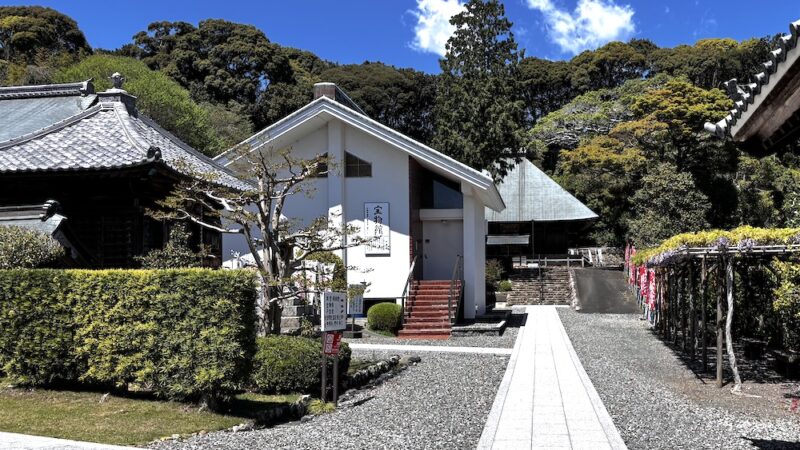
The shrine grounds include the main hall, worship hall, subsidiary shrines, and a purification fountain, providing all the necessary facilities for worship. You can worship in a tranquil atmosphere.
Main Festivals and Annual Events
Grand Festival (May 3rd)
The most important festival of Fuchirokushō Sengen Shrine is the Grand Festival, held annually on May 3rd.
Evening Festival (May 2nd): The evening festival is held the day before the Grand Festival, attracting many worshippers to the shrine grounds. Solemn Shinto rituals are performed, creating a festive atmosphere.
Grand Festival Day: On May 3rd, traditional Shinto rituals are performed, making it a community-wide celebration. Stalls line the streets, and the area is bustling with many worshippers.
Other Annual Events
- New Year’s Day Festival (January 1st): A festival celebrating the New Year
- Setsubun Festival (around February 3rd): A Shinto ritual for warding off evil spirits
- Summer Purification Ceremony (June 30th): A Shinto ritual to purify oneself of the impurities accumulated over the past six months
- Autumn Festival: A festival to give thanks for the autumn harvest
- Year-End Purification Ceremony (December 31st): A Shinto ritual to purify oneself of the impurities accumulated over the past year
Goshuin (Shrine Seal) Information
At Fuchirokushō Sengen Shrine, you can receive a Goshuin as a memento of your visit.
Features of the Goshuin
The Goshuin is stamped with either “Fuchirokushō Sengen Shrine” or “Mikkaichi Sengen Shrine” and written in ink along with the date. It is a magnificent Goshuin that reflects the status of a shrine of special importance.
Reception Area
Goshuin (temple/shrine stamps) are given at the shrine office. Please speak to the shrine office after your visit.
Notes:
- Goshuin are proof of your visit, so please be sure to pray before receiving one.
- If you forget your goshuincho (stamp book), pre-written stamps are available.
- During busy times, it may take some time, so please visit with plenty of time to spare.
About the Five Shrines of Mount Fuji (Gosha Sengen)
Fuchi Rokushō Sengen Shrine is the principal shrine of the Five Shrines of Mount Fuji (Gosha Sengen). The Five Sengen Shrines refer to the following five Sengen shrines located at the southern foot of Mount Fuji:
- Fuchi Rokushō Sengen Shrine (Rokushōgū) – Fuji City
- Fuji Sengen Shrine (Subashiri Sengen Shrine) – Oyama Town, Suntō District
- Fuji Sengen Shrine (Ōmiya Sengen Shrine) – Fujinomiya City
- Fuji Omuro Sengen Shrine – Fujikawaguchiko Town, Minamitsuru District
- Yamamiya Sengen Shrine – Fujinomiya City
These shrines, along with Fujisan Hongū Sengen Taisha, have functioned as important centers of Mount Fuji worship.
Manners and Etiquette for Visiting a Shrine
Basic Etiquette for Visiting a Shrine
- Bow before passing through the torii gate: As a sign of respect before entering the sacred area.
- Purify yourself at the water basin: Purify your left hand, then your right hand, then your mouth.
- Walk along the edge of the path: The center is considered the path of the gods.
- Etiquette at the main hall: Two bows, two claps, and one bow is the basic form.
Attire
While everyday clothing is acceptable for visiting a shrine, it is advisable to wear attire that reflects the sacred nature of the place. If you are receiving a prayer, slightly more formal attire is recommended.
Nearby Tourist Attractions
Fuji City Hall
Fuji City Hall, located about a 10-minute walk from the shrine, offers a spectacular view of Mt. Fuji from its observation lobby.
Fujisan Hongu Sengen Taisha Shrine
Located about 20 minutes away by car, Fujisan Hongu Sengen Taisha Shrine is the head shrine of all Sengen shrines nationwide. Visiting it along with Fuchi Rokushō Sengen Shrine is highly recommended.
Gakunan Railway
The Gakunan Railway, offering a scenic local train journey, is one of Fuji City’s popular tourist attractions. A train ride enjoyed with night views is particularly special.
The Modern Role of Fuchi Rokushō Sengen Shrine
Center of the Local Community
Fuchi Rokushō Sengen Shrine continues to function as a central hub for the local community. Festivals, including the annual grand festival, provide valuable opportunities for local residents to gather together.
Information Dissemination via Social Media
The shrine actively disseminates information through its official Instagram (@fuji6sho_lab) and X (formerly Twitter). With approximately 24,000 followers, it conveys the shrine’s charm using modern methods.
Protection of Cultural Properties
The shrine is dedicated to protecting valuable cultural properties, including the large camphor tree designated as a prefectural natural monument, playing a vital role in passing on history and tradition to future generations.
Precautions When Visiting
Inquiries
Please contact the shrine directly by phone (0545-52-1270) rather than via SNS DM. For detailed inquiries regarding prayers and Goshuin (shrine stamps), telephone confirmation is recommended.
Parking
There is a parking lot on the shrine grounds, but congestion is expected during events such as the annual festival. Please consider using public transportation if possible.
Photography
Photography is generally permitted on the shrine grounds, but consideration should be given to avoiding disturbing religious ceremonies or other visitors. The sacred camphor tree is a particularly popular photo spot, but please be careful not to step on its roots.
Summary
Fuchirokushō Sengen Shrine is an important shrine at the southern foot of Mt. Fuji with a history of over 1200 years. Located in Fuji City, Shizuoka Prefecture, this shrine boasts a unique deity composition with Oyamatsumi-no-Mikoto as its principal deity, a sacred camphor tree over 1200 years old, and a magnificent shrine building completed in 2016, among many other attractions.
As the foremost of the five shrines below Fuji and the main shrine of Gakunan, this shrine has long been revered by the local people. Known for its blessings of protection against misfortune, protection from evil influences, and safe childbirth, it continues to attract many worshippers.
When visiting Fuji City, be sure to visit Fuchirokushō Sengen Shrine (Mikkaichi Sengen Shrine) and experience its long history and sacred atmosphere. The period around the annual festival on May 3rd is especially ideal for experiencing the atmosphere of a traditional festival.
As a shrine listed under the Association of Shinto Shrines and the only such shrine in Fuji City, Fuchirokushō Sengen Shrine will continue to play its role as a center of local faith and culture.