Complete Guide to Sagae Hachimangu Shrine | A Thorough Explanation of its 900-Year History and the Charm of the Yabusame Ritual
Sagae Hachimangu Shrine, located in Sagae City, Yamagata Prefecture, is a prestigious shrine boasting a history of over 900 years since its establishment in this area. As the guardian shrine of Sagae-sho, it attracts the faith of the local community and is widely known for its Yabusame ritual, designated as a prefectural intangible folk cultural property, and as a famous cherry blossom viewing spot.
This article comprehensively introduces information useful for visiting Sagae Hachimangu Shrine, including its history and origins, annual events, details of prayers, and access methods.
History and Origins of Sagae Hachimangu Shrine
Origins of its Founding and the Former Nine Years’ War
According to the Dewa Province Fudoki and ancient shrine records, the founding of Sagae Hachimangu Shrine dates back to 1060 AD (Kohei 3). It is said that the shrine originated when Minamoto no Yoriyoshi and his son Yoshiie, during their conquest of Oshu (the Former Nine Years’ War), prayed for victory by inviting a Hachiman deity to the shrine and donating 3,000 tsubo (approximately 10,000 square meters) of land, appointing a single Shinto priest.
The Former Nine Years’ War was a conflict in which Minamoto no Yoriyoshi, as the governor of Mutsu Province, subjugated the Abe clan of Oshu. During this time, the worship of Hachiman spread throughout the Tohoku region. Sagae Hachiman Shrine is a venerable shrine that was born within this historical context.
The Ooe Clan and the Invitation from Tsurugaoka Hachiman Shrine
After Minamoto no Yoritomo destroyed the Oshu Fujiwara clan, the Ooe clan took up residence as the jitō (land steward) of Sagae Manor. They invited a divided spirit from Tsurugaoka Hachiman Shrine and built the shrine at its current location. As a result, Sagae Hachiman Shrine developed as the tutelary deity of the Ooe clan and the guardian shrine of Sagae Manor.
Sagae-sho was a vast estate encompassing Yachi and Mizunobe, collectively known as “Sagae-sho 3 Hachiman.” It was formerly called “Kawanishi Chinju” (Guardian Shrine of Kawanishi) and served as the center of faith for the entire region.
Former Shrine Rank and Current Status
Sagae Hachimangu Shrine was formerly ranked as a prefectural shrine and is currently designated as a Beppyo Shrine (Special List Shrine) by the Association of Shinto Shrines. A Beppyo Shrine is a shrine with special historical significance as defined by the Association of Shinto Shrines, reflecting its high status.
Deities and Benefits
Main Deity and Enshrined Deities
The main deity of Sagae Hachimangu Shrine is Hondawake-no-mikoto. Hondawake-no-mikoto is the divine name of Emperor Ojin and is widely worshipped as Hachiman-shin. Known as the god of military fortune, victory in competitions, and national protection, he has also been revered as the tutelary deity of the Minamoto clan.
The shrine also enshrines Ōyamatsumi-no-kami as a secondary deity. Ōyamatsumi-no-kami is known as the god of mountains and the sea, and is considered the guardian deity of industrial development and family safety.
Diverse Blessings
Sagae Hachimangu Shrine is believed to offer a variety of blessings, including:
- Good Fortune and Protection from Misfortune: Warding off misfortune at life’s turning points and opening up good fortune.
- Matchmaking: Forging good relationships and smoothing interpersonal relationships.
- Safe Childbirth and Fertility: Fulfilling prayers for safe childbirth and fertility.
- Prayers for Success in Exams: Guiding academic achievement and passing exams.
- Business Prosperity: Promoting business development and thriving business.
- Family Safety: Ensuring the health and peaceful lives of family members.
Many worshippers, both local and from afar, visit the shrine seeking these blessings.
Annual Events and Festivals
Grand Festival (September 15th)
The most important festival of Sagae Hachimangu Shrine is the Grand Festival, held annually on September 15th. On this day, a portable shrine procession and various Shinto rituals take place, attracting many worshippers.
During the Grand Festival, traditional festivals unfold within the shrine grounds and surrounding areas, creating a grand event that integrates local culture and faith. The portable shrine parades through the town, enveloping the entire community in a festive atmosphere.
Kōsha Grand Festival (April 29th)
The Kōsha Grand Festival is held on April 29th. The Kōsha is an organization of people who worship at the shrine, and Shinto rituals are primarily performed by members of the Kōsha. It is an important festival celebrating the arrival of spring and praying for peace throughout the year.
Yamagata Prefecture Designated Intangible Folk Cultural Property: Yabusame (Horseback Archery)
The most distinctive feature of Sagae Hachimangu Shrine is the “Ancient Style Yabusame” and “Crop Test Yabusame,” both designated as Yamagata Prefecture Designated Intangible Folk Cultural Properties.
Ancient Style Yabusame is a traditional Shinto ritual passed down from the Kamakura period, a magnificent ceremony in which archers shoot at targets from galloping horseback. As a valuable cultural asset that conveys the tradition of martial arts that has continued since the samurai era, it captivates many spectators.
Crop Test Yabusame is a Shinto ritual performed to predict the abundance or scarcity of the year’s crops. It is a traditional ceremony in which a bountiful harvest is prayed for and the harvest is predicted based on the number and location of arrows hitting the target.
The Yabusame ritual is held in conjunction with the annual festival, and the sight of archers, clad in traditional attire, riding horses and hitting targets one after another is breathtaking. Many visitors come from within and outside the prefecture to witness this Shinto ritual.
Shichi-Go-San Pilgrimage
Autumn marks the Shichi-Go-San pilgrimage season. From mid-October to November, many families visit Sagae Hachimangu Shrine to celebrate their children’s growth and pray for their continued health. For reservations and details regarding prayers, please contact the shrine directly.
Other Annual Events
- Hatsumode (January 1st-3rd): Praying for happiness in the new year
- Setsubun Festival (February): Exorcising evil spirits through bean-throwing
- Natsukoshi no Oharae (June 30th): Purifying oneself of the impurities accumulated over the past six months
- Toshikoshi no Oharae (December 31st): Purifying oneself of the impurities accumulated over the past year
Through these events, Sagae Hachimangu Shrine functions as a center of local faith and culture.
About Prayers
Types of Prayers
Sagae Hachimangu Shrine accepts prayers for various milestones and wishes in life.
- Exorcism/Protection from Misfortune
- Family Safety/Traffic Safety
- Prayers for Safe Childbirth/First Shrine Visit
- Shichi-Go-San Ceremony
- Prayers for Success/Academic Achievement
- Business Prosperity/Company Thriving
- Healing from Illness
- Prayers for a Good Relationship
- Groundbreaking Ceremony/Roof-Raising Ceremony
Prayer Reception Hours
Prayer reception hours are from 9:00 AM to 4:00 PM (prayers are performed until 4:00 PM). The shrine office is open from 9:00 AM to 5:00 PM.
Advance reservations are recommended. If you wish to ensure you receive a prayer, please contact us by phone (0237-86-6258) in advance.
Offering Fee
The offering fee for prayers varies depending on the type and content of the prayer. Please contact the shrine directly for details. Generally, it starts from 5,000 yen, but it may differ for special prayers.
Highlights of the Shrine Grounds
Shrine Buildings and Architecture
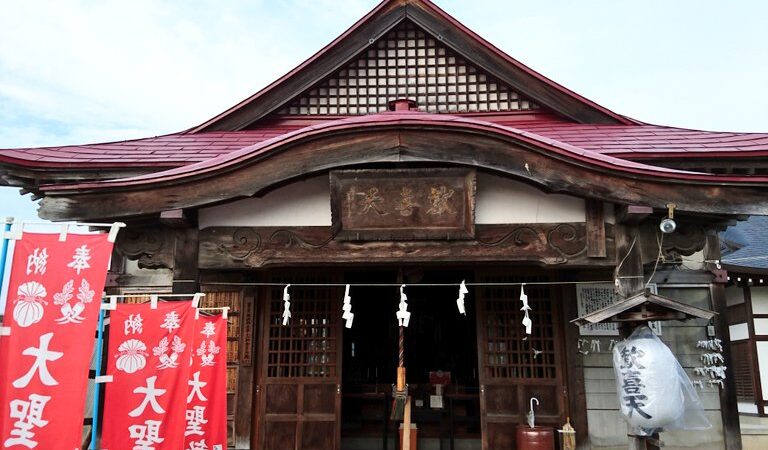
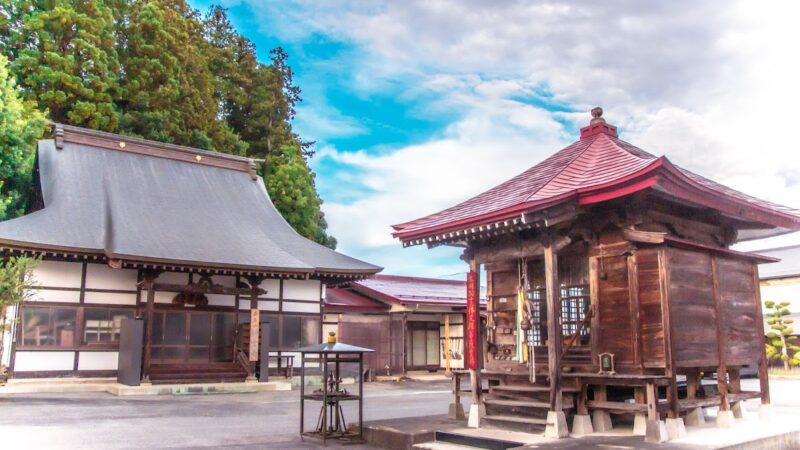
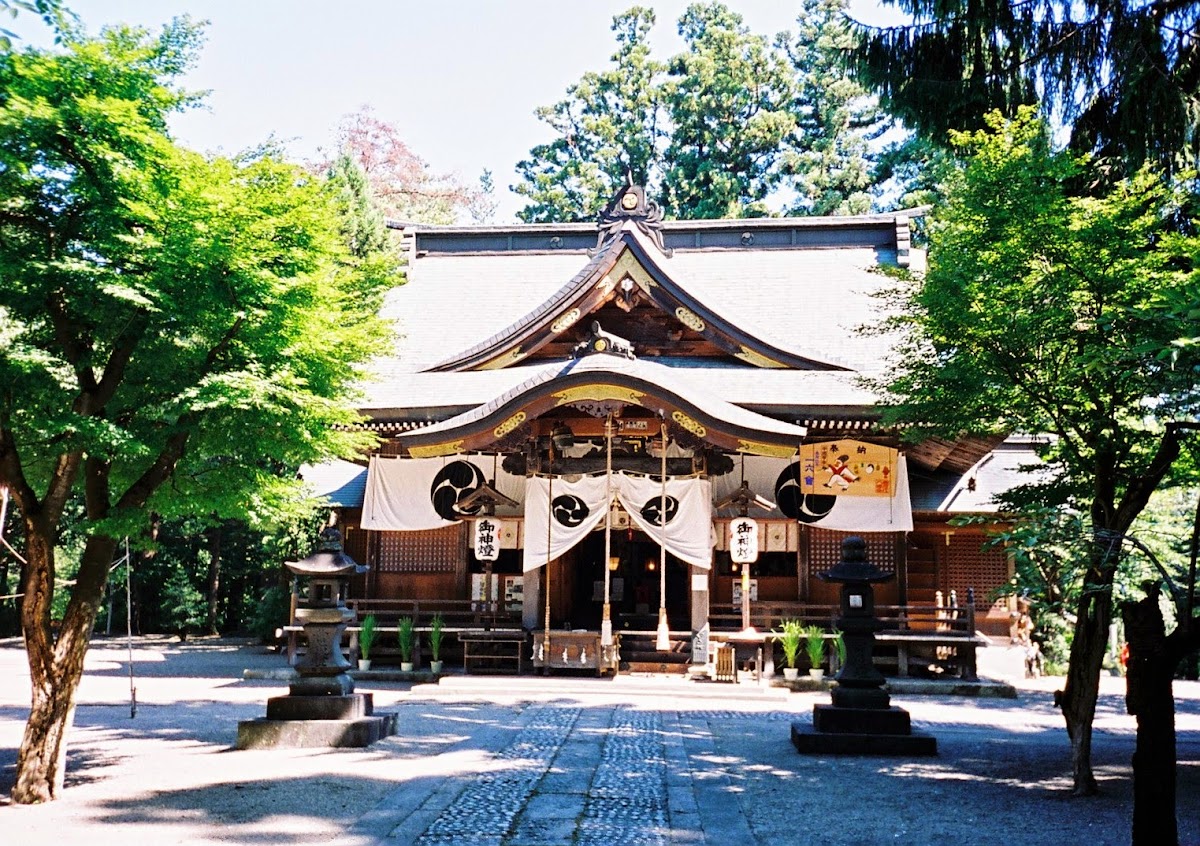
The shrine buildings of Sagae Hachimangu Shrine are majestic structures that convey the traditional style of shrine architecture. The layout from the worship hall to the main hall creates a sacred atmosphere for visitors.
The vermilion-lacquered shrine buildings harmonize with the surrounding greenery, displaying different expressions throughout the seasons. Especially during the seasons of fresh greenery and autumn leaves, the entire shrine grounds create a beautiful landscape.
Cherry Blossom Spot
Sagae Hachimangu Shrine is also known as a cherry blossom spot. In spring, the cherry trees planted on the grounds and along the approach to the shrine bloom all at once, welcoming visitors.
During the cherry blossom season, locals and tourists enjoy viewing the blossoms, and the trees are sometimes illuminated at night. The combination of a shrine and cherry blossoms is a beautiful scene that symbolizes the spring landscape of Japan.
Assembly Hall
Within the shrine grounds is the Assembly Hall, where various events and ceremonies are held. Events such as the Tanabata Night Market are also held here, and it functions as a community gathering place for the local area.
Access Information
Access by Train
From JR Nishi-Sagae Station
- Approximately 10 minutes on foot
- The most convenient access from the nearest station
From JR Sagae Station
- Approximately 20 minutes on foot
- Approximately 5 minutes by car
- Taxis are also available
Access by Car
From Yamagata Expressway
- Approximately 15 minutes from Sagae Interchange
- Via national highway towards the city center
Parking
- Parking available on the temple grounds
- Temporary parking is also available during major festivals
- Please check the latest information before visiting, as construction and maintenance may be carried out on the slope leading to the parking lot.
Address and Contact Information
Address: 5-70 Hachiman-cho, Sagae City, Yamagata Prefecture 991-0025
Phone: 0237-86-6258
Reception Hours: 9:00 AM – 5:00 PM (Prayers until 4:00 PM)
Nearby Tourist Attractions
Nagaoka Kannon Temple
Nagaoka Kannon Temple is located within Sagae City, and many visitors come to it along with Sagae Hachimangu Shrine. It is an important temple that supports local faith.
Chōnenji Temple
The historic Chōnenji Temple is also known as a cultural asset of Sagae City. For those who enjoy visiting temples and shrines, we recommend visiting these temples as well.
Sagae City Tourism
Sagae City is nationally famous as a cherry-producing area. Many tourists visit during the cherry-picking season from June to July. In addition to visiting Sagae Hachimangu Shrine, you can enjoy local specialties and sightseeing.
Manners and Etiquette for Visiting a Shrine
Basic Etiquette for Visiting a Shrine
- Bow before passing through the torii gate: This is a courtesy before entering the sacred area.
- Purify yourself at the water basin: Purify your left hand, right hand, and mouth in that order.
- Walk along the edge of the path: The center is considered the path for the gods.
- Etiquette at the main hall: Two bows, two claps, and one bow are the basic rituals.
About Goshuin (Shrine Seals)
Goshuin (shrine seals) can be obtained at Sagae Hachimangu Shrine. Please bring your goshuincho (seal book) and apply during the shrine office’s reception hours (9:00 AM to 5:00 PM).
The offering fee is generally around 300 to 500 yen, but please check with the shrine office for details. Goshuin are proof of your visit and are valuable as a memento.
About Photography
Photography is generally permitted on the shrine grounds, but consideration must be given to avoid disturbing Shinto rituals or other visitors. Please refrain from taking photos, especially during prayers.
Social Media and Latest Information
Official Instagram Account
Sagae Hachimangu Shrine operates an official Instagram account (@sagaehachimangu), where it shares information about the shrine’s seasonal scenery, events, and announcements.
With over 1,200 followers, regularly updated posts are helpful for gathering information before your visit. You can get real-time information such as the cherry blossom blooming status and the Yabusame (mounted archery) ritual.
Checking Announcements
The shrine’s official website (https://www.sagae-hachimangu.org/) contains details of annual events, temporary changes, and construction information. We recommend checking the latest information before your visit.
Summary of Sagae Hachimangu Shrine’s Charms
Sagae Hachimangu Shrine, with its history of over 900 years, is a prestigious shrine that continues to be a center of local faith and culture. The Yabusame (mounted archery) ritual, a prefecturally designated intangible folk cultural property, is a valuable cultural heritage that preserves a tradition dating back to the samurai era.
Sagae Hachimangu Shrine, with its seasonal charms including cherry blossoms in spring and Yabusame in autumn, is also known for its diverse blessings, such as good fortune, protection from evil, matchmaking, safe childbirth, and success in examinations. It’s a shrine that can be visited for various purposes, including prayer, worship, and collecting Goshuin (shrine stamps).
Its convenient access, just a 10-minute walk from JR Nishi-Sagae Station, is another attractive feature. When visiting Yamagata Prefecture, be sure to visit Sagae Hachimangu Shrine and experience its history, tradition, and sacred atmosphere.
As the guardian shrine of Sagae-sho, Sagae Hachimangu Shrine will continue to be close to the local people and provide peace and hope to all who visit. Its majestic presence and warm atmosphere will surely leave a deep impression on your heart.