Complete Guide to Okuni Shrine | History, Deities, Seasonal Highlights, and Visiting Information for the Ichinomiya of Tōtōmi Province
Okuni Shrine, located in Ichinomiya, Mori-cho, Shūchi-gun, Shizuoka Prefecture, boasts a history of over 1470 years as the Ichinomiya (first-ranked shrine) of Tōtōmi Province, and has long been a place of worship for the local people. Situated at the southern foot of Mt. Hongū, the shrine grounds, surrounded by abundant nature, continue to captivate visitors with the beauty of each season, from cherry blossoms in spring and irises in early summer to autumn leaves.
This article provides a detailed explanation of the history of Okuni Shrine and its enshrined deity, Ōkuninushi-no-Mikoto, as well as comprehensive information you should know before visiting, including highlights of the grounds, annual events, points to note when visiting, and access methods.
What is Okuni Shrine? | Status and History of the Ichinomiya of Tōtōmi Province
Status as the Ichinomiya of Tōtōmi Province
Okuni Shrine has held a special status since ancient times as the Ichinomiya of Tōtōmi Province (present-day western Shizuoka Prefecture). Ichinomiya refers to the shrine with the highest rank in a region, and was considered important as the first shrine visited by the provincial governor during their pilgrimage.
Its former rank was Kokuhei Shosha (National Shrine of the Lower Rank), and it is currently designated as a Beppyo Jinja (Special Shrine) by the Association of Shinto Shrines. It is also known as a Shikinaisha (Shrine listed in the Engishiki), a historically significant ancient shrine whose name is recorded in the Engishiki Jinmyocho (Register of Shrines) from the Heian period.
A History of Over 1470 Years
Oguni Shrine has a long history, spanning over 1470 years. The “Shoku Nihon Koki” (Continued Chronicles of Japan) records that in 840 (Jōwa 7), Oguni Tenjin in Shūchi County was granted the rank of Junior Fifth Rank, Lower Grade, marking the first recorded appearance of Oguni Shrine in historical documents.
From the medieval period onward, it received the reverence of warlords, including Tokugawa Ieyasu, and during the Edo period, it became widely worshipped as the guardian deity of Tōtōmi Province. It has attracted fervent devotion from people for its wide range of blessings, including national development, prosperity in various industries, business success, family safety, and matchmaking. ### The Origin of the Shrine Name “Oguni”
The name “Oguni Shrine” has an interesting origin. The enshrined deity, Ōnamuchi-no-Mikoto, is also the principal deity of Izumo Taisha Shrine. A strong theory suggests that the shrine was named “Oguni” as a respectful honorific in contrast to the “Ōkuni” (大国) of Izumo Taisha Shrine.
This naming convention reveals the deep connection between Oguni Shrine and Izumo Taisha Shrine, and the reverence for the enshrined deity.
About the Enshrined Deity, Ōnamuchi-no-Mikoto
Ōnamuchi-no-Mikoto and Ōkuninushi-no-Mikoto
The enshrined deity of Oguni Shrine is Ōnamuchi-no-Mikoto. This deity is another name for Ōkuninushi-no-Mikoto, and is generally known as “Daikoku-sama.”
Ōkuninushi-no-Mikoto is known in Japanese mythology as the god of nation-building. He is said to have traveled throughout Japan, primarily in Izumo, developing the land and spreading knowledge and skills necessary for people’s lives, such as agriculture, fishing, and medicine.
The Myth of the White Rabbit of Inaba
The myth of the White Rabbit of Inaba is essential when discussing Ōkuninushi-no-Mikoto. In this myth, Ōkuninushi-no-Mikoto helped a white rabbit suffering from having its skin peeled off and taught it how to heal its wounds.
From this episode, Ōkuninushi-no-Mikoto is widely revered as a kind-hearted, compassionate god who helps those in need. This myth is also one of the reasons why Oguni Shrine is known for its blessings related to matchmaking and good fortune.
Blessings and Faith
Ōkuninushi-no-Mikoto is worshipped as a god who brings many blessings. The main blessings offered include the following:
- Matchmaking: As a deity that brings good fortune in relationships, it attracts worshippers seeking romantic success and marriage.
- Protection from Evil: It wards off misfortune and evil, protecting a peaceful life.
- Business Prosperity: Many business owners and merchants visit to pray for the development and prosperity of their businesses.
- Traffic Safety: It ensures safe travels and protection from traffic accidents.
- Family Safety: It protects the health and happiness of the family.
- Prosperity in All Industries: Prayers can be offered for the development of all industries and businesses.
Highlights and Sacred Spaces of the Shrine Grounds
Main Hall and Worship Hall
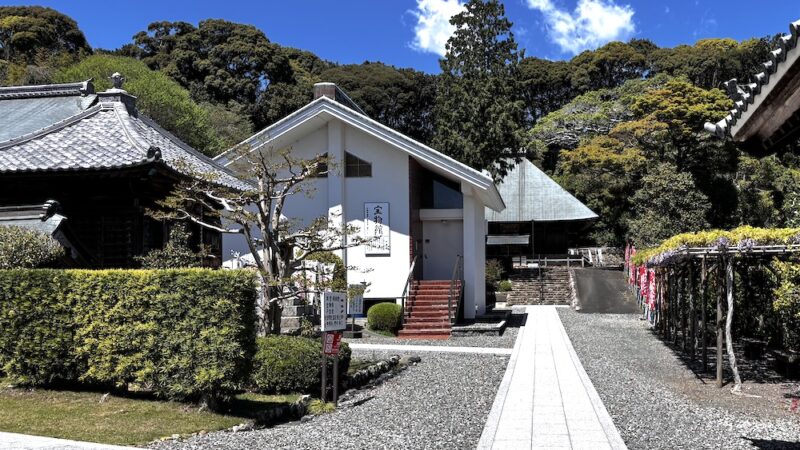
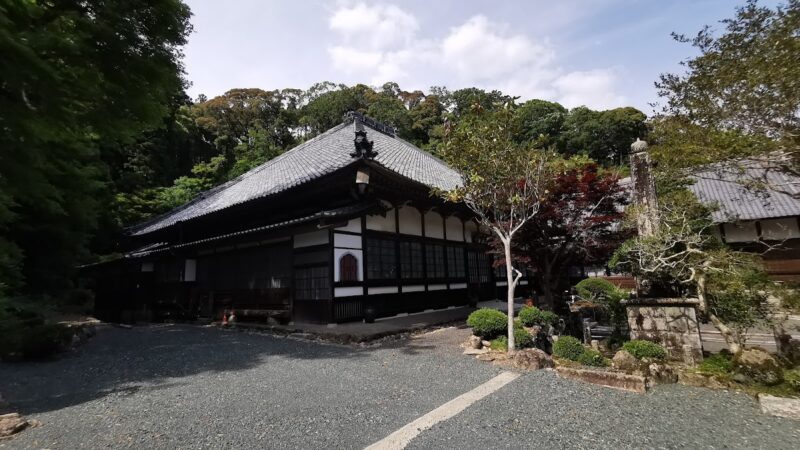
The main hall of Oguni Shrine is located at the southern foot of Mt. Hongu, nestled in a deep forest. The grounds, surrounded by trees, are filled with a sacred atmosphere, offering visitors a tranquil experience.
The worship hall presents a solemn presence as a place where worshippers offer their prayers. When visiting the shrine, please offer your prayers with sincerity, following the proper etiquette of two bows, two claps, and one bow.
Jindai Sugi (Ancient Cedar)
Within the shrine grounds stands the Jindai Sugi, an ancient cedar tree said to be over 800 years old. It is a living witness to the long history of Oguni Shrine and attracts the attention of visitors. This giant tree is revered by many as a symbol of the shrine’s spiritual power.
Walking Path Along the Miyagawa River
A beautiful walking path is maintained along the Miyagawa River that flows through the shrine grounds, allowing visitors to enjoy the changing seasons. Especially during the autumn foliage season, the vibrant colors of the leaves reflected on the river create a spectacular view.
Oguni Kotomachi Yokocho
In front of the gate of Oguni Shrine is “Oguni Kotomachi Yokocho,” where you can enjoy local specialties, souvenirs, and food and drinks. It is recommended to stop by after your visit to savor the flavors of Enshu.
The alleyway sells dishes made with local ingredients from Mori Town, as well as tea and sweets unique to Shizuoka Prefecture, allowing you to take home a memento of your visit to Oguni Shrine.
Beauty of the Seasons | Year-Round Highlights
Oguni Shrine, known as the “Healing Sacred Garden,” offers beautiful flowering trees and shrubs throughout the year.
Spring Cherry Blossoms (Late March to Early April)
In spring, the shrine grounds are adorned with cherry blossoms, attracting many visitors for “Sakura-mode” (cherry blossom pilgrimage). The sight is particularly magnificent when the Somei Yoshino and weeping cherry trees are in full bloom, and walking beneath a tunnel of cherry blossoms is a special experience.
During the cherry blossom season, “Cherry Blossom Information” is updated regularly, so it is recommended to check the latest information on the official website before visiting. Starting with the first blooming Somei Yoshino cherry trees, multiple varieties bloom in succession, allowing you to enjoy the cherry blossoms for an extended period.
Early Summer Irises (Late May to Mid-June)
From late May to mid-June, beautiful irises bloom in abundance at Ichinomiya Iris Garden. The sight of colorful irises in purple, white, and pink adorning the waterside is a beloved symbol of early summer.
The iris garden is located in front of the temple gate, making it an excellent location for viewing in conjunction with a visit to the shrine. Enjoy the vibrant scenery that will chase away the gloom of the rainy season.
Early Summer Miyama Azaleas and Rhododendrons
From spring to early summer, Miyama azaleas and rhododendrons also adorn the temple grounds. These flowers bloom on the mountain slopes, creating a beautiful landscape that blends seamlessly with nature.
Autumn Foliage (Mid-November to Late November)
Oguni Shrine is also famous as a spot for viewing autumn foliage. From mid- to late November, the maple trees on the shrine grounds change color, displaying the beauty of autumn.
Special items available only during the autumn foliage season, such as the “Maple Leaf Pilgrimage Goshuincho” (stamp book) and “Maple Leaf Charm,” are offered, allowing you to take home a special memento. The autumn leaves along the Miyagawa River are particularly beautiful, and their reflection on the water makes for excellent photography.
Autumn foliage information is updated regularly, so we recommend checking the official website to avoid missing the best viewing time.
Winter Serenity
In winter, Oguni Shrine is enveloped in a quiet and dignified atmosphere. When it snows, the grounds become a world of white, revealing a different kind of beauty. Visiting the shrine in the crisp winter air offers a refreshing feeling that cleanses both mind and body.
Major Annual Rituals and Events
Oguni Shrine holds various rituals and events throughout the year.
Main Shinto Rituals in January
- Saitansai: A Shinto ritual celebrating the New Year
- Genshisai: Prayers for the prosperity of the Imperial Family and the peace and security of the nation
Main Shinto Rituals in February
- Setsubunsai: Bean-throwing ritual to ward off evil and invite good fortune
- Kigensai: A Shinto ritual celebrating the founding of the nation
Shinto Rituals in May
May is a beautiful season when irises bloom, and various Shinto rituals are performed. This is an important time to give thanks for nature’s blessings and pray for a bountiful harvest.
Other Annual Events
- Reitaisai: The most important festival at Oguni Shrine
- Shichi-Go-San: A celebration of children’s growth
- Oharai: A Shinto ritual held in June and December to purify sins and impurities
For detailed dates and content, we recommend checking the official website.
Special Offerings and Amulets
Disaster Prevention Amulet (Belt Amulet)
Oguni Shrine offers a “Disaster Prevention Amulet” (belt amulet). This special amulet is believed to protect the wearer from disaster.
Maple Leaf Amulet
During the autumn foliage season, the “Maple Leaf Amulet” is offered. This amulet, featuring a beautiful maple leaf motif, is a popular seasonal offering.
Maple Leaf Pilgrimage Goshuincho (Stamp Book)
During the autumn foliage season, the “Maple Leaf Pilgrimage Goshuincho” is also offered, making it a special book for those collecting Goshuin (stamps).
Other Offerings
Various offerings are available, including amulets for matchmaking, protection against evil, and traffic safety. You can choose according to your wishes.
Cultural Events and Special Exhibitions
Oguni Shrine also holds various events that convey the history and culture of the shrine.
Shinto Storytelling: “The Story of Oguni Shrine”
Occasionally, an original storytelling performance, “Shinto Storytelling: The Story of Oguni Shrine,” by the fourth-generation master Tamada Gyokushusai, is held. Admission is free, and you can enjoy learning about the history and mythology of Oguni Shrine through the traditional art of storytelling.
Art Exhibitions
Exhibitions of Japanese paintings and glass art, such as the “Kurihara Yukihiko Rurika Exhibition,” are sometimes held. It offers a special experience of appreciating works of art in the sacred space of a shrine.
Information about these events is regularly posted on the official website and social media, so it is recommended to check before your visit.
Access Information and Visiting Guide
Access by Train
The nearest station to Oguni Shrine is “Tōtōmi-Ichinomiya Station” on the Tenryū Hamanako Railway (Tenhama Line). The shrine can be reached on foot or by taxi from the station.
The Tenhama Line is known as a charming local railway, and you can enjoy the scenery from the train windows. It is also recommended as a sightseeing route when visiting the Enshū region. ### Access by Car
If visiting by private car, the nearest interchanges are the Mori-Kakegawa IC or Enshu-Morimachi Smart IC on the Shin-Tomei Expressway. From the IC, it’s about a 10-15 minute drive on local roads.
The shrine grounds have a free parking lot for visitors. However, it is expected to be crowded during peak seasons such as cherry blossom and autumn foliage seasons, and New Year’s, so it is recommended to visit with plenty of time to spare.
Visiting Hours and Precautions
Oguni Shrine is generally open for daytime visits. However, the reception hours for the shrine office and the hours for receiving amulets are limited, so it is advisable to check in advance if you wish to obtain a goshuin (shrine stamp) or amulet.
The shrine grounds are located in a natural setting, so it is recommended to wear comfortable shoes. Particular caution is needed during rainy weather and the autumn foliage season, as the ground can become slippery.
Nearby Tourist Attractions
Sightseeing in Mori Town
Mori Town, where Oguni Shrine is located, is also known as “Little Kyoto of Enshu,” and is a town rich in historical temples and shrines and natural scenery. Visiting other tourist spots in the town in conjunction with a visit to Oguni Shrine will make for a more fulfilling trip.
A Trip on the Tenhama Line
The Tenryu Hamanako Railway (Tenhama Line) is a charming railway line with stations that retain a retro Showa-era atmosphere. Enjoying sightseeing along the Tenhama Line in conjunction with a visit to Oguni Shrine is also recommended.
Points to Note When Visiting Oguni Shrine
Planning Your Visit According to the Seasons
Oguni Shrine has different charms in each of the four seasons. Visiting in spring with cherry blossoms, early summer with irises, or autumn with colorful leaves allows you to enjoy the shrine’s different expressions.
Checking Official Information
Flowering information, autumn foliage information, event information, etc., are updated regularly on the official website and the official Instagram account (@okunijinja). Checking the latest information before your visit will allow you to visit at the optimal time.
Allow plenty of time for your visit
The shrine grounds are spacious, and there are many sights to see, such as the walking path along the Miyagawa River and the iris garden, so it is recommended to allow plenty of time for your visit. Those who want to enjoy taking photos should especially allow 2-3 hours.
Goshuin (shrine stamps) and amulets
If you collect goshuin, don’t forget to bring your goshuincho (stamp book). There are also seasonal goshuincho and amulets, so you can receive special items depending on the time of your visit.
Summary | Oguni Shrine, still shining as the guardian deity of Tōtōmi Province
Oguni Shrine, as the Ichinomiya (first-ranked shrine) of Tōtōmi Province with a history of over 1470 years, has continued to attract unwavering devotion from ancient times to the present day. It enshrines Ōkuninushi-no-Mikoto, a kind-hearted deity, and has answered people’s wishes with many blessings, including matchmaking, protection from evil, and business prosperity.
Nestled in the lush natural surroundings of the southern foothills of Mount Hongu, the shrine grounds captivate visitors with their seasonal beauty—cherry blossoms in spring, irises in early summer, and autumn foliage. There are also plenty of sights to see, including the ancient cedar tree over 800 years old and a walking path along the Miyagawa River.
Located in Ichinomiya, Mori-cho, Shuchi-gun, Shizuoka Prefecture, it offers a tranquil environment far removed from the hustle and bustle of the city, making it an ideal place for peaceful worship. Access via the charming Tenhama Line railway further enhances the travel experience.
As the guardian deity of Tōtōmi Province and known for the gentle god of the Inaba White Rabbit myth, Okuni Shrine continues to be beloved by many. Please visit Okuni Shrine, where you can feel the history, nature, and the presence of the gods.
The official website (https://okunijinja.or.jp/) and official Instagram (@okunijinja) are regularly updated with the latest information and beautiful photos of the shrine grounds, so please refer to them when planning your visit. This is one of the shrines you should definitely visit when you come to the Enshu region.