Complete Guide to Takemizuwake Shrine | A Thorough Explanation of the History, Prayers, and Annual Events of Shinshu’s Representative Grand Shrine
Takemizuwake Shrine, located in Yawata, Chikuma City, Nagano Prefecture, is a shrine with a long and rich history said to date back to before the Common Era. Affectionately known locally as “Ohachiman-san” or “Yawata no Hachiman-sama,” it has long been revered as the fourth-ranked shrine of Shinano Province and a Grand Grand Shrine listed in the Engishiki (ancient Japanese legal code). This article provides a detailed explanation of everything you need to know before visiting Takemizuwake Shrine, including its history, enshrined deities, annual events, prayers, and highlights of the shrine grounds.
History and Origins of Takemizuwake Shrine
Founding Legends from Before the Common Era
The founding of Takemizuwake Shrine is extremely ancient, dating back to the reign of Emperor Kogen (around 214 BC to 156 BC) according to shrine tradition. It is said that the shrine originated with the enshrinement of Takemizuwake-no-Okami, in prayer for a bountiful harvest in the Zenkoji Plain and the prevention of flooding in the Chikuma River. It has since been worshipped as the guardian deity of flood control and agriculture in this region.
The Chikuma River basin has been plagued by floods since ancient times, and the worship of a water deity was crucial to people’s lives. Takemizuwake Shrine can truly be said to have been born from the earnest wishes of the people of this region.
Invitation from Iwashimizu Hachimangu Shrine and Hachiman Worship
During the Anwa era of the Heian period (968-970), the three Hachiman deities were invited from Iwashimizu Hachimangu Shrine in Kyoto. As a result, Emperor Ojin (Homudawake-no-Mikoto), Empress Jingu (Okinagatarashihime-no-Mikoto), and Hime-Okami were enshrined together, and Takemizuwake Shrine also acquired the characteristics of a Hachiman shrine.
In the late Heian period, the area around Takemizuwake Shrine became the Kotani Manor, a manor of Iwashimizu Hachiman Shrine, and developed deep ties with Kyoto. Hachiman is also known as the tutelary deity of the Minamoto clan, and Takemizuwake Shrine became the foremost Hachiman shrine in the region, attracting reverence from the samurai class.
Status as a Myojin Taisha (Great Shrine) in the Engishiki
Takemizuwake Shrine is a Shikinaisha (shrine listed in the Engishiki) listed as “Takemizuwake Shrine, Myojin Taisha, Sarashina District, Shinano Province.” Myojin Taisha is the highest rank for shrines considered to possess particularly remarkable spiritual power, indicating that it was highly regarded by the imperial court. It is also positioned as the fourth-ranked shrine of Shinano Province and has played a central role as the principal shrine of Sarashina and Hanishina districts.
Deities and Divine Virtues
Main Deity: Takemizuwake no Okami
As the name suggests, Takemizuwake no Okami is the god who controls water. “Take” means bravery, and “Mizunowake” means dividing and controlling water. He has been worshipped as the god who protects the Chikuma River and agriculture in the Zenkoji Plain. He is believed to bestow divine virtues of abundant harvests, safe flood control, and industrial development.
Three Hachiman Deities Enshrined Together
Homudawake no Mikoto (Emperor Ojin)
A deified figure of the 15th Emperor Ojin, and the central figure of the Hachiman deities. He is revered as the god of long-lasting military fortune, national protection, and industrial development.
Okinagatarashihime no Mikoto (Empress Jingu)
Empress Jingu, the mother of Emperor Ojin. This shrine offers divine blessings for safe childbirth, child-rearing, and family safety.
Hime-no-Okami
This goddess is identified with the three Munakata goddesses and offers divine blessings for maritime safety, traffic safety, and business prosperity.
Through these enshrined deities, Takemizuwake Shrine offers a wide range of divine blessings, from flood control and agriculture to military fortune, safe childbirth, and traffic safety.
The Connection Between Takemizuwake Shrine and Warlords
Kiso Yoshinaka and the Battle of Yokotagawara
In 1181, during the reign of Emperor Antoku (the 81st emperor), Kiso Yoshinaka prayed for victory at Takemizuwake Shrine before the Battle of Yokotagawara against the Taira clan. Thanks to this prayer, Yoshinaka achieved victory, and thereafter, Takemizuwake Shrine became known as a shrine revered by the warrior class.
Protection from Sengoku Warlords and the Edo Shogunate
From the Sengoku period to the Edo period, many warlords revered Takemizuwake Shrine. In particular, the Tokugawa Shogunate granted it 200 koku of land, and it prospered under the Shogunate’s protection. In this region, which was the site of the first battle of the Battle of Kawanakajima, Takemizuwake Shrine functioned as an important sacred site for praying for military success.
Highlights of the Shrine Grounds
Architecture and Sculptures of the Main Hall
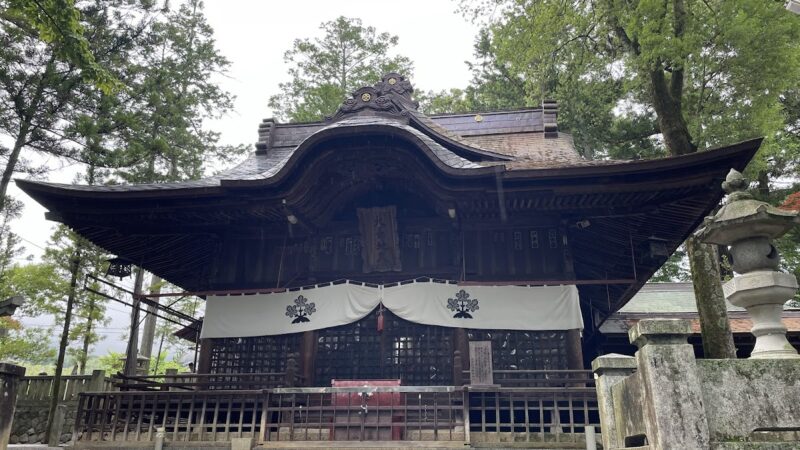
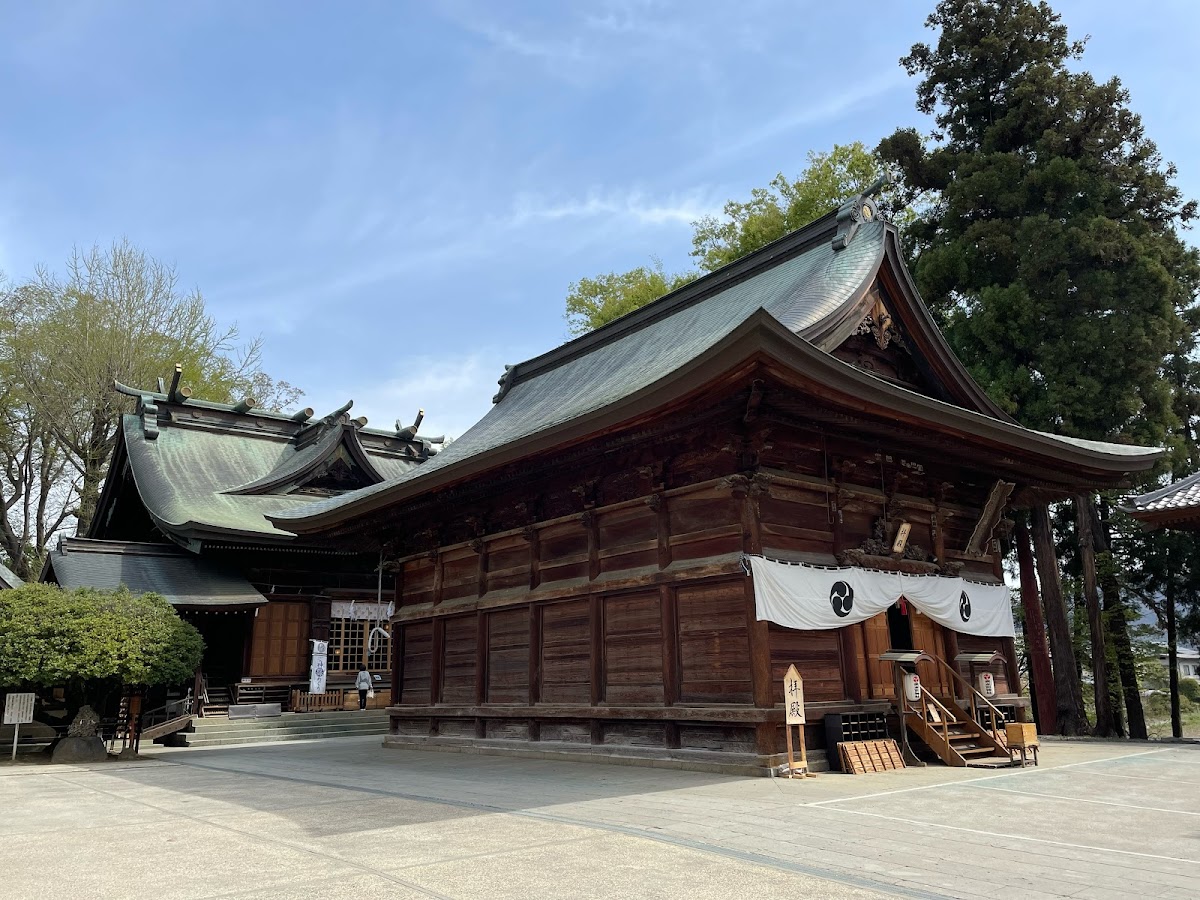
The main hall of Takemizuwake Shrine is a valuable structure that conveys the excellent architectural techniques of the Edo period. The main hall is adorned with magnificent carvings, and the intricate decorations of dragons, lions, flowers, and birds delight the eyes of visitors. These carvings demonstrate the high skill of the craftsmen of the time and are highly valued as cultural assets.
The main hall undergoes regular repairs and remains in good condition. Recently, repair work on the torii gate has also been completed, welcoming visitors in an even more beautiful form.
Atmosphere and Nature of the Shrine Grounds
The grounds of Takemizuwake Shrine are located at the foot of Mt. Obasute, surrounded by abundant nature. Situated in a scenic spot overlooking the Obasute rice terraces, known for their reflection of the moon, visitors can enjoy the beautiful scenery of each season.
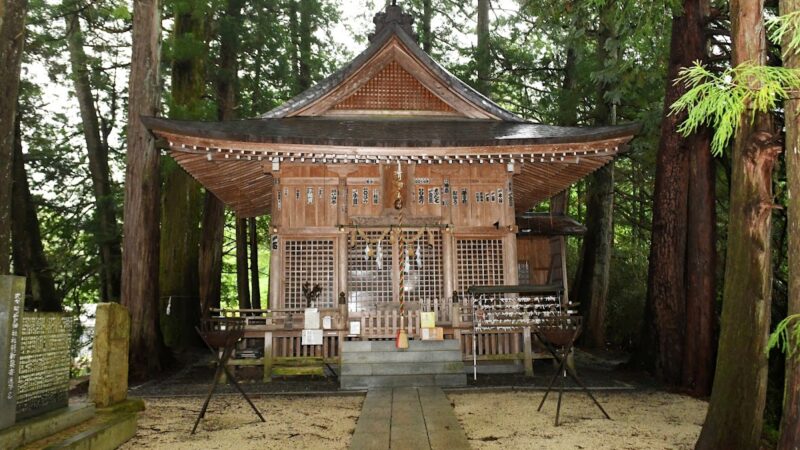
The shrine grounds feature sacred trees hundreds of years old and a tranquil shrine forest, creating a space where one can escape the hustle and bustle of the city and find peace of mind. Enjoying a stroll through nature alongside your visit is one of the charms of Takemizuwake Shrine.
Shrine Office and Gift Shop
The shrine office accepts requests for prayers from 9:00 AM to 11:50 AM and from 1:00 PM to 4:00 PM. Gifts such as Goshuin (shrine stamps) and amulets are available at the gift shop from 8:00 AM to 5:00 PM.
Goshuin are popular as souvenirs of visits, and visitors can receive carefully handwritten Goshuin. Furthermore, a wide variety of amulets and lucky charms are available.
Annual Events and Festivals
Daitosai Festival
The most important festival at Takemizuwake Shrine is the Daitosai Festival, held every December. This festival is designated as a nationally selected intangible folk cultural property, and features ancient and venerable Shinto rituals.
At the Daitosai Festival, Shinto priests and parishioners, dressed in special attire, participate, and traditional ceremonies are performed solemnly. This festival prays for a bountiful harvest and peace in the region, and is an important event marking the end of the year for the local people. Many worshippers visit, and the shrine is enveloped in a solemn atmosphere.
Kigensetsu Festival
On February 11th, National Foundation Day, the Kigensetsu Festival is held. This festival celebrates the founding of Japan and prays for the prosperity and peace of the nation.
Kinensai Festival
Held around March 15th, the Kinensai Festival is an important ceremony to pray for a bountiful harvest and industrial development in the coming year. With the arrival of spring, traditional Shinto rituals are performed to pray for a good harvest in the new year. Please note that the prayer reception hours may change due to the Kinensai Festival; therefore, it is recommended that those planning to visit check in advance.
Other Annual Events
At Takemizuwake Shrine, various festivals are held throughout the year, including the New Year’s Day Festival, Setsubun Festival, Summer Purification Ceremony, and Niiname-sai Festival. These events are based on the traditional Japanese calendar and provide opportunities to offer gratitude and prayers to the gods as the seasons change.
About Prayers
Types of Prayers
Takemizuwake Shrine accepts various types of prayers. The main types of prayers are as follows:
Exorcism
Prayers for protection against misfortune for those entering their unlucky year. You can receive prayers for protection against misfortune appropriate to your age.
Traffic Safety Prayer
Prayers are offered for traffic safety for automobiles and motorcycles. Many people visit when purchasing a new car or obtaining a driver’s license.
Shichi-Go-San Pilgrimage
Prayers are offered for the healthy growth of children. The shrine is bustling with many families, especially in November.
Family Safety and Business Prosperity
Prayers are offered for the health and happiness of the family and the development of the business.
Safe Childbirth Prayer and First Shrine Visit
Prayers are offered for pregnant women wishing for a safe delivery, and for the healthy growth of newborn babies during the first shrine visit.
Other Prayers
Prayers are accepted for various wishes, such as success in exams, recovery from illness, and finding a good partner.
Prayer Reception Hours and Method
Prayer reception hours are from 9:00 AM to 11:50 AM and from 1:00 PM to 4:00 PM. No advance reservation is required, but reception hours may change during festivals and events, so it is recommended to check beforehand.
Those wishing to receive prayers should fill out the application form at the shrine office and pay the offering fee. Afterward, a Shinto priest will perform the prayers in the main hall, and amulets and talismans will be given.
About the Offering Fee
The offering fee for prayers varies depending on the content of the prayer. Please check with the shrine office for details. For general prayers, the fee is approximately 5,000 to 10,000 yen.
Access and Visiting Information
Location
3012 Yahata, Chikuma City, Nagano Prefecture 387-0023
Access by Train
Approximately 10 minutes by car or taxi from Shinano Railway “Yashiro Station”. Approximately 15 minutes by car from JR Shinonoi Line “Obasute Station”. Due to limited public transportation options, access by car is recommended.
Access by Car
Approximately 15 minutes from the Joshinetsu Expressway’s “Koshoku IC” and approximately 20 minutes from the “Sakaki IC.” Approximately 30 minutes from Nagano city center via National Route 18, and approximately 1 hour from Matsumoto.
Parking
Free parking is available on the temple grounds for visitors. While there is usually ample parking space, congestion is expected during events such as New Year’s Day and the Otogashira Festival, so it is recommended to allow ample time for your visit.
Visiting Hours
While entry to the temple grounds is generally unrestricted, the temple office and gift shop are open from 8:00 AM to 5:00 PM. Those wishing to request prayers must visit within these hours.
Nearby Tourist Attractions
Obasute Rice Terraces and the Moon Reflected in Each Rice Field
Located about a 10-minute drive from Takemizuwake Shrine, the Obasute Rice Terraces are a scenic spot known for the “moon reflected in each rice field” and selected as one of Japan’s Top 100 Rice Terraces. The fantastical scenery of the moon reflected in each rice field has been celebrated in waka poetry since ancient times. The scenery is especially beautiful during the autumn harvest season and on moonlit nights.
Obasute Station and the View of the Zenkoji Plain
From Obasute Station, known as one of Japan’s three best train window views, a spectacular panoramic view of the Zenkoji Plain unfolds. The view from the station platform has been certified as a “Japan Night View Heritage Site,” allowing visitors to enjoy beautiful scenery day and night.
Historical Spots in Chikuma City
Chikuma City also boasts numerous historical sites, such as the Shinano-no-Sato Historical Park and the Mori Shogunzuka Tumulus, where one can experience ancient history. Combined with a visit to Takemizuwake Shrine, you can enjoy exploring the history of this region.
Hot Spring Area
Near Chikuma City lies the Togura-Kamiyamada Onsen hot spring resort, where visitors can relax in the hot springs after their pilgrimage. The hot spring town along the Chikuma River, which flows through the Zenkoji Plain, has flourished as a therapeutic hot spring resort since ancient times.
Cultural Properties and Preservation Activities of Takezuiwake Shrine
Cultural Value
Takezuiwake Shrine possesses diverse cultural value, including its architecture, sculptures, and festivals. In particular, the Otogashira Festival is protected as a nationally selected intangible folk cultural property, representing an important traditional culture of the region.
The architectural style and sculptures of the main hall convey the excellent techniques of the Edo period and are a valuable legacy that tells the history of the region.
Efforts toward Repair and Preservation
To pass on the historical shrine architecture to future generations, Takezuiwake Shrine regularly carries out repair work. In recent years, repairs to the main hall and torii gate have been completed, maintaining its beautiful appearance.
These repair projects are supported by donations from parishioners and devotees, and the community as a whole continues its efforts to protect and pass on the shrine. Visitors are also sometimes asked to cooperate with repair projects, allowing them to participate in the shrine’s preservation activities.
Manners and Etiquette for Visiting a Shrine
How to Pass Through the Torii Gate
When entering a shrine, bow before passing through the torii gate. The torii gate is the entrance to the sacred area, and showing respect is important. Since the center of the approach is considered the path of the gods, it is considered polite to walk along the side.
How to Wash Your Hands
Before visiting the main shrine, purify your body and mind at the water basin.
- Take the ladle with your right hand and wash your left hand.
- Switch the ladle to your left hand and wash your right hand.
- Switch the ladle back to your right hand, receive water in your left hand, and rinse your mouth.
- Wash your left hand again.
- Hold the ladle upright, rinse the handle, and return it to its original place.
Etiquette for Worship
The basic method of worship at the main shrine is “two bows, two claps, one bow.”
- Place your offering in the offering box.
- Ring the bell (if present).
- Bow deeply twice.
- Clap your hands twice.
- Pray with your hands clasped together.
- Finally, bow once.
How to Obtain a Goshuin (Shrine Stamp)
A Goshuin is given as proof of your worship. After completing your worship, leave your Goshuin book at the reception area and have it stamped. The Goshuin fee (offering) is generally around 300 to 500 yen.
Takemizuwake Shrine and the Local Community
Center of Local Faith
Takemizuwake Shrine has long been a center of local faith, closely intertwined with people’s lives. The affectionate nickname “Ohachiman-san” reflects the shrine’s deep roots in the community.
The custom of visiting the shrine at life’s milestones, such as New Year’s Day, Shichi-Go-San (a traditional rite of passage for children), and exorcism, continues to this day, and the shrine remains beloved by people across generations.
Festivals and Community Bonds
Annual events, including the Otogashira Festival, provide opportunities for local people to gather and deepen their bonds. Many parishioners are involved in the preparation and operation of these festivals, playing a role in passing on traditions to future generations.
Through these activities, Takemizuwake Shrine continues to play a vital role in the local community not merely as a tourist spot, but as a living place of faith.
Information Dissemination and Modern Initiatives
Takemizuwake Shrine disseminates information about festivals and the shrine grounds through its official website and social media (X/formerly Twitter). The official account (@takemizuwake) is regularly updated with seasonal scenery and event schedules, which can be helpful when planning your visit.
The shrine’s approach of preserving tradition while utilizing modern methods to widely disseminate information is an effective way to convey the shrine’s charm to many people.
Points to Note When Visiting
Attire
While no special attire is required for a regular visit, clean clothing that reflects the sacred nature of the place is desirable. If you are receiving a prayer, it is best to dress as formally as possible.
Photography
Photography is generally permitted within the shrine grounds, but restrictions may apply inside the main hall or during festivals. Please be considerate of other visitors when taking photos, and if you have any questions, please ask a shrine official.
Pets
Some shrines may restrict pets. It is recommended to check in advance before visiting Takemizuwake Shrine.
Visiting During Festivals
During important festivals such as the Otogashira Festival, the shrine grounds are expected to be crowded. Also, prayer reception times may change, so it is recommended to check the official website or social media before visiting.
Summary: The Charms of Takemizuwake Shrine
Takemizuwake Shrine is an ancient shrine said to have a history dating back to before the Common Era. It is a representative shrine of Shinano Province, enshrining Takemizuwake-no-Okami, the god of flood control, and the three Hachiman deities. It possesses many elements of high historical and cultural value, including its high status as an Engishiki Myojin Taisha (a major shrine listed in the Engi-shiki), the fourth-ranked shrine of Shinano Province, the reverence of warlords such as Kiso Yoshinaka, and the Otogashira Festival, a nationally selected intangible folk cultural property.
It also boasts a scenic location at the foot of Mt. Obasute, an intricately carved main hall, and the beauty of nature throughout the seasons, offering plenty of elements to captivate visitors. This shrine caters to various prayers, including protection from misfortune, prayers for traffic safety, and Shichi-Go-San (a traditional Japanese rite of passage for children), and is a beloved place to visit at important life milestones.
When visiting Nagano Prefecture, be sure to visit Takemizuwake Shrine and experience its long history, traditions, and the deep faith of the local people. You’ll have a soul-cleansing pilgrimage experience, accompanied by stunning views of the Zenkoji Plain.
Even today, Takemizuwake Shrine continues to play a vital role as a center of local faith and a place for preserving history and culture. Its charm is so profound that a single visit isn’t enough; you’ll discover something new with every visit. If you have the opportunity to visit Chikuma City, be sure to visit “Ohachiman-san” and experience its history and the atmosphere of its sacred grounds.