Complete Guide to Ikushima Tarushima Shrine | A Thorough Explanation of the History, Sacred Object, and Cultural Assets of Shinano’s Foremost Ancient Shrine
What is Ikushima Tarushima Shrine?
Ikushima Tarushima Shrine is a Myojin Taisha (a major shrine listed in the Engishiki) located in Shimonogo, Ueda City, Nagano Prefecture, and is known as one of Shinano’s foremost ancient shrines. Its name is recorded in the “Engishiki Jinmyocho” (a list of shrines compiled in the early Heian period), and as a Shikinaisha (Myojin Taisha), it has received deep reverence from the imperial court and military commanders since ancient times. Its former shrine rank was Kokuhei Chusha (a national shrine of the second rank), and it is currently designated as a Beppyo Jinja (a special shrine) by the Association of Shinto Shrines.
The most distinctive feature of Ikushima Tarushima Shrine lies in its unique form of worship, which considers the earth itself as the sacred object. The inner sanctuary of the main hall has no floorboards; the earthen floor remains intact, and this earth is considered the dwelling place of the gods. Located in the Shioda Plain, the center of the Japanese archipelago, it has attracted worshippers as a guardian deity of the land. ## Deities and Divine Virtues
Ikushima-no-Okami and Tarushima-no-Okami
Ikushima-Tarushima Shrine enshrines two deities as its principal deities: Ikushima-no-Okami and Tarushima-no-Okami.
Ikushima-no-Okami is considered the god who bestows life force upon all living things. The “Iku” in “Ikushima” signifies life and birth, and this deity governs the power that is the source of all life. This deity is worshipped as a god who grants all wishes related to life, such as agriculture, prosperity, and health and longevity.
Tarushima-no-Okami is considered the god who satisfies all living things, that is, the god who brings contentment to the entire country. The “Ashi” in “Arushima” signifies contentment, and this deity is revered as a god who brings material and spiritual abundance. This deity is believed to bestow divine virtues such as business prosperity, abundant harvests, and the fulfillment of wishes.
These two deities symbolize the fundamental human desires of vitality and contentment. It has been believed that by worshipping both deities together, one can receive the fundamental joy and fulfillment of life.
Rare Deities Enshrined Nationwide
Shrines enshrining Ikushima-no-Okami and Ashijima-no-Okami are extremely rare nationwide, with only a few existing, mainly in the Kinki region. In Eastern Japan, in particular, they are rare, existing only at the Imperial Palace’s Three Shrines and Ikushima-Ashijima Shrine. This fact indicates that Ikushima-Ashijima Shrine has been positioned as a nationally important shrine since ancient times.
Suwa-no-Okami in the Subsidiary Shrine
The subsidiary shrine (Shimosha/Shimomiya) within the grounds enshrines Suwa-no-Okami. According to tradition, Takeminakata-tomi-no-Mikoto, on his way to the Suwa region, stopped here and offered rice porridge to Ikushima-no-Okami and Ashijima-no-Okami. Due to this history, the shrine has deep ties to the Suwa faith.
History and Origins
Founding and Ancient Beliefs
While there are no clear records of the founding date of Ikushima Tarushima Shrine, it is said to date back to the age of the gods. The aforementioned legend of Takeminakata-no-Mikoto suggests that it was already an important site of worship during the early stages of Suwa faith.
The Engishiki Jinmyocho, compiled in the early Heian period (927 AD), lists “Ikushima Tarushima Shrine, Chiisagata District, Shinano Province, Myojin Taisha,” indicating that it was revered by the imperial court as a Myojin Taisha (a major shrine) even then. Myojin Taisha were the highest-ranking shrines, particularly those with remarkable spiritual power, where national rituals were performed; only a limited number of shrines nationwide were designated as such.
Reverence in the Medieval Period
In the medieval period, Ikushima Tarushima Shrine also came to receive deep reverence from samurai warriors. Especially during the Sengoku period (Warring States period), many warlords, including Takeda Shingen, who ruled Shinano Province, visited the shrine to pray for victory in battle and for the peace and security of their territories.
Takeda Shingen dedicated a prayer to the shrine during the Battle of Odaihara in 1547, and this prayer is still preserved at the shrine as an important cultural property. Furthermore, during the Battle of Kawanakajima in 1561, Shingen’s generals and soldiers dedicated a written oath, and these ancient documents convey the deep faith of the samurai of that time.
Relationship with the Sanada Clan
Sanada Masayuki, who built Ueda Castle, and his son Sanada Nobuyuki, along with successive lords of Ueda Castle, deeply revered Ikushima Tarushima Shrine. The Sanada clan prayed for the peace and security of their territory and for lasting military fortune, and made donations to the shrine, including repairs to the shrine buildings and land grants.
During the Edo period, the Sengoku and Matsudaira clans, who became the lords of the Ueda domain, continued to protect the shrine, dedicating themselves to the maintenance of the shrine buildings and the preservation of festivals.
Modern Era
Due to the Meiji-era separation of Shinto and Buddhism, the Buddhist facilities that had previously existed as Jinguji (shrine-temple complex) were separated, but the worship of the shrine continued. In 1871 (Meiji 4), it was ranked as a National Shrine of the second rank, and was positioned as an important shrine under national management.
After World War II, it became a special shrine of the Association of Shinto Shrines, and even today, as a representative ancient shrine of Shinano Province, it attracts worshippers not only from the local area but also from all over Japan.
Highlights of the Shrine Grounds
Sacred Pond and Sacred Island
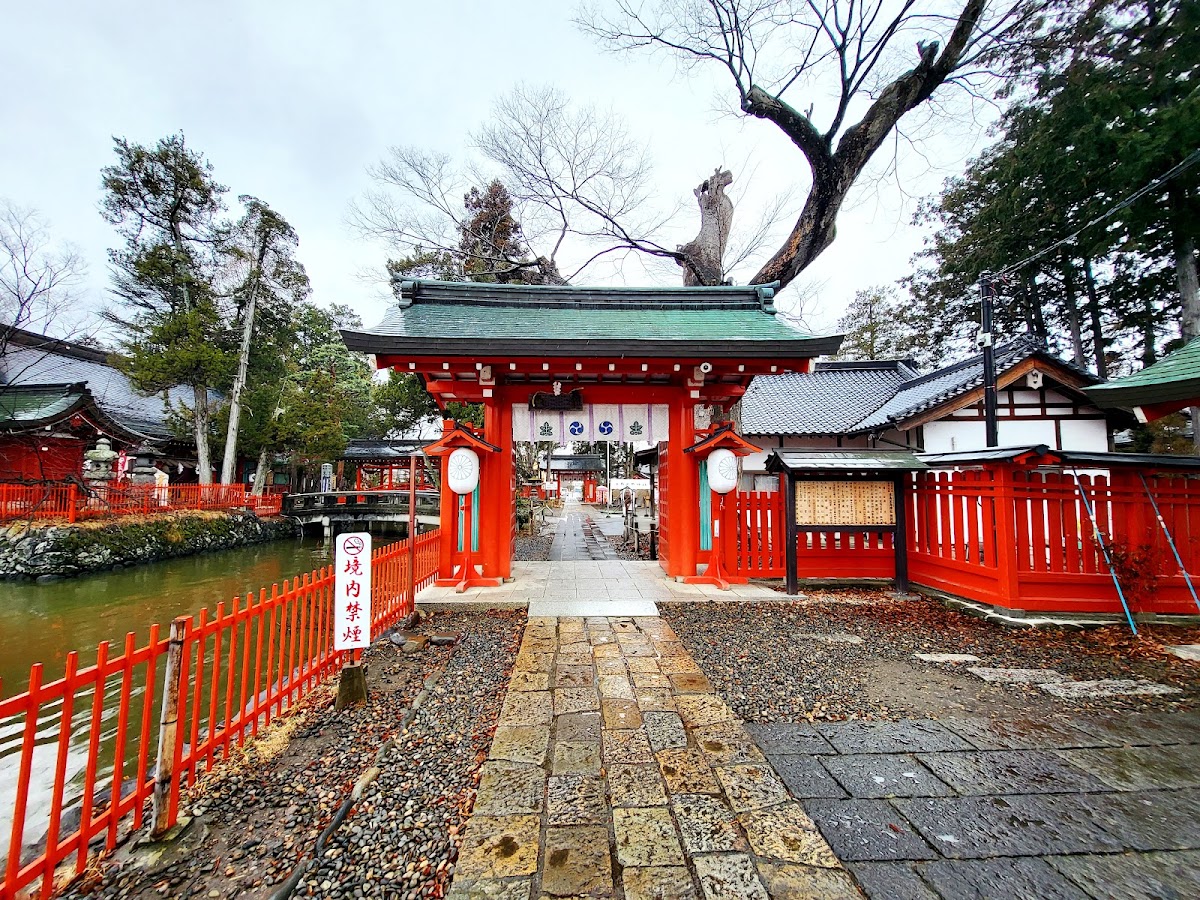
The most distinctive feature of the Ikushima Tarushima Shrine grounds is the sacred pond located in the center and the sacred island within it. The main shrine (upper shrine) is enshrined on an island surrounded by the pond in the center of the grounds, and this structure conveys the ancient concept of a sacred space.
The sacred pond holds pure water, reflecting the scenery of each season. The sacred island surrounded by the pond symbolizes a sanctuary isolated from the secular world. Visitors can cross the bridge to enter the sacred area, experiencing a sacred space far removed from everyday life.
Main Hall and Inner Sanctuary
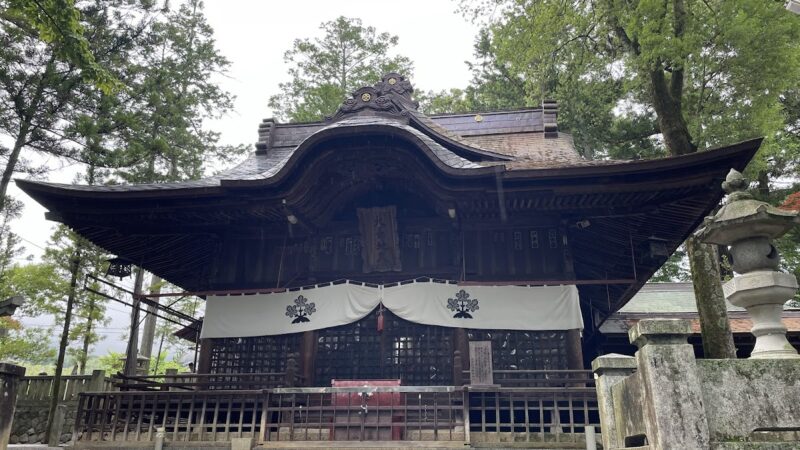
The main hall is a magnificent building retaining the architectural style of the Edo period. The inner sanctuary (a prefectural treasure) within it is the core of the faith of Ikushima Tarushima Shrine. The most distinctive feature of the inner sanctuary is the absence of floorboards. The earthen floor is exposed, and this earth itself is considered the sacred object.
This unique structure is a valuable direct transmission of the ancient form of nature worship, where the earth was revered as a deity, and is an important cultural heritage that preserves the primal form of Japanese Shinto belief in the modern age.
Married Couple Zelkova Trees
Within the shrine grounds stand the Meoto Keyaki (married couple zelkova trees), estimated to be approximately 800 years old. Two gigantic zelkova trees, standing close together, are known as the “Married Couple Zelkova Trees” and are revered as symbols of matchmaking and marital harmony.
Their trunks, thick and strong after many years of growth, exude vitality and seem to embody the divine virtues of Ikushima-no-Okami. Many worshippers pray before these sacred trees for good relationships and family harmony.
The Sun’s Path at the East and West Gates
The layout of the Ikushima Tarushima Shrine grounds holds astronomical significance. On the summer solstice, the sun rises directly in the center of the eastern torii gate, and on the winter solstice, it sets directly in the center of the western torii gate.
This arrangement reflects an ancient cosmology that connects the movement of the sun with the earth, clearly demonstrating the shrine’s character as a link between the “sun” and the “earth.” Combined with the tradition of its location at the center of the Japanese archipelago, it symbolically represents the shrine’s role as a protector of the entire nation.
Subsidiary Shrines
Within the grounds of Ikushima Tarushima Shrine, there are several subsidiary shrines in addition to the main shrine.
Suwa Shrine (Lower Shrine/Lower Palace)
As mentioned above, there is a Suwa Shrine, a subsidiary shrine dedicated to Suwa Okami. It is enshrined based on the legend that Takeminakata Tomi no Mikoto served Ikushima Okami and Tarushima Okami in this area on his way to Suwa, demonstrating a deep connection to Suwa faith.
Other Subsidiary Shrines
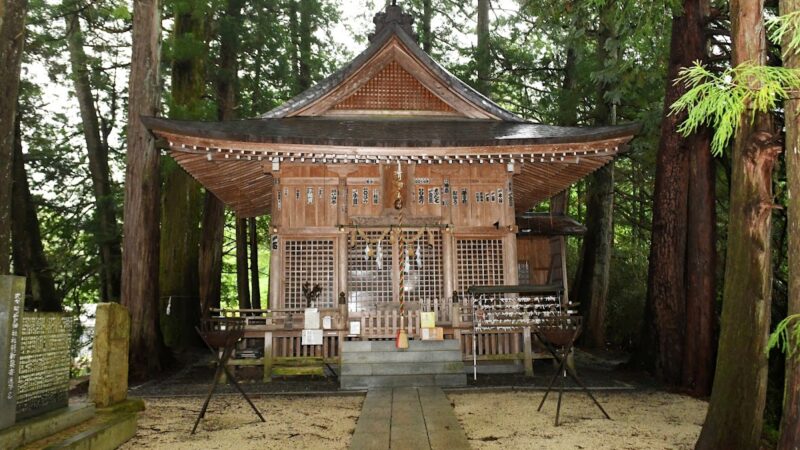
Several other subsidiary shrines are located within the grounds, each enshrining different deities. These subsidiary shrines also attract the faith of local people and serve as places to fulfill various wishes.
Festivals and Annual Events
Ikushima Tarushima Shrine holds various festivals throughout the year.
Annual Grand Festival
The annual grand festival, held every autumn, is the most important festival at Ikushima Tarushima Shrine. Traditional Shinto rituals, such as the portable shrine procession and the dedication of Kagura (sacred dance), are solemnly performed, attracting many worshippers.
Okomori-sai Festival
The Okomori-sai Festival is a unique ritual of Ikushima Tarushima Shrine. Based on the legend that Takeminakata Tomi no Mikoto offered rice porridge, this ritual involves the offering of special sacred food.
New Year’s Visit and Setsubun Festival
Many worshippers visit the shrine for the New Year’s visit, not only from nearby areas but also from far away. During the Setsubun Festival, beans are scattered to pray for protection from evil and good fortune throughout the year.
Cultural Properties
Ikushima Tarushima Shrine possesses numerous important cultural properties, including buildings and ancient documents.
Important Cultural Properties
The Takeda Shingen’s Prayer and other written oaths and ancient documents of Sengoku period warlords are designated as important cultural properties of Japan. These ancient documents are invaluable historical materials that convey the reality of the beliefs and vows of samurai during the Sengoku period.
Takeda Shingen’s prayer document records his feelings leading up to the Battle of Odaihara, making it an extremely important historical document for understanding the spiritual world of Sengoku warlords. Furthermore, the oaths of the soldiers dedicated during the Battle of Kawanakajima concretely illustrate the faith and unity of samurai at that time.
Nagano Prefecture Designated Cultural Property
The inner sanctuary of the main hall is designated as a Nagano Prefecture Treasure. Its unique structure, lacking floorboards, is highly valued as a precious architectural relic that conveys the primal form of earth worship.
Other Cultural Properties
The shrine also houses numerous other ancient documents, sacred treasures, and works of art and crafts, which are appropriately preserved and managed in the treasure hall. Some are displayed on special occasions and used for historical research and cultural education.
Access and Visiting Information
Location
701 Nakaike-nishi, Shimonogo, Ueda City, Nagano Prefecture 386-1211
Transportation Access
Access by Train
- Approximately 20 minutes by car from JR Hokuriku Shinkansen/Shinano Railway “Ueda Station”
- Approximately 10 minutes on foot from Ueda Electric Railway Bessho Line “Shimonogo Station”
Access by Car
- Approximately 15 minutes from Joshinetsu Expressway “Ueda Sugadaira IC”
- Parking available (free)
Visiting Hours
While the shrine grounds are generally open for free visits, the shrine office is open from approximately 9:00 AM to 5:00 PM. If you wish to request prayers, it is recommended to inquire in advance.
Admission Fee
Entry to the shrine grounds is free. However, there may be a separate fee for visiting the Treasure Hall.
Nearby Tourist Attractions
The Shioda Plain, where Ikushima Tarushima Shrine is located, is a historical area known as “Shinshu’s Kamakura,” and is dotted with many cultural properties and tourist attractions.
Bessho Onsen
Bessho Onsen, located about 10 minutes by car from Ikushima Tarushima Shrine, is known as the oldest hot spring in Shinshu. It’s popular as a “beauty spring,” and a relaxing soak in the hot springs after visiting the shrine is highly recommended.
Maeyama-ji and Anraku-ji Temples
The Shioda Plain boasts numerous ancient temples with national treasures and important cultural properties. The three-story pagoda of Maeyama-ji Temple and the octagonal three-story pagoda of Anraku-ji Temple are must-sees.
Ueda Castle
Ueda Castle, built by Sanada Masayuki, is a popular tourist destination as a historical site associated with the Sanada clan. Visiting the castle of the Sanada clan, who revered Ikushima Tarushima Shrine, allows for a deeper understanding of history.
The Charm of Ikushima Tarushima Shrine
The greatest charm of Ikushima Tarushima Shrine lies in its continuation of a form of earth worship that has continued uninterrupted since ancient times. The inner sanctuary without floorboards, the sacred island surrounded by a sacred pond, and the placement of the torii gates indicating the path of the sun—everything reflects a form of faith integrated with nature.
Its high status as a Myojin Taisha (a major shrine listed in the Engishiki), the reverence of Sengoku-era warlords such as Takeda Shingen and the Sanada clan, and the precious cultural assets preserved to this day—all of these factors make Ikushima Tarushima Shrine more than just a tourist destination; it is a living witness to Japanese history and faith.
Prayers to the two deities who bestow vitality and satisfaction remain a universal wish of people across generations. For us living in the modern age, visiting this ancient shrine will provide an opportunity to reconsider the meaning and joy of life.
Ikushima Tarushima Shrine, one of Shinano’s most prominent ancient shrines. Please visit and experience its historical weight and sacred atmosphere for yourself. An irreplaceable experience awaits you, where you can feel the power of the earth and a sense of compassion for all living things.