Complete Guide to Fukuyama Hachimangu Shrine | Thorough Explanation of History, Goshuin (Seal Stamps), Access, and Festival Information
Located on Matsunooyama Mountain, north of Fukuyama Castle in the heart of Fukuyama City, Hiroshima Prefecture, Fukuyama Hachimangu Shrine has been cherished by the local people for over 300 years as the guardian shrine of Bingo Fukuyama. This article comprehensively explains information useful for visiting Fukuyama Hachimangu Shrine, including its history, unique shrine architecture, goshuin information, prayers, annual events, and access methods.
What is Fukuyama Hachimangu Shrine? | History and Origins of the Guardian Shrine of Bingo Fukuyama
Fukuyama Hachimangu Shrine was established in 1683 (Tenna 3) on Matsunooyama Mountain as the guardian deity of Bingo Fukuyama. Due to its location north of Fukuyama Castle, it has been revered by successive feudal lords and many others, and is a historical shrine that has walked hand in hand with the development of its hometown, Fukuyama.
Deities and Divine Virtues
Fukuyama Hachimangu Shrine enshrines Emperor Ōjin (Homudawake no Mikoto) as its principal deity. Hachiman has been worshipped since ancient times as the god of military fortune and national protection, and is also believed to bestow a wide range of divine virtues, including protection from misfortune, good fortune, family safety, business prosperity, and traffic safety.
A History of Faith spanning over 300 Years
Since its establishment in 1683 (Tenna 3), Fukuyama Hachimangu Shrine has functioned as a spiritual pillar of the Bingo region. During the Edo period, it received the patronage of the Fukuyama domain lord, and has continued to attract the faith of local residents since the Meiji era. Currently, it is used by many people as a venue for important ceremonies at milestones in life, such as New Year’s visits, Shichi-Go-San (a traditional rite of passage for children), exorcisms, and Shinto wedding ceremonies.
A Rare Two-Shrine Structure Nationwide | East Shrine and West Shrine
The most distinctive feature of Fukuyama Hachimangu Shrine is its unique structure, with two shrine buildings of the same size and style built side-by-side, east and west, a rare example nationwide.
East Shrine (Nobuhiro Hachimangu) and West Shrine (Nogami Hachimangu)
The current Fukuyama Hachimangu Shrine is the result of the merger of two Hachimangu shrines that were originally located in separate places. The East Shrine was formerly called Nobuhiro Hachimangu, and the West Shrine was called Nogami Hachimangu.
In 1683 (Tenna 3), these two shrines were simultaneously relocated to the present-day Matsunooyama and constructed in the same style. While it is common practice to combine multiple shrines into a single main hall, at Fukuyama Hachimangu Shrine, everything—from the main hall, worship hall, guardian gate, stone steps, Ryobu torii gate, approach, and main gate—is built symmetrically from east to west.
Two Main Gates and the Combined Shrine
Within the shrine grounds, there are two main gates, one on the east and one on the west, each bearing a wooden plaque inscribed with “East Shrine” and “West Shrine.” As you proceed along the approach to the shrine, you will find a combined shrine (central worship hall) between the east and west shrine buildings. A unique worship style is employed here, where praying at this combined shrine is equivalent to paying respects to both the east and west deities simultaneously.
While the architecture of the East and West Shrines retains historically valuable, older styles, the central combined shrine is a modern concrete structure, creating a harmonious blend of tradition and modernity within the shrine grounds.
Merger of Legal Status in 1969
Previously, the East and West Shrines were operated as separate legal entities. In 1969, their legal status was merged, forming the current “Fukuyama Hachimangu Shrine.” However, the layout and style of the buildings still retain their pre-merger appearance, reflecting their historical origins.
Shrine Grounds Guide | Highlights and Power Spots
The grounds of Fukuyama Hachimangu Shrine offer numerous points of interest where historical buildings and natural elements harmonize beautifully.
The Natural Environment of Matsunooyama
Matsunooyama, where Fukuyama Hachimangu Shrine is located, is a place blessed with abundant greenery despite being in the heart of Fukuyama City. As you climb the stone steps, you can experience the changing seasons, and the beautiful scenery, especially during the fresh green season and the autumn foliage season, welcomes visitors.
Main Hall and Worship Hall
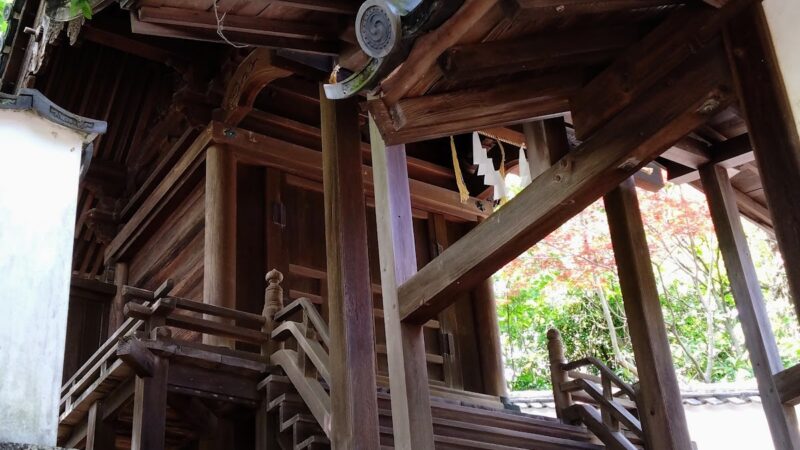
The main halls, arranged east and west, are valuable structures that preserve the architectural style of the Edo period. The detailed carvings and decorations speak to the high level of craftsmanship of the time. The worship halls are similarly arranged symmetrically from east to west, allowing worshippers to offer prayers in a tranquil atmosphere.
Zuishin Gate and Ryobu Torii
At the entrance to the shrine grounds is the Zuishin Gate, which serves as a boundary to the sacred area. Ryobu Torii gates (a type of torii gate that retains the legacy of the syncretism of Shinto and Buddhism) are also located on the east and west sides, and are structures of high historical value.
Shrine Office and Reception Area
The shrine office is open from 8:30 AM to 5:00 PM and handles the issuance of Goshuin (shrine stamps), distribution of amulets and talismans, and registration for prayers. We recommend stopping by and receiving any items during your visit.
Goshuin Information | Availability and Fee
At Fukuyama Hachimangu Shrine, you can receive a Goshuin as a memento of your visit.
Types and Characteristics of Goshuin
The Goshuin at Fukuyama Hachimangu Shrine are carefully handwritten. The ink inscription includes the name of the shrine, “Fukuyama Hachimangu,” and the date of your visit, while the red stamp bears the shrine’s seal. Its simple yet powerful brushwork is distinctive and popular among Goshuin collectors.
Fee and Reception Hours
The fee for a Goshuin is 500 yen. It is available during the shrine office’s opening hours, from 8:30 AM to 5:00 PM. During busy times, you may have to wait a short while, so we recommend visiting with plenty of time to spare.
About Goshuincho (Stamp Books)
Original goshuincho may be available for purchase; please inquire at the shrine office for details. First-time visitors can bring their own goshuincho or purchase one on-site.
Prayers and Supplications | Life Rituals and Exorcism
Fukuyama Hachimangu Shrine offers various prayers and supplications for important life milestones.
Life Rituals (Rites of Passage)
Since ancient times, the Japanese people have valued and cherished the milestones of life. Fukuyama Hachimangu Shrine performs the following life rituals:
Prayer for Safe Childbirth: On the Day of the Dog in the fifth month of pregnancy, prayers are offered for the health of mother and child and for a safe delivery.
First Shrine Visit (Omiyamairi): The birth of a baby is reported to the gods, and prayers are offered for their healthy growth. The traditional date for boys is the 31st day after birth, and for girls, it’s the 33rd day.
Shichi-Go-San: Celebrating the growth of children at ages 3 (boys and girls), 5 (boys), and 7 (girls), and praying for their future health and happiness.
Exorcism: Praying for the protection of those entering their unlucky year, and praying for a peaceful year.
Other Prayers
- Family Safety
- Business Prosperity
- Traffic Safety
- Academic Success
- Passing Exams
- Recovery from Illness
- Good Fortune
If you wish to have a prayer performed, please contact the shrine office in advance for a smoother process. Same-day registration is possible, but expect crowds, especially on weekends, holidays, and auspicious days.
Shinto Wedding Ceremony | Traditional Wedding Style
Fukuyama Hachimangu Shrine offers Shinto wedding ceremonies in a solemn atmosphere.
The Significance of a Shinto Wedding Ceremony
A Shinto wedding ceremony is a traditional Japanese wedding where the couple expresses gratitude for the divine blessing that brought them together and exchanges vows of marriage before the gods. At Fukuyama Hachimangu Shrine, a ceremony praying for lasting happiness is held in the solemn atmosphere of a shrine with over 300 years of history.
Ceremony Flow and Features
A Shinto wedding ceremony includes rituals such as the procession, purification, recitation of prayers, the three-cup ceremony (san-san-kudo), recitation of vows, exchange of rings, and offering of sacred branches. A highly formal ceremony is possible, taking advantage of the unique structure of the two shrines, East and West, at Fukuyama Hachimangu Shrine.
Those wishing to have a ceremony are advised to make reservations several months in advance. For detailed information and costs, please contact the shrine office directly.
Annual Events and Festivals | Traditional Seasonal Events
Fukuyama Hachimangu Shrine holds various festivals and events throughout the year.
Main Annual Events
Saitansai (January 1st): A festival to celebrate the New Year and pray for peace throughout the year.
Setsubunsai (around February 3rd): A festival to ward off evil and invite good fortune through events such as bean-throwing.
Kinensai (February 17th): A major spring festival praying for a bountiful harvest and the development of industry.
Reitaisai (Autumn): The most important festival of Fukuyama Hachimangu Shrine, featuring events such as a portable shrine procession.
Shichi-Go-San Festival (November): November is the season for Shichi-Go-San (a traditional Japanese rite of passage for children), and the shrine is bustling with many families.
Niinamesai (November 23rd): A festival to offer the new harvest to the gods and give thanks for the harvest.
Great Purification Ceremony (June 30th & December 31st): This is a Shinto ritual to cleanse away the sins and impurities accumulated over the past six months.
Detailed dates and content of these events can be found on the official website or at the shrine office.
Items Offered | Amulets, Talismans, and Lucky Charms
Fukuyama Hachimangu Shrine offers a variety of items.
Various Amulets
- Amulet for Protection from Evil
- Amulet for Traffic Safety
- Amulet for Academic Success
- Amulet for Safe Childbirth
- Amulet for Health
- Amulet for Business Prosperity
- Amulet for Passing Exams
Each amulet embodies the divine virtues of Hachiman-sama. Choosing and wearing an amulet that suits your wishes will bring peace of mind and courage to your daily life.
Talismans and Household Altars
Talismans for enshrining in household household altars are also available. The shrine office will provide detailed instructions on how to enshrine them and when to replace them.
Lucky Charms
The shrine distributes lucky charms such as demon-repelling arrows, rakes, and zodiac animal figurines, appropriate for the season and events. Especially during New Year’s and the annual festival, many worshippers visit seeking these lucky charms.
Access Information | Convenient Location, 5-Minute Walk from Fukuyama Station
Fukuyama Hachimangu Shrine is located in the heart of Fukuyama City, making it easily accessible by both public transport and car.
Access by Train
From JR Fukuyama Station: It’s a very convenient location, approximately a 5-minute walk from the north exit of Fukuyama Station. Simply exit the station, head north, and follow the signs to easily reach the shrine.
Because it’s within walking distance of Fukuyama Station, a Shinkansen (bullet train) stop, it’s easily accessible for worshippers from afar.
Access by Car and Parking
Sanyo Expressway: Approximately 15 minutes from Fukuyama East IC or Fukuyama West IC
Parking: A free parking lot with space for approximately 80 regular cars is available. Large buses can be parked, but advance notice is required.
The parking lot may be crowded during the New Year’s and Shichi-Go-San seasons, as well as on weekends. We recommend using public transportation if possible.
Address and Contact Information
Address: 1-2-16 Kitayoshizu-cho, Fukuyama City, Hiroshima Prefecture 720-0073
Shrine Office Hours: 8:30 AM – 5:00 PM
Holidays: Open every day
Admission Fee: Free (Shrine grounds are always open)
For reservations for prayers, Shinto wedding ceremonies, and other detailed inquiries, please call the shrine office directly or inquire through the official website.
Nearby Tourist Attractions | Visiting Fukuyama Castle
When visiting Fukuyama Hachimangu Shrine, you can also visit nearby tourist attractions.
Fukuyama Castle
Located just south of Fukuyama Hachimangu Shrine, Fukuyama Castle is a famous castle built in 1622 by Mizuno Katsunari. The castle tower was destroyed in the war, but it was restored in 1966 and is now open to the public as a museum. Fukuyama Hachimangu Shrine and Fukuyama Castle have deep historical ties, and visiting both will give you a deeper understanding of Fukuyama’s history.
Fukuyama Museum of Art
This museum, located within Fukuyama Castle Park, exhibits Italian contemporary art and works by artists associated with the region.
Shopping Streets in the Center of Fukuyama
After visiting the shrine, you can enjoy dining and shopping in the shopping streets around Fukuyama Station. There are also many restaurants where you can enjoy local cuisine and specialties of the Bingo region.
Manners and Etiquette for Shrine Visits
There are basic manners and etiquette to observe when visiting a shrine. Please pay attention to the following points when visiting Fukuyama Hachimangu Shrine.
How to Pass Through the Torii Gate
The torii gate is the entrance to the sacred area. Bow before passing through the torii gate and walk avoiding the center of the path (the path of the gods).
Proper Ritual for Washing Hands
- Take the ladle with your right hand and wash your left hand.
- Switch the ladle to your left hand and wash your right hand.
- Switch the ladle back to your right hand, receive water in your left hand, and rinse your mouth.
- Wash your left hand once more.
- Hold the ladle upright, wash the handle, and return it to its original place.
Proper Ritual for Worship at the Main Hall
At Fukuyama Hachimangu Shrine, worship is primarily conducted at the Joint Shrine.
- Gently place your offering in the offering box.
- Ring the bell (if present).
- Bow twice (bowing deeply twice).
- Clap your hands twice.
- Pray sincerely.
- Bow once (bowing deeply once).
Regarding Photography
Photography is generally permitted on the shrine grounds, but there are places and times when photography is prohibited, such as inside the main hall or during Shinto rituals. If you are unsure, please check with the shrine office. It is also important to be considerate of other worshippers.
The Charm of Fukuyama Hachimangu Shrine | Why is it Loved by So Many People?
The reason why Fukuyama Hachimangu Shrine has been loved by the local people for over 300 years is not just its historical value.
A Faith Rooted in the Community
As the guardian shrine of Bingo Fukuyama, Fukuyama Hachimangu Shrine has been a spiritual pillar of the community. It is etched in the memories of many people as a place they visit at important milestones in their lives, such as New Year’s visits, Shichi-Go-San (a traditional rite of passage for children), exorcisms, and Shinto wedding ceremonies. The faith passed down through generations forms a strong bond between the shrine and the community.
Unique Architectural Style
The shrine buildings, arranged in the same style from east to west, are a rare style nationwide and are valuable from an architectural history perspective, leaving a strong impression on visitors. This unique arrangement is also a manifestation of the wisdom and consideration of our ancestors, who respected and integrated the histories of the two Hachimangu shrines.
Easy Access
Its location, just a 5-minute walk from Fukuyama Station, makes daily visits possible. While easily accessible, the shrine grounds offer a tranquil space that makes you forget the hustle and bustle of the city, making it a haven for those seeking peace of mind.
Beauty in Every Season
Surrounded by the rich nature of Matsunooyama Mountain, the shrine grounds display different expressions in each season: the fresh greenery of spring, the deep green of summer, the vibrant autumn foliage, and the serene silence of winter. Visiting in each season offers new discoveries and inspiration.
Summary | Recommendation for Visiting Fukuyama Hachimangu Shrine
Fukuyama Hachimangu Shrine is a historic shrine that has walked hand in hand with the people of Bingo Fukuyama as the guardian shrine of the region since its founding in 1683. Its appeal lies in its unique architectural style, with identical shrine buildings side-by-side, a tradition of over 300 years, and its excellent accessibility—just a 5-minute walk from Fukuyama Station.
Fukuyama Hachimangu Shrine is a place for important ceremonies at life’s milestones, such as New Year’s visits, Shichi-Go-San (a traditional rite of passage for children), exorcisms, and Shinto weddings. It can also be visited for everyday prayers, collecting Goshuin (shrine stamps), or as part of a sightseeing trip in the surrounding area.
If you have the opportunity to visit Fukuyama, please do visit Fukuyama Hachimangu Shrine. The time spent quietly offering prayers in its grounds, steeped in history and tradition, will be a precious moment that allows you to forget the hustle and bustle of everyday life.
The shrine office staff will provide courteous assistance, so please feel free to ask any questions you may have regarding prayers, Shinto weddings, or offerings. May your visit be fruitful.