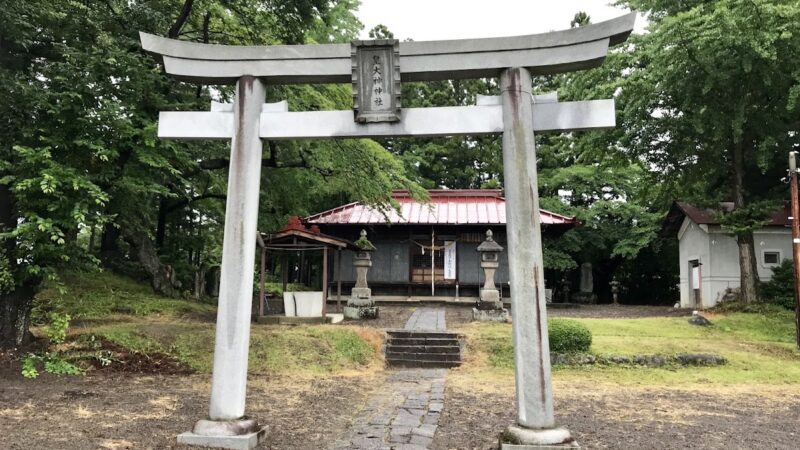
Complete Guide to Fukushima Prefecture Gokoku Shrine | History, Goshuin (Shrine Seals), Access, and Festival Information
Fukushima Prefecture Gokoku Shrine, located on Mount Shinobu, a symbol of Fukushima City, is a historic shrine that has enshrined the spirits of those who fought for the nation since its founding in 1879 (Meiji 12). This article comprehensively introduces information you should know before visiting Fukushima Prefecture Gokoku Shrine, including its history, visiting information, access methods, festivals, and goshuin (shrine seals).
What is Fukushima Prefecture Gokoku Shrine?
Fukushima Prefecture Gokoku Shrine is a shrine dedicated to over 68,500 spirits of those who served the nation from the Boshin War to World War II, all connected to Fukushima Prefecture. Located within Shinobu Mountain Park, it is a beloved spiritual center for the citizens of Fukushima.
The shrine enshrines Amaterasu Omikami as its principal deity and, as a historically significant shrine founded by the will of Emperor Meiji, has received numerous visits from the Imperial Family, who have bestowed offerings of cloth and food upon it.
The Role of Gokoku Shrines
Gokoku shrines are established to comfort the spirits of those who sacrificed their lives for the nation and to pass on their achievements to future generations. Fukushima Prefecture Gokoku Shrine enshrines the spirits of those who died in the Boshin War, the Satsuma Rebellion, the First Sino-Japanese War, the Russo-Japanese War, World War I, the Manchurian Incident, the Second Sino-Japanese War, and up to World War II.
History of Fukushima Prefecture Gokoku Shrine
Circumstances of Founding
The history of Fukushima Prefecture Gokoku Shrine dates back to October 4, 1879 (Meiji 12). By imperial decree of Emperor Meiji, the Shinobu-yama Shokonsha (later designated as the Fukushima Shokonsha) was established on Mount Shinobu, enshrining together those who served on the Western Army side in the Boshin War and those from Fukushima Prefecture who died in the Satsuma Rebellion, who had previously been enshrined at three other memorial sites in Soma, Miharu, and Wakamatsu.
Construction and Renaming of the Shrine
The current shrine building was constructed in 1937 (Showa 12). It boasts a dignified architectural style with a hipped roof and phoenix-shaped wings on either side, giving it a highly formal appearance. In 1939 (Showa 14), it became the Fukushima Prefecture Gokoku Shrine, designated by the Minister of Home Affairs, and its name was changed to its current form.
Post-War Hardships and Reconstruction
After the end of the war, Japan was placed under the control of GHQ, and Gokoku shrines faced a crisis of survival. The people of that time, wishing for the shrine’s survival, enshrined Amaterasu Omikami of Ise Grand Shrine and temporarily changed its name to “Dairei Shrine,” thus preserving the shrine. Thanks to these efforts, Fukushima Prefecture Gokoku Shrine continues to welcome many worshippers on Mount Shinobu today.
Highlights of the Shrine Grounds
Main Hall and Worship Hall
The shrine building, constructed in 1937, is a magnificent structure with a hipped roof. The graceful wings extending to the left and right resemble a phoenix, demonstrating its status as a Gokoku Shrine. Various festivals are held throughout the year, including the New Year’s Day Festival and the Spring and Autumn Grand Festivals.
Shinobu-yama Tenmangu Shrine
At the entrance to Fukushima Prefecture Gokoku Shrine stands Shinobu-yama Tenmangu Shrine. In September 1988 (Showa 63), the shrine was established in Tohoku, receiving a divided spirit from Dazaifu Tenmangu Shrine, which was built on the tomb of Sugawara no Michizane.
It was specially permitted to use the name “Dazaifu Tenmangu Shrine Divided Spirit,” giving it the status of “Dazaifu Tenmangu Shrine of Tohoku.” As the guardian deity of wisdom and learning, said to grant “no wish is unfulfilled,” it attracts the faith of many students and those preparing for exams.
Nadeushi (Petting Cow)
Shinobu-yama Tenmangu Shrine has a statue of a cow called “Nadeushi” (Petting Cow). It is believed that stroking the same part of the statue as the part of one’s own body that is ailing will bring good fortune, and many worshippers visit to pray. It symbolizes the deep connection between Sugawara no Michizane, the god of learning, and cows.
Kagura-den (Sacred Dance Hall)
Within the shrine grounds is a Kagura-den (Sacred Dance Hall), where Kagura (sacred dance) is performed during festivals. Furthermore, to revitalize the town of Fukushima, the shrine offers free use of its Kagura Hall and grounds, and is utilized as a community space.
About Prayers and Exorcisms
How to Reserve a Prayer
Prayers and exorcisms at Fukushima Gokoku Shrine are by appointment only by telephone. You must make a reservation by phone in advance, so please be sure to contact the shrine beforehand when planning your visit.
Reception Hours
The usual prayer reception hours are as follows:
- Morning Session: 10:00 AM – 11:30 AM
- Afternoon Session: 1:30 PM – 4:00 PM
Reservation slots are available at 30-minute intervals, allowing you to choose your preferred time slot.
Types of Prayers
Fukushima Prefectural Gokoku Shrine accepts the following types of prayers:
- Family Safety
- Business Prosperity
- Traffic Safety
- Protection from Evil
- Prayer for Success in Exams
- Prayer for Safe Childbirth
- First Shrine Visit for a Newborn
- Shichi-Go-San (7-5-3 Festival)
- Other Various Prayers
On-Site Ceremonies
We also offer on-site ceremonies where a Shinto priest will travel to your location to perform a purification ritual:
- Groundbreaking Ceremony: A ceremony to appease the land gods and pray for the safety of the construction before building begins.
- Roof-Raising Ceremony: A ceremony held when the building’s framework is completed.
- Completion Ceremony (Fire-Lighting Ceremony): A ceremony to celebrate the completion of the building and pray for its safety.
- Other Various On-Site Ceremonies
If you wish to request an on-site ceremony, please contact us by phone in advance.
Goshuin (Shrine Seal) Information
Issuance of Goshuin
Fukushima Prefectural Gokoku Shrine offers goshuin as proof of worship. Goshuin are available at the shrine office and can be requested after your visit.
Goshuincho (Shrine Seal Book)
Fukushima Prefectural Gokoku Shrine also offers original goshuincho. Featuring designs inspired by Mt. Shinobu and the shrine itself, they are popular as souvenirs.
Issuance Hours
Goshuin aresuance hours are the same as the shrine office’s opening hours. During festivals and events, it may not be possible to receive a goshuin, so it is recommended to call in advance to confirm if you wish to receive one.
Annual Festivals and Events
Major Festivals
Fukushima Prefectural Gokoku Shrine holds various festivals throughout the year:
New Year’s Day Festival
The first festival of the new year, held on January 1st. It attracts many first-time visitors, who pray for peace and prosperity throughout the year.
Spring Grand Festival
Held in spring, this festival expresses gratitude to and commemorates the war dead.
Dawn Festival
A traditional festival held on Mount Shinobu, with Fukushima Prefecture Gokoku Shrine playing a central role.
Autumn Grand Festival
Held in autumn, this festival is just as important as the Spring Grand Festival.
Cherry Blossom Festival
Shinobu Mountain Park is known as one of Fukushima City’s leading cherry blossom viewing spots, and a cherry blossom festival is held there in spring. Many cherry trees are planted within and around the grounds of Fukushima Prefecture Gokoku Shrine, attracting many visitors. The trees are also illuminated at night, creating a magical atmosphere.
Access Information
Basic Information
Location: 1 Komayama, Fukushima City, Fukushima Prefecture (within Shinobu-yama Park)
Access by Train and on Foot
From JR Fukushima Station
- Approximately 20-25 minutes on foot from the Fukushima Station East Exit
- The walking route towards Shinobu-yama Park is relatively easy to follow, with guide signs installed.
Access by Bus
Using a local bus from Fukushima Station East Exit
- Take a bus bound for Shinobu-yama from the bus terminal at Fukushima Station East Exit
- Get off at the “Gokoku Jinja-mae” bus stop and it’s a short walk.
- Please check the latest information on bus timetables and routes on the Fukushima Kotsu official website.
Access by Car and Taxi
By Private Car
- Approximately 15 minutes from the Tohoku Expressway “Fukushima Nishi IC”
- Approximately 20 minutes from the Tohoku Expressway “Fukushima Iizaka IC”
- There is a parking lot for visitors on the grounds.
By Taxi
- Approximately 10 minutes by taxi from JR Fukushima Station
- Available from the taxi stand at the east exit of Fukushima Station
- Estimated fare: Approximately 1,500 to 2,000 yen
Parking Information
Fukushima Prefectural Gokoku Shrine has a parking lot for visitors. It can get full during busy times such as New Year’s Day and the cherry blossom festival, so it is recommended to visit with plenty of time to spare. There are also several parking lots within Shinobu-yama Park, which can be used.
Nearby Attractions
Shinobu-yama Park
Shinobu-yama Park, where Fukushima Prefectural Gokoku Shrine is located, is a symbolic landmark of Fukushima City. Shinobu-yama, at an altitude of 275 meters, has observation decks and walking trails, offering panoramic views of Fukushima City. It is a popular spot for cherry blossoms in spring and autumn foliage in fall.
Nature of Shinobu-yama
Shinobu-yama is a famous mountain that has been celebrated in waka poetry since ancient times, and is blessed with abundant nature. You can enjoy a stroll through Mt. Shinobu, which displays different expressions in each season, and a visit to Fukushima Prefectural Gokoku Shrine.
Fukushima City
The area around Fukushima Station is home to many commercial facilities and restaurants, allowing you to enjoy Fukushima’s cuisine and shopping before or after your visit. We also recommend trying Fukushima’s local dishes and specialties.
Manners and Etiquette for Visiting the Shrine
How to Visit the Shrine
- Bow before passing through the torii gate: As a sign of respect before entering the sacred area, bow before the torii gate.
- Purify yourself at the water basin: Purify your left hand, then your right hand, then your mouth.
- Pray: Pray using the two bows, two claps, and one bow method.
- Bow when leaving: Turn around and bow when leaving the torii gate.
Attire
If you are receiving a prayer, it is preferable to wear attire that is not too casual. While there are no specific dress code requirements for general visitors, please dress appropriately as this is a sacred place.
Photography
Photography is generally permitted on the shrine grounds, but please be considerate of those performing rituals or other visitors. There are areas where photography is prohibited, such as inside the main hall, so please follow the instructions of the shrine staff and the signs.
Social Media & Official Information
Official Instagram Account
Fukushima Gokoku Shrine operates an official Instagram account (@gokokujinja_official), where we post information about the shrine grounds throughout the seasons and information about rituals. However, we do not respond to individual questions, replies, or direct messages; please contact us by phone for inquiries.
Official Website
The official website of Fukushima Gokoku Shrine (https://gokoku559.info/) contains information about rituals, details of prayers, and the latest news. It is helpful to check it before your visit.
Engagement with the Community
Free Use of Shrine Facilities
Fukushima Prefectural Gokoku Shrine offers free use of its Kagura Hall and shrine grounds to revitalize the city of Fukushima. These facilities are used for local events and gatherings, serving as a hub for the local community.
Bonds with Fukushima Citizens
For over 140 years since its founding, Fukushima Prefectural Gokoku Shrine has been a beloved spiritual center for the citizens of Fukushima. It is a place visited at various milestones in life, such as New Year’s visits, Shichi-Go-San (a traditional rite of passage for children), and prayers for success in exams, and is etched in the memories of many citizens.
Summary
Fukushima Prefectural Gokoku Shrine, founded in 1879 (Meiji 12), is a historic shrine that enshrines the spirits of those who died in Fukushima Prefecture and has been cherished by the local people. Surrounded by the rich natural beauty of Mount Shinobu, the shrine grounds showcase the beauty of each season, providing tranquility to visitors.
The shrine also houses Shinobu-yama Tenmangu Shrine, dedicated to the god of learning, and attracts many visitors praying for success in exams and academic achievements. It’s easily accessible on foot from Fukushima Station, and also conveniently located for those traveling by bus or car.
If you wish to receive prayers, please note that reservations are required and must be made by phone in advance. Various festivals and events are held throughout the year, and the shrine is particularly lively during New Year’s and cherry blossom season.
When visiting Fukushima, we highly recommend visiting Fukushima Prefectural Gokoku Shrine to experience its history and traditions and offer a peaceful prayer.
Frequently Asked Questions (FAQ)
Q1: What are the visiting hours for Fukushima Prefectural Gokoku Shrine?
A1: While the shrine grounds are generally open for worship all day, there are limited hours for the shrine office and for receiving Goshuin (shrine stamps). Prayer services are available by reservation only, with 30-minute intervals between 10:00 AM and 11:30 AM and between 1:30 PM and 4:00 PM. Please call in advance for specific times.
Q2: How crowded is it during the New Year’s visit?
A2: It gets very crowded with many visitors from New Year’s Day through the third day. The morning of New Year’s Day is especially crowded. If you prefer a less crowded time, we recommend visiting early in the morning, in the evening, or after the first three days of the New Year.
Q3: Can I get a Goshuin (temple/shrine stamp) anytime?
A3: Goshuin are given out during the hours the shrine office is open. However, they may not be available during festivals or events, so if you want to be sure to receive one, we recommend calling in advance to confirm.
Q4: Is parking free?
A4: Parking is available for visitors. Under normal circumstances, the parking lot is readily available, but it can become full during peak seasons such as New Year’s Day and the cherry blossom festival. Other parking lots within Shinobu-yama Park are also available, so please use them as needed.
Q5: Is a reservation required for Shichi-Go-San prayers?
A5: Yes, all prayers, including Shichi-Go-San, require reservations by phone. Reservation slots for desired dates and times may fill up, so we recommend booking early, especially during the Shichi-Go-San season (October-November).
Q6: Is Shinobu-yama Tenmangu a separate shrine?
A6: Shinobu-yama Tenmangu is a Tenmangu shrine located at the entrance of Fukushima Prefecture Gokoku Shrine, and enshrines a divided spirit of Dazaifu Tenmangu. They are on the same grounds, and you can visit both together. It is popular with students preparing for exams as a shrine dedicated to the god of learning.
Q7: Is it possible to visit with a pet?
A7: Policies regarding bringing pets to the shrine may vary depending on the shrine. We recommend contacting us by phone in advance. Generally, it is expected that visitors will observe proper etiquette, considering it a sacred place.
Q8: Can I have a wedding ceremony here?
A8: For wedding ceremonies at Fukushima Gokoku Shrine, please contact the shrine directly. If you wish to have a Shinto wedding ceremony, you will need to discuss the date and details.
Q9: When is the best time to receive an exorcism for my unlucky year?
A9: It is generally considered best to receive an exorcism for your unlucky year between the start of the new year and Setsubun (the day before the beginning of spring). However, we accept requests throughout the year, so please make a reservation and visit at a time that is convenient for you.
Q10: How can I rent the shrine facilities?
A10: If you wish to rent the Kagura-den (sacred dance hall) or the shrine grounds, please contact the shrine directly by phone. You will need to explain the purpose of use, date and time, number of people, etc., and discuss the details. We also offer free rentals for regional revitalization, so please inquire first.