Gunma Prefecture Gokoku Shrine Complete Guide | History, Goshuin (Shrine Seals), Weddings, and Visiting Information
What is Gunma Prefecture Gokoku Shrine?
Gunma Prefecture Gokoku Shrine is a Gokoku Shrine located at 2000 Noritsuke-cho, Takasaki City, Gunma Prefecture. Situated at the foot of Kannon-yama Mountain, it enshrines the spirits of 47,274 war dead from Gunma Prefecture or related to the region, from the Meiji Restoration to World War II.
Gokoku Shrines were established in each prefecture throughout Japan to enshrine the spirits of those who sacrificed their precious lives in times of national crisis. Gunma Prefecture Gokoku Shrine is one such shrine, and it is an important shrine that attracts the reverence of the people of the prefecture.
The shrine grounds, rich in nature and overlooking the city of Takasaki, are enveloped in a solemn atmosphere, providing visitors with a tranquil experience. Currently, it is widely used not only as a place to express gratitude to the war dead and pray for peace, but also as a venue for life rituals such as exorcism, Shichi-Go-San (a traditional Japanese rite of passage for children), and Shinto wedding ceremonies.
History and Founding of Gunma Prefecture Gokoku Shrine
Formation of the Shokonkai (Memorial Association) in the Meiji Era
The origins of Gunma Prefecture Gokoku Shrine date back to 1909 (Meiji 42). In that year, the Gunma Prefecture Shokonkai was formed, and a memorial hall for the war dead was erected in Takasaki Park. Since then, a grand memorial service has been held every year, continuing the activities to commemorate the war dead who sacrificed their lives in national crises since the Meiji Restoration.
At that time, Japan had suffered many war dead after the First Sino-Japanese War and the Russo-Japanese War. Honoring these war dead and passing on their achievements to future generations was an important role of the Shokonkai.
Construction of the Gokoku Shrine in the Showa Era
In 1939 (Showa 14), a system reform by the Ministry of Home Affairs stipulated that one Gokoku Shrine be built in each prefecture. Following this, on July 5th of the same year, the Gunma Prefecture Gokoku Shrine Construction Committee was established, and the plan to construct the shrine at its current location began.
The construction project became a major undertaking involving the entire prefecture, carried out with substantial donations and the labor of a total of 120,000 people. The shrine building, constructed facing the Imperial Palace, was completed in 1940 (Showa 15) and remains in its original form to this day.
Enshrinement Ceremony and Post-War Changes
On November 8th, 1941 (Showa 16), the Gunma Prefecture Gokoku Shrine was officially designated as a Gokoku Shrine designated by the Minister of Home Affairs. On November 19th of the same year, a dedication ceremony was held, and the spirits of 3,573 soldiers who died in the Sino-Japanese War were enshrined.
Subsequently, those who died in the Greater East Asia War (Pacific War) were successively enshrined, and currently, 47,274 spirits of fallen soldiers are enshrined there.
After the war, under the GHQ occupation, to avoid being considered a militaristic facility, the shrine was temporarily renamed “Ueno Shrine.” However, after the San Francisco Peace Treaty came into effect in 1954, the name was restored to “Gunma Prefecture Gokoku Shrine,” and it remains so to this day.
Enshrined Deities and War Dead
Gunma Prefecture Gokoku Shrine enshrines 47,274 war dead as its deities. These spirits are those from Gunma Prefecture or related to the following wars, who sacrificed their precious lives.
Wars and Campaigns Dedicated to the Enshrined Deities
- Boshin War: Civil War during the Meiji Restoration
- Satsuma Rebellion: Samurai Revolt of 1877
- First Sino-Japanese War: 1894-1895
- Russo-Japanese War: 1904-1905
- World War I: 1914-1918
- Manchurian Incident: 1931-present
- China Incident (Second Sino-Japanese War): 1937-present
- Greater East Asia War (Pacific War): 1941-1945
- Other Incidents and Wars
In these wars and campaigns, those who sacrificed their precious lives for their country are enshrined, regardless of age, gender, or whether they were military personnel or civilians. This includes not only fallen soldiers but also civilians who died in wartime disasters, making it a shrine that truly commemorates “all the heroic spirits who perished in the face of national crisis.”
Highlights and Facilities of the Shrine Grounds
Shrine Building and Worship Hall
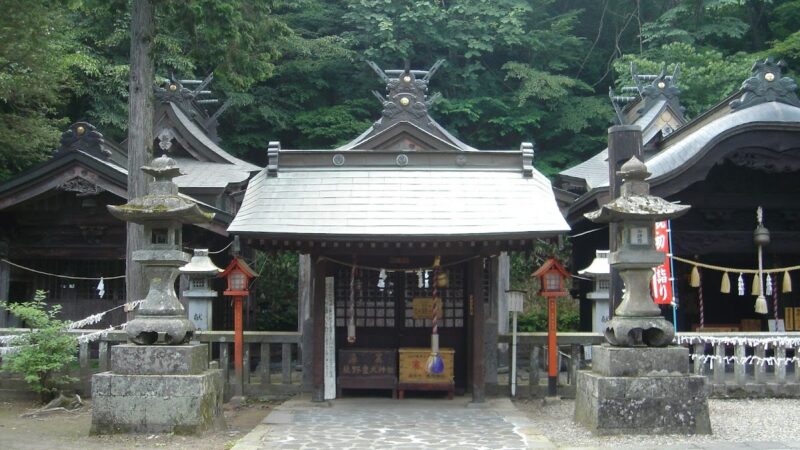
The current shrine building, constructed in 1940, is built in the traditional style of Shinto shrine architecture, creating a solemn atmosphere. The worship hall is spacious and can accommodate many visitors.
The shrine building faces the direction of the Imperial Palace, and this orientation holds deep meaning. When visiting, one can quietly offer prayers while reflecting on this historical background.
Approach and Nature of the Shrine Grounds
Located at the foot of Kannonyama Mountain, Gunma Prefecture Gokoku Shrine boasts an exceptional location surrounded by nature. The long approach offers beautiful scenery throughout the seasons, and many visitors come especially during the cherry blossom season in spring and the autumn foliage season.
The shrine grounds also have a large lawn area, which is popular as a location for pre-wedding photoshoots and commemorative photos. The tranquil grounds are the perfect place to escape the hustle and bustle of everyday life and find peace of mind.
Ancestral Hall (Columbarium)
Gunma Prefecture Gokoku Shrine has an ossuary called “Ancestral Hall” that is open to the public. It is open for viewing at any time, and those considering interment can contact the shrine in advance for detailed information.
The Ancestral Hall is used by many families as a facility to enshrine the spirits of their ancestors for eternity.
Shrine Office and Gift Shop
The shrine office provides Goshuin (shrine stamps), amulets and talismans, and accepts requests for various prayers. The gift shop is open from 9:00 AM to 5:00 PM, and Goshuin are handwritten daily.
In recent years, an online gift shop has also been established, allowing people from far away or those unable to visit the shrine to receive Goshuin and amulets.
Goshuin and Amulet Information
About Goshuin
Gunma Prefecture Gokoku Shrine provides Goshuin daily from 9:00 AM to 5:00 PM. Goshuin (temple/shrine stamps) are handwritten directly and are popular as a memento of your visit.
The goshuin includes the shrine’s name and date of visit in ink, and is stamped with the shrine’s seal. The carefully written goshuin can be cherished as a memento of your visit.
For those who do not have a goshuincho (stamp book), the shrine offers its own original goshuincho, so even first-time visitors can receive a goshuin with ease.
Using the Online Service
The “Gunma Gokoku Online Service,” established on September 24, 2025, allows you to receive goshuin and amulets by mail. This is a very convenient service for those who live far away or who are unable to visit the shrine in person.
For details and instructions on using the online service, please check the official website of Gunma Gokoku Shrine.
Amulets and Other Items
Gunma Gokoku Shrine offers a variety of amulets and other items. You can receive amulets tailored to your specific needs, such as protection from evil, traffic safety, family safety, and academic success.
The shrine also offers original amulets and souvenirs, which are popular as mementos of your visit or as gifts for loved ones.
Shinto Wedding Ceremonies and Wedding Services
Traditional Shinto Wedding Ceremonies
Gunma Prefectural Gokoku Shrine is a highly popular venue for Shinto wedding ceremonies. The traditional Shinto wedding ceremony, conducted in a solemn atmosphere, possesses the formality and dignity befitting the start of a new life together.
At a Shinto wedding ceremony, you can experience traditional Japanese culture, including dances by shrine maidens and performances of gagaku (ancient Japanese court music). Each ritual, such as the recitation of prayers by the Shinto priest, the exchange of sake cups (san-san-kudo), and the offering of sacred branches, is imbued with deep meaning, making it a solemn time to pledge the bond between husband and wife before the gods.
Procession Ceremony
The “Procession Ceremony” is particularly popular at weddings held at Gunma Prefectural Gokoku Shrine. The sight of the bride and groom walking down the long approach to the shrine, guided by the sounds of gagaku (ancient Japanese court music), is incredibly majestic and beautiful.
The procession, taking place along the approach surrounded by the changing seasons, is visually stunning and a special experience that will become a lifelong memory.
Pre-Wedding and Commemorative Photography
One of the attractions of Gunma Gokoku Shrine is the opportunity for pre-wedding photography utilizing the spacious lawn area. Photographs taken in natural light have a sense of openness and beauty that differs from studio photography.
Photographs can be taken at various spots within the shrine grounds, and commemorative photos with the scenery of the four seasons as a backdrop will become cherished treasures that will never fade with time.
Wedding Consultation and Reservations
If you are considering a wedding, we recommend contacting the shrine by phone or through their website. They can provide detailed consultations regarding dates, ceremony flow, costs, attire, photography, and more.
They can also introduce you to nearby venues for the reception after the ceremony, allowing for comprehensive wedding planning.
Prayer and Exorcism Services
Reception Hours and Same-Day Reception
Reception hours for prayers and exorcisms are from 9:00 AM to 4:30 PM. General prayers, such as those for warding off evil, can be received on the day of your visit without a reservation.
However, for wedding ceremonies or special prayers, we recommend making a reservation by phone in advance.
Types of Prayers and Blessings
At Gunma Prefecture Gokoku Shrine, you can receive the following types of prayers and blessings:
- Exorcism and Purification of Misfortune: To ward off misfortune for those entering their unlucky year
- Family Safety: Prayers for the health and peace of the family
- Traffic Safety: Prayers for the blessing of vehicles and safe driving
- Business Prosperity: Prayers for the development and prosperity of business
- Academic Success: Prayers for passing exams and improving academic performance
- Recovery from Illness: Prayers for recovery from illness
- Safe Childbirth: Prayers for the health of mother and child and a safe delivery
- First Shrine Visit: Prayers for the healthy growth of the baby
- Shichi-Go-San: Prayers for the growth of children and for their future health
In each prayer, a Shinto priest will recite a prayer and convey the wishes of the worshippers to the gods.
Information on Shichi-Go-San (7-5-3 Festival)
Gunma Prefecture Gokoku Shrine performs many Shichi-Go-San prayers. The Shichi-Go-San page was updated in September 2025, providing the latest information.
Due to expected crowds during the Shichi-Go-San season (October-November), we recommend making a reservation by phone in advance. We can also assist with kimono rentals and photography.
Information on Off-Site Ceremonies
Gunma Prefecture Gokoku Shrine offers off-site ceremonies throughout Gunma Prefecture and neighboring prefectures. We can perform various ceremonies on-site, including ground-breaking ceremonies, roof-raising ceremonies, completion ceremonies, and purification ceremonies for household altars.
If you wish to request an off-site ceremony, please consult with the shrine in advance regarding the date, location, and content of the ceremony.
Annual Events and Grand Festival
Spring Grand Festival
The Spring Grand Festival, held every spring, is one of Gunma Prefecture Gokoku Shrine’s important annual events. As a ceremony of gratitude and remembrance for the war dead, many worshippers and bereaved families attend.
During the solemn ceremony, Shinto priests recite prayers and offer sacred branches, comforting the spirits of the war dead and praying for lasting world peace.
Autumn Grand Festival
An annual grand festival is also held in the autumn, attracting many worshippers, similar to the spring festival. It is an opportunity to express gratitude for the harvest season and to renew feelings of gratitude towards the war dead.
Other Annual Events
Gunma Prefecture Gokoku Shrine also holds the following annual events:
- Saitansai (January 1st): A festival celebrating the New Year
- Setsubunsai (February): Bean-throwing and exorcism rituals
- End of War Memorial Service (August 15th): A memorial service for the end of the war
- Shichi-Go-San Pilgrimage (October-November): A celebration of children’s growth
- Oharai-shiki (June & December): A purification ceremony to cleanse away the sins and impurities accumulated over the past six months
Detailed dates for these events can be found on the shrine’s official website or by phone.
Rental Halls and Meeting Rooms
Gunma Prefecture Gokoku Shrine also offers rental halls and meeting rooms. These can be used for various purposes, including meetings, training sessions, lectures, and various gatherings.
Meetings and training sessions held in a sacred atmosphere can help participants focus their minds and have a fulfilling experience. If you wish to use the facilities, please contact the shrine in advance to check availability and fees.
Access and Parking Information
Location
Address: 2000 Noritsuke-cho, Takasaki City, Gunma Prefecture 370-0864
Phone: 027-322-6309
Access by Car
- From Kan-Etsu Expressway Takasaki IC: Approximately 15 minutes
- From Kan-Etsu Expressway Maebashi IC: Approximately 20 minutes
From Takasaki city center, head towards Kannon-yama and follow the signs to reach the shrine. If using a car navigation system, please search by address or phone number.
Parking
Free parking for visitors is available on the shrine grounds. There is ample parking space for regular cars, but congestion is expected during the annual festival and Shichi-Go-San (children’s festival), so we recommend visiting with plenty of time to spare.
Access by Public Transportation
- From JR Takasaki Station: Approximately 15 minutes by taxi or by bus
- Bus: Take the Gunma Bus “Kannon-yama Line” from the west exit of Takasaki Station and get off at “Gokoku Jinja-mae” bus stop.
Please check the Gunma Bus official website for bus timetables and fares.
Manners and Etiquette for Visiting a Shrine
Basic Etiquette for Visiting a Shrine
The basic etiquette for visiting a shrine is as follows:
- Bow before passing through the torii gate: Bow slightly before entering the shrine grounds.
- Walking along the approach: The center of the approach is considered the path of the gods, so walk along the sides.
- Purify yourself at the water basin: Purify your left hand, then your right hand, then your mouth.
- Worship at the main hall: Two bows, two claps, and one bow is the basic procedure.
Attire
While casual attire is acceptable, it’s best to avoid overly casual clothing (shorts, sandals, etc.). Especially if you are receiving prayers or attending a wedding, somewhat formal attire is desirable.
Photography
Photography is generally permitted on the shrine grounds, but consideration should be given to avoiding disturbing other visitors. There may be restrictions on photography inside the shrine buildings or during ceremonies, so please check with a Shinto priest if you have any questions.
Social Role of Gunma Prefecture Gokoku Shrine
As a Place for Peace Education
Gunma Prefecture Gokoku Shrine plays a vital role in conveying the tragedy of war and the preciousness of peace to future generations. The fact that 47,274 war dead are enshrined there speaks volumes about the immense number of lives lost in war.
Through worship, one can learn about the history of war and renew their commitment to peace. It is a particularly valuable opportunity for younger generations to learn about history and reflect on peace.
Center of the Local Community
Gunma Prefecture Gokoku Shrine functions not only as a shrine dedicated to war dead, but also as a spiritual pillar of the local community. It is a familiar place for many residents of the prefecture to hold ceremonies at important life events such as Shichi-Go-San (a traditional rite of passage for children), weddings, and exorcisms.
Annual events and the grand festival serve as gathering places for local residents to preserve and pass on traditional culture.
Value as a Tourist Resource
Gunma Prefecture Gokoku Shrine is an important tourist resource, boasting a rich natural location at the foot of Mt. Kannon, historical significance, and beautiful shrine buildings. It attracts many visitors from outside the prefecture and is featured as one of Takasaki City’s tourist attractions.
Nearby attractions such as the Takasaki Byakue Daikannon (White-Robed Kannon) make for a more fulfilling sightseeing experience when visited together.
Official Information and Inquiries
Official Website
The official website of Gunma Prefecture Gokoku Shrine provides various information, including the latest announcements, annual event information, wedding information, and an online amulet shop. It is recommended to check this before visiting.
Official Social Media Accounts
The official Instagram account (@gokokujinja_gunma) regularly posts information about the shrine grounds throughout the seasons, events, and goshuin (shrine stamp) information. Following the account allows you to receive the latest information in a timely manner.
With over 2,800 followers, it is a popular account enjoyed by many.
How to Contact Us
Phone: 027-322-6309
Reception Hours: 9:00 AM – 5:00 PM
Please feel free to inquire about anything, including weddings, prayers, off-site ceremonies, columbariums, and other questions. We will provide courteous service to address your doubts and concerns.
Summary
Gunma Prefecture Gokoku Shrine is a shrine revered by the people of Gunma Prefecture, enshrining 47,274 war dead from Gunma Prefecture from the Meiji Restoration to World War II. Since its founding in 1941, it has played an important role as a place to express gratitude and commemorate the war dead and to pray for lasting world peace.
The shrine grounds, with their rich natural environment at the foot of Mt. Kannon, solemn shrine buildings, and long approach, are filled with tranquility and solemnity. Various services are offered, including the issuance of Goshuin (shrine stamps) and amulets, various prayers, and Shinto wedding ceremonies, making it an important place for important life events.
Learning about history, reflecting on peace, and cultivating a sense of gratitude—a visit to Gunma Prefecture Gokoku Shrine will be a valuable experience. When you visit Takasaki City, be sure to stop by.
Checking the official website and social media for the latest information and planning your visit accordingly will allow you to have a more fulfilling experience. The shrine staff are also very kind and helpful, so please feel free to ask them any questions you may have.