Complete Guide to Yachi Hachimangu Shrine | A Thorough Explanation of History, Dance, Festival, Goshuin (Shrine Seal), and Access
Yachi Hachimangu Shrine, located in Kahoku-cho, Nishimurayama-gun, Yamagata Prefecture, is a historic shrine said to have been founded in the late Heian period. Known for its dedication of Hayashiya Bugaku (a nationally designated Important Intangible Folk Cultural Property) and the grand annual festival, “Yachi Donga Matsuri,” held every September, it remains a central place of worship in the region, having flourished alongside the safflower culture, and continues to attract many visitors.
This article comprehensively introduces information you should know before visiting Yachi Hachimangu Shrine, including its history, enshrined deities, cultural properties, annual events, goshuin (shrine seal), and access methods.
What is Yachi Hachimangu Shrine?
Yachi Hachimangu Shrine is located at 224 Yachi, Kahoku-cho, Nishimurayama-gun, Yamagata Prefecture, and enshrines Emperor Ojin as its main deity. Originally simply called “Hachiman Shrine,” it became widely known as “Yachi Hachimangu,” incorporating the local place name.
The shrine is said to have been founded in 1091 (Kanji 5) by Minamoto no Yoshiie (Hachiman Taro Yoshiie), a military commander of the Heian period, who invited the Hachiman deity from Iwashimizu Hachimangu Shrine. Minamoto no Yoshiie was a warrior who played an active role in the Later Three Years’ War (1083-1087), and many legends related to him remain in the Tohoku region.
Relationship between Yachi Castle and Hachimangu Shrine
In the medieval period, Yachi Hachimangu Shrine became deeply intertwined with the history of Yachi Castle. When Lord Shiratori Juro Nagahisa built Yachi Castle, the shrine, along with Enpuku-ji Temple, was moved from Shiratori Village to its current location, becoming the castle’s guardian shrine. This relocation led to Yachi Hachimangu Shrine taking on the role of a political and spiritual center of the region.
Deep Connections to Safflower Culture
During the Edo period, Yachi flourished greatly thanks to the safflower trade utilizing the Mogami River shipping route. Safflower merchants amassed immense wealth, a portion of which they dedicated to offerings to the shrine. The lavish and magnificent annual festival of Yachi Hachimangu Shrine is closely related to this flourishing safflower culture.
Currently, Yachi Hachimangu Shrine is registered on the Agency for Cultural Affairs’ Japan Heritage portal site as one of the constituent cultural properties of the Japan Heritage “Safflower Culture Supported by Mountain Temples,” and is an important presence that conveys the region’s history and culture to the present day.
Nationally Designated Important Intangible Folk Cultural Property: “Hayashiya Bugaku”
Indispensable to understanding Yachi Hachimangu Shrine is the “Hayashiya Bugaku,” designated as a Nationally Designated Important Intangible Folk Cultural Property. This Bugaku is a precious performing art that has been passed down through generations of the Hayashiya family in Yachi, and is an extremely valuable cultural asset that conveys the prototype of classical Japanese performing arts to the present day.
History of Hayashiya Bugaku
The origins of Hayashiya Bugaku are unclear, but it is believed to have been established at least by the early Edo period. The Hayashiya family, wealthy merchants from Yachi who prospered from the safflower trade, learned the art from Bugaku performers invited from Kyoto and Edo, and have passed it down through generations along with the family headship.
Bugaku is originally a form of Gagaku dance performed in the imperial court and large temples and shrines. It is extremely rare nationwide for commoners to inherit this art, and due to its rarity and the purity of its tradition, Hayashiya Bugaku was designated a National Important Intangible Folk Cultural Property in 1976.
Bugaku Repertoire and Characteristics
Hayashiya Bugaku has several repertoire pieces, each with its own unique costumes, masks, and movements. Representative repertoire includes “Ryōō,” “Nasori,” and “Batō,” which are performed solemnly to the melodies of Gagaku.
Of particular note is the historical value of the Bugaku costumes and masks, including some dating back to the Edo period. The magnificent costumes woven with gold and silver threads speak to the economic power of Yachi, which prospered from the safflower trade.
Opportunity to Appreciate Bugaku
The Hayashiya Bugaku is performed annually at the Yachi Hachimangu Shrine’s annual festival, “Yachi Donga Matsuri,” in September. Visiting during this time allows you to witness this nationally designated Important Intangible Folk Cultural Property firsthand. The solemnity and elegance of the Bugaku will leave an unforgettable impression.
Yachi Hachimangu Shrine’s Annual Festival, “Yachi Donga Matsuri”
The annual festival of Yachi Hachimangu Shrine, known as “Yachi Donga Matsuri,” is held grandly over three days, Saturday, Sunday, and Monday in September, including Respect for the Aged Day. This festival boasts a history of over 300 years and is the largest festival event in Kahoku Town, having developed against the backdrop of the flourishing safflower culture.
Festival Highlights
Hayashiya Bugaku Performance
The highlight of the festival is undoubtedly the Hayashiya Bugaku performance. Elegant dances are performed on a special stage within the shrine grounds, accompanied by the sounds of Gagaku (ancient Japanese court music).
Mikoshi Procession
The sight of the magnificent mikoshi (portable shrine) parading through the town is breathtaking. The energetic shouts of the bearers echo throughout the town.
Yachiyakko (Valley Maiden)
The Yachiyakko procession, modeled after the daimyo processions of the Edo period, captivates spectators with its unique movements and costumes. The skills of the performers, known as “yakko-san,” are magnificent.
Hayashiya Floats
Hayashiya floats from each district of the town enliven the festival with the lively rhythms of flutes and drums. At night, lanterns are lit, creating a magical atmosphere.
Festival Schedule and Participation
The annual festival is held every year during the three-day weekend including Respect for the Aged Day in September. Specific dates and event schedules can be found on the official website of Yachi Hachimangu Shrine. While general visitors are welcome to observe, some rituals may require prior registration.
During the festival, the entire town of Kahoku is enveloped in a festive atmosphere, and many stalls are set up. Parking is expected to be crowded, so using public transportation or arriving early is recommended.
Annual Events and Regular Festivals
In addition to the annual festival, Yachi Hachimangu Shrine holds various rituals and events throughout the year.
Main Annual Events
New Year’s Day Festival (January 1st)
This ritual celebrates the New Year and attracts many visitors for their first shrine visit of the year. Sake and amazake (sweet rice wine) are served from New Year’s Eve, and approximately 40,000 visitors attend annually.
Setsubun Festival (around February 3rd)
Beans are scattered, and prayers are offered for protection against evil and for good fortune.
Spring Festival
A Shinto ritual is held to give thanks for the arrival of spring.
Summer Purification Ceremony (June 30th)
A Shinto ritual to purify oneself of the impurities accumulated over the past six months. A ritual of passing through a ring of reeds may also be performed.
Autumn Festival (3 days including Respect for the Aged Day in September)
Held grandly as the aforementioned “Yachidonga Festival.”
Niiname-sai Festival (November 23rd)
A Shinto ritual to give thanks for the harvest is held.
Year-End Purification Ceremony (December 31st)
Purification of the impurities accumulated over the year and preparation for welcoming the New Year.
Some festivals require registration to attend; please contact the shrine directly for details.
Prayers, Shrine Visits, and Life Celebrations
Yachi Hachimangu Shrine accepts various prayers for important life milestones.
Main Types of Prayers
- First Shrine Visit (Omiyamairi): Expressing gratitude for the birth of a baby and praying for their healthy growth
- Shichi-Go-San (7-5-3 Festival): Celebrating a child’s growth and praying for their future health
- Exorcism: Praying for protection from misfortune for those in their unlucky year
- Safety Prayer: Praying for traffic safety, construction safety, family safety, etc.
- Business Prosperity: Praying for business prosperity and success
- Prayer for Success in Exams: Praying for success in exams and job hunting
- Recovery from Illness: Praying for recovery from illness
- Prayer for Good Relationships: Praying for being blessed with good relationships
Prayer Reception
Advance reservations are recommended for prayers, but same-day reservations are also possible. However, due to expected crowds on festival days and auspicious days, we recommend making a reservation by phone in advance.
The prayer fee (offering) varies depending on the content of the prayer; please inquire for details.
Goshuin Information
You can receive a goshuin (temple/shrine stamp) at Yachi Hachimangu Shrine. Many visitors receive a goshuin as proof of their visit to the shrine and as a memento of their trip.
Features of the Goshuin
The goshuin at Yachi Hachimangu Shrine features the shrine’s name, “Yachi Hachimangu,” written in ink and stamped with a red seal. It is characterized by a simple yet powerful calligraphy style, conveying the dignity of a historical shrine.
Goshuin Reception
Goshuin are available at the shrine office. Reception hours are generally from 9:00 to 17:00, but staff may be absent due to religious ceremonies or events, so we recommend calling in advance to confirm if you wish to receive one.
The offering fee is generally around 300 to 500 yen. You can bring your own goshuincho (stamp book) or receive a pre-printed goshuin.
Manners for Receiving a Goshuin
- Please complete your prayers before receiving your goshuin.
- Please use polite language at the shrine office.
- When it is crowded, please respect the queue and be considerate of other visitors.
- Understand that the goshuin is proof of your visit, not a stamp rally.
Highlights of the Shrine Grounds
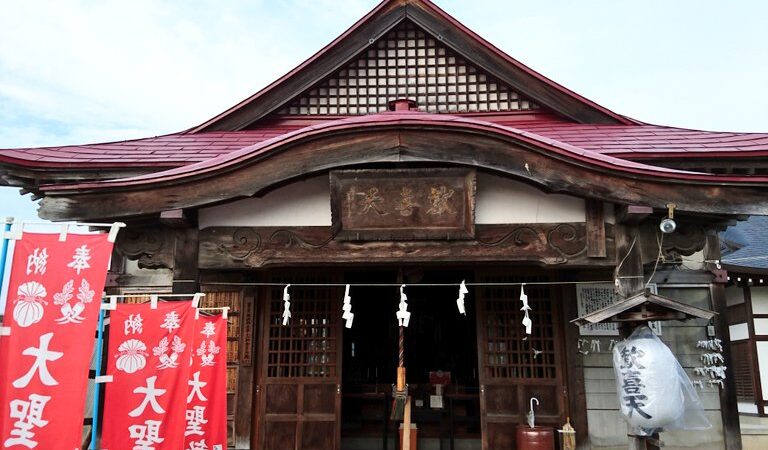
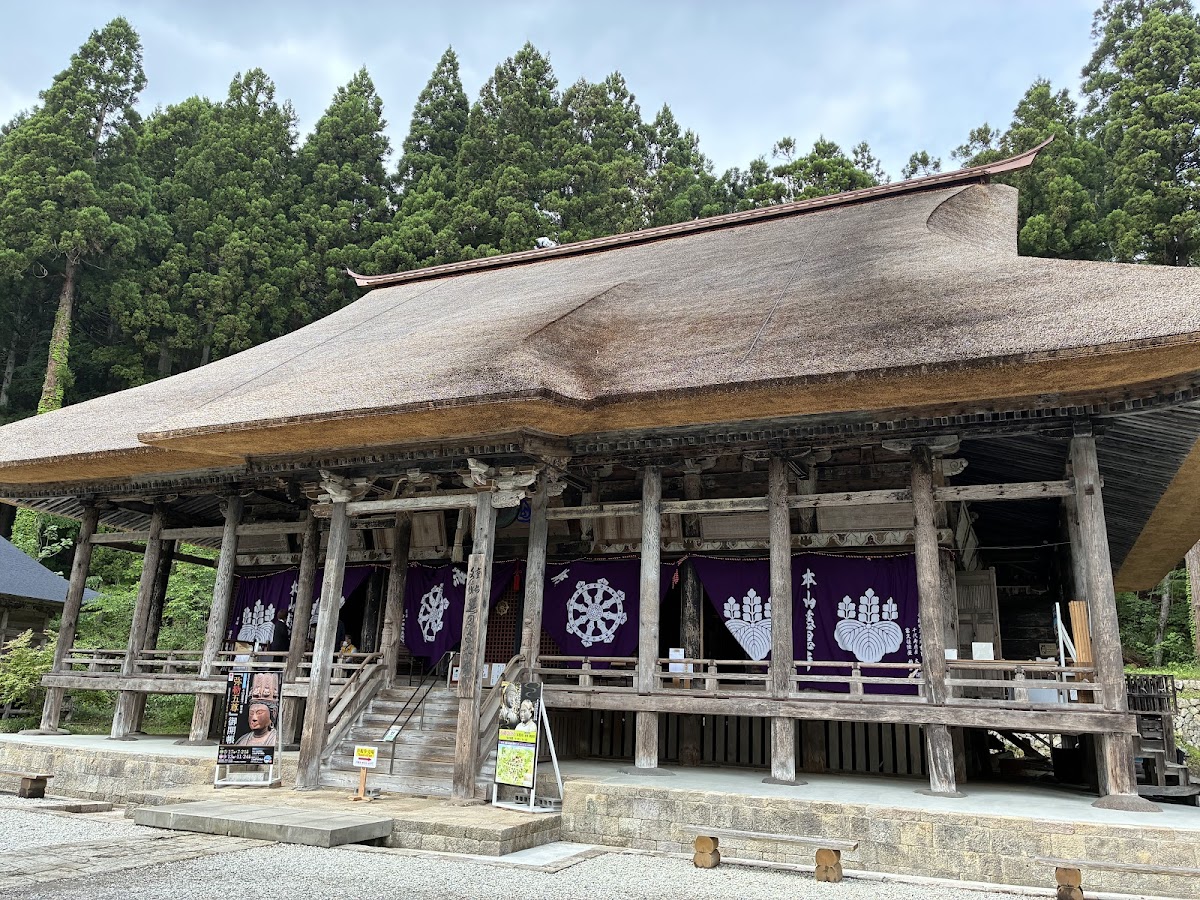
The grounds of Yachi Hachimangu Shrine harmoniously blend historical buildings with nature.
Main Hall and Worship Hall
The current shrine buildings were constructed and renovated between the Edo and Meiji periods, preserving the traditional style of shrine architecture. The carvings on the main hall, in particular, are exquisite, demonstrating the high level of craftsmanship of the time.
Subsidiary Shrines
Several subsidiary shrines (sessha and massha) are enshrined around the main hall. Each enshrines a different deity, attracting visitors seeking diverse blessings.
Kagura Hall/Bugaku Hall
This is the stage where the Hayashiya Bugaku (court dance and music) is performed during the annual festival. While usually quiet, it transforms into a vibrant stage for Bugaku during the festival.
Shrine Office
This is where you can receive Goshuin (shrine stamps) and amulets, and request prayers. Shrine priests are always present to assist visitors.
Items Offered (Amulets and Talismans)
Yachi Hachimangu Shrine offers various amulets and talismans.
Main Items Offered
- Traffic Safety Amulet: An amulet to protect the safety of cars and bicycles.
- Academic Success Amulet: An amulet to pray for academic success and passing entrance exams.
- Health Amulet: An amulet to pray for maintaining good health and recovery from illness.
- Exorcism Amulet: An amulet to ward off misfortune during unlucky years.
- Safe Childbirth Amulet: An amulet to pray for safe childbirth.
- Business Prosperity Amulet: An amulet to pray for business prosperity and success.
- Family Safety Amulet: An amulet to protect the peace and safety of the home.
- Shinto Altar Amulet: A Shinto altar amulet to enshrine on a household altar.
Amulets and amulets are meant to make you feel the protection of the gods close at hand. Carry them carefully with you or enshrine them at home to feel a connection with the gods in your daily life.
Access
Yachi Hachimangu Shrine is accessible by both car and public transport.
For those coming by car
From the Yamagata Expressway
- Approximately 20 minutes (approx. 12 km) from Sagae IC
- Approximately 10 minutes (approx. 7 km) from Higashine IC
From major cities
- Approximately 30 minutes from Yamagata City
- Approximately 20 minutes from Tendo City
- Approximately 15 minutes from Sagae City
Car Navigation Settings
Address: 224 Yachi, Kahoku-cho, Nishimurayama-gun, Yamagata Prefecture
Phone number: 0237-72-2149 (for car navigation search)
Parking
There is parking for visitors around the shrine. Normally, there is ample parking, but it gets very crowded during festivals and New Year’s visits. Temporary parking may be set up, so please follow the signs.
For those arriving by public transport
By train and bus
- Approximately 20 minutes by bus from JR Sagae Station on the Aterazawa Line, get off at the “Town Hall” bus stop, then approximately 3 minutes on foot.
- Approximately 15 minutes by taxi from JR Sakuranbo-Higashine Station on the Ou Main Line.
- Approximately 10 minutes by taxi from JR Murayama Station on the Ou Main Line.
Bus routes
Yamako Bus operates from Sagae Station towards Kahoku Town. Since the number of buses is limited, it is recommended to check the timetable in advance.
By taxi
If taking a taxi from the nearest station, the journey takes approximately 10-20 minutes, and the fare is approximately 2,000-3,000 yen.
Access Notes
- During winter (December to March), snow is present, so snow tires are essential if visiting by car.
- Traffic restrictions may be in place during the festival period.
- The surrounding roads will be congested during the New Year’s visit period (December 31st evening to January 3rd).
Nearby Tourist Attractions
When visiting Yachi Hachimangu Shrine, we recommend also visiting tourist attractions in Kahoku Town and the surrounding area.
Kahoku Town Safflower Museum
This museum allows you to learn about the history of safflower culture in Kahoku Town. Exhibits showcase the prosperity of the safflower trade during the Edo period and safflower dyeing techniques. It is within walking distance of Yachi Hachimangu Shrine.
Village of Hina Dolls and Safflowers
Kahoku Town is known as the “Village of Hina Dolls and Safflowers.” In spring, the “Yachi Hina Festival” is held, and Hina dolls passed down through generations in old families in the town are displayed to the public.
Mogami River
The Mogami River, one of Japan’s three major rapid rivers, flows near Kahoku Town. You can learn about the history of river transport and enjoy the scenery of the four seasons.
Sagae City and Tendo City
The neighboring city of Sagae has numerous tourist orchards where you can enjoy cherry picking. Tendo City is famous for its production of shogi (Japanese chess) pieces and also offers a relaxing hot spring resort.
Contact Information
For all inquiries regarding Yachi Hachimangu Shrine, please contact the following:
Yachi Hachimangu Shrine Office
〒999-3511
224 Yachi, Kahoku-cho, Nishimurayama-gun, Yamagata Prefecture
Phone: 0237-72-2149
FAX: (Please inquire)
Opening Hours
Generally 9:00 AM – 5:00 PM (Subject to change depending on Shinto rituals and events)
Inquiries
- Reservations and consultations for prayers
- Confirmation of annual event schedules
- Questions regarding worship
- Confirmation of Goshuin (shrine stamp) reception hours
- Other matters related to the shrine
Information is also available on the official website (https://www.yachihachimangu.jp/), so please check there as well.
Manners and Etiquette for Visiting Shrines
When visiting a shrine, it is important to observe basic manners.
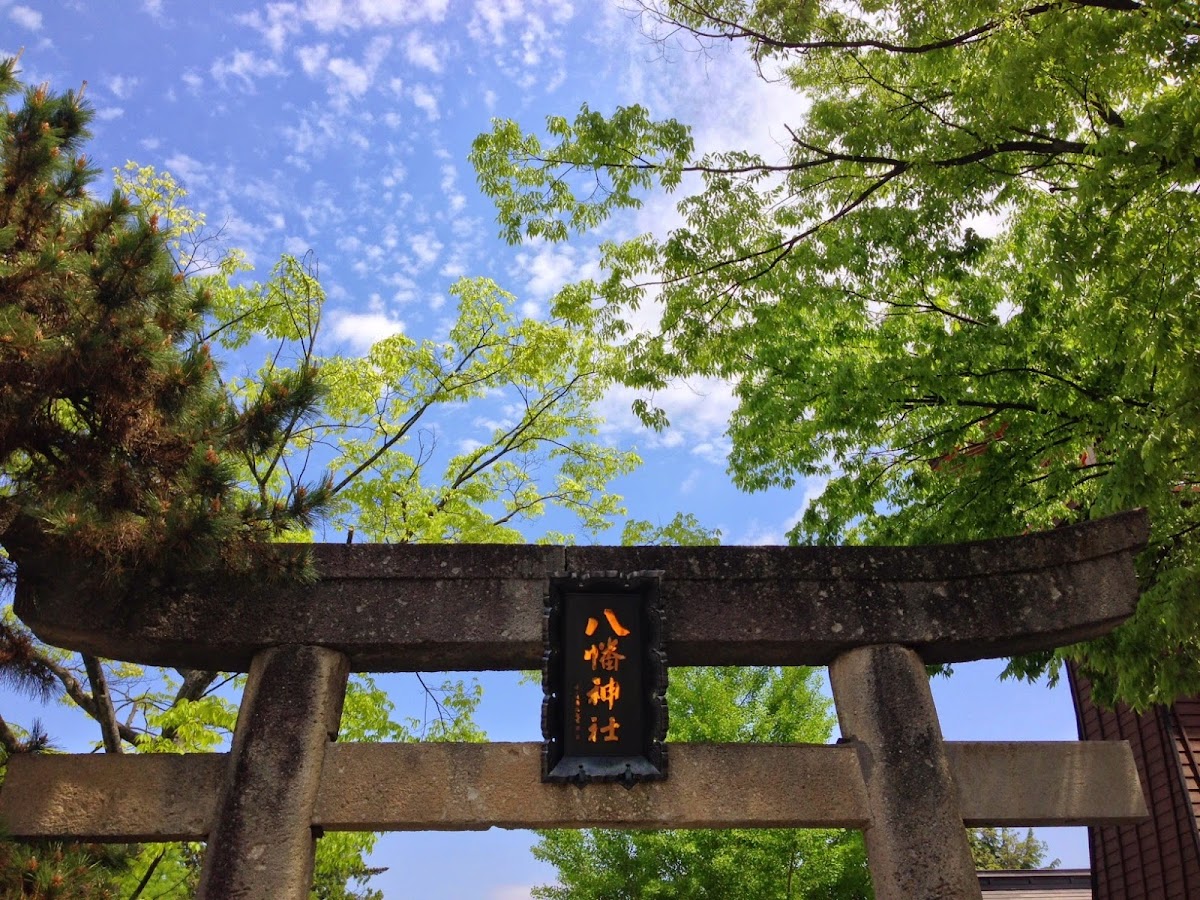
How to Pass Through the Torii Gate
The torii gate is the entrance to the sacred area. Bow before passing through. The center of the approach to the shrine is considered the path of the gods, so it is polite to walk along the sides.
Proper Ritual for Washing Hands
- Take the ladle with your right hand and wash your left hand.
- Switch the ladle to your left hand and wash your right hand.
- Switch the ladle back to your right hand, receive water in your left hand, and rinse your mouth.
- Wash your left hand again.
- Hold the ladle upright, wash the handle, and return it to its original position.
Proper Ritual for Worshiping at the Main Hall
- Bow slightly before the offering box.
- Gently place your offering in the box.
- Ring the bell if there is one.
- Bow twice, clap twice, and bow once (bowing deeply twice, clapping twice, bowing deeply once).
- Recite your wish silently.
Regarding Attire
While it is possible to visit in casual clothes, please dress neatly. If you are receiving a prayer service, it is preferable to wear attire that is not too casual.
A Summary of the Charms of Yachi Hachimangu Shrine
Yachi Hachimangu Shrine is a venerable shrine with a history of approximately 1,000 years since its founding in the Heian period. Its history is multifaceted, encompassing traditions such as its founding by Minamoto no Yoshiie, its role as the guardian shrine of Yachi Castle, and its deep connection to safflower culture.
The Hayashiya Bugaku, a nationally designated Important Intangible Folk Cultural Property, is a rare example of folk dance and music, and the annual festival in September, “Yachi Donga Matsuri,” is full of highlights, including Bugaku performances, portable shrines, Yachi Yakko, and festival floats.
Approximately 40,000 people visit for Hatsumode (first shrine visit of the year), and it remains a central place of worship and spiritual support for people throughout the year.
When visiting Yamagata Prefecture, be sure to visit Yachi Hachimangu Shrine and experience its long history and traditional culture. A peaceful visit amidst the solemn atmosphere will allow you to escape the hustle and bustle of everyday life and find tranquility.
For history buffs, those interested in cultural properties, shrine enthusiasts, and anyone who wants to delve deeper into Yamagata’s regional culture, Yachi Hachimangu Shrine is a must-see. The shrine grounds, displaying different expressions throughout the seasons, the traditions carefully preserved by the local people, and the unwavering faith will deeply move visitors.