Kochi Prefecture Gokoku Shrine: A Complete Guide to the History and Pilgrimage of the Shrine Dedicated to Ryoma Sakamoto and Other Meiji Restoration Patriots
Kochi Prefecture Gokoku Shrine is a Gokoku Shrine located in Kochi City, Kochi Prefecture. It is an important shrine dedicated to over 41,700 war dead from Kochi Prefecture who sacrificed their lives for the nation from the end of the Edo period to the present day. It is particularly known for enshrining the Four Heavenly Kings of the Meiji Restoration: Ryoma Sakamoto, Hanpeita Takechi, Shintaro Nakaoka, and Kotaro Yoshimura. As a representative historical pilgrimage site of Kochi Prefecture, it attracts many visitors.
History of Kochi Prefecture Gokoku Shrine
Origins and the Oshima Cape Shrine Era
The history of Kochi Prefecture Gokoku Shrine dates back to the first year of the Meiji era (1868). To commemorate the spirits of the Tosa domain samurai who died fighting in the eastern campaign during the Boshin War, the 16th lord of the Tosa domain, Yamauchi Toyonori, held a memorial service for 105 soldiers, including the Jinshōtai, at the domain school, Kochi Chidōkan.
In 1869 (Meiji 2), the shrine grounds were established on the present-day Ōshima Cape of Godaisan, and the shrine building was completed. Named “Ōshima Cape Shrine” after the land where it was built, the return of the spirits to the enshrined site marked the beginning of Kochi Prefecture Gokoku Shrine. Initially, it mainly enshrined those who died in the Boshin War, but over time, the scope of enshrined deities expanded.
Renaming to Shōkonsha and Development
In 1875 (Meiji 8), Ōshima Cape Shrine was renamed “Shōkonsha.” During this period, there was a nationwide movement to erect Shokonsha shrines (shrines dedicated to the war dead) to commemorate those who died in conflicts such as the Boshin War and the Satsuma Rebellion. The Kochi Shokonsha played a significant role in this movement.
During its time as a Shokonsha, the shrine successively enshrined the spirits of patriots from the Tosa Domain who played a key role in the Meiji Restoration. The spirits of heroes known as the “Four Heavenly Kings of the Meiji Restoration”—Sakamoto Ryoma, Takechi Hanpeita, Nakaoka Shintaro, and Yoshimura Kotaro—were enshrined, transforming the shrine from a mere war memorial into a symbol of Tosa’s history and pride.
Renaming to Kochi Prefecture Gokoku Shrine and the Modern Era
In 1939 (Showa 14), the shrine was renamed “Kochi Prefecture Gokoku Shrine” by designation of the Minister of Home Affairs. This renaming was based on the national policy of unifying all Shokonsha shrines nationwide under the name Gokoku Shrine. The role of the Gokoku Shrine has expanded to include enshrining the spirits of those from Kochi Prefecture and those with connections to the prefecture who sacrificed their lives for the nation and the public during the First Sino-Japanese War, the Russo-Japanese War, World War I, the Manchurian Incident, the Second Sino-Japanese War, and the Greater East Asia War (World War II).
Currently, over 41,700 war dead from the Meiji Restoration to the present day are enshrined here, making it the most important place of remembrance and commemoration in Kochi Prefecture. Within the shrine grounds is the Memorial Hall (Ema-do), where exhibits showcasing the shrine’s history, origins, and festivals continue to convey history to visitors.
Deities Enshrined: The Four Heavenly Kings of the Meiji Restoration and War Dead
The Four Heavenly Kings of the Meiji Restoration
The most famous deities enshrined at Kochi Prefecture Gokoku Shrine are the following four individuals, known as the “Four Heavenly Kings of the Meiji Restoration.”
Takechi Hanpeita no Mikoto
Takechi Hanpeita (Takechi Zuizan) was a central figure in the Sonno Joi (Revere the Emperor, Expel the Barbarians) movement, having formed the Tosa Kinno Party. He excelled in swordsmanship and aimed for political reform in the Tosa domain, but was caught up in internal political struggles and committed seppuku (ritual suicide). His ideals greatly influenced later Meiji Restoration patriots.
Sakamoto Ryoma no Mikoto
Sakamoto Ryoma was a patriot of the late Edo period who made significant contributions to Japan’s modernization. He played a key role in mediating the Satsuma-Choshu Alliance and achieving the Taisei Hokan (restoration of imperial rule), and he envisioned a new national vision, including the Eight-Point Plan. He was assassinated in 1867 at the Omiya Inn in Kyoto, but his achievements are forever etched in Japanese history.
Nakaoka Shintaro no Mikoto
Nakaoka Shintaro was a close ally of Sakamoto Ryoma and played a key role in the realization of the Satsuma-Choshu Alliance. He played a central role as the commander of the Rikuentai (Land Support Corps) in the movement to overthrow the shogunate. He was attacked at the Omiya Inn along with Ryoma Sakamoto and died two days after Ryoma’s death.
Yoshimura Torataro
Yoshimura Torataro (also known as Yoshimura Torataro) was a loyalist and anti-foreign activist who led the Tenchugumi Incident. In 1863, he raised an army in Yamato Province but was killed in battle against the shogunate forces. His courageous and daring actions influenced many other activists.
Other Enshrined Heroes
In addition to these Four Heavenly Kings, the following heroes are also enshrined:
- Samurai Who Died in the Eastern Expedition: 105 samurai of the Tosa Domain who died fighting in the Eastern Expedition of the Boshin War (the original enshrined deities)
- Okada Izō: A swordsman who played an active role as part of the Tosa Loyalist Party’s operational force
- War Dead of the First Sino-Japanese and Russo-Japanese Wars: Individuals from Kochi Prefecture who perished in foreign wars during the Meiji era
- War Dead of World War I: Victims of international conflicts during the Taisho era
- War Dead of the Manchurian Incident and the Sino-Japanese War: Those who died in battles on the continent during the early Showa era
- War Dead of the Greater East Asia War: Individuals from Kochi Prefecture and those with connections to the prefecture who perished for their country in World War II
The Nankai Chūretsu Monument within the temple grounds bears the names of 85 Meiji Restoration patriots, preserving the achievements of the many heroes produced by Tosa.
Highlights and Facilities on the Shrine Grounds
Main Hall and Worship Hall
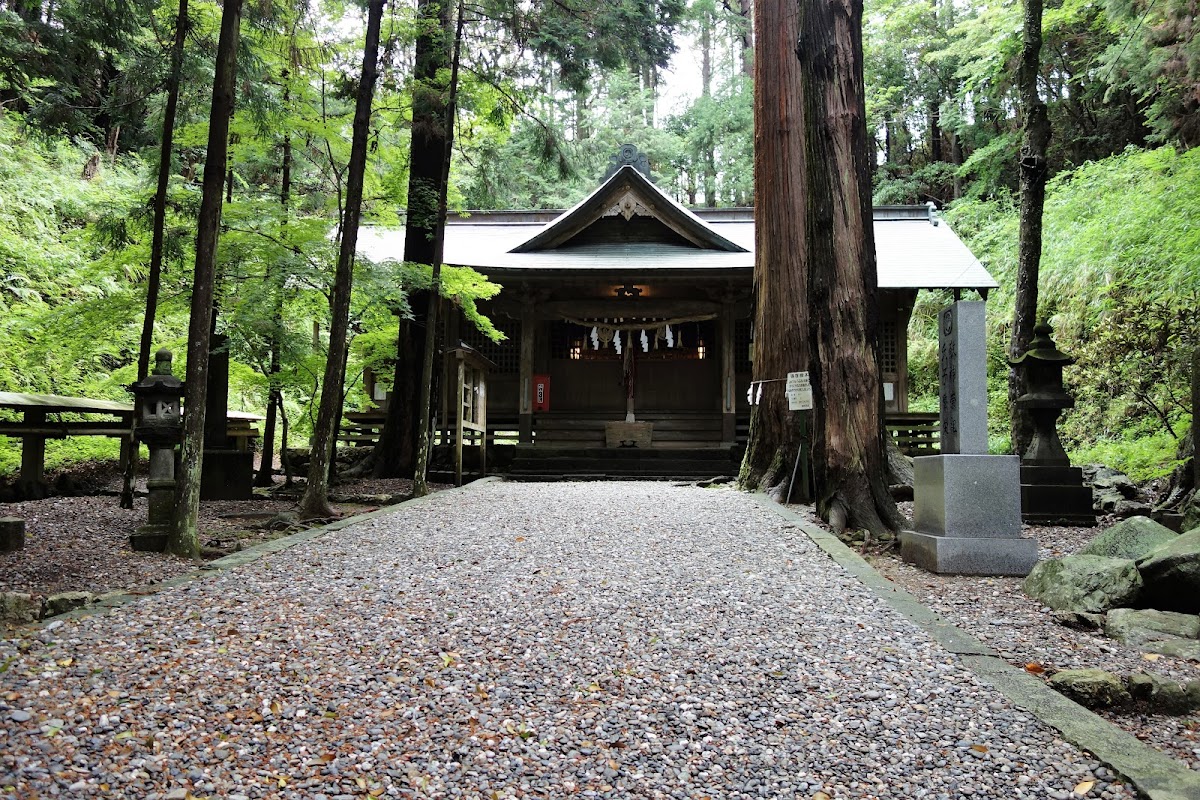
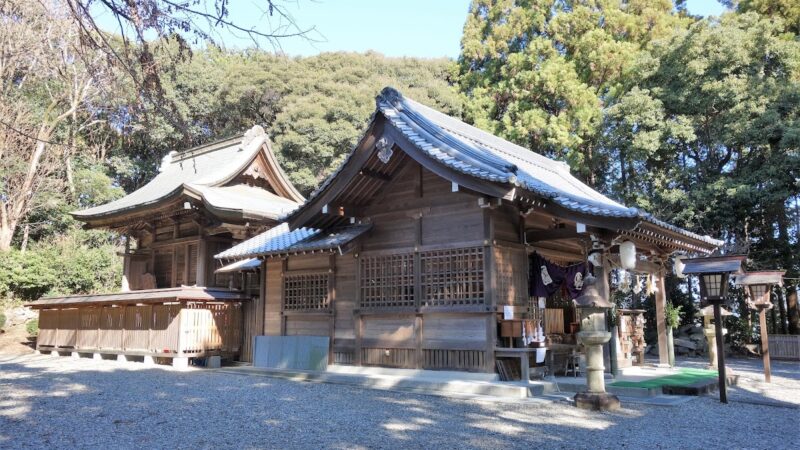
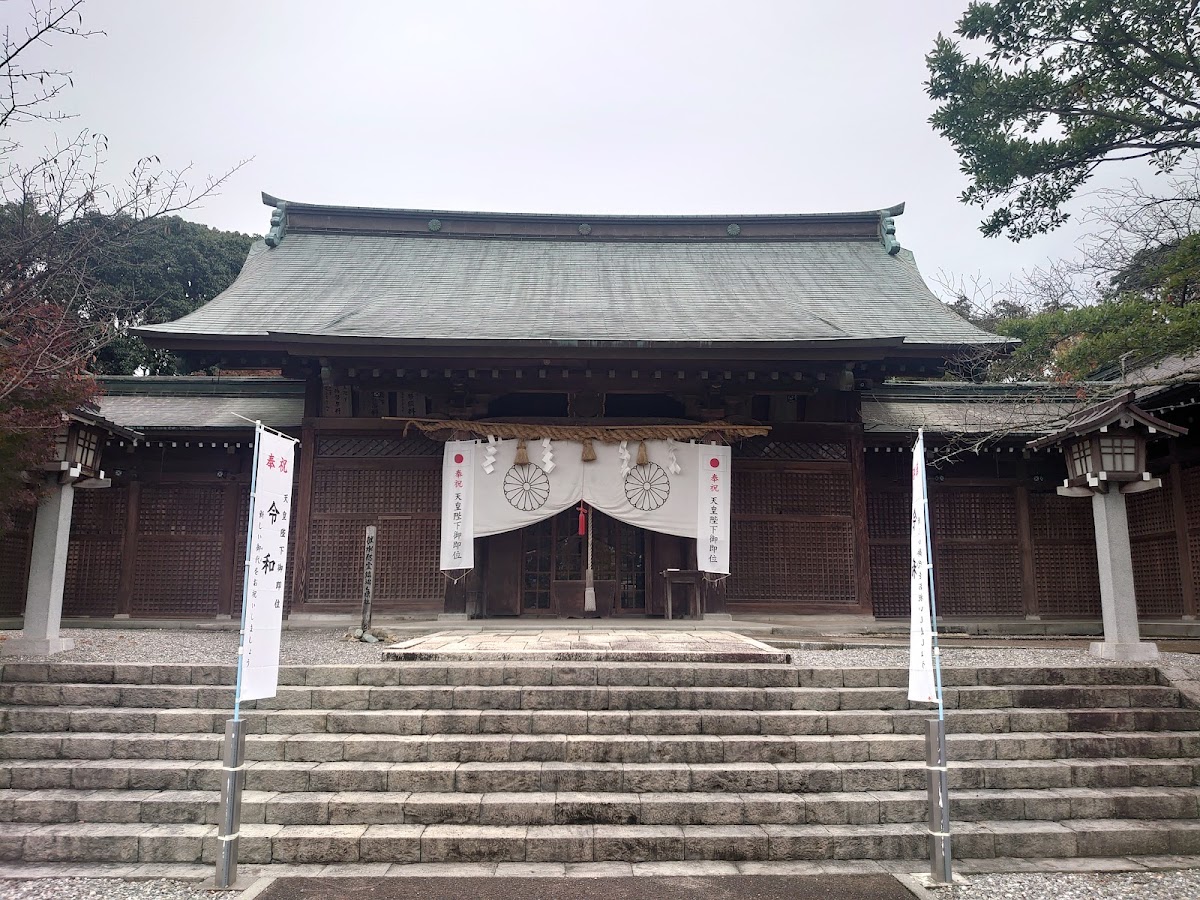
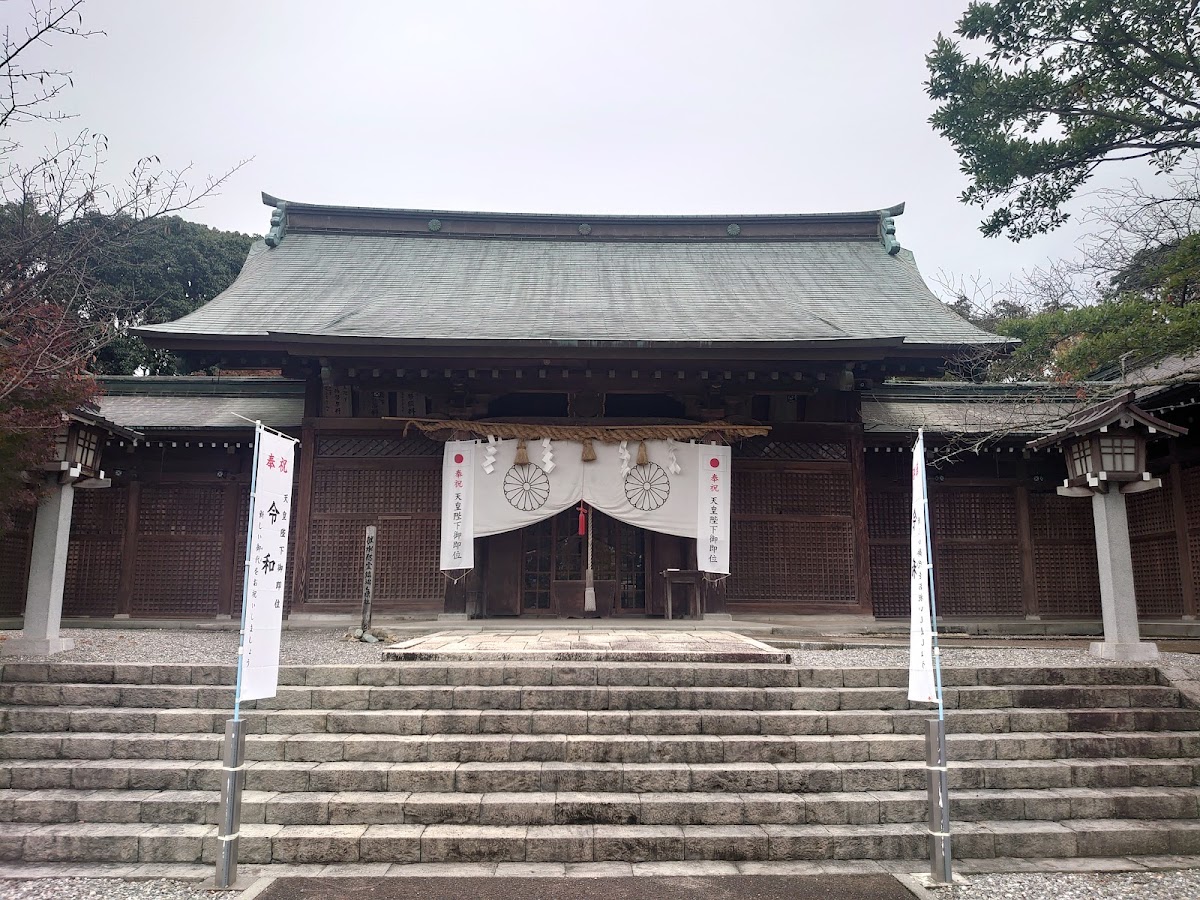
The main hall and worship hall of Kochi Prefecture Gokoku Shrine are Shinto-style buildings with a solemn atmosphere. The shrine grounds are always kept clean, quietly welcoming visitors. A magnificent shrine name marker stands in front of the worship hall, signifying the shrine’s status.
Naval Tower
Immediately next to the shrine name marker stands the large “Naval Tower.” This tower was built to commemorate those from Kochi Prefecture who served in the Navy and died in the Pacific War, and embodies gratitude to the heroic spirits who sacrificed their lives to protect Japan, a country surrounded by the sea.
Memorial Hall for Heroes (Ema Hall)
To the left of the main hall (worship hall) is the “Memorial Hall for Heroes,” also known as the “Ema Hall.” The following exhibits are displayed here:
- Detailed history and origins of the shrine
- Achievements of the Four Heavenly Kings of the Meiji Restoration
- Documents concerning war dead from various eras
- Photographs documenting recent festivals
- Votive plaques and calligraphy
The Memorial Hall for the War Dead is a valuable facility where you can learn deeply about the history and deities of Kochi Prefecture Gokoku Shrine, and is a place you should definitely visit when you come to worship.
Nankai Loyalty Monument
The “Nankai Loyalty Monument” stands on the shrine grounds, inscribed with the names of 85 Meiji Restoration patriots. You can find the names of Sakamoto Ryoma, Nakaoka Shintaro, Yoshimura Kotaro, and other Tosa loyalist patriots such as Okada Izo. This monument is a valuable historical site that conveys the important role that Tosa played during the late Edo period and the Meiji Restoration.
Shrine Office and Items
At the shrine office, you can receive Goshuin (shrine stamps), various amulets, and talismans. The Goshuin (seal impression) of Kochi Prefecture Gokoku Shrine is popular among many visitors as a memento of their visit, and is characterized by its carefully written calligraphy and red seal.
Main Festivals and Annual Events
Kochi Prefecture Gokoku Shrine holds various festivals throughout the year.
Spring Grand Festival
Held every spring, the Spring Grand Festival is an important ceremony to comfort the spirits of the enshrined deities and pray for the peace and security of the nation. Many bereaved families, related parties, and devotees attend, and the ceremony proceeds in a solemn atmosphere.
Autumn Grand Festival
The Autumn Grand Festival is an important ceremony, comparable to the Spring Grand Festival, offering gratitude for the harvest and expressing appreciation to the war dead. Many visitors come from both within and outside Kochi Prefecture, and the shrine grounds are bustling with people.
Mitama Festival
In the summer, the “Mitama Festival” is held, a special ceremony to comfort the spirits of the enshrined deities. Lanterns are lit, creating a mystical atmosphere where gratitude is offered to the war dead.
Monthly Festival
A monthly festival is held regularly each month, offering daily gratitude to the enshrined deities and prayers for peace.
New Year’s Visit and Events
Many visitors come for their first shrine visit of the year, praying for peace and safety in the new year. It is known as one of the most popular New Year’s visit spots in Kochi City.
Goshuin (Shrine Seal) Information
Kochi Prefecture Gokoku Shrine offers goshuin to visitors. Goshuin can be obtained at the shrine office and are characterized by their meticulous calligraphy and red seal.
Features of the Goshuin (Shrine Seal)
- Ink Calligraphy: The name of the shrine, “Kochi Prefecture Gokoku Shrine,” is written in a powerful brushstroke.
- Red Seal: The shrine’s official seal is stamped on the seal.
- Date: The date of visit is recorded.
- Offering Fee: Usually around 300-500 yen (this may change, so please confirm at the time of your visit).
Goshuin Reception Hours
Goshuin are accepted during the shrine office’s opening hours. Waiting times may occur on festival days or during busy periods, so it is recommended to allow ample time for your visit. You can bring your own goshuin book or receive a pre-printed goshuin.
Access and Transportation Information
Location
Address: 2407 Otsu-Otsu, Kochi City, Kochi Prefecture
Access by Public Transportation
Tram (Tosaden Kotsu)
- Nearest Stations: “Katsushimabashi Higashizume” Station or “Kaira-dori” Station
- Approximately 5-10 minutes on foot from the station
- Approximately 20-25 minutes by tram from Kochi Station
Bus
- Various Kochi Prefectural Transportation bus routes pass nearby
- Within walking distance from the nearest bus stop
Access by Car
From the Kochi Expressway
- Approximately 15-20 minutes from Kochi IC
- Accessible via National Route 55
From the Center of Kochi City
- Approximately 15 minutes by car from the area around Kochi Castle
- Via National Route 32 or prefectural roads
Parking
The shrine has a parking lot for visitors. On days when crowds are expected, such as festival days or the New Year’s visit period, we recommend visiting early or using public transportation.
Manners and Etiquette for Visiting a Shrine
Basic Etiquette for Visiting a Shrine
- Bow before passing through the torii gate: Bow before entering the sacred area, in front of the torii gate.
- Walking along the approach: The center of the approach is considered the path of the gods, so walk along the sides.
- Purify at the water basin: Purify your hands and mouth at the water basin.
- Worship at the main hall: Worship using the two bows, two claps, and one bow ritual.
- Bow upon leaving: Turn around and bow when leaving the torii gate.
Mindset specific to Gokoku Shrines
Gokoku Shrines are shrines that enshrine the spirits of those who sacrificed their lives in times of national crisis. When visiting, it is important to have feelings of gratitude and respect for the spirits of the war dead, and to worship quietly and solemnly. Please refrain from shouting or engaging in disrespectful behavior within the shrine grounds.
Nearby Tourist Attractions
Godaisan Mountain
Near Kochi Prefecture Gokoku Shrine lies Godaisan Mountain, offering numerous attractions such as Chikurinji Temple and Makino Botanical Garden. Visiting these sites in conjunction with your shrine visit allows you to fully enjoy Kochi’s nature and history.
Katsurahama Beach
Katsurahama Beach, famous for its statue of Sakamoto Ryoma, is approximately a 30-minute drive from Kochi Prefecture Gokoku Shrine. A popular spot for its spectacular views of the Pacific Ocean, it’s a must-see for Ryoma fans.
Kochi Castle
Located in the heart of Kochi City, Kochi Castle is a valuable historical site and one of the 12 remaining original castle keeps. With a history of flourishing as the residence of the Yamauchi family, it offers a chance to learn about the history of Tosa (Kochi) in conjunction with Kochi Prefecture Gokoku Shrine.
Cultural Significance of Kochi Prefecture Gokoku Shrine
Kochi Prefecture Gokoku Shrine is more than just a memorial; it’s an important place symbolizing the history and culture of Kochi Prefecture. The Tosa Domain played a crucial role in the Meiji Restoration, with many patriots, including Sakamoto Ryoma, contributing significantly to Japan’s modernization.
The shrine serves as a place to pass on the achievements of these predecessors to future generations and to carry on their spirit. Furthermore, by enshrining the many spirits of those who perished in wars since the modern era, it also holds educational significance, conveying the preciousness of peace and the value of life to the present day.
Visited annually by many students and tourists, Kochi Prefecture Gokoku Shrine offers opportunities to learn about Japanese history and reflect on peace. It is an irreplaceable cultural heritage and spiritual pillar for Kochi Prefecture.
Summary
Kochi Prefecture Gokoku Shrine is a historic shrine dedicated to over 41,700 war dead from Kochi Prefecture who sacrificed their lives for the nation, including the four leading figures of the Meiji Restoration: Sakamoto Ryoma, Takechi Hanpeita, Nakaoka Shintaro, and Yoshimura Kotaro.
Founded in 1868 (Meiji 1), it has gone through several name changes, including Oshima Misaki Shrine and Shokonsha, before adopting its current name in 1939 (Showa 14). The shrine grounds include a memorial hall for war dead, a naval tower, and the Nankai Churetsu Monument, preserving the history of Tosa and the achievements of the war dead.
Located in Otsu, Kochi City, it is easily accessible, within walking distance of the “Katsushimabashi Higashizume” tram station. Annual events, including the spring and autumn festivals, are held, attracting many visitors.
When you visit Kochi, why not pay your respects at Kochi Prefectural Gokoku Shrine, reflect on the great achievements of the Tosa patriots who contributed to Japan’s modernization, and offer your gratitude for peace?