Complete Guide to Shizuoka Prefectural Gokoku Shrine | History, Festivals, Visiting Information, and Prayers for the War Dead
Shizuoka Prefectural Gokoku Shrine is a shrine located in Aoi Ward, Shizuoka City, Shizuoka Prefecture. It enshrines the spirits of over 76,000 war dead from Shizuoka Prefecture, including those with ties to the prefecture, who sacrificed their lives for the nation from the Meiji Restoration to the Greater East Asia War (Pacific War). The vast grounds, surrounded by lush greenery, serve as a place for prayers of remembrance and gratitude, as well as a beloved place of relaxation for citizens.
What is Shizuoka Prefectural Gokoku Shrine?
Shizuoka Prefectural Gokoku Shrine is a shrine that prays for the happiness of people, the city, and the country through prayers for the war dead. It has the mission of comforting the souls of those who died in war, expressing gratitude for the peace and prosperity built upon their precious sacrifices, and passing on this legacy to future generations.
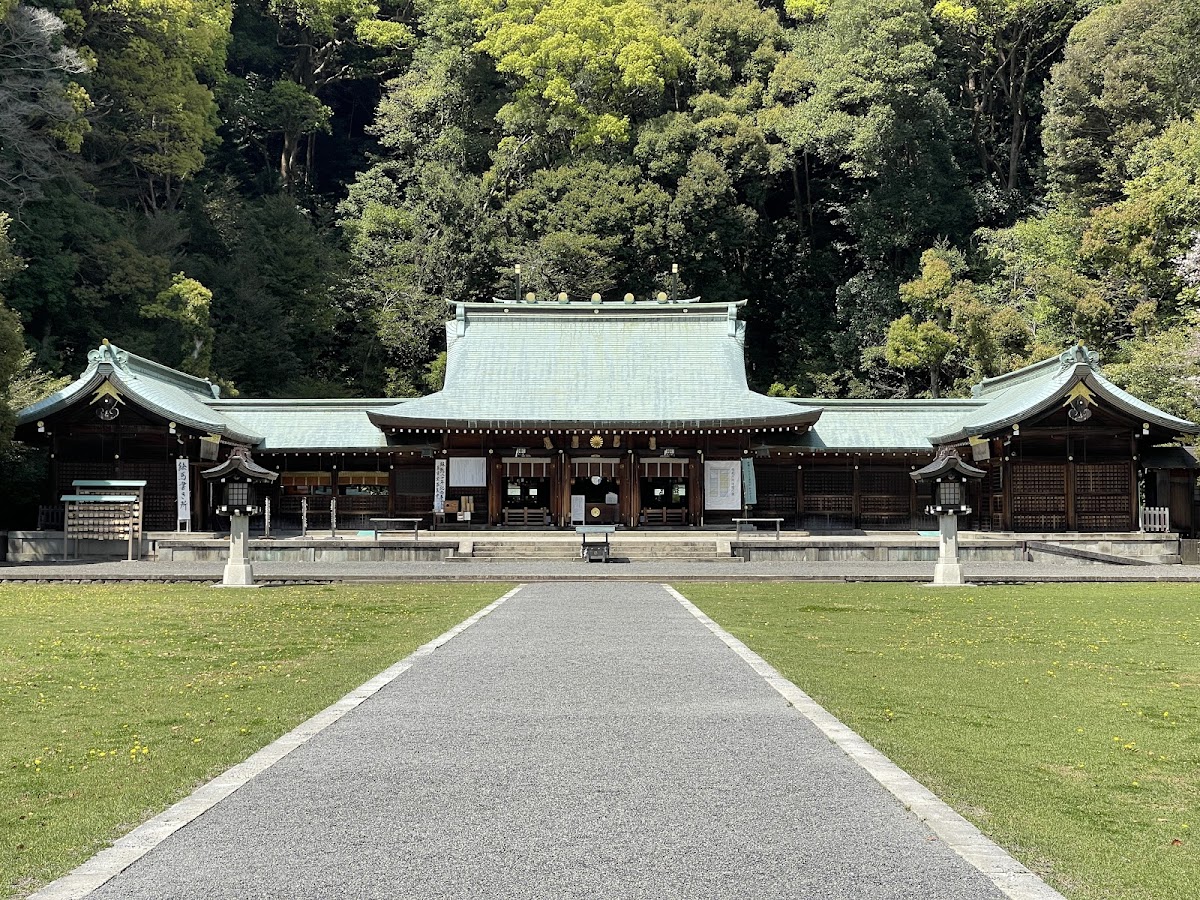
Within the shrine grounds, a space where history and nature harmonize unfolds, featuring the main shrine building, a museum of relics, a memorial monument, and a row of cherry trees. Visitors come for various reasons: some offer prayers, others learn about history, some enjoy the seasonal flowers, and others simply seek tranquility. A diverse range of people can be seen visiting the grounds.
Characteristics of the Shrine Emblem and Notation
The shrine emblem of Shizuoka Prefectural Gokoku Shrine is a “circle with a cherry blossom.” The cherry blossom is a symbolic flower of Japan, and the falling blossoms are said to represent the purity of the war dead.
Furthermore, the shrine’s name is still written using the old-style characters, “靜岡縣護國神社.” This reflects a respect for tradition since its founding and a commitment to preserving its historical significance. The deliberate use of the old characters, rather than the new-style characters, “静岡県護国神社,” is a distinctive feature.
History and Origins of Shizuoka Prefectural Gokoku Shrine
From Founding to the Present
The history of Shizuoka Prefectural Gokoku Shrine dates back to November 13, 1899 (Meiji 32). Initially, it was founded as “Kyosai Shokonsha” in Kitabancho, Shizuoka City. Shokonsha are facilities that enshrine and worship the spirits of those who sacrificed their lives for the nation, and many were established throughout Japan during the Meiji era.
On April 1, 1939 (Showa 14), the Ministry of Home Affairs ordinance, “Regarding the Renaming of Shokonsha to Gokoku Shrine,” was enacted, and the shrine was renamed “Shizuoka Prefectural Gokoku Shrine.” This renaming was applied to all Shokonsha nationwide, and under the unified name of Gokoku Shrine, its position as a shrine dedicated to the heroic spirits who protected the country became clear.
Even after the war, it continues to be a deeply rooted presence in the local community, serving as the tutelary shrine of the people of Shizuoka Prefecture and a place of gratitude and remembrance for the heroic spirits. The current address is 366 Yunoki, Aoi-ku, Shizuoka City, and it is conveniently located near the city center.
Enshrined Spirits
Shizuoka Prefectural Gokoku Shrine enshrines over 76,000 war dead and martyrs from Shizuoka Prefecture and those with connections to the prefecture during the following periods and wars:
- Meiji Restoration (Boshin War, etc.)
- Satsuma Rebellion
- First Sino-Japanese War
- Russo-Japanese War
- World War I
- Manchurian Incident
- Sino-Japanese War
- Greater East Asia War (Pacific War)
These spirits include not only soldiers but also those who served the country as military personnel, each wishing for peace and prosperity in their homeland as they became spirits. The shrine exists as a place of eternal remembrance, expressing gratitude for their precious sacrifices.
Shrine Grounds Guide | Highlights and Facilities
The grounds of Shizuoka Prefectural Gokoku Shrine are spacious, offering a tranquil space surrounded by abundant nature. It’s an attractive place not only for worship but also for strolling and learning about history.
Shrine Building
Located in the center of the grounds, the shrine building is a sacred place where worshippers offer prayers to the spirits of the war dead. The shrine is open from 6:00 AM to 5:00 PM (17:00), but on major summer and autumn festival days, the opening hours are extended to 9:00 PM (21:00). Even after closing hours, free worship is possible at night and in the early morning, demonstrating consideration for worshippers at any time.
Various prayers are performed at the shrine, including prayers for safe childbirth, baby blessings, Shichi-Go-San (7-5-3) celebrations, success in exams, and protection from evil, tailored to life’s milestones and wishes.
Memorial Hall
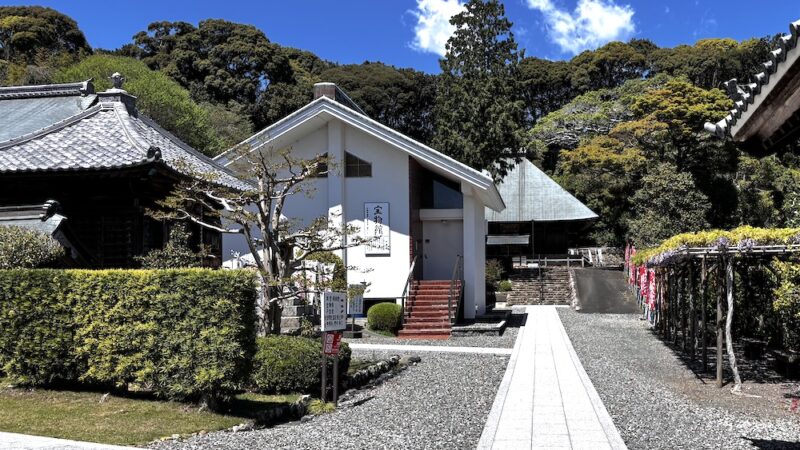
The memorial hall, located on the second floor of the shrine office, displays personal belongings of those who died in the war. Through items such as military uniforms, medals, wills, and photographs—items left behind by the fallen soldiers—visitors can learn about the realities of war and the preciousness of peace.
The memorial hall also maintains a database of its collections, allowing for more detailed information. It plays an important role as a place for history education, and is frequently visited by school officials and researchers.
Nature and Flowers of the Four Seasons
The shrine grounds are planted with seasonal flowers such as cherry blossoms and hydrangeas, allowing visitors to enjoy different scenery throughout the year. Especially during the spring cherry blossom season, the rows of cherry trees bloom beautifully, attracting many worshippers and flower viewers.
Surrounded by lush greenery, the shrine grounds are a valuable space for connecting with nature despite being in an urban area, and are cherished by local residents.
Memorials and Monuments
The shrine grounds are home to various memorials and monuments, serving as places to remember those who died in battle from specific units or regions. These monuments are carefully preserved by bereaved families and related parties, and many worshippers visit during memorial services and other occasions.
Major Festivals and Events
Shizuoka Prefectural Gokoku Shrine holds various festivals and events throughout the year. These festivals express gratitude and remembrance for the war dead, and serve as opportunities to renew prayers for peace.
Mantō Mitama Festival
One of the most important festivals at Shizuoka Prefectural Gokoku Shrine is the “Mantō Mitama Festival,” held every August. This festival is known as a festival of gratitude to the war dead, where “Miakari” (light) is lit in lanterns and prayers of thanks are offered.
Numerous lanterns are dedicated throughout the shrine grounds, creating a fantastical scene on summer nights. The lanterns, lit by countless spirits, are a testament to gratitude towards the war dead and symbolize a wish for peace. Many worshippers visit, quietly offering prayers.
During the Mantō Mitama Festival, the opening hours are extended, allowing worshippers to visit until 9 PM (21:00). At night, the shrine grounds are enveloped in a solemn atmosphere different from that of the daytime, and the light of the lanterns illuminates the thoughts of the war dead.
Annual Festival
The annual festival is the most important annual event at the shrine, and it is solemnly observed at Shizuoka Prefectural Gokoku Shrine. During the festival, Shinto priests perform rituals, and bereaved families, related parties, and general worshippers attend to offer prayers of gratitude and remembrance for the war dead.
Autumn Memorial Festival
In autumn, the Autumn Memorial Festival is held. This festival is also an important ceremony expressing remembrance and gratitude towards the war dead, and many attendees gather. Held in the clear autumn air, the ceremony is enveloped in a solemn and majestic atmosphere. ### Memorial Service on the Anniversary of Death
The Memorial Service on the Anniversary of Death is a ceremony held on the anniversary of the death of a specific war dead. Family members and relatives gather to remember the deceased and offer prayers to their spirits. It is an important ceremony for bereaved families as an opportunity for individual remembrance.
Other Events
Throughout the year, monthly ceremonies and special commemorative ceremonies are also held. Furthermore, a special memorial service is held on August 15th, the anniversary of the end of the war, attracting many worshippers.
Prayer and Visiting Information
Shizuoka Prefectural Gokoku Shrine accepts prayers not only for memorial services for the war dead, but also for various milestones in life and for personal wishes.
Various Prayers
The following types of prayers are offered:
- Prayer for Safe Childbirth: Praying for the health of mother and child and a safe delivery.
- Shrine Visit for Newborns: Praying for the healthy growth of the baby.
- Shichi-Go-San Ceremony: Expressing gratitude for the child’s growth and praying for future health and happiness.
- Exorcism: Praying for protection from misfortune during the unlucky year and for peace.
- Prayer for Success in Exams and Tests: Praying for success in exams and competitions.
- Traffic Safety: Praying for protection from traffic accidents.
- Family Safety: Praying for the health of the family and peace in the home.
- Business Prosperity: Praying for the development and prosperity of the business.
Those wishing to receive prayers should register at the shrine office. Advance reservations are possible; please contact the shrine for details.
Etiquette for Visiting a Shrine
There are basic etiquette rules for visiting a shrine.
- Passing through the torii gate: Bow before passing through the gate.
- Purifying at the water basin: Purify your left hand, then your right hand, then your mouth, and finally your left hand.
- Proceeding to the shrine: Avoid the center of the path and walk along the edge.
- Offering a donation: Quietly place your donation in the offering box.
- Two bows, two claps, one bow: Bow deeply twice, clap twice, offer a prayer, and bow deeply once.
At Shizuoka Prefectural Gokoku Shrine, it is important to visit with a heart of gratitude and remembrance for the war dead.
Access and Basic Information
Location
Address: 366 Yunoki, Aoi-ku, Shizuoka City, Shizuoka Prefecture
Opening Hours
- Normal: 6:00 AM – 5:00 PM (17:00)
- Major Summer and Autumn Festival Days: 6:00 AM – 9:00 PM (21:00)
- After Closing: Free worship is possible at night and in the early morning
Transportation Access
Access by Train:
- Approximately 10 minutes on foot from Shizuoka Railway “Yunoki Station”
- Take a bus or taxi from JR “Shizuoka Station”
Access by Car:
- Approximately 15 minutes from Tomei Expressway “Shizuoka IC”
- Approximately 20 minutes from Shin-Tomei Expressway “Shin-Shizuoka IC”
- Free parking available on the temple grounds
The temple is easily accessible from the city center and has a well-maintained parking lot, making it a convenient location for worshippers and tourists.
Inquiries
For inquiries regarding prayer reservations or visits, please contact the shrine office. The latest information is also available on the official website and Instagram (@shizu559).
The Role and Significance of Shizuoka Prefectural Gokoku Shrine
Prayer for Remembrance and Peace
The most important role of Shizuoka Prefectural Gokoku Shrine is to commemorate the spirits of those who sacrificed their lives for the nation and to express gratitude for their precious sacrifices. Over 76,000 spirits sacrificed their lives for their country, each thinking of their families and hometowns. It is important to remember that the current peace and prosperity are built upon their sacrifices and to maintain a grateful heart.
The shrine is not merely a place of past memories, but also a place that connects the present and the future. Through prayer to the spirits of the war dead, it serves as a place to reaffirm the preciousness of peace and renew the resolve to never repeat war.
A Place for Historical Education
The memorial hall and the memorial monuments on the shrine grounds serve as valuable educational spaces for learning about the history of war. Especially for younger generations, as the number of those who did not directly experience war increases, opportunities to learn history through actual artifacts and records are extremely important.
The shrine is also used as a site for school field trips and peace education, providing children with opportunities to learn about history and think about peace.
Center of the Local Community
Shizuoka Prefectural Gokoku Shrine is not only a place of remembrance but also a spiritual haven for local residents. It is a beloved place visited at important life events such as New Year’s visits, Shichi-Go-San (a traditional rite of passage for children), and various prayers.
Furthermore, the shrine grounds, surrounded by abundant nature, function as a place of relaxation for citizens, and people can be seen enjoying walks and jogging. During cherry blossom season, it is bustling with visitors enjoying the blossoms, and it also serves as a place for community interaction.
Passing on to the Future
Nearly 80 years have passed since the end of the war, and as the number of war survivors decreases, passing on the memory of the fallen heroes and prayers for peace to future generations has become an important mission of Shizuoka Prefectural Gokoku Shrine.
Festivals such as the Mantō Mitama Festival provide an opportunity to convey gratitude to the war dead and the importance of peace to younger generations, functioning as a place for intergenerational transmission of knowledge.
Visitor Voices and Experiences
People who visit Shizuoka Prefectural Gokoku Shrine come to the grounds with their own thoughts and feelings. A diverse range of visitors coexist: those remembering the deceased as bereaved family members, students learning about history, those offering prayers for peace, and those strolling to enjoy nature.
The tranquil atmosphere of the shrine grounds is appreciated by many as a place to escape the hustle and bustle of everyday life and find peace of mind. The grounds, especially in the early morning and evening, are enveloped in an even quieter and more solemn atmosphere, allowing for a time of deep prayer.
During the Mantō Mitama Festival, the fantastical scene illuminated by the light of lanterns captivates many visitors. Through this festival, many renew their gratitude to the war dead and strengthen their resolve for peace.
Nearby Attractions
Near Shizuoka Prefectural Gokoku Shrine, there are many tourist spots in Shizuoka City. Visiting them before or after your visit will make your time even more fulfilling.
Access to Shizuoka city center is excellent, and historical sites such as Sunpu Castle Park and Shizuoka Sengen Shrine are nearby. Furthermore, there are various tourist spots along the Shizuoka Railway line, making train travel convenient.
Summary
Shizuoka Prefectural Gokoku Shrine is a representative Gokoku Shrine of Shizuoka Prefecture, enshrining the spirits of over 76,000 war dead from the Meiji Restoration to the Greater East Asia War. It is a sacred place for offering prayers of remembrance and gratitude, as well as an educational space for learning history and reflecting on peace.
The shrine grounds offer many attractions, including festivals such as the Mantō Mitama Festival, exhibits in the memorial hall, and the beauty of nature throughout the seasons. It is easily accessible from the city center and has ample parking, making it a welcoming environment for people of all ages.
With gratitude and remembrance for the war dead, Shizuoka Prefectural Gokoku Shrine will continue to play an important role as a place to reaffirm the preciousness of peace. When you visit Shizuoka, I highly recommend that you pay your respects and take some time to offer a quiet prayer.