Complete Guide to Koma Shrine | A Thorough Explanation of its 1300-Year History and its Benefits for Career Advancement and Good Fortune
What is Koma Shrine?
Koma Shrine is a historic shrine located in Niibori, Hidaka City, Saitama Prefecture. It enshrines Koma no Kokishi Jakko, a descendant of Goguryeo who played a central role in the establishment of Koma County in 716 (Reiki 2) during the Nara period.
With a history of approximately 1300 years, this shrine is not merely an ancient shrine, but a valuable cultural heritage site that conveys the history of deep exchange between Japan and the Korean Peninsula. In recent years, it has become widely known as “Shusse Myojin” (God of Career Advancement) and “Shusse Jinja” (Shrine of Career Advancement), attracting many worshippers.
Basic Information about Koma Shrine
- Location: 833 Shinbori, Hidaka City, Saitama Prefecture 350-1243
- Phone: 042-989-1403
- FAX: 042-985-2794
- Shrine Visiting Hours: Open 24 hours
- Shrine Office Reception Hours: Usually 9:00 AM – 5:00 PM (may vary depending on the season)
- Parking: Free parking available
History of Koma Shrine
The Fall of Goguryeo and the Arrival of King Jakko of Goguryeo
The history of Koma Shrine begins in a turbulent era in East Asia. In the 5th year of Emperor Tenji’s reign (666 AD), Goguryeo, a powerful kingdom that flourished in the northern part of the Korean Peninsula for approximately 700 years, was attacked by a combined force of the Tang Dynasty and Silla, and fell into a critical situation.
At this time, Goguryeo dispatched a diplomatic mission to the Yamato court. The *Nihon Shoki* (Chronicles of Japan) records the name “Nii Genbu Wakō,” confirming that Wakō traveled to Japan as a member of the mission. It is believed that Wakō was of Goguryeo royal lineage and was granted the royal title (“Kokishi no Kabane”) by the court.
In 668, Goguryeo, with a history of approximately 700 years since its founding, fell, and Wakō never set foot on his homeland again.
Establishment and Development of Koma District
In 716 (Reiki 2), Koma District was newly established in Musashi Province. 1,799 people of Goguryeo descent, scattered throughout the Kanto region, migrated to this area, and Wakō, as the first district magistrate of Koma District, dedicated himself to the development of the land.
The development of the Musashino Plateau, then an undeveloped wilderness, was extremely difficult. However, Wakako and the Koreans, utilizing their advanced skills and knowledge, developed industries such as agriculture, sericulture, and weaving, laying the foundation for this region.
When Wakako ended his life in this area, the local residents, remembering his virtues, enshrined his spirit and made him the guardian deity of Koma County. This is considered the founding of Koma Shrine.
From the Edo Period to the Modern Era
During the era of syncretism of Shinto and Buddhism, the Koma family served as the head priests of the Shugendo (mountain asceticism) shrine. When Tokugawa Ieyasu entered the Kanto region in 1590, the following year, the Tokugawa family donated 3 koku of land within Koma-go (Koma Village) as shrine territory.
Formerly known as “Koma Omiya Daimyojin,” “Omiya Daimyojin,” and “Shirahige Daimyojin,” the shrine was later renamed “Koma Shrine” during the Meiji era when Shugendo (mountain asceticism) was prohibited due to the separation of Shinto and Buddhism. The 56th chief priest reinstated the shrine to Shinto priesthood, and it became known as “Koma Shrine.”
1300th Anniversary of the Founding of Koma County (2016)
2016 marked the 1300th anniversary of the founding of Koma County, and commemorative events were held. This long history is still carefully preserved today as a testament to cultural exchange between Japan and the Korean Peninsula.
Deities and Benefits
Koma Shrine enshrines three deities.
Main Deity: Koma no Kokishi Jakko
A migrant from Goguryeo, he dedicated himself to the development of Koma County as its first governor. He is worshipped as a god of success and good fortune.
Enshrined Deity: Sarutahiko-no-Mikoto
Known as the god of opening paths, this deity supports turning points in life and new challenges. It is said to be beneficial to visit when you are unsure of your path or direction, or when starting something new.
Enshrined Deity: Takeuchi-no-Sukune-no-Mikoto
A legendary loyal retainer appearing in Japanese mythology, this deity presides over physical and mental health, longevity, and loyalty.
Three of these deities are believed to grant Koma Shrine particular blessings for career advancement, pioneering, and guidance.
Reason for Known as the “Shrine of Career Advancement”
Koma Shrine became widely known as the “Shrine of Career Advancement” or “Shrine of Career Advancement” due to the numerous politicians who became Prime Minister after visiting the shrine.
Politicians Who Became Prime Ministers After Visiting the Shrine
The following six politicians became Prime Minister after visiting the shrine:
- Saito Makoto
- Wakatsuki Reijiro
- Hamaguchi Osachi
- Hiranuma Kiichiro
- Koiso Kuniaki
- Hatoyama Ichiro
Due to this remarkable “achievement,” not only politicians, but also many people such as business executives, students preparing for exams, and job-seeking students began visiting the shrine to pray for success and good fortune.
In modern times, many politicians and cultural figures have also visited the shrine, and writers and poets have left behind works with Goryeo (Korea) as their theme. The shrine has garnered cultural attention, with Ango Sakaguchi writing “The Festival Flute of Koma Shrine” in the December 1951 issue of Bungei Shunju.
Highlights of the Shrine Grounds
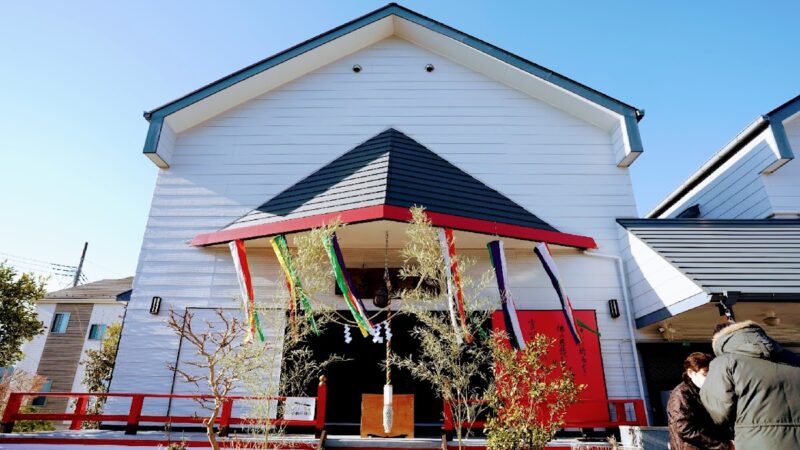
Main Hall and Worship Hall
The main hall of Koma Shrine is a magnificent building that evokes a sense of history. Worshippers pray at the worship hall using the ritual of two bows, two claps, and one bow.
Subsidiary Shrines
In addition to the main hall, several subsidiary shrines are located within the grounds, each offering unique blessings. We recommend visiting these subsidiary shrines while strolling through the grounds.
Koma Family Residence (Nationally Designated Important Cultural Property)
The residence of the Koma family, the priestly family of Koma Shrine, is a Nationally Designated Important Cultural Property. It is a valuable building that preserves the architectural style of the mid-Edo period, telling the story of the shrine’s long history.
Currently, descendants of the Koma family serve as priests, continuing the lineage for over 60 generations since Wakako. This continuation of the lineage is an extremely rare example in the history of Japanese Shinto shrines.
Nature within the Shrine Grounds
Koma Shrine is located at the foot of a mountain in Hidaka City, Saitama Prefecture, along the Kingfisher Road, and is surrounded by abundant nature. Visitors can enjoy the scenery of each season, and it is especially lively with many worshippers during the cherry blossom season in spring and the autumn foliage season.
Cultural Assets of Koma Shrine
Koma Shrine preserves numerous valuable cultural assets.
Koma Family Residence (Nationally Designated Important Cultural Property)
As mentioned above, the residence of the chief priest is designated as a Nationally Important Cultural Property.
Exhibition of Cultural Assets Owned by the Shrine
Every September, an exhibition of cultural assets owned by the shrine is held in the large hall of the Koma Shrine Assembly Hall, with a set theme. This is a valuable opportunity to view rare materials and treasures that are not usually on display.
Ancient Documents and Historical Materials
As a shrine with a history of over 1300 years, it houses many ancient documents and historical materials. These are extremely important historical sources for studying the history of exchange between Japan and the Korean Peninsula.
Annual Events and Festivals
Koma Shrine holds various festivals and events throughout the year.
Koma County Establishment Commemoration Festival
This is an important festival commemorating the history of the establishment of Koma County. It is held annually as an important event that conveys the history of Koma Shrine to the present day.
Wakako Festival
This festival commemorates Wakako, the main deity enshrined here. A solemn Shinto ritual is performed to praise Wakako’s virtues and offer gratitude.
Lion Dance (October 19th, around 2:00 PM)
This is a traditional performing art that has been passed down for over 400 years by parishioners since the Edo period, with generations changing hands each time. Held annually on October 19th, this lion dance attracts many spectators. It is carefully preserved as a local intangible cultural asset.
Other Annual Events
Various events are held throughout the year according to the shrine’s calendar, including the New Year’s Day Festival, Setsubun Festival, and the Grand Festival.
Goshuin (Shrine Seals) and Amulets
Monthly Flower Seal Goshuin
Koma Shrine’s goshuin (shrine seals) are unique in that the flower seal changes monthly, making them popular with younger visitors. Collecting the different designs each season is a delightful experience.
Lace Amulets
Cute amulets made with lace fabric are also popular. While a traditional shrine, the modern sensibilities incorporated into the offerings are particularly popular with female visitors.
Amulets for Career Advancement and Good Fortune
As befits Koma Shrine, known as the “Shrine of Career Advancement,” various amulets for career advancement and good fortune are available.
Access and Transportation Information
Access by Train
Using the JR Kawagoe Line/Hachiko Line
- Get off at Komagawa Station, approximately 20 minutes on foot
- This is the easiest route to access, as it is relatively close to the station.
Using the Seibu Line
- Get off at Koma Station, approximately 40 minutes on foot
- Although it is a little further from the station, you can enjoy a stroll while visiting the shrine.
Access by Car
- Located along the Kingfisher Road, making it easily accessible by car.
- Free Parking Available: Parking is provided for visitors.
- It can get crowded on holidays and during festivals, so it is recommended to visit with plenty of time to spare.
Nearby Tourist Attractions
Around Koma Shrine, there are many spots where you can enjoy history and nature. There are historical sites where you can feel the history of Koma-go, and hiking courses where you can enjoy the nature of Saitama Prefecture, making it possible to enjoy a full day of sightseeing in conjunction with your shrine visit.
Koma Shrine and Japan-Korea Exchange
Koma Shrine is a precious site that conveys the history of exchange between Japan and Korea spanning over 1,300 years. 2025 marks the 60th anniversary of diplomatic relations between Japan and Korea, and interest in Koma Shrine is growing as an opportunity to reaffirm the deep ties between the two countries.
The history of the descendants of Goguryeo who started new lives in Japan and contributed to the development of this region can be seen as a symbol of exchange and coexistence among peoples of East Asia in ancient times. Even today, Koma Shrine plays a role as a bridge of friendship between Japan and Korea.
Manners and Etiquette for Visiting a Shrine
Basic Worship Etiquette
- Bow before passing through the torii gate: This shows respect when entering the sacred area.
- Purify yourself at the water basin: Purify your left hand, then your right hand, then your mouth.
- Walk along the edge of the path: The center is considered the path of the gods.
- Etiquette at the main hall: Two bows, two claps, and one bow are the basic rituals.
Photography
Photography is generally permitted on the shrine grounds, but consideration should be given to avoid disturbing religious ceremonies or other worshippers. There are also areas where photography is prohibited, such as inside the main hall, so please follow the signs.
Clothing
There are no specific dress code regulations, but modest attire that reflects the sacred nature of the place is desirable.
Points to Note When Visiting Koma Shrine
Recommended Time to Visit
- Spring (March-May): Beautiful cherry blossoms and fresh greenery, pleasant weather
- Autumn (September-November): At its peak for autumn leaves, cultural artifact exhibitions in September, and lion dance performances in October
- New Year’s: Bustling with New Year’s visitors, offering a special atmosphere
Estimated Time Required
- Visiting the shrine only: 30 minutes to 1 hour
- Strolling around the grounds: 1 hour to 1.5 hours
- Including sightseeing in the surrounding area: Half a day to a full day
Tips to Avoid Crowds
Weekday mornings are relatively less crowded. Crowds are expected during New Year’s, festivals, and weekends, so allow ample time for your visit.
Summary of Koma Shrine’s Charms
Koma Shrine is a very unique shrine, boasting a history of over 1300 years while also possessing modern popularity as a “Shrine of Success.” ### Historical Value
- Preserves the history of immigrants after the fall of Goguryeo
- Evidence of ancient exchange between Japan and the Korean Peninsula
- Valuable cultural properties, including nationally designated important cultural properties
Appeal as a Place of Worship
- Known as the “Shusse Myojin” (God of Success) for its blessings of career advancement and good fortune
- Has produced six Prime Ministers
- A deity that supports life-changing moments and new challenges
Modern Appeal
- Monthly changing floral-stamped goshuin (temple/shrine seal)
- Cutely designed amulets
- Instagrammable scenery within the shrine grounds
- An open atmosphere that appeals to young people
Located in Hidaka City, Saitama Prefecture, easily accessible from central Tokyo, Koma Shrine maintains a rich natural environment and tranquil atmosphere. It’s a shrine worth visiting for various reasons, including those seeking career advancement and good fortune, those interested in history, those interested in Japan-Korea exchange, and those who enjoy collecting goshuin.
Inquiries about Koma Shrine
For detailed inquiries regarding visits, prayers, weddings, etc., please contact the following:
Koma Shrine Office
- Address: 833 Shinbori, Hidaka City, Saitama Prefecture 350-1243
- Phone: 042-989-1403
- FAX: 042-985-2794
- Official Website: komajinja.or.jp
- Official Instagram: @komajinja
The latest event information and photos of the shrine grounds are regularly updated on the official website and Instagram. We recommend checking before your visit.
Summary
Koma Shrine is a special shrine that has been preserved in Japan for over 1300 years, against the backdrop of the turbulent history of ancient East Asia. It enshrines King Jakko of Koma, an immigrant from Goguryeo, and carries on his pioneering spirit and legacy to this day.
With its modern popularity as a “Shrine of Success,” its historical significance as a symbol of Japan-Korea exchange, and its beautiful nature and traditional events throughout the seasons, Koma Shrine is a representative tourist spot and power spot in Saitama Prefecture, where all of these elements come together.
Whether you’re praying for career advancement and good fortune, interested in history, or simply looking for a peaceful retreat, we highly recommend visiting Koma Shrine. You’ll surely feel the weight of history and faith that has been passed down for over 1300 years.